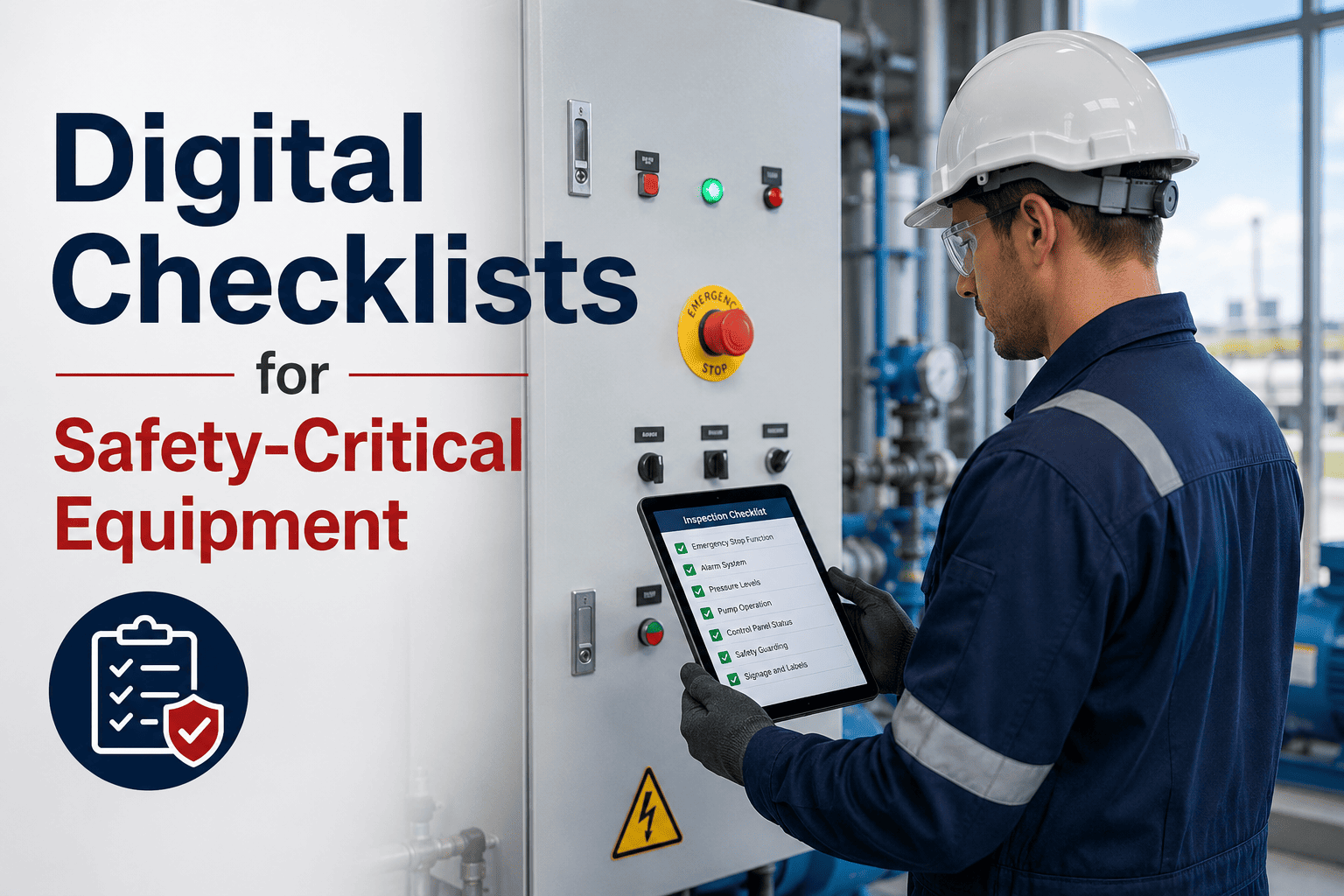
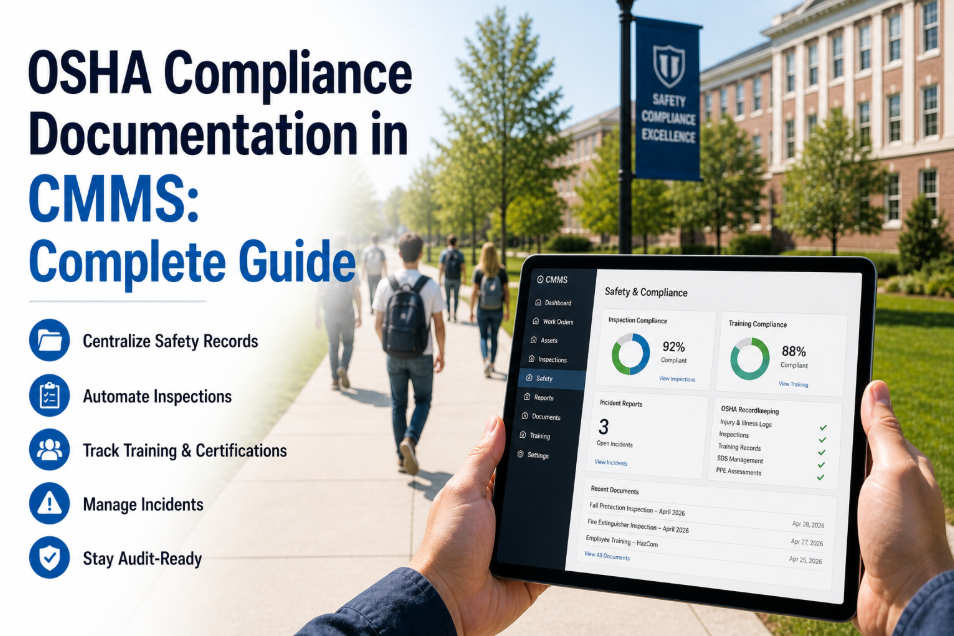
The first few minutes after something goes wrong decide whether an incident report becomes a useful record or a vague memory reconstructed days later. Incident Report First Response is the discipline of capturing facts, photos, and immediate actions while they're still accurate — before the scene gets cleaned up, the witness forgets a detail, or the paperwork gets pushed to "later." Sign up to give your team a guided first-response workflow that captures everything correctly, the first time.
Why It Matters
Under OSHA 1904 recordkeeping, an incident report is only as strong as the facts collected during first response. Details fade fast: the exact position of a spill, the reading on a gauge, who was standing nearby. A structured first-response process turns those perishable details into a defensible, audit-ready record instead of a reconstructed guess.
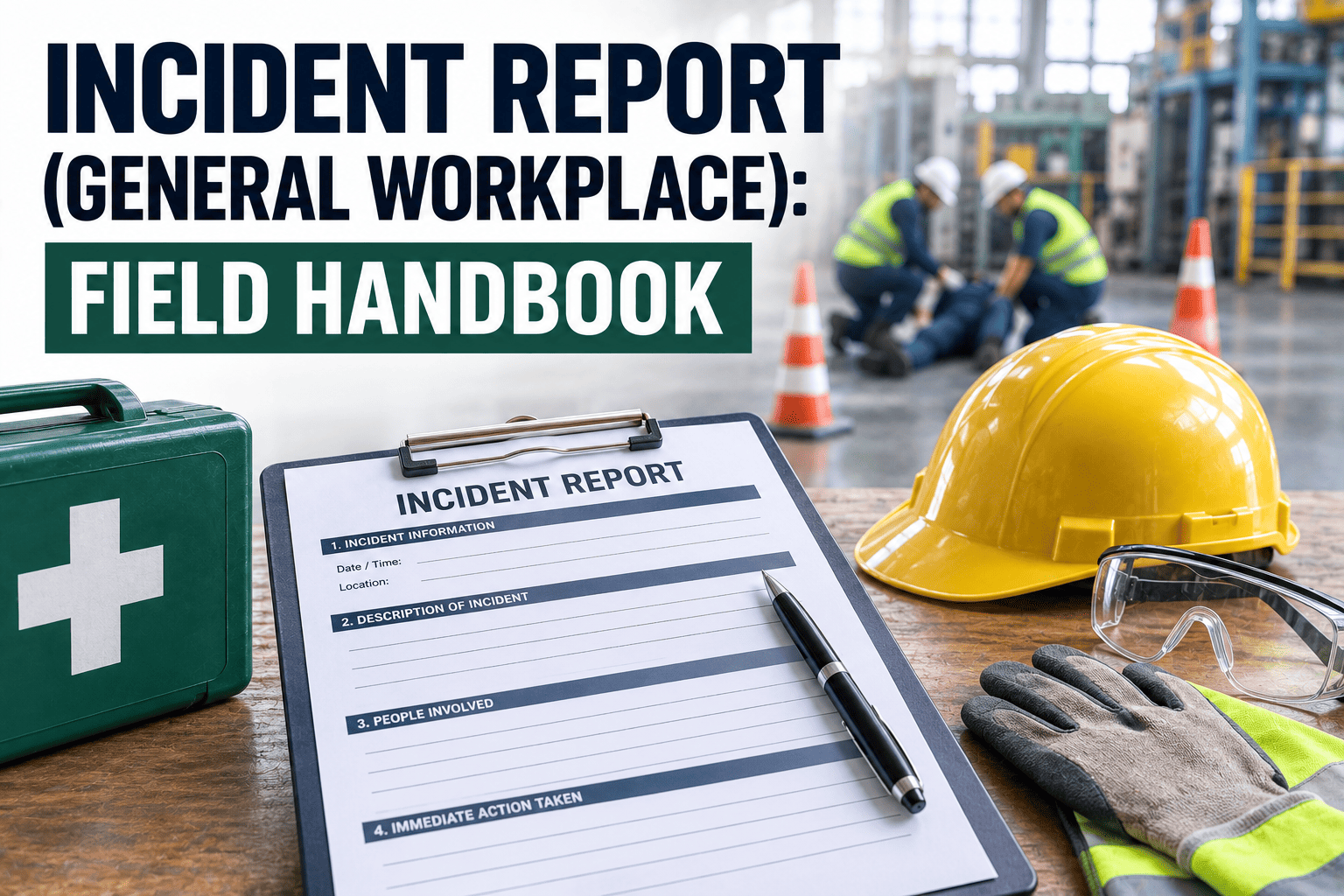
The Four Things First Response Must Capture
Time, Location, Witnesses
Logged the moment it happens, before memory starts filling in the gaps
Photo Evidence
Shot before anyone cleans up, moves equipment, or resets the area
Immediate Containment
What was done on the spot to stop things from getting worse
Initial Severity Read
A first-pass classification that a supervisor confirms later, not skipped entirely
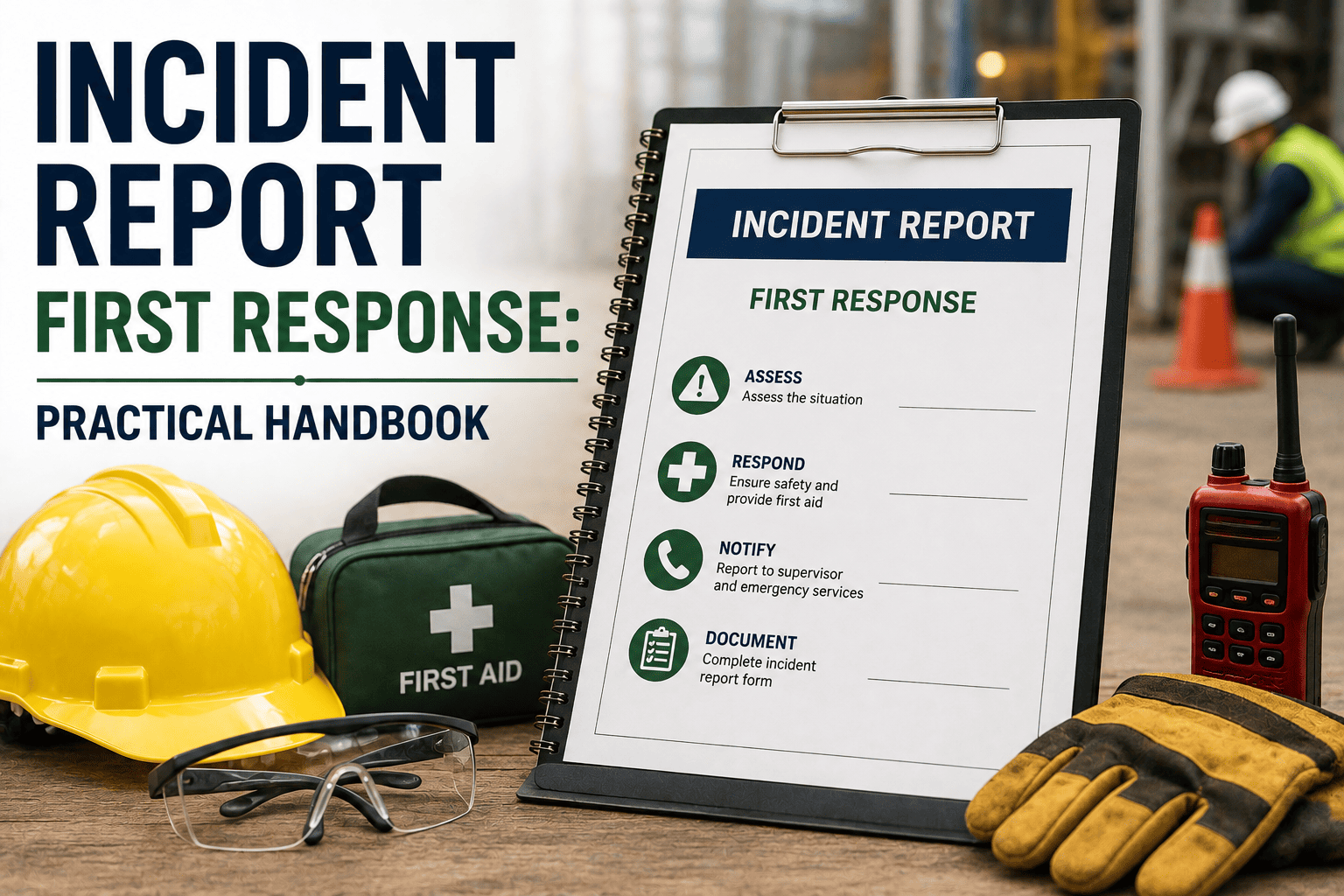
The First Response Sequence
Make The Area Safe First
Stop the hazard from spreading before anything gets documented — safety always comes before paperwork
Capture Facts And Photos On The Spot
A mobile-filed report from the exact location beats a written statement filled in from memory later
Route It To The Right Reviewer
Severity and location decide who reviews it, so nothing sits unassigned in an inbox overnight
4
Track Corrective Action To Close
The report stays open, with a visible status, until the corrective action is confirmed done
Give Every Employee A First Response Workflow That Sticks
OxMaint guides every employee through first response step by step, with photo capture, automatic routing by severity, and corrective-action tracking built in. Sign up for a free trial to roll this out across your team, or book a demo to see the workflow in action on a live safety program.
Delayed Response vs Immediate Digital Response
| Factor |
Delayed Response |
Immediate Digital Response |
| Accuracy of details |
Reconstructed from memory, prone to gaps |
Captured live at the scene, matching reality |
| Photo evidence |
Often missing once the area is cleaned up |
Attached before conditions change |
| Severity classification |
Guessed later, often disputed on review |
Set at intake and confirmed by a reviewer |
| Corrective action tracking |
Easy to lose in email threads |
Logged against the report until closed |
The Payoff
A strong first response doesn't just satisfy OSHA 1904 — it gives EHS teams real-time evidence that every incident was contained, documented, and followed up on. That's the difference between scrambling for records the week before an audit and having a defensible trail ready on demand.
Frequently Asked Questions
Q
What counts as first response versus the full incident report?
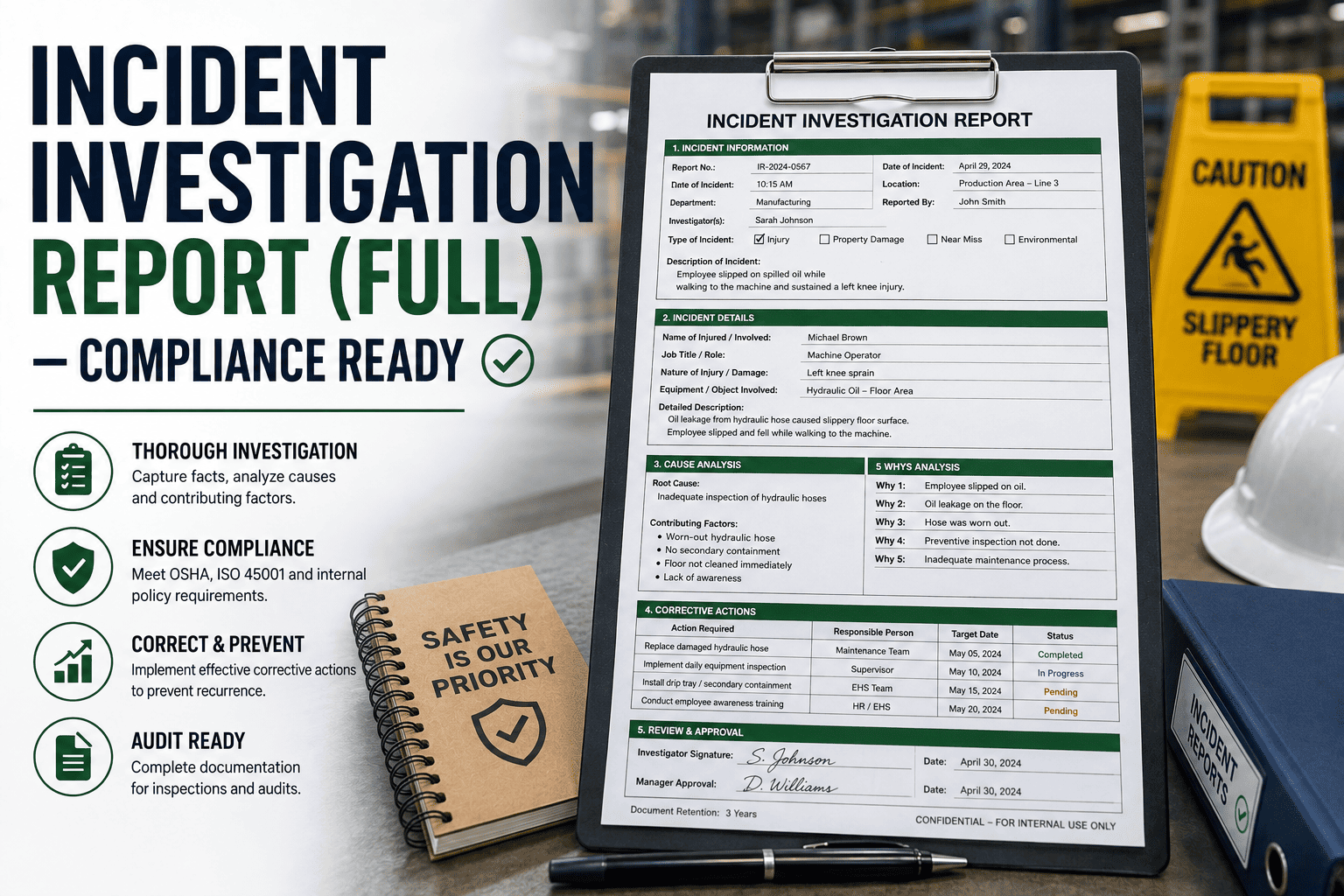
First response is the immediate capture at the scene — facts, photos, containment steps, and an initial severity read. The full incident report builds on that with investigation notes, root cause, and corrective action.
Q
How fast should first response documentation happen?
As close to the moment of the incident as safely possible. Once the area is secured, facts and photos should be logged within minutes, not hours, while conditions still match what actually happened.
Q
Does a minor near miss need the same first response process?
Yes. Near misses often reveal the same hazard as a serious incident, minus the consequence, so treating them with the same first-response process is what turns them into useful early warnings.
Turn First Response Into A Defensible, Audit-Ready Record
OxMaint links mandatory safety checks, digital LOTO and permit workflows, photo evidence, and e-signatures directly to asset records, so every incident report starts with a strong first response and ends with a defensible, real-time audit trail. Sign up for a free trial to roll out digital first-response reporting across your team, or book a demo to see it working on live safety data.