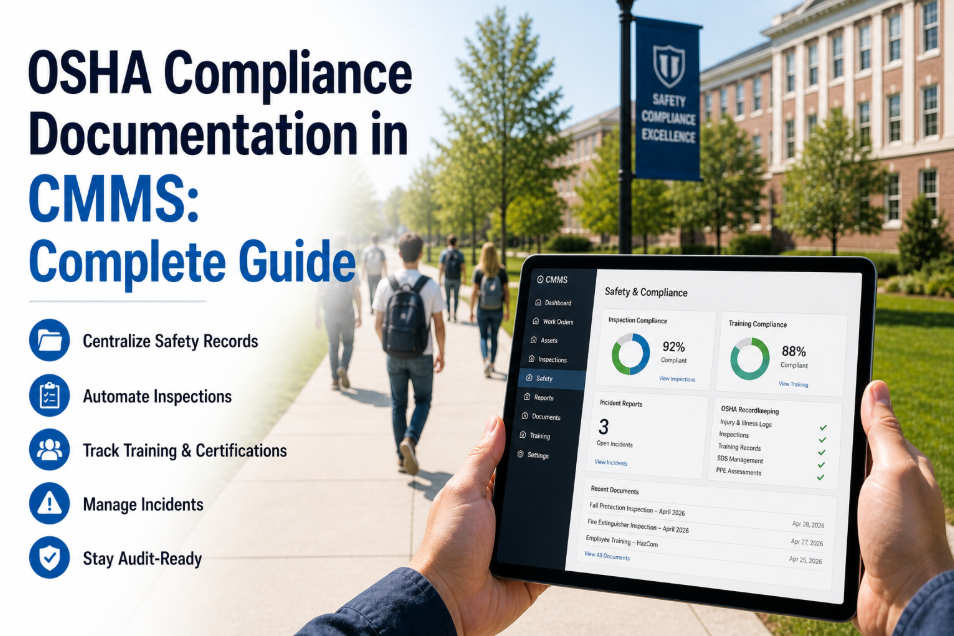
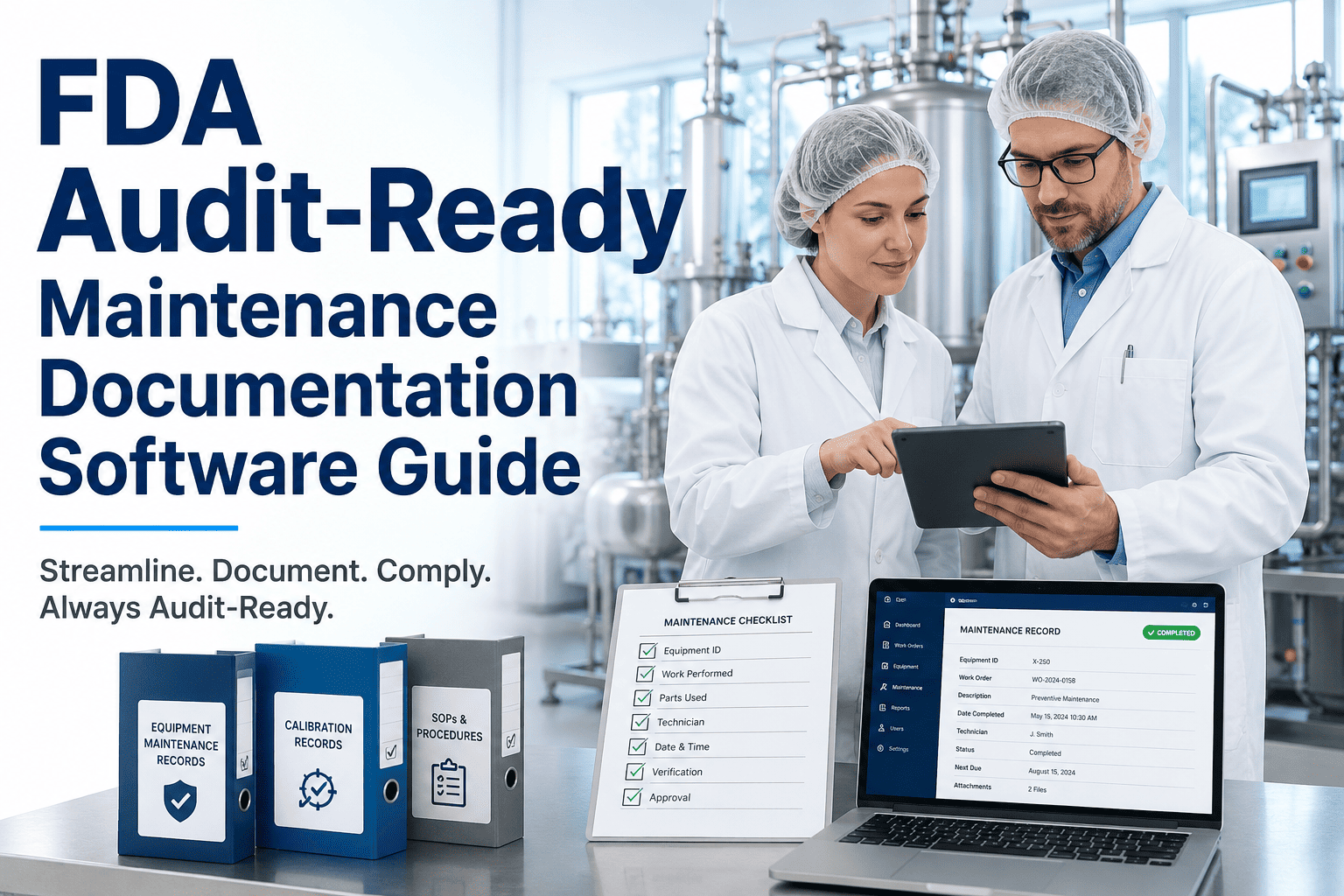
OSHA inspectors do not give credit for good intentions. When an inspector walks onto a facility floor, they request documentation — LOTO procedure records, inspection logs, safety training certificates, equipment certification history. If those documents exist only on paper clipboards, in filing cabinets, or in the memories of long-tenured technicians, the citation process begins. The Bureau of Labor Statistics estimates that OSHA violations cost US businesses over $7.4 billion annually — and 78% of citations are documentation failures, not physical safety hazards. The equipment was maintained correctly. The procedures were followed. But the records that prove it do not exist in a format auditors can verify. A CMMS that treats OSHA documentation as a first-class operational output — not an afterthought — turns every work order and inspection into audit-ready evidence. start a free trial for 30 days or book a demo to see how Oxmaint generates OSHA-compliant documentation automatically from daily maintenance operations.
OSHA Compliance · CMMS Documentation · Complete 2026 Guide
OSHA Compliance Documentation in CMMS: Complete Guide
LOTO records, inspection logs, training certificates, equipment history — how a properly configured CMMS keeps your facility audit-ready every day, not just when the inspector arrives
Pass OSHA Audits Without a Documentation Scramble
Oxmaint captures OSHA-required documentation as a natural output of daily maintenance work — LOTO records, digital inspection logs, technician certifications, equipment history, and full audit trails with timestamps and signatures. Every inspection automatically generates the evidence OSHA auditors request. start a free trial or book a demo to see what audit-ready looks like before an inspector walks in.
$15,625
Per Citation
average OSHA penalty per serious violation in 2025 — up 78% since 2015
78%
Documentation Failures
of OSHA citations trace to missing or inadequate documentation, not physical violations
64%
Citation Risk Drop
reduction in OSHA citation risk when facilities use digital LOTO and inspection records
$7.4B
Annual Cost
OSHA violation costs to US businesses annually — the vast majority preventable with proper records
What OSHA Compliance Documentation Actually Covers
OSHA compliance documentation is not a single filing system — it is a collection of ongoing records spanning multiple 29 CFR 1910 and 1926 standards. Each standard requires specific types of documented evidence proving that your facility identified hazards, implemented controls, trained affected employees, and performed ongoing verification that controls remain effective.
The documentation requirement exists because OSHA cannot inspect every facility every day. Documentation is the proxy — the evidence that safety practices are systematic and continuous, not reactive responses to injury events or inspector visits. When records are incomplete, inconsistent, or non-existent, OSHA cannot distinguish between a facility that follows procedures and one that does not — so citations follow regardless of actual practice. start a free trial to see how Oxmaint builds OSHA documentation into every maintenance workflow, or book a demo to walk through the documentation framework for your facility type.
29 CFR 1910.147
Control of Hazardous Energy (LOTO)
Written energy control procedures for each machine. Periodic inspection records with inspector name and date. Training documentation for each authorized and affected employee.
29 CFR 1910.132
Personal Protective Equipment
Documented hazard assessments for each work area. PPE selection rationale. Employee training records showing what PPE is required and how to use it for each task type.
29 CFR 1910.157
Portable Fire Extinguishers
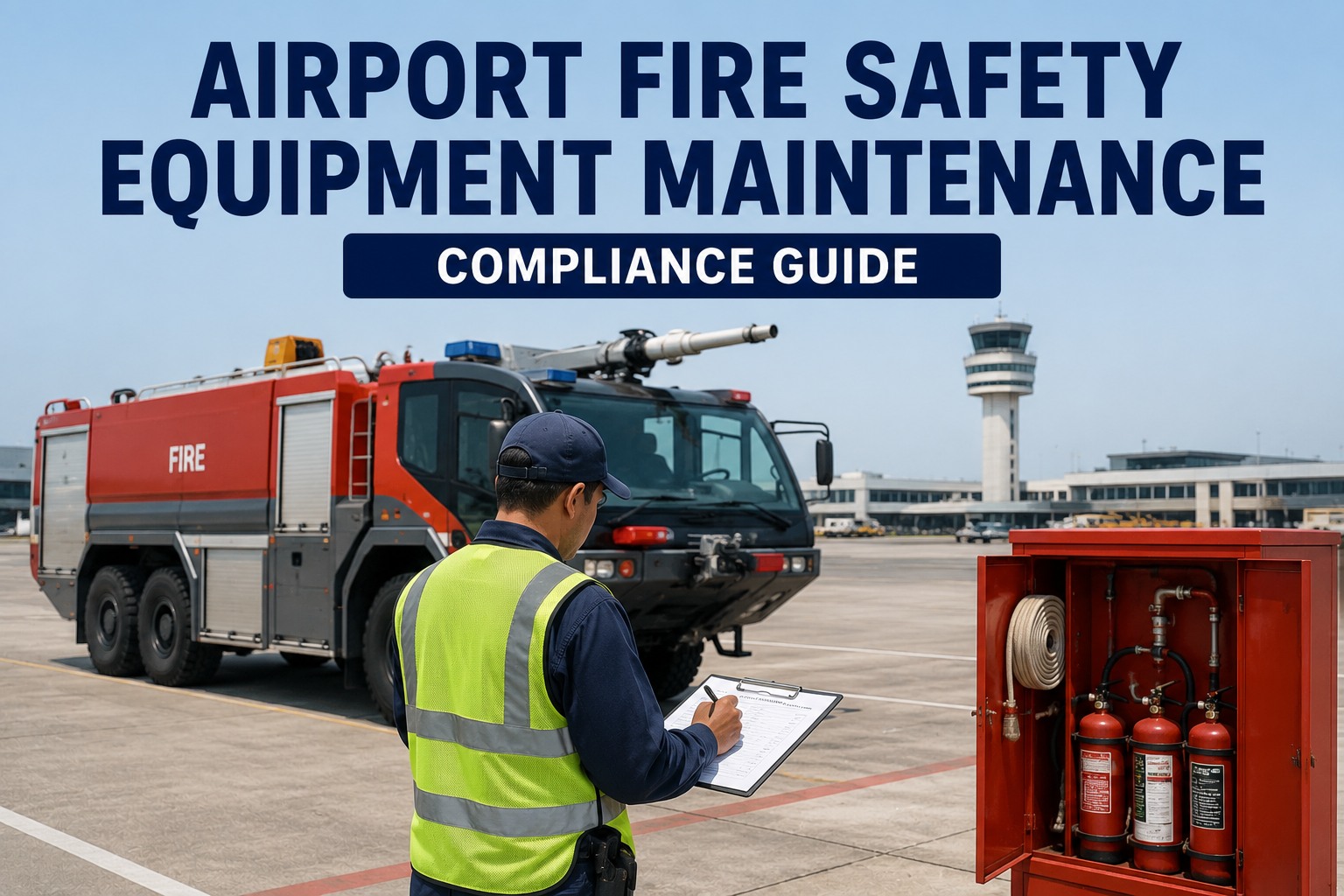
Monthly inspection records for each extinguisher location. Annual maintenance documentation. Training records showing employees know how to use extinguishers and where they are located.
29 CFR 1910.303
Electrical Equipment Safety
Inspection records for electrical panels, equipment grounding, and arc flash protection. Documentation that electrical work is performed by qualified persons. Equipment labeling verification records.
29 CFR 1910.178
Powered Industrial Trucks
Daily pre-shift inspection records for each forklift. Operator training and certification documentation. Maintenance records showing equipment defects were addressed before return to service.
29 CFR 1910.119
Process Safety Management
Mechanical integrity inspection records with findings and corrective actions. Equipment testing documentation. Management of Change records for any process or equipment modifications.
Where OSHA Documentation Fails in Practice
CRITICAL RISK 01
LOTO Procedures Exist but Records Don't
The procedure is laminated on the machine wall. The lockout was performed correctly. But the record proving it happened — inspector name, date, equipment verified, employees present — does not exist in a retrievable format. OSHA's periodic inspection requirement under 1910.147 requires written documentation that cannot be reconstructed from memory after the fact.
CRITICAL RISK 02
Inspection Logs Are Paper-Based and Incomplete
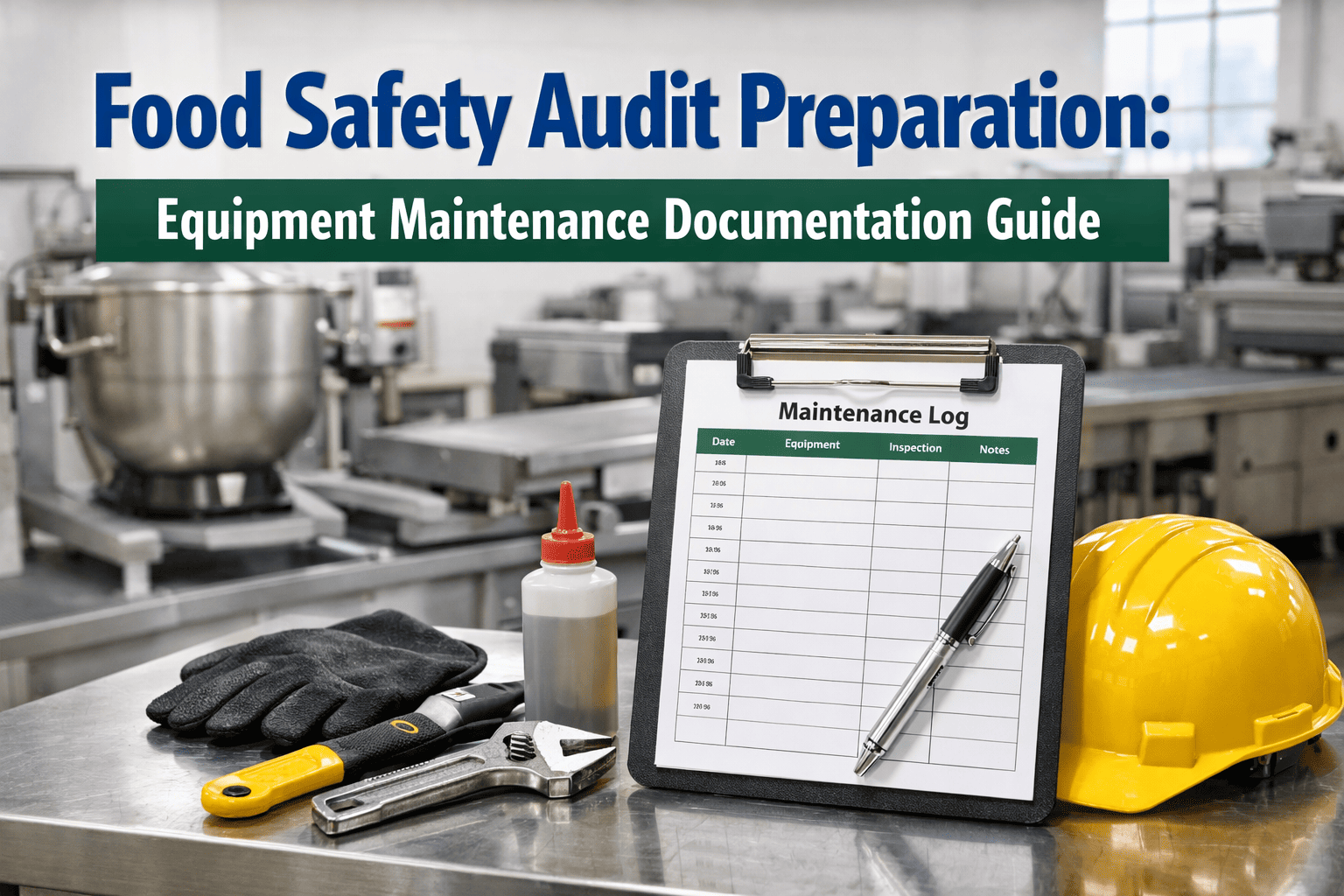
Clipboards at machine stations. Forms that get wet, torn, or lost. Inspections skipped when volume is high with no record of the gap. When an inspector asks to see 12 months of forklift pre-shift inspection records, a box of partially completed forms with inconsistent dates does not demonstrate systematic compliance — it demonstrates the opposite.
CRITICAL RISK 03
Training Records Are Not Linked to Equipment Access
Training happened. The sign-in sheet exists somewhere. But no system connects employee certifications to equipment operation permissions. When an inspector asks whether the technician who performed electrical work was qualified under 1910.303, the answer requires a manual search through paper files from multiple departments — if the record exists at all.
CRITICAL RISK 04
Defect Records Show No Corrective Action
The inspection caught the defect. The defect was noted. Then nothing. OSHA does not just require that you find problems — it requires that you fix them and document the corrective action taken. An inspection record showing a defect with no follow-up documentation is evidence of a safety management failure, not compliance.
How Oxmaint Handles OSHA Documentation
LOTO Compliance
Digital LOTO Procedure Records
LOTO procedures stored against each equipment record. Every lockout generates a timestamped record with inspector identity, energy sources verified, and employees present. Periodic inspection records created automatically — no manual documentation required after the physical lockout is complete.
Inspections
Digital Inspection Logs with Completion Tracking
Mobile inspection forms with mandatory field completion — inspectors cannot submit without answering every required item. Automatic escalation when inspections are missed. Timestamped records with technician ID stored against the asset record. Gaps in the inspection schedule visible in real time, not discovered at audit.
Defect Tracking
Findings Automatically Generate Work Orders
Inspection findings above a severity threshold automatically create corrective work orders. The link between the defect found and the repair completed is preserved in the system. When OSHA requests evidence that defects are addressed, the corrective action trail is complete — finding, work order, completion, return to service.
Training Records
Technician Certifications Linked to Equipment Access
Technician training records stored in employee profiles within the CMMS. Certifications linked to equipment types and work order eligibility. When a work order is assigned, the system validates the technician has current qualification for that equipment type — and the assignment record serves as documentation of qualified performance.
Audit Trail
Immutable Work Order Audit Records
Every work order captures who performed the work, when it started and ended, what parts were used, and a digital completion signature. Records cannot be deleted or backdated. OSHA auditors receive a complete, timestamped history of all maintenance activity — not a reconstructed narrative assembled from memory and paper files.
Reporting
OSHA-Ready Audit Report Generation
On-demand reports filtered by asset, date range, inspector, equipment type, or standard. Export packages formatted for OSHA inspection requests. Compliance dashboards showing inspection completion rates, overdue items, and open corrective actions — giving managers visibility to close gaps before inspectors find them.
Paper-Based Documentation vs Digital CMMS Records
64%
Citation Risk Reduction
when facilities use digital inspection and LOTO records vs paper-based documentation
$15.6K
Per Citation Avoided
average OSHA penalty for serious violations — each clean audit is a direct cost avoidance
4.2x
Faster Audit Response
documentation retrieval speed when records are digital vs paper-based manual systems
91%
Inspection Completion
inspection completion rate improvement when mobile escalation replaces paper clipboards
Frequently Asked Questions
What LOTO documentation does OSHA 29 CFR 1910.147 specifically require?
OSHA 1910.147 requires three types of documentation: (1) Written energy control procedures for each piece of equipment with unexpectedly energized components — the procedure must be specific to that machine, not a generic template; (2) Periodic inspection records completed at least annually for each energy control procedure, documenting the machine inspected, the date, the employees involved, and the inspector's name and signature; (3) Training records demonstrating that each authorized and affected employee has been trained on the procedures applicable to their work. Records must be maintained and available for OSHA review during inspections — verbal confirmation of training is insufficient.
How long must OSHA documentation be retained?
Retention requirements vary by standard. For general industry: exposure records and medical records under 1910.1020 must be kept for 30 years or duration of employment plus 30 years; OSHA 300 injury and illness logs must be kept 5 years; equipment inspection records typically 1-3 years depending on the specific standard. The safest practice is to retain all maintenance and safety documentation for a minimum of 5 years. OSHA may request documentation going back multiple years during serious incident investigations, and gaps in older records can support citations even if current practices are compliant.
Does a CMMS satisfy OSHA's documentation requirements, or do separate safety management systems need to be maintained?
A properly configured CMMS can satisfy OSHA's maintenance-related documentation requirements — inspection logs, work order history, equipment repair records, technician qualification documentation, and corrective action trails. What a CMMS does not typically replace is standalone EHS (Environmental Health and Safety) system functions such as incident reporting, chemical SDS management, or first aid training logs. The most effective approach integrates CMMS documentation for equipment-related compliance (inspections, LOTO verification, equipment maintenance history) with an EHS system for incident recording and training compliance. Oxmaint handles the equipment and maintenance documentation layer comprehensively.
What happens during an OSHA inspection if documentation gaps are found?
Documentation gaps discovered during OSHA inspections typically result in citations under the specific standard where records are required. Penalties depend on citation classification: other-than-serious violations average $1,037 per citation; serious violations average $15,625; willful or repeat violations can reach $156,259 per citation. Beyond financial penalties, citations become part of the public OSHA inspection record and can affect insurance rates, contractor relationships, and in some jurisdictions, operating permits. Facilities that can demonstrate a systematic documentation program — even if individual records have gaps — typically receive more lenient treatment than those with no documentation system at all.
OSHA Compliance Documentation · Oxmaint CMMS
Stop Building OSHA Compliance Evidence After the Inspector Arrives
Oxmaint generates OSHA-required documentation as a natural output of daily maintenance operations. LOTO records, digital inspection logs, corrective action trails, technician certification links, and immutable work order audit records — all automatically captured, timestamped, and retrievable on demand when inspectors request them.