Edge AI gateways are closing the gap between raw sensor data and maintenance action — but only when the data they produce flows into a structured work order triage system. A gateway that detects a bearing anomaly at 2 AM is only valuable if that detection becomes a prioritized work order, routed to the right technician, before the shift begins. Without that connection, edge intelligence becomes edge noise. Start a free Oxmaint account and connect your edge AI gateway outputs to automated work order triage, or book a demo to see the full ROI workflow mapped to your asset types and site configuration.
Where Edge AI Gateway ROI Actually Comes From
68%
of unplanned downtime events show detectable precursors in edge sensor data 12–72 hours before failure
3.1x
faster mean time to repair when edge anomaly alerts pre-populate work orders with asset context
82%
reduction in false-positive maintenance dispatches when edge data is filtered through criticality tiers
40%
lower cost per work order when technicians arrive with pre-diagnosed fault context from edge AI
The ROI Workflow — Stage by Stage
Stage 1
Edge Gateway Collects and Processes Sensor Data
The gateway aggregates vibration, temperature, current draw, and pressure data locally — applying on-device AI inference to distinguish normal variation from genuine anomalies before any data leaves the facility network.
Stage 2
Anomaly Confidence Score Triggers Triage Rule
Findings above a configured confidence threshold trigger a triage rule in the CMMS. High-confidence critical anomalies create immediate P1 work orders. Mid-range scores create monitored alerts for human review before dispatch.
Stage 3
Work Order Auto-Generated with Full Context
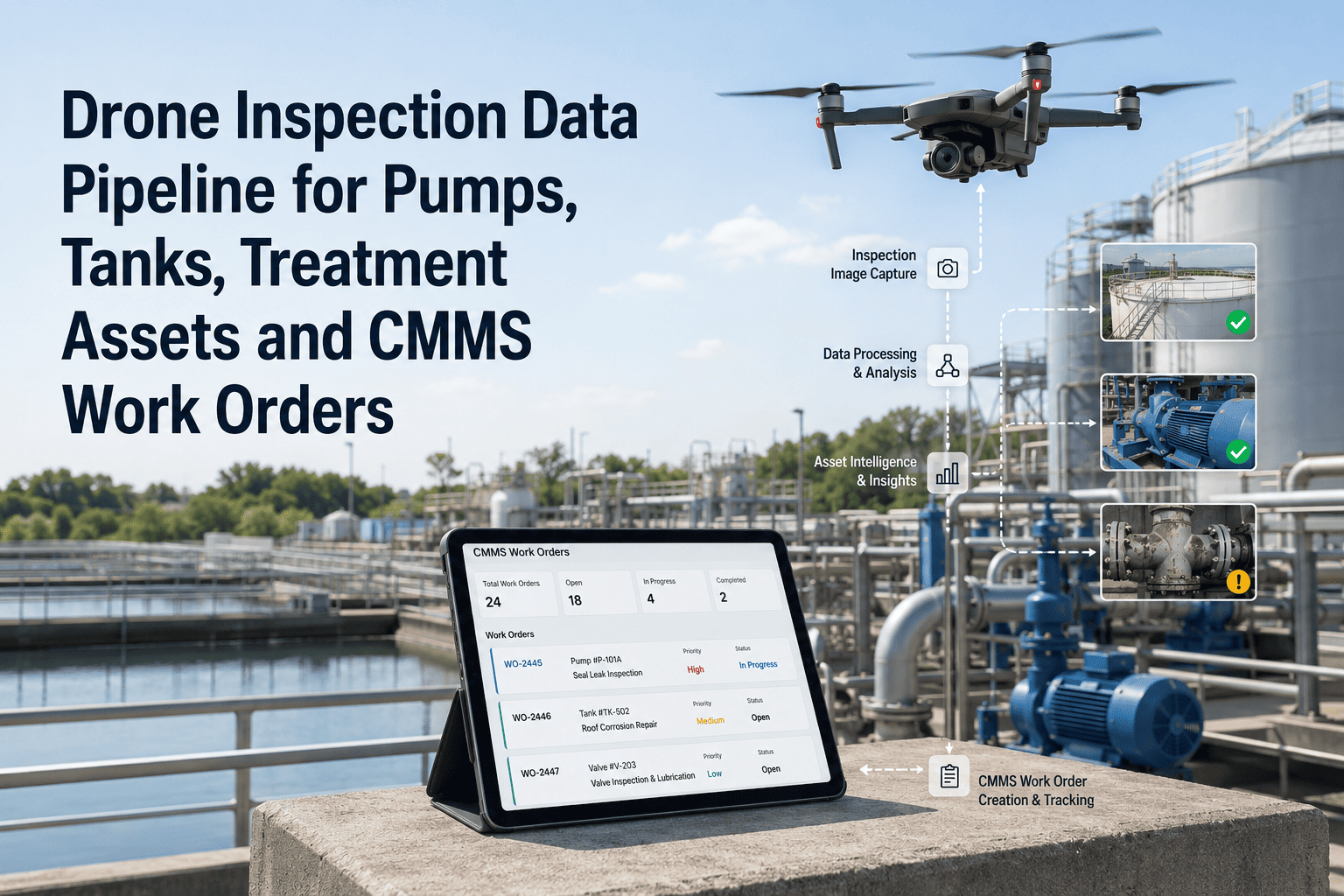
The CMMS creates a work order pre-filled with asset ID, location, fault type, confidence score, trend chart, and recommended action — giving the technician everything needed to diagnose and repair without a separate investigation step.
Stage 4
Technician Executes and Closes with Proof
The assigned technician receives the work order on mobile, completes the repair, uploads closure photos, and signs off — creating a timestamped evidence record that closes the reliability loop and satisfies audit requirements.
Stage 5
Closed Data Feeds Reliability Dashboard
Every closed edge-triggered work order contributes to MTTR, MTBF, and cost-per-asset analytics — making the ROI of the edge gateway measurable in maintenance KPIs rather than theoretical predictions.
Map the Full Edge AI ROI Workflow to Your Assets
Oxmaint connects edge gateway anomaly outputs to automated work order creation, technician routing, and reliability dashboards — turning sensor intelligence into measurable maintenance ROI.
ROI Comparison: With vs Without Edge AI Triage Integration
| Metric | Without Edge AI Integration | With Edge AI + CMMS Triage | Improvement |
|---|---|---|---|
| Mean Time to Detect (MTTD) | 8–24 hours | Minutes (automated) | 95% faster |
| Mean Time to Repair (MTTR) | 6–18 hours | 2–5 hours | 3.1x faster |
| False positive dispatch rate | 35–50% | 8–12% | 82% reduction |
| Work order pre-fill accuracy | Manual entry, error-prone | Auto-populated, validated | Near 100% |
| Technician travel per WO | Multiple diagnostic trips | Single informed visit | 40% cost reduction |
| Audit-ready evidence rate | Low (manual logs) | 100% (auto-attached) | Full compliance |
Asset Hierarchy and Condition History
Asset Hierarchy Mapping
Edge gateway findings map to the exact asset record in the CMMS — not a general location — so work orders carry the full maintenance history, PM schedule, and criticality tier of the affected component.
Condition History Timeline
Each edge alert appends to the asset's condition timeline, letting engineers see whether this anomaly is a one-time event or a recurring pattern that warrants a change to PM frequency or replacement planning.
Equipment Reliability Scoring
Accumulated edge data and closed work orders generate a rolling reliability score per asset — surfacing the 10% of equipment responsible for 60% of reactive maintenance spend before the next failure occurs.
Expert Review
"Edge AI gateways deliver ROI only when they are the front end of a closed-loop maintenance workflow. Detection without triage is just faster noise. The teams that see 30 to 50 percent MTTR reductions are those who treat the gateway as a work order generator, not a dashboard widget. The CMMS integration is what makes the edge investment pay back."
Frequently Asked Questions
What is an edge AI gateway and how does it create maintenance ROI?
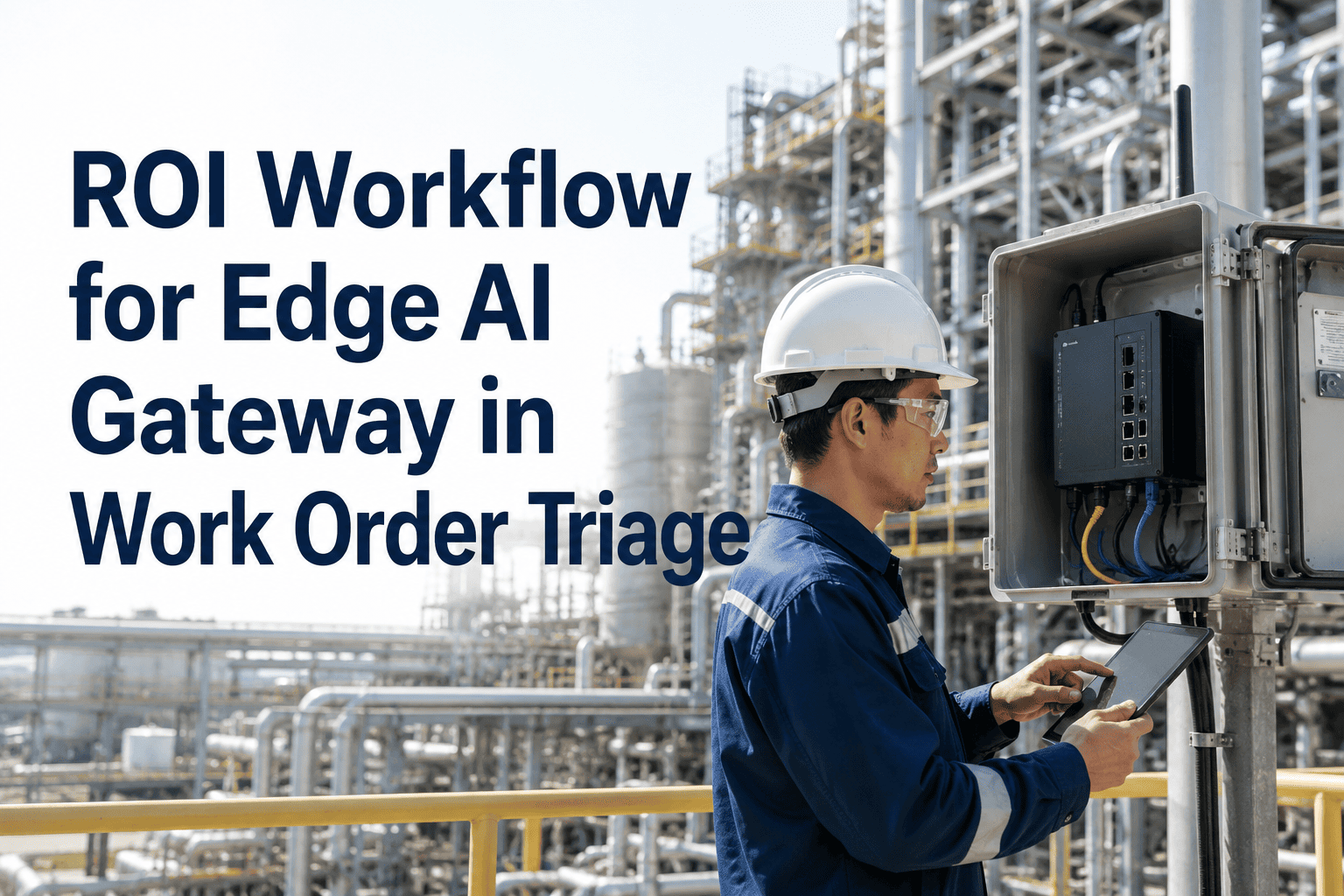
An edge AI gateway is a device that processes sensor data locally — at the machine or asset — rather than sending raw data to a central cloud for analysis. ROI comes from the speed and specificity of anomaly detection: when the gateway identifies a fault pattern and immediately triggers a pre-populated work order in the CMMS, response time collapses from hours to minutes and technicians arrive informed rather than investigative. See how Oxmaint structures edge-triggered work orders for multi-site maintenance teams.
How does edge AI gateway data integrate with CMMS work order triage?
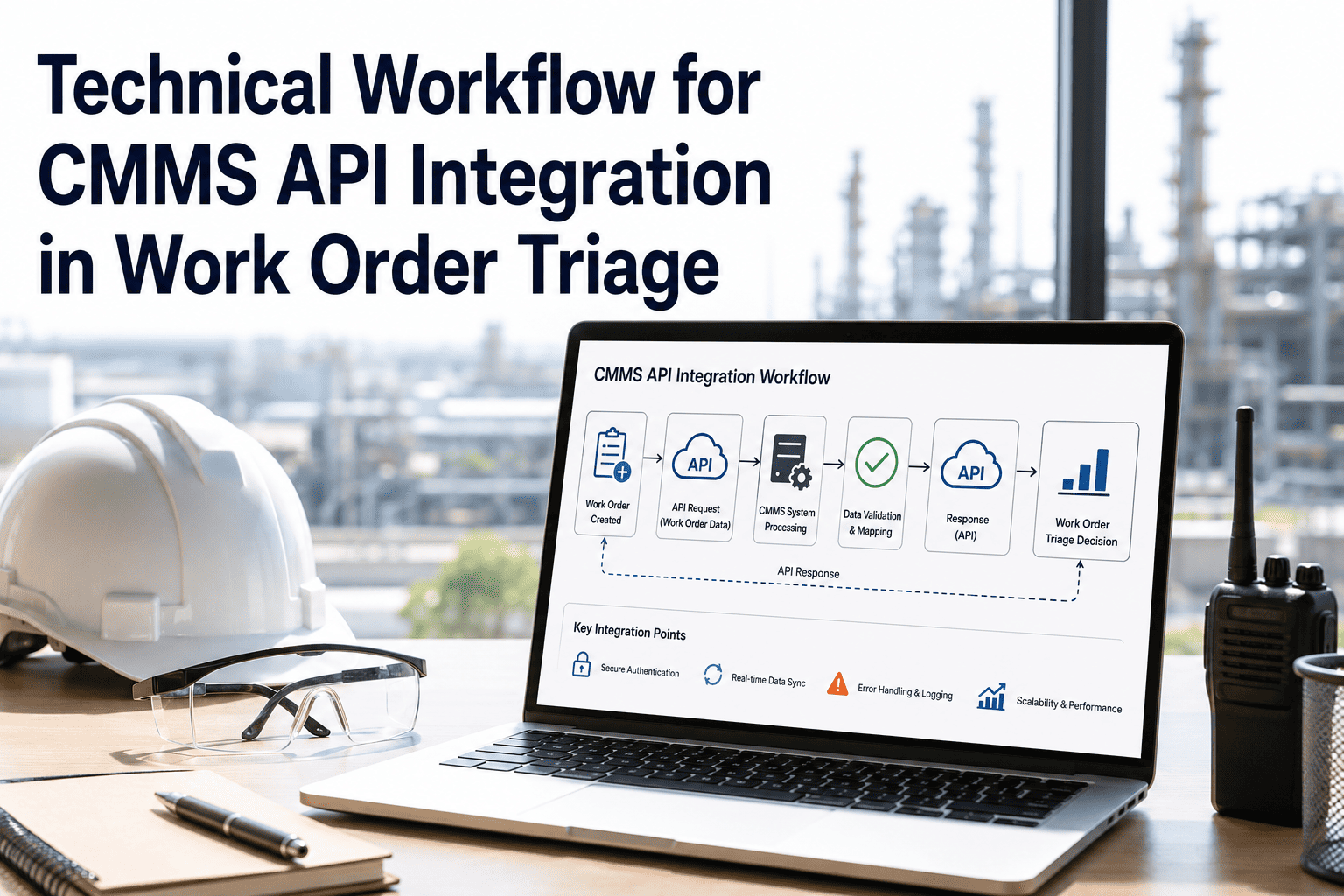
Integration works through a configured API connection between the gateway platform and the CMMS — anomaly findings above a confidence threshold trigger triage rules that create, prioritize, and route work orders automatically, with all sensor evidence attached to the work order record. The maintenance team never needs to manually review a gateway dashboard and translate findings into work orders. Book a demo to see the Oxmaint triage rule configuration in detail.
How do you measure the ROI of an edge AI gateway in maintenance operations?
The primary ROI metrics are MTTR reduction, false positive dispatch rate, technician cost per work order, and unplanned downtime frequency — all of which are measurable in CMMS analytics once edge-generated work orders are closing consistently. Secondary metrics include spare parts cost reduction from predictive ordering and audit compliance rate from automatic evidence attachment. Most teams see payback within 6 to 12 months of integration go-live.
Can edge AI gateway triage work across multiple sites with different asset types?
Yes — the triage rules in the CMMS are configured per asset type and criticality tier, not per gateway model, so the same workflow applies across rotating equipment in one facility and static infrastructure in another. Each site's asset hierarchy, criticality classification, and routing rules are maintained independently while sharing the same analytics dashboard. Start a free Oxmaint account to configure multi-site edge triage rules from one platform.
Make Every Edge Alert Count
Oxmaint turns edge AI gateway anomaly outputs into closed work orders, technician proof, and reliability analytics — giving maintenance leaders the ROI data they need to justify and expand edge investment.