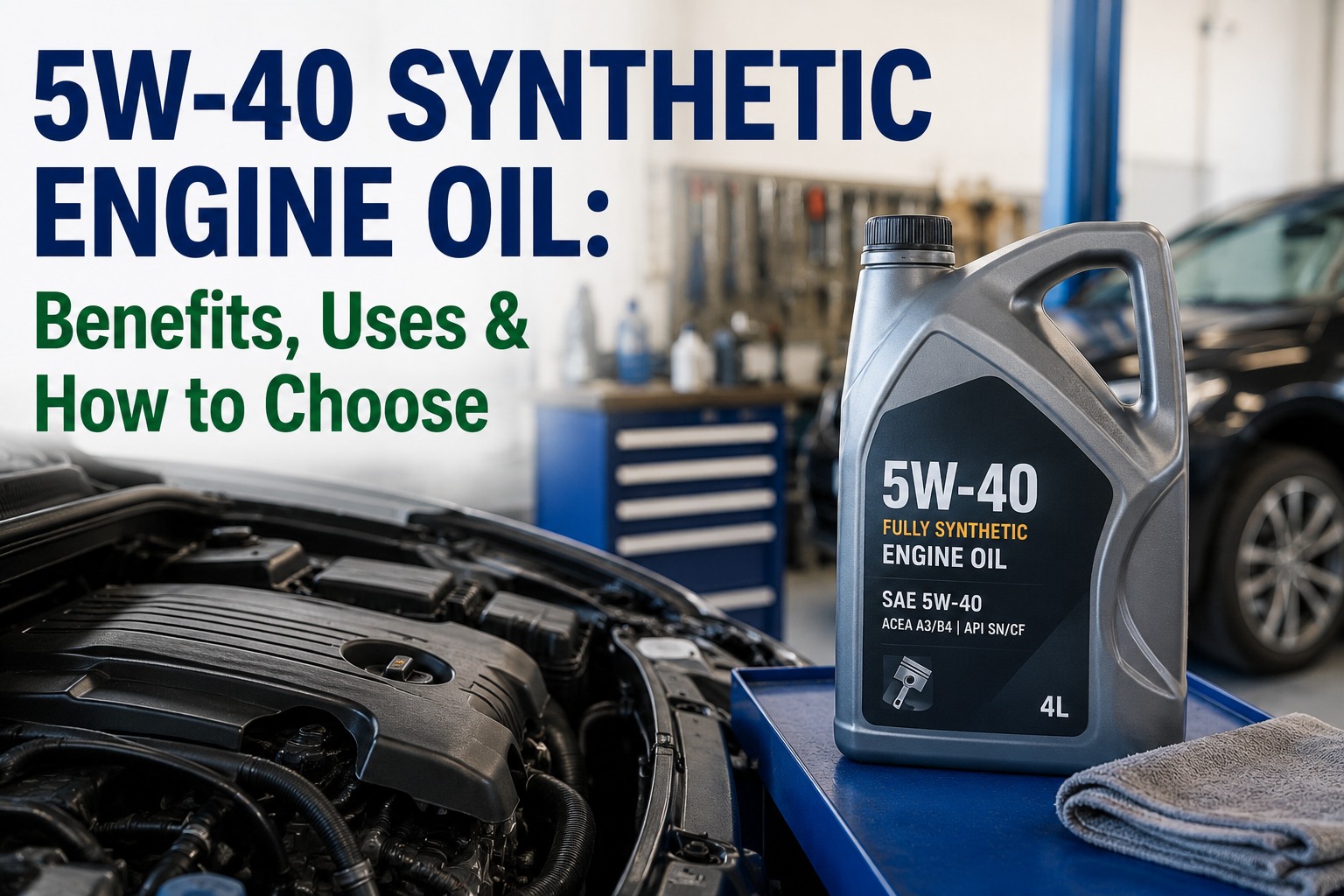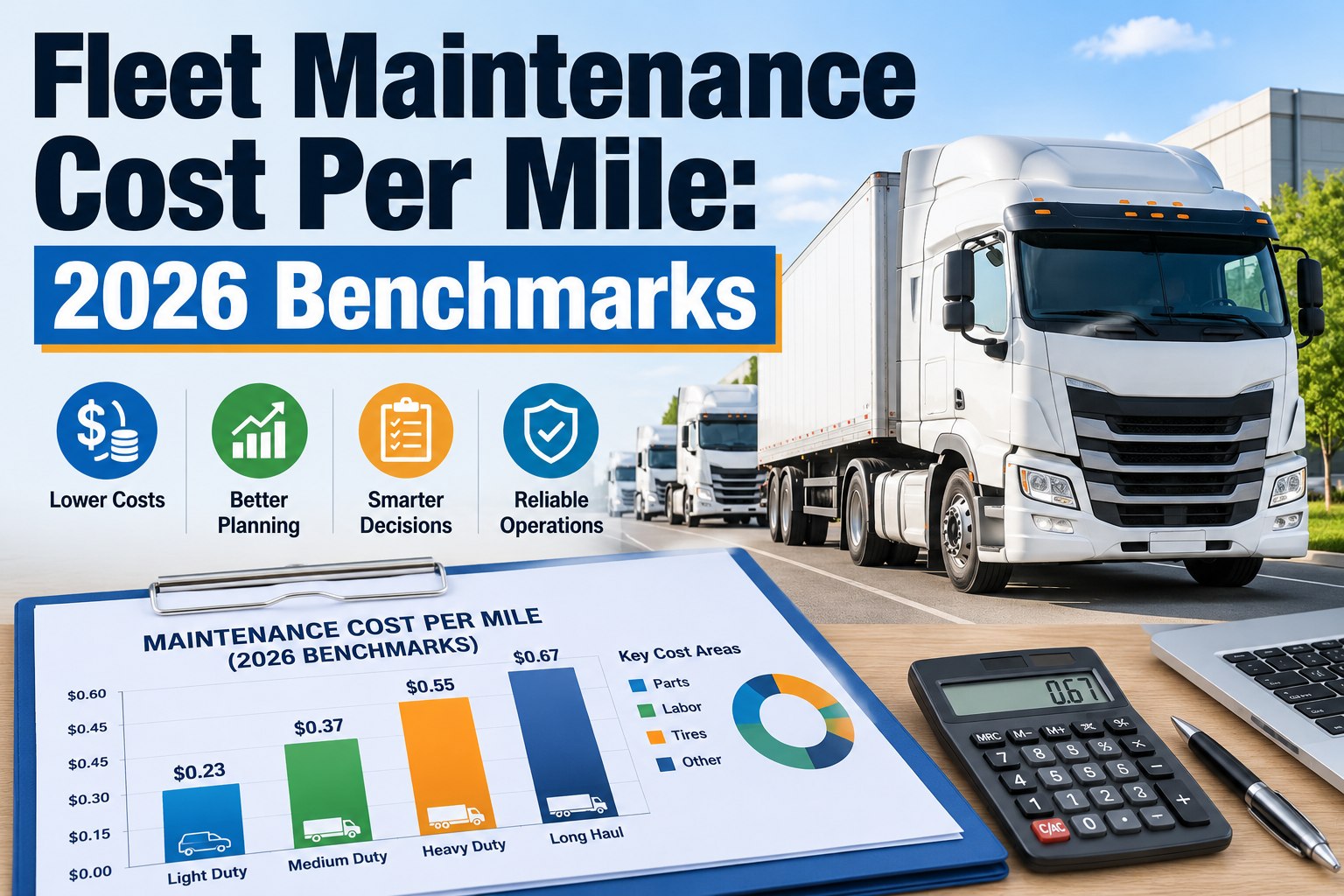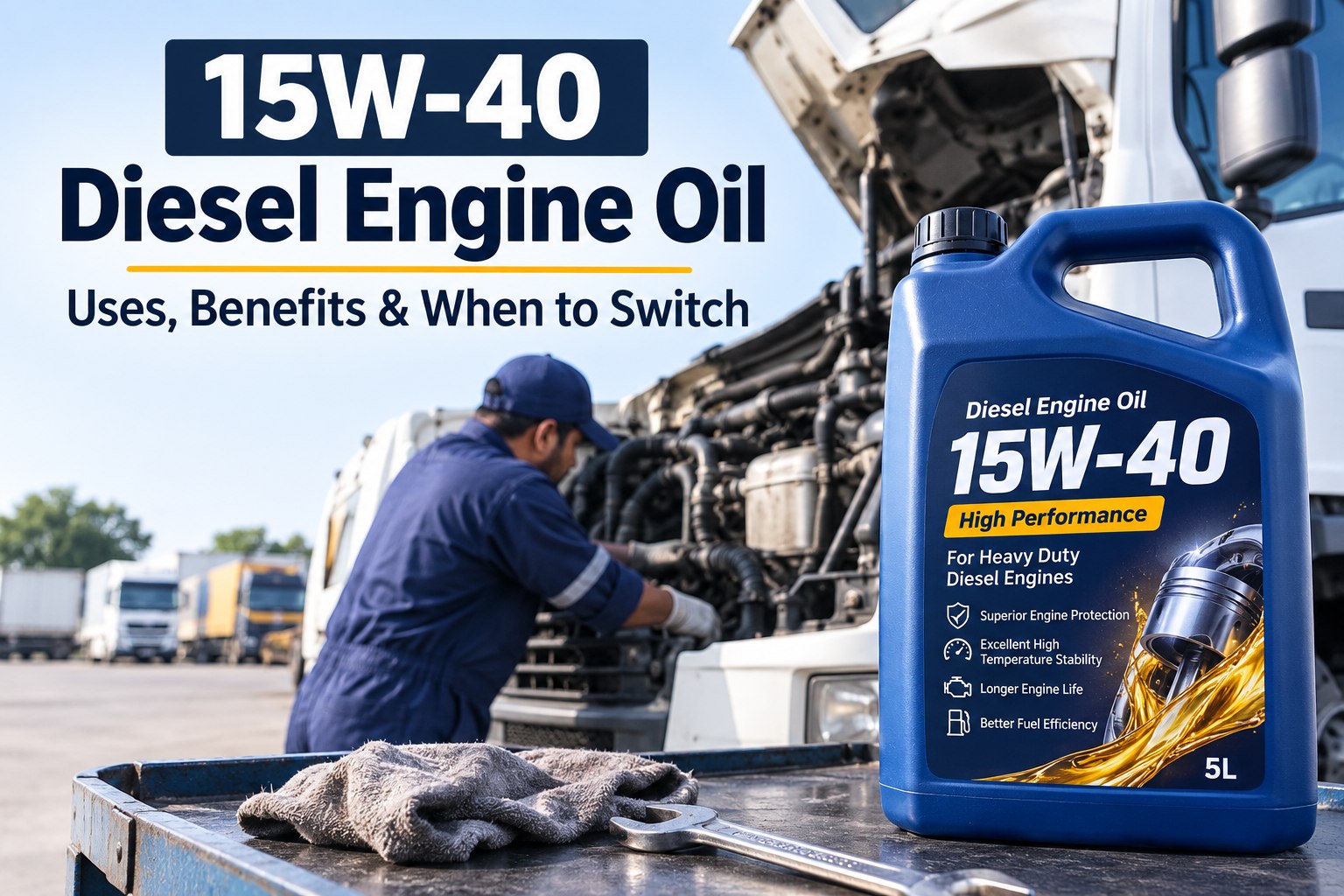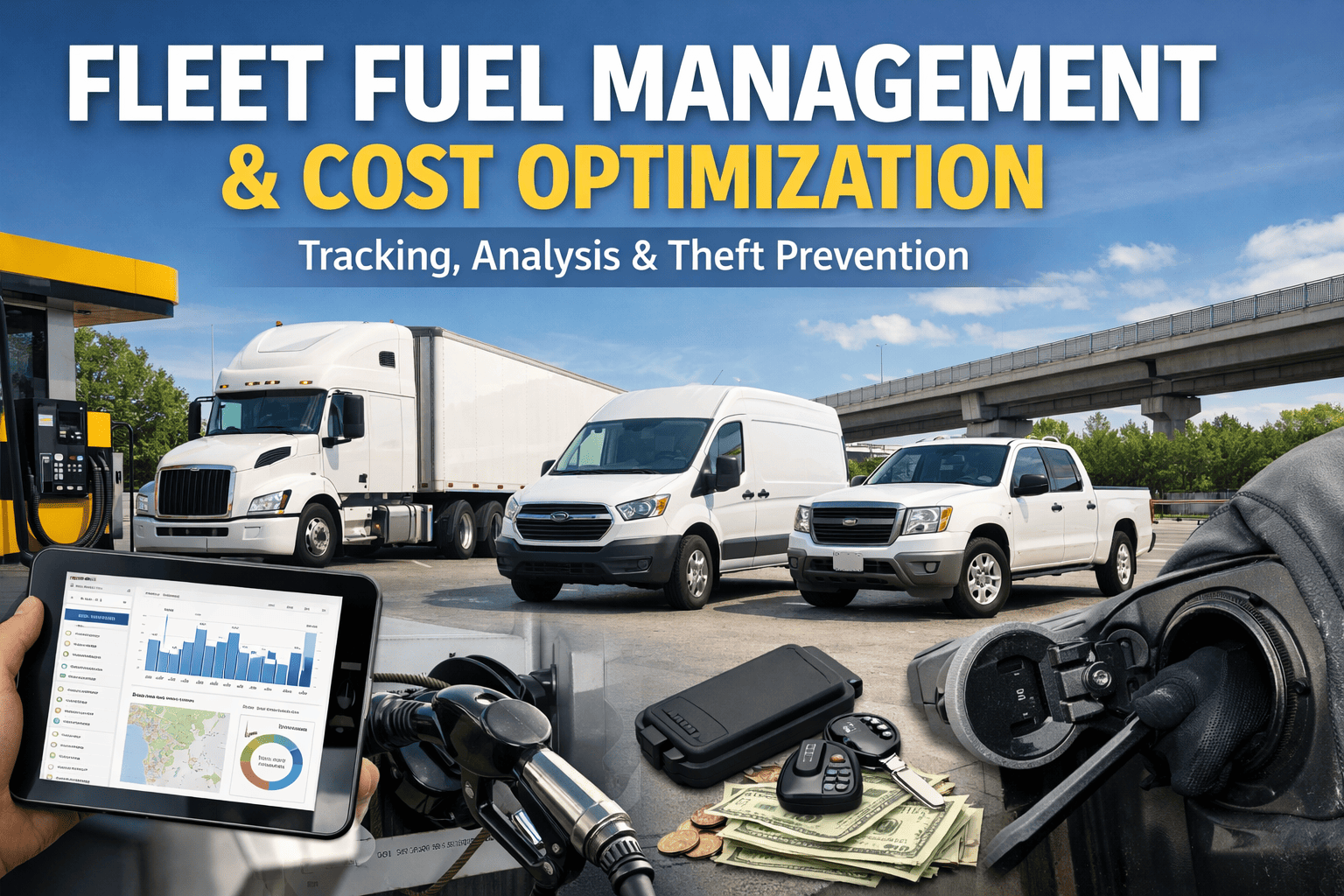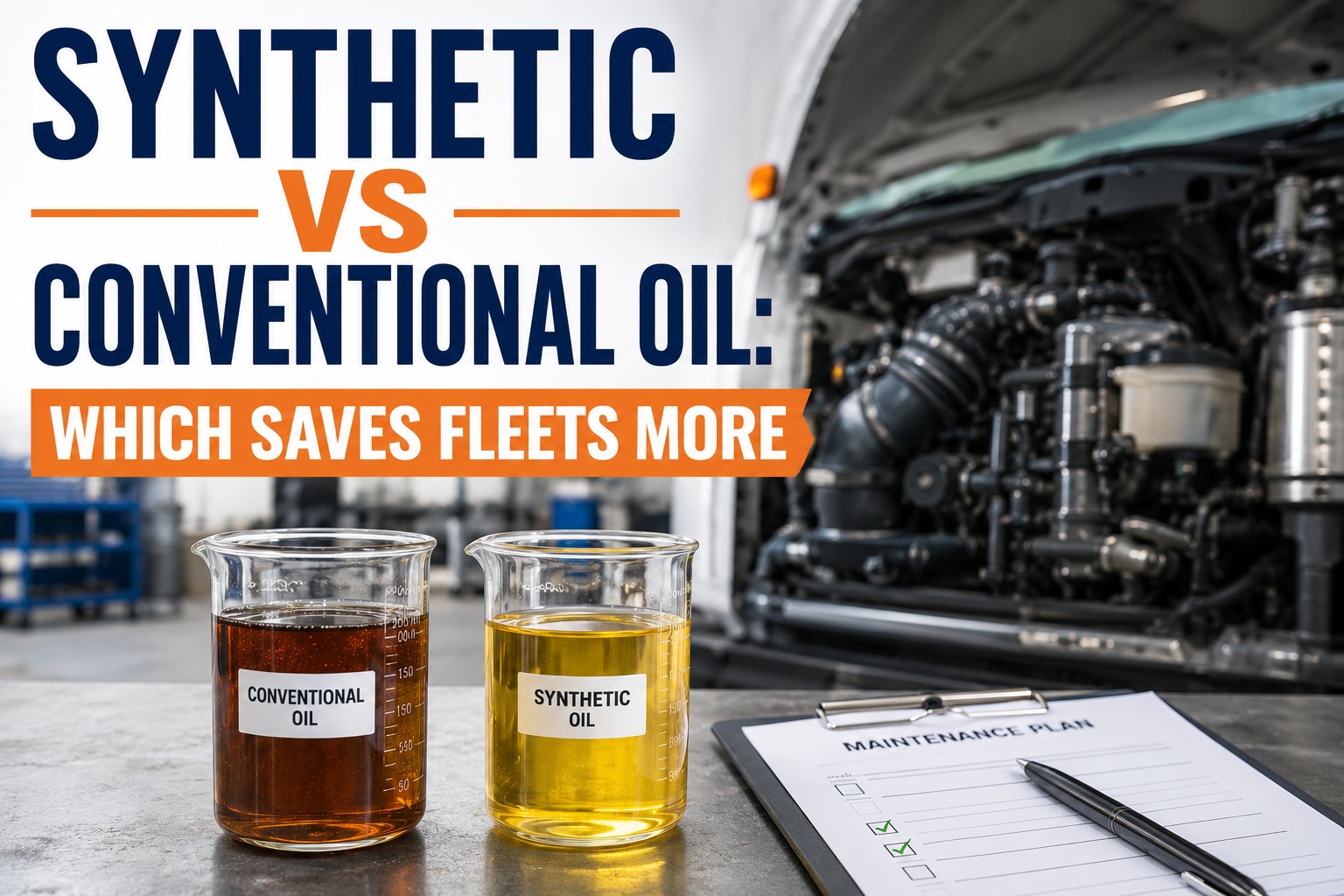
The synthetic vs conventional oil debate for fleets is not about which lubricant is "better" in the lab — it is about which delivers the lowest total cost of ownership across thousands of drain events, labor hours, and uptime hours. Synthetic oil typically costs 2 to 4 times more per litre than conventional mineral oil, yet its engineered molecular stability can double or triple oil drain intervals, reducing labor, filter spend, and vehicle downtime. For maintenance managers overseeing 50 to 500+ assets, the right fleet engine oil choice hinges on application, duty cycle, and OEM limits — and documenting that lifecycle math is exactly where a CMMS like OxMaint turns guesswork into defensible savings. Ready to model your own lubricant program? You can Start Free Trial today and see the numbers on your assets.
The Real Cost of Synthetic vs Conventional Oil for Fleets
Stop guessing on drain intervals. Synthetic costs more per litre, but extends service life up to 3x — the savings hide in labor, downtime, and filter costs. See how OxMaint models your true program cost.
Synthetic vs Conventional Oil: The Core Differences
Fleet managers evaluating synthetic vs conventional oil must weigh molecular structure, thermal stability, and oxidation resistance — the engineering factors that dictate how long an oil protects a hard-working diesel engine.
| Performance Metric | Conventional Oil | Synthetic Oil |
|---|---|---|
| Base Stock Origin | Refined crude mineral oil | Chemically engineered PAO/Group IV |
| Cold-Start Viscosity (-20°C) | Sluggous flow, delayed protection | Instant flow, rapid lubrication |
| Thermal Breakdown Threshold | ~120°C standard operation | Exceeds 150°C without shearing |
| Oxidation Resistance | Moderate, degrades faster | High, resists sludge and varnish |
| Typical Fleet Drain Interval | 10,000–15,000 km | 30,000–50,000+ km |
| Cost Per Litre (Bulk) | $2.50–$4.00 | $7.00–$10.00 |
Table: Diesel oil comparison metrics for heavy-duty fleet applications. Actual intervals depend on OEM limits and oil analysis results.
How to Calculate True Fleet Engine Oil Cost
Oil change cost for fleets is not just the price of a litre of lubricant. To compare conventional vs synthetic accurately, you must calculate total lifecycle cost per kilometer — factoring in fluid, filters, technician labor, and vehicle downtime.
100-Truck Regional Haul Fleet (Annual Comparison)
A 100-asset fleet averaging 80,000 km/year per truck compares its fleet oil choice. Each truck holds 40 litres of engine oil. Labor is $85/hr, and each oil change takes 1.5 hours of shop time plus $45 in filters. Vehicle downtime is valued at $200 per PM event.
Net Result: Synthetic saves $1,229 per truck annually. Across 100 assets, that is $122,900 in total oil cost savings per year — despite paying 165% more per litre.
Extending Oil Drain Intervals Without Risk
Pushing oil drain intervals is where synthetic oil benefits truly compound — but only if backed by oil analysis. Blindly extending drains risks engine failure, warranty voids, and catastrophic downtime. The safest approach is condition-based monitoring.
Baseline Fluid Analysis
Pull samples at the standard OEM interval (e.g., 15,000 km). Measure wear metals (iron, lead, copper), soot loading, viscosity, and TBN (Total Base Number). This establishes your engine's wear signature.
Switch to Synthetic & Extend
Transition to a full synthetic diesel oil (e.g., 5W-40 or 10W-30 FA-4). Extend the next drain to 1.5x the original interval. Synthetic's superior oxidation resistance keeps the additive package active longer.
Monitor & Document Trends
Sample at every 5,000 km. If TBN stays above 2.0 and wear metals remain flat, extend further. If soot crosses 3.0% or viscosity drops, pull the drain immediately. Documentation here is critical for warranty compliance.
Lock in Optimal Interval
Once data validates a safe maximum (often 30,000–50,000 km for line-haul), codify it into your CMMS preventive maintenance triggers. The interval is no longer an opinion — it is a documented, defensible lifecycle policy.
How OxMaint Optimizes Your Fleet Oil Choice
Choosing between conventional vs synthetic is just the first step. Sustaining the savings requires a system that tracks every asset, triggers work orders automatically, and logs oil analysis results. OxMaint turns your lubricant program into a measurable cost-center.
TCO Modeling for Oil Programs
Input cost per litre, labor rates, and downtime values to instantly compare conventional vs synthetic scenarios across your entire fleet. Identify exact break-even points and projected annual savings before you switch.
Automated Drain Interval Triggers
Set dynamic PM triggers based on odometer, engine hours, or calendar days. OxMaint auto-generates work orders when an asset hits its optimized drain interval, eliminating missed changes and premature servicing.
Oil Analysis Integration
Log lab results directly to the asset record. Track TBN, viscosity, and wear metal trends over time. If sample data degrades, OxMaint flags the asset for early intervention — preventing failure while validating extended drains.
Spare Parts & Inventory Control
Track bulk oil stores and filter inventory in real-time. Auto-reorder points ensure you never halt a PM for a stockout, while usage analytics reveal exactly how much synthetic oil your extended intervals actually save.
Stop Guessing on Fleet Lubricant Costs
See exactly how OxMaint models your synthetic vs conventional oil program, optimizes drain intervals, and documents the savings. Book a 30-minute demo on your assets today.
Synthetic vs Conventional Oil: Fleet FAQs
Is synthetic oil worth the extra cost for fleet vehicles?
Yes, for most commercial fleets. While synthetic oil costs $7–$10 per litre compared to $3–$4 for conventional, its extended drain intervals (30,000–50,000 km vs 15,000 km) reduce labor, filters, and downtime. A typical heavy-duty truck saves $800–$1,200 annually on total lifecycle costs. Use a CMMS like OxMaint to calculate the exact ROI for your specific routes and duty cycles — book a demo to see the math on your fleet.
Can I switch between synthetic and conventional oil?
Yes, modern motor oils are compatible, and switching back and forth will not damage seals or cause leaks — that is an outdated myth from the 1970s. However, mixing oils dilutes the synthetic's performance benefits and complicates drain interval tracking. For fleet consistency, pick one oil type per asset category and lock it into your CMMS maintenance schedule.
How often should I change synthetic oil in a fleet truck?
For heavy-duty diesel engines, synthetic oil drain intervals typically range from 30,000 to 50,000 km, or 400–600 engine hours. However, the exact interval must be determined by oil analysis monitoring TBN, soot, and wear metals. Never exceed OEM maximum limits without documented lab results proving the oil is still within spec.
Does synthetic oil improve fuel economy in fleet operations?
Synthetic oil can improve fuel economy by 1–3% due to lower internal friction and better cold-flow properties. For a truck burning 40,000 litres of diesel annually, a 2% gain saves roughly 800 litres — about $1,000 per truck per year. These gains are most noticeable in cold climates and stop-and-go vocational applications.
What is the best way to track oil changes across a fleet?
The best method is using a CMMS or fleet maintenance software that triggers preventive maintenance work orders based on odometer, engine hours, or condition data. This eliminates missed oil changes, prevents over-servicing, and archives lab results for warranty compliance. Spreadsheets and windshield stickers simply do not scale past 20 vehicles — start a free OxMaint trial to digitize your lubricant program instantly.
Turn Lubricant Decisions Into Documented Savings
Join the fleet maintenance teams using OxMaint to optimize oil drain intervals, track TCO, and eliminate paper work orders. See it live on your assets in just 30 minutes.
Free 14-day trial · No credit card required