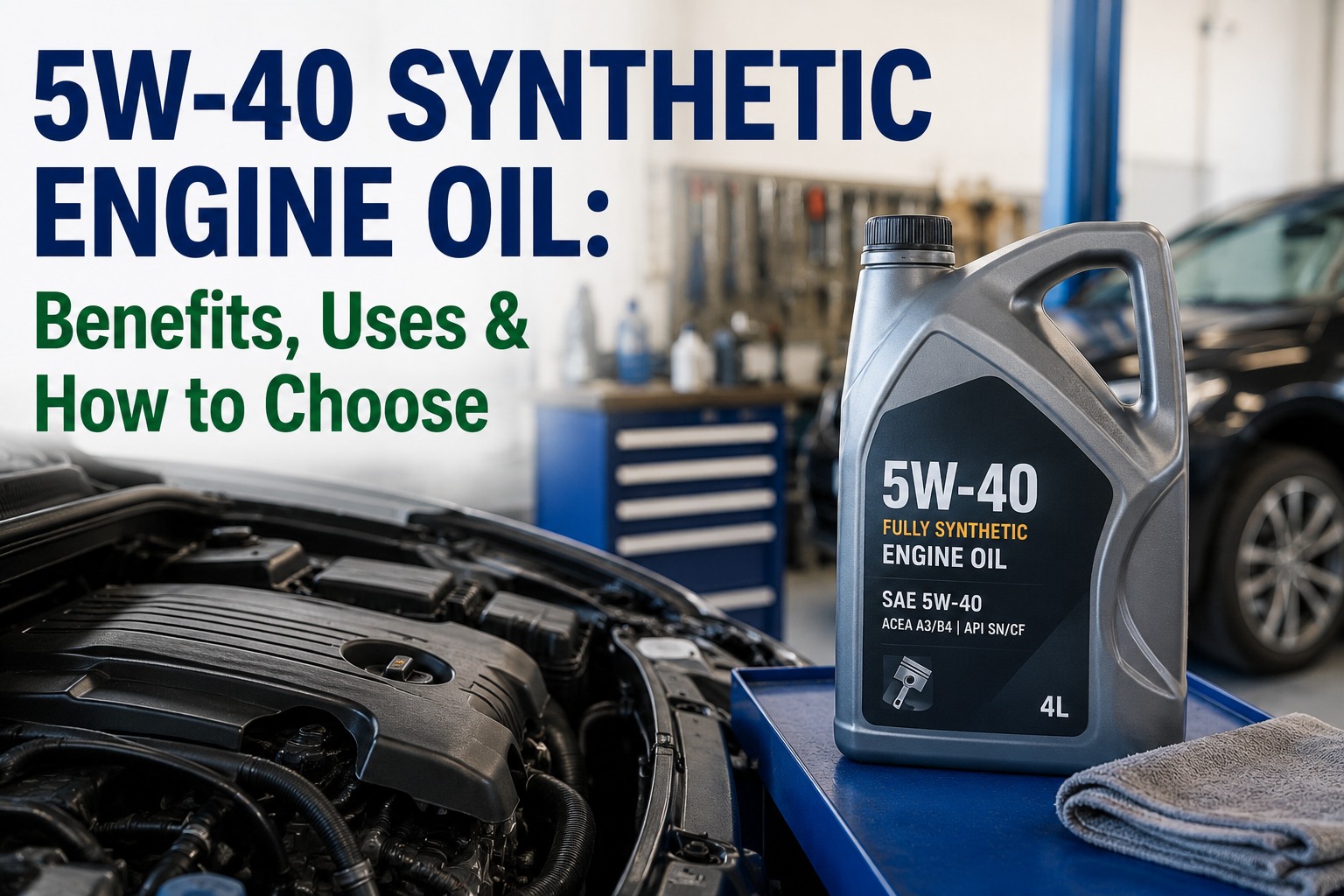
5W-40 synthetic engine oil has become the go-to viscosity grade for modern diesel and gas fleets, delivering reliable cold-start protection, sustained high-temperature film strength, and extended drain intervals that reduce total cost of ownership. Unlike conventional 15W-40, full synthetic 5W-40 flows faster at sub-zero temperatures, protecting turbochargers and bearings during the critical first seconds of ignition while maintaining stable viscosity under heavy load. For maintenance teams managing dozens or hundreds of assets, transitioning to a synthetic motor oil program requires disciplined tracking of specifications, oil analysis results, and extended drain intervals — exactly the kind of structure OxMaint delivers. Ready to eliminate spreadsheets and standardize your fleet oil change workflows? Start Free Trial today.
Is your fleet bleeding cash on outdated oil drain intervals?
A 150-truck fleet switching to 5W-40 synthetic oil with validated extended drains can save $40K+ annually in labor, filters, and downtime — but only if the CMMS tracks every spec, sample, and hour meter flawlessly.
Why 5W-40 synthetic oil outperforms conventional grades
Full synthetic 5W-40 is engineered with highly refined base stocks and advanced additive packages that resist thermal breakdown, sludge formation, and oxidation. For fleet managers, this translates to measurable gains in engine longevity, fuel economy, and uptime.
Cold-Start Protection
The "5W" rating means the oil pumps to critical components up to 3x faster than 15W-40 at -20°C. This minimizes dry-start wear on turbochargers, camshafts, and bearings — the leading cause of premature engine failure in cold-climate operations.
Extended Drain Intervals
Premium diesel synthetic oil maintains its Total Base Number (TBN) and viscosity longer, enabling drains of 25,000–40,000 miles when supported by used-oil analysis, versus 10,000–15,000 miles for conventional oil.
Turbocharger Protection
Modern fleet engines run hotter boost pressures. 5W-40 synthetic resists thermal degradation at sump temperatures exceeding 110°C, preventing coked oil deposits in turbo bearings and preserving charger efficiency.
Fuel Economy Gains
Lower internal friction from uniform synthetic molecular structures yields 1–3% better fuel economy. Across a 150-asset fleet driving 80K miles annually, that adds up to thousands of dollars saved per year.
5W-40 vs 15W-40: Which is right for your fleet?
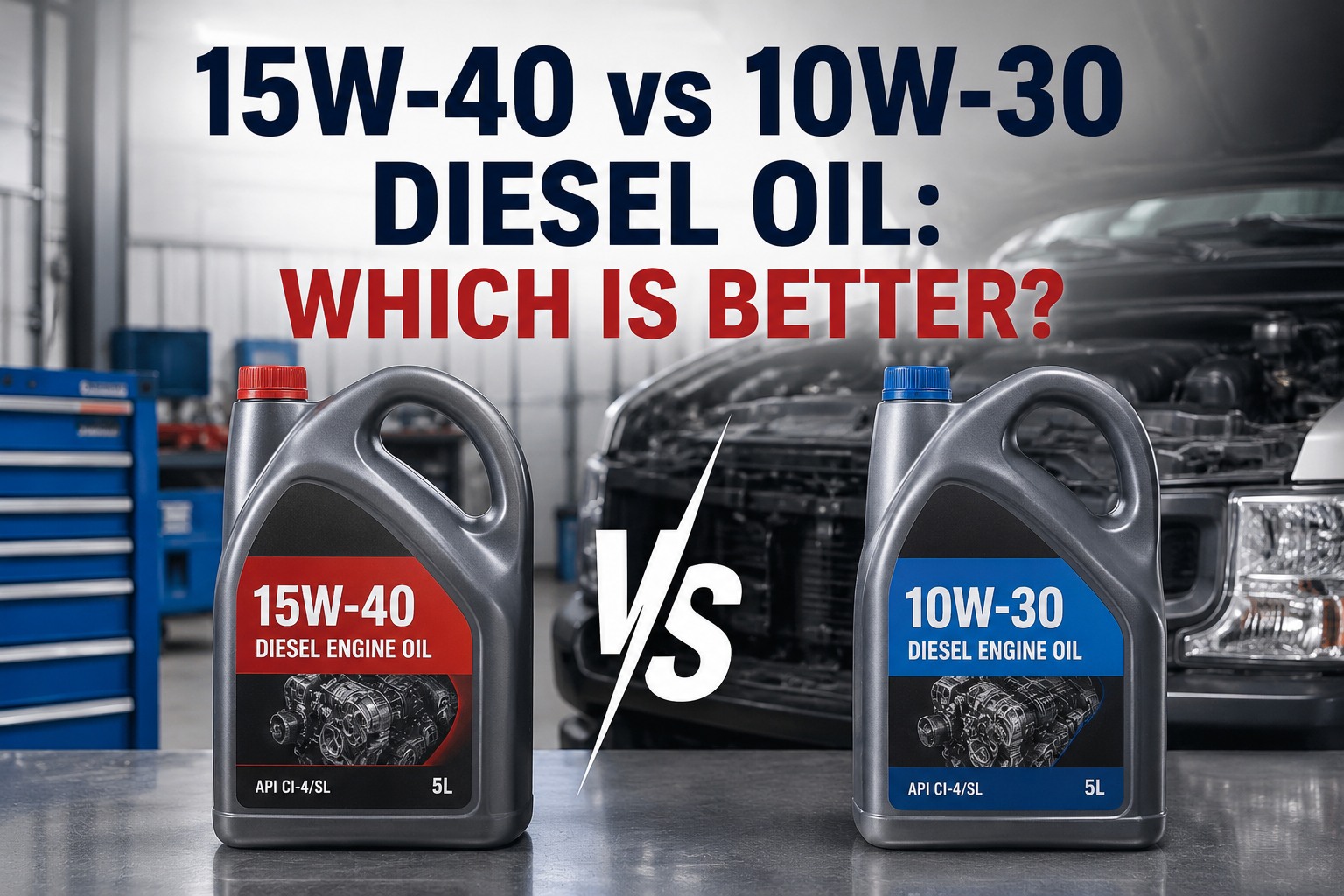
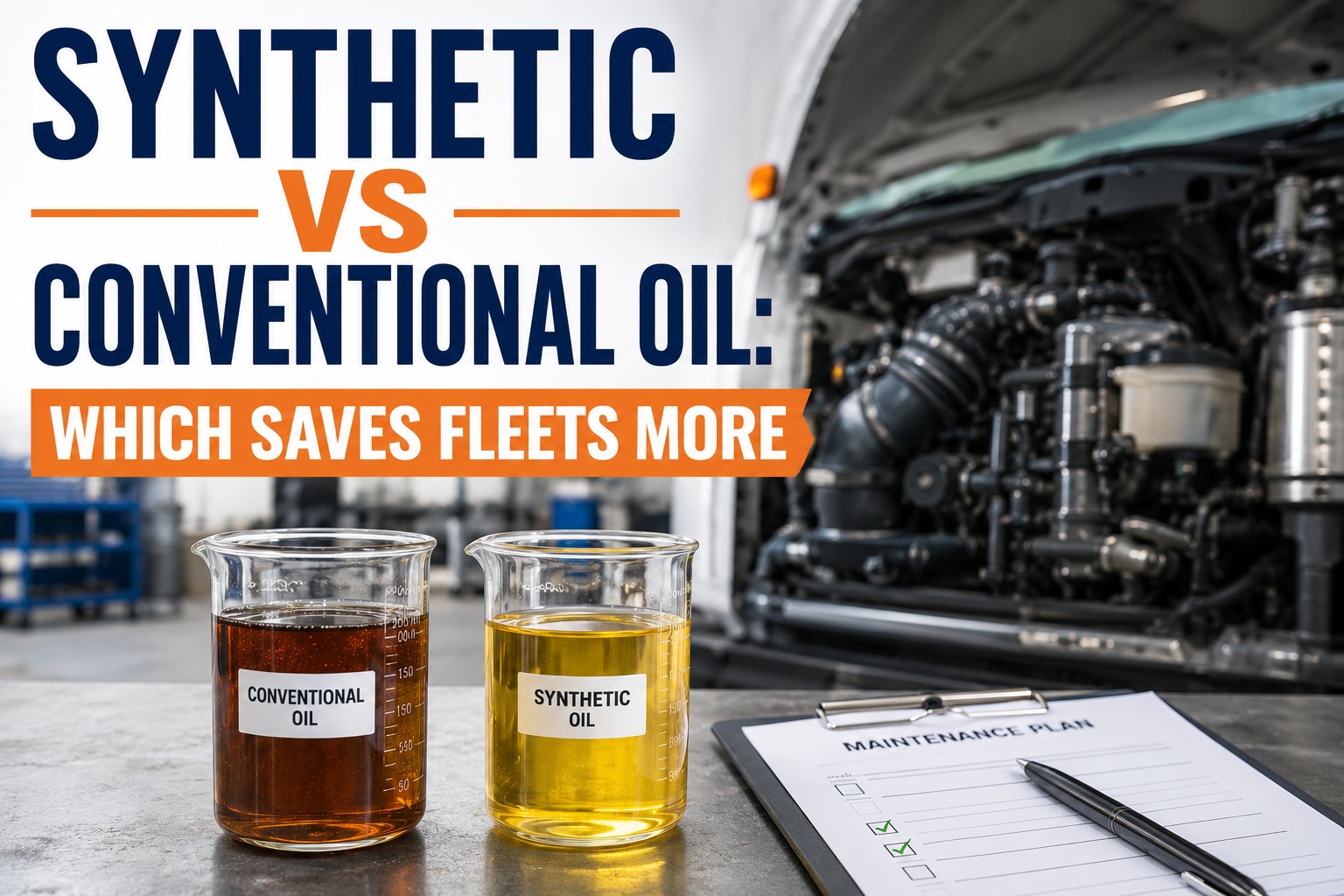
The debate between 5W-40 synthetic and traditional 15W-40 comes down to operating environment, engine design, and maintenance capabilities. Use this comparison to justify your specification strategy.
| Performance Metric | 5W-40 Synthetic Oil | 15W-40 Conventional |
|---|---|---|
| Cold Flow Temp (pumping) | -30°C | -15°C |
| Typical Drain Interval | 25,000–40,000 mi | 10,000–15,000 mi |
| Thermal Stability at 100°C+ | Excellent | Moderate |
| Sludge & Deposit Control | Superior (API SP/CK-4) | Adequate |
| Cost per Gallon | Higher ($28–$38) | Lower ($14–$20) |
| Total Cost of Ownership | Lower (fewer changes) | Higher (labor & downtime) |
Synthetic oil is too expensive and leaks past older engine seals, making it a risky investment for high-mileage fleet assets.
Modern full synthetic 5W-40 is fully compatible with current seals. The upfront cost is offset by 2x longer drains, cutting labor, filters, and unplanned downtime by 20–30%.
How to implement an extended oil drain interval safely
Pushing drain intervals beyond OEM minimums requires defensible data. Skipping oil analysis or relying on paper logs invites engine failures and voided warranties. Follow this structured timeline to transition safely.
Asset & Specification Mapping
Log every engine's current mileage, hour meter, OEM oil spec, and current viscosity. Upload all asset data into OxMaint to establish a digital twin of your fleet's lubrication baseline.
Used Oil Analysis Program
Pull samples at standard intervals. Track wear metals (iron, aluminum, copper), TBN, and soot levels. OxMaint's CMMS workflows auto-trigger lab submissions and flag abnormal trends instantly.
Extend Drain Intervals
If analysis confirms healthy oil conditions, extend drains by 5,000-mile increments. Auto-generate PM work orders in OxMaint tied to each asset's specific validated mileage.
Document & Scale
Generate audit-ready reports proving the ROI of your 5W-40 synthetic program. Use the data to scale the transition across the entire fleet with full confidence and compliance.
The cost of NOT tracking your synthetic oil program
A 180-asset plant running a mixed fleet spends an average of $42,000 annually on oil, filters, and labor using traditional 15W-40 at 12,000-mile intervals. Moving to 5W-40 synthetic without CMMS tracking risks missed drains and failed engines. Moving with OxMaint unlocks measurable ROI.
| Cost Category (150 Assets) | 15W-40 / Reactive (Annual) | 5W-40 / OxMaint (Annual) | Savings |
|---|---|---|---|
| Oil & Fluids | $18,000 | $22,500 | -$4,500 |
| Labor (Technician Hours) | $15,000 | $6,500 | $8,500 |
| Filters & Disposal | $9,000 | $4,000 | $5,000 |
| Downtime (Unplanned Failures) | $25,000 | $8,000 | $17,000 |
| Total Annual Cost | $67,000 | $41,000 | $26,000 |
Manage your 5W-40 synthetic oil program with OxMaint
Transitioning to full synthetic oil is only half the battle. To realize the cost savings of extended drain intervals, you need an AI-powered CMMS that enforces specs, tracks fluid analysis, and documents compliance automatically.
Specification Tracking
Assign precise 5W-40 synthetic oil specs by API category to individual assets. Technicians see exact requirements on every mobile work order, eliminating fluid mixing errors and warranty risks.
Oil Analysis Workflow
Auto-trigger used-oil sampling at PM completion. OxMaint ingests lab data, plots wear-metal trends, and uses AI to predict bearing or cylinder failures before they cause roadside breakdowns.
Extended Drain Validation
Dynamically adjust PM triggers based on validated hour meters and lab results. Cut unnecessary fleet oil changes by 35% while maintaining FMCSA and OEM audit readiness with digital logs.
Spare-Parts Inventory
Link specific oil filters and 5W-40 fluid SKUs to asset PMs. OxMaint tracks stock levels in real-time, auto-generates reorder points, and ensures the right parts are on the shelf before the work order drops.
Switching to 5W-40 synthetic saved us money on paper, but OxMaint is what actually saved us money on labor. The AI flags oil analysis trends we used to miss. We cut our annual PM labor by 30% and eliminated three unplanned engine replacements last year alone.
See how OxMaint tracks every drop of your synthetic oil program
Stop guessing with spreadsheets. Book a 30-minute demo and see how AI-powered PM scheduling and oil analysis workflows cut your fleet maintenance costs by 20–35%.
5W-40 synthetic oil FAQs
What does 5W-40 mean in engine oil?
The "5W" indicates the oil's winter (cold) viscosity rating, meaning it flows like a grade-5 oil at sub-zero temperatures for fast cold-start protection. The "40" is the operating-temperature viscosity at 100°C, providing a thick enough film to protect heavily loaded bearings and turbochargers. This makes 5W-40 synthetic engine oil ideal for both cold climates and high-temperature turbo-diesel applications.
Can 5W-40 synthetic oil be used in diesel engines?
Yes, 5W-40 is one of the most popular viscosity grades for modern diesel engines. Most premium diesel synthetic oil products meet API CK-4 or FA-4 specifications and are backward compatible with older CJ-4 requirements. Always verify the specific OEM requirement for your engine, which you can track permanently using a CMMS like OxMaint — Book a Demo to see how.
How many miles does 5W-40 synthetic oil last?
Depending on the engine, duty cycle, and oil analysis results, 5W-40 synthetic oil can safely last 25,000 to 40,000 miles in heavy-duty diesel applications. This is roughly double the 10,000–15,000 mile interval of conventional 15W-40. However, extending drain intervals should always be validated through a used-oil analysis program to monitor TBN, soot, and wear metals.
Is 5W-40 better than 15W-40 for fleet operations?
For fleets operating in varying climates or running modern turbocharged engines, 5W-40 offers superior cold-start protection, better fuel economy, and longer drain intervals. While 15W-40 has a lower upfront cost per gallon, the total cost of ownership for 5W-40 is typically lower due to reduced labor, fewer filter changes, and decreased downtime.
How do I track extended oil drain intervals across a fleet?
Tracking extended drains requires linking each asset's hour meter or odometer to its specific validated interval, logging used-oil analysis results, and automatically triggering PM work orders. OxMaint handles this natively — standardizing specs, alerting you to abnormal lab results, and proving compliance. You can Start Free Trial to migrate your fleet data today.
Ready to modernize your fleet maintenance?
Join the maintenance & reliability teams using OxMaint to cut unplanned downtime, enforce synthetic oil specs, and drive measurable ROI.
Free 14-day trial · No credit card