
A regional logistics company operating 156 trucks discovered they were losing $847,000 annually to fuel waste—unauthorized fueling, excessive idling, inefficient routes, and poorly maintained engines burning more fuel than necessary. Their fuel tracking consisted of credit card receipts reconciled monthly, making it impossible to identify problems until thousands of dollars had already been lost. After implementing Oxmaint with telematics integration, they reduced fuel costs by 17% in the first year through real-time consumption monitoring, automated waste detection, and maintenance-driven efficiency improvements.
Fuel represents 25-35% of total fleet operating costs—second only to driver wages in most operations. Yet many fleet managers lack visibility into actual consumption patterns, relying on aggregate fuel card data that arrives too late for intervention. Modern telematics captures granular fuel data from every vehicle in real-time, but this data delivers value only when integrated with maintenance systems that connect consumption anomalies to their mechanical causes. Schedule a consultation to discuss fuel management capabilities for your fleet.
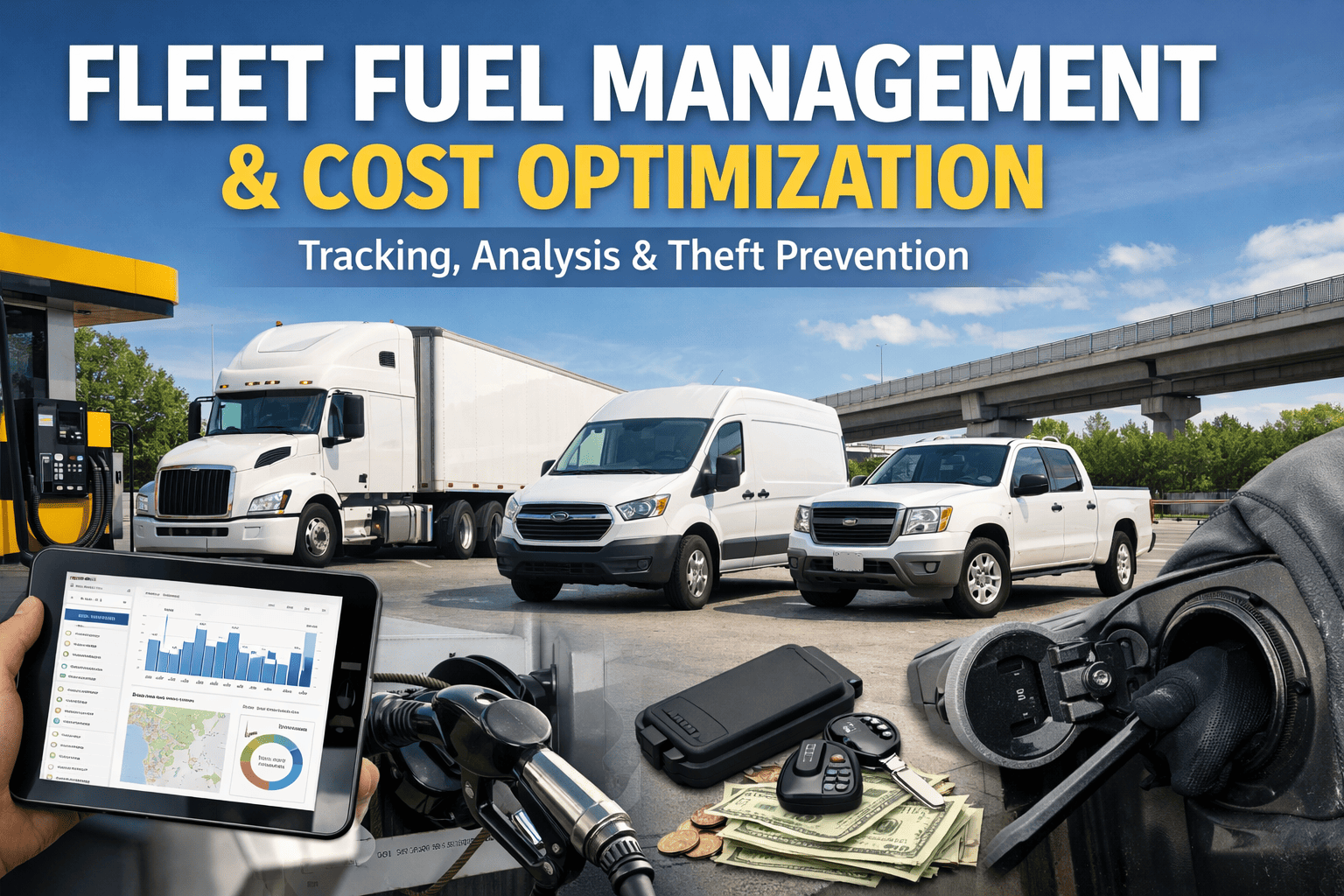
Fuel Management & Fleet Maintenance: Optimize Costs with CMMS & Telematics
Comprehensive strategies for tracking fuel consumption, detecting waste, and connecting maintenance practices to fleet fuel efficiency.
The Fuel Visibility Problem
Most fleets lack the data granularity needed to identify and address fuel waste sources.
Delayed Reporting
Fuel card statements arrive weekly or monthly. By the time managers see consumption data, the opportunity to investigate anomalies has passed—drivers don't remember specifics, and conditions have changed.
Aggregate Data Only
Total gallons purchased tells you nothing about which vehicles consume more than expected, which routes waste fuel, or which drivers exhibit inefficient behaviors. Averages hide the outliers where savings exist.
No Maintenance Link
Fuel systems and maintenance systems operate separately. When a vehicle's fuel efficiency drops 12%, nobody connects it to the clogged air filter, failing injector, or tire pressure issue causing the problem.
Theft Goes Undetected
Fuel theft—siphoning, unauthorized vehicle use, fuel card fraud—often continues for months before aggregate data reveals the loss. By then, significant money has disappeared without accountability.
Telematics Fuel Tracking
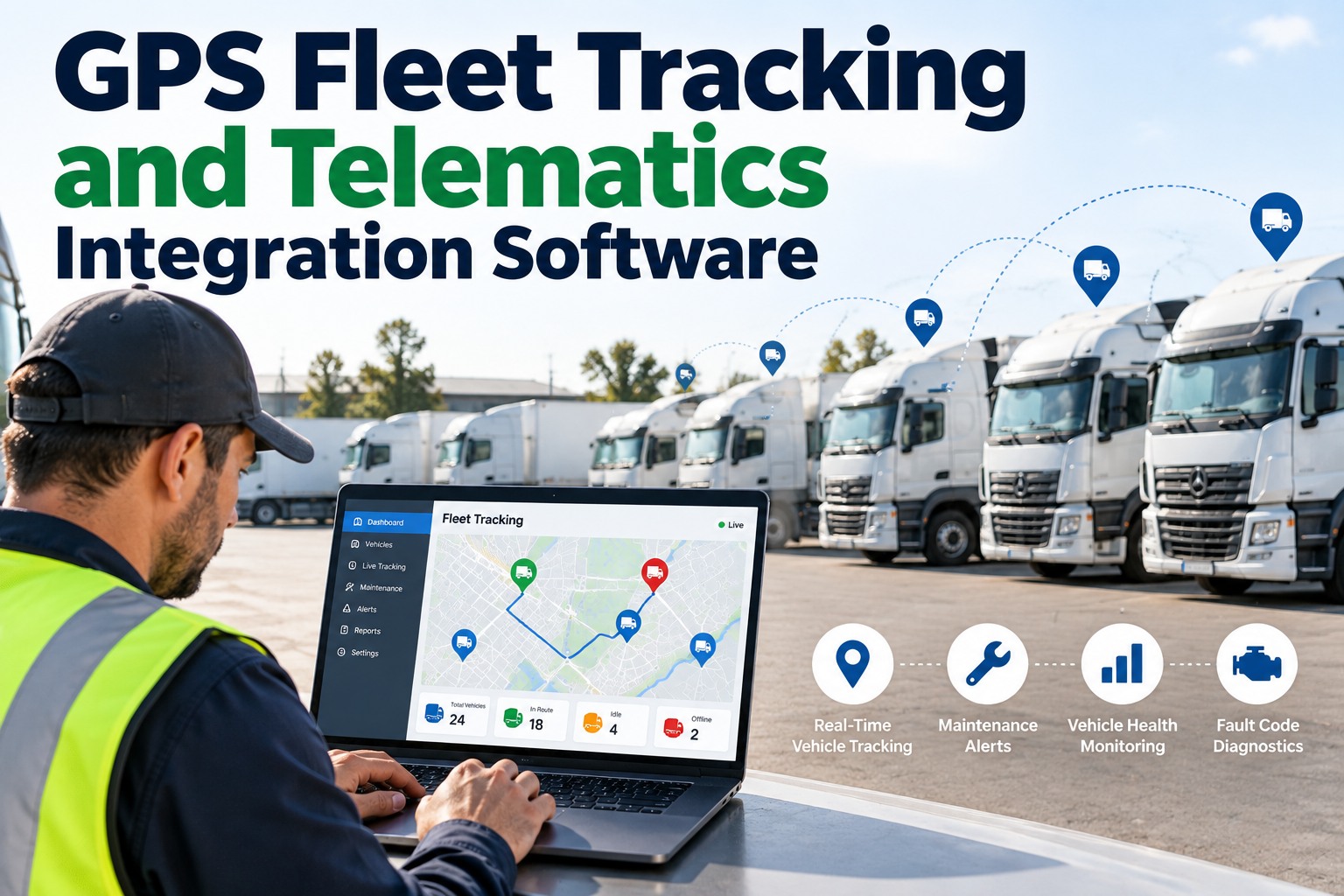
Oxmaint integrates with major telematics platforms to capture comprehensive fuel data from every vehicle.
Real-Time Consumption
Fuel level sensors report tank status continuously. Combined with odometer data, the system calculates actual MPG for every trip segment—not just averages across fill-ups.
Idle Time Monitoring
Telematics tracks engine-on stationary time separately from driving time. Excessive idling—warming up, waiting at docks, running AC while parked—burns fuel with zero productive miles.
Fill Event Verification
Fuel level jumps correlate with fuel card transactions. Mismatches indicate problems—gallons purchased don't match gallons received, suggesting theft, spillage, or card fraud.
Driver Behavior Scoring
Hard acceleration, aggressive braking, and excessive speed all increase fuel consumption. Telematics scores each driver, identifying coaching opportunities that improve efficiency.
See Every Gallon Across Your Fleet
Oxmaint's telematics integration captures real-time fuel data from every vehicle, connects consumption anomalies to maintenance needs, and provides the visibility fleet managers need to eliminate waste. Stop relying on monthly fuel card statements—start managing fuel costs with data you can actually act on.
Fuel Waste Detection
Automated alerts identify waste sources before small problems become large losses.
Fuel Level Drops
Unexplained fuel level decreases when vehicles are parked trigger immediate alerts. GPS confirms location while fuel sensor shows tank draining—evidence of siphoning or unauthorized use.
MPG Degradation
When a vehicle's fuel efficiency drops below its historical baseline or fleet average, the system flags it for maintenance review. Degradation often indicates mechanical issues that worsen without intervention.
Excessive Idling
Vehicles exceeding idle time thresholds generate driver coaching alerts. A truck idling one hour daily at 0.8 gallons per hour wastes over $1,200 annually—multiplied across a fleet, this adds up quickly.
Transaction Mismatch
Fuel card charges that don't match vehicle fill events indicate potential fraud—card used for personal vehicles, overcharging by attendants, or phantom transactions. System flags discrepancies for review.
Maintenance Impact on Fuel
Oxmaint connects fuel efficiency to maintenance conditions that directly affect consumption.
Tire Pressure
Underinflated tires increase rolling resistance and fuel consumption. Every 1 PSI below optimal costs approximately 0.3% in fuel efficiency. Fleet-wide, improper tire pressure represents significant waste.
Air Filter Condition
Clogged air filters restrict airflow, causing engines to run rich and burn more fuel. Diesel engines are particularly sensitive—dirty filters can reduce fuel economy noticeably within weeks.
Fuel System Health
Worn injectors, faulty oxygen sensors, and fuel pump issues all degrade combustion efficiency. These problems worsen gradually—small efficiency losses compound into significant cost increases.
Wheel Alignment
Misaligned wheels create drag that engines must overcome, burning extra fuel with every mile. Alignment issues also cause uneven tire wear, compounding costs through premature tire replacement.
Driver Efficiency Programs
Driver behavior accounts for up to 33% of fuel consumption variation between vehicles in the same fleet.
Efficiency Scorecards
Telematics data feeds individual driver scorecards showing MPG performance, idle time, and driving behavior metrics. Drivers see how they compare to fleet averages and top performers, creating healthy competition.
Targeted Coaching
Specific behavior alerts enable focused coaching conversations. Instead of generic "drive more efficiently" guidance, managers address concrete issues—"Your idle time averaged 47 minutes daily last week."
Incentive Programs
Some fleets tie fuel efficiency to driver compensation or recognition. Top performers receive bonuses, while chronic underperformers face progressive coaching. Data ensures incentives reward actual performance.
Route Optimization
Beyond driver behavior, route selection affects fuel consumption significantly. Telematics data identifies which routes consistently produce better fuel efficiency, enabling smarter dispatching decisions.
Turn Fuel Data into Cost Savings
Every fleet has fuel waste hiding in the data—idling hours, inefficient drivers, maintenance-related consumption increases, and outright theft. Oxmaint surfaces these issues automatically, connects them to corrective actions, and tracks results over time. Most fleets achieve 10-15% fuel cost reduction within the first year of integrated monitoring.
Implementation Steps
Getting started with integrated fuel management follows a straightforward process.
Telematics Assessment
Evaluate current telematics capabilities. Most modern fleet telematics systems capture fuel data—Oxmaint integrates with major platforms including Geotab, Samsara, Verizon Connect, and others. If your vehicles lack telematics, plan installation as part of implementation.
Baseline Establishment
Before making changes, establish baseline metrics—fleet-wide MPG, idle time averages, per-vehicle efficiency ratings, and total fuel costs. You need to know where you started to measure improvement and demonstrate ROI.
Alert Configuration
Configure waste detection alerts appropriate for your operation. Set idle time thresholds, MPG variance triggers, and transaction matching rules. Tune sensitivity to generate actionable alerts without overwhelming managers with noise.
Process Integration
Connect fuel alerts to action workflows. Efficiency degradation should trigger maintenance review. Driver behavior alerts should flow to supervisors for coaching. Theft alerts require immediate investigation protocols. Data without action produces no savings.
Cost Savings Breakdown
Where fuel management savings typically come from in fleet operations.
Behavior Improvement
Reduced idling, smoother acceleration and braking, appropriate speed management. Driver coaching programs consistently deliver the largest share of fuel savings in most fleets.
Maintenance Optimization
Proactive tire pressure management, timely filter replacement, fuel system maintenance, and alignment correction. Keeping vehicles mechanically efficient prevents gradual efficiency loss.
Theft & Fraud Prevention
Eliminating siphoning, unauthorized vehicle use, fuel card fraud, and transaction discrepancies. Many fleets are surprised by how much fuel was disappearing before monitoring.
Route Optimization
Smarter route selection, reduced empty miles, and better load consolidation. Telematics data reveals which routes produce better efficiency for similar trips.
Frequently Asked Questions
Start Saving on Fuel Today
Fuel waste continues every day you operate without visibility. Oxmaint's telematics integration provides real-time consumption monitoring, automated waste detection, and maintenance connection that transforms fuel from an uncontrolled expense into a managed cost center. Most fleets see measurable improvement within 60 days of implementation—and savings compound as you optimize across drivers, vehicles, and routes.


.png)
