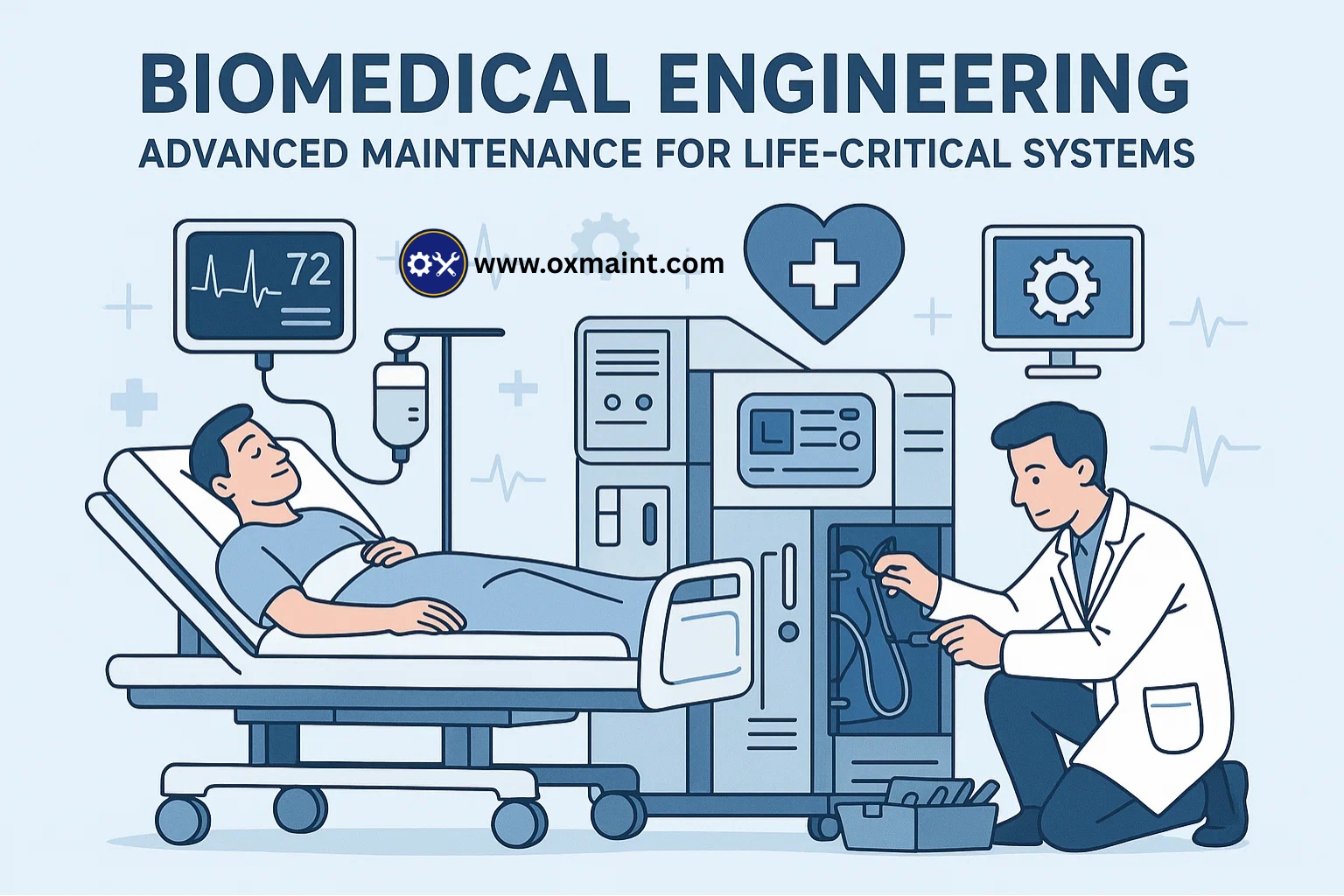
Clinical laboratories across the United States are increasingly relying on robotic automation to improve efficiency, reduce human error, and handle growing testing volumes. However, with sophisticated automation comes the critical need for proper maintenance strategies. For manufacturing professionals involved in laboratory operations, understanding robotics maintenance is essential for maximizing ROI and ensuring continuous operation of these complex systems.
The Critical Role of Robotics in Modern Clinical Labs
Laboratory automation has transformed the healthcare landscape, with robotic systems now handling everything from sample preparation to result analysis. These systems process thousands of samples daily, making their reliability paramount to patient care and operational efficiency.
Manufacturing professionals understand that any automated system requires consistent maintenance to perform optimally. In clinical labs, this becomes even more critical as system failures can directly impact patient diagnoses and treatment decisions.
Common Maintenance Challenges in Laboratory Robotics
Environmental Factors
Clinical laboratories present unique environmental challenges for robotic systems. Temperature fluctuations, humidity variations, and exposure to various chemicals can accelerate wear and tear on mechanical components.
- Temperature Control: Maintaining consistent operating temperatures for sensitive robotics components
- Chemical Exposure: Protecting systems from corrosive substances used in testing procedures
- Contamination Prevention: Ensuring maintenance activities don't introduce contaminants into sterile environments
- Vibration Management: Minimizing mechanical stress from adjacent equipment operations
Complexity and Integration Issues
Modern lab robotics often integrate multiple vendor systems, creating maintenance complexities that require specialized knowledge and coordination between different technical teams.
Preventive Maintenance Strategies for Maximum Uptime
Scheduled Maintenance Protocols
Implementing a comprehensive preventive maintenance program is crucial for laboratory robotics. This approach helps identify potential issues before they result in system failures or costly repairs.
- Daily Inspections: Visual checks of mechanical components, fluid levels, and system alerts
- Weekly Calibrations: Verification of measurement accuracy and system performance parameters
- Monthly Deep Cleaning: Thorough cleaning of all accessible components and replacement of consumables
- Quarterly Assessments: Comprehensive system evaluation including software updates and hardware inspections
- Annual Overhauls: Complete system teardown, component replacement, and performance verification
Documentation and Compliance
Clinical laboratories must maintain detailed maintenance records for regulatory compliance. This documentation also provides valuable data for optimizing maintenance schedules and predicting component lifecycles.
Technology Solutions for Maintenance Management
Predictive Maintenance Technologies
Advanced monitoring systems can analyze equipment performance data to predict maintenance needs before failures occur. This approach is particularly valuable in laboratory settings where unexpected downtime can be costly.
- Vibration Analysis: Monitoring mechanical components for signs of wear or misalignment
- Temperature Monitoring: Continuous tracking of operating temperatures to identify thermal issues
- Performance Analytics: Statistical analysis of system performance trends and patterns
- IoT Integration: Remote monitoring capabilities for real-time system status updates
Maintenance Management Software
Digital maintenance management platforms help laboratories organize schedules, track parts inventory, manage technician assignments, and ensure compliance with regulatory requirements.
Transform Your Laboratory Maintenance Operations
Discover how modern maintenance management solutions can improve your laboratory's efficiency and reduce operational costs. Our platform is specifically designed for US manufacturing and laboratory professionals.
Getting StartedBook a Demo
Cost Considerations and ROI Analysis
Total Cost of Ownership
Understanding the complete financial impact of laboratory robotics maintenance helps manufacturing professionals make informed decisions about equipment investments and maintenance strategies.
- Initial Equipment Investment: Purchase price and installation costs for robotic systems
- Ongoing Maintenance Costs: Regular service, parts replacement, and labor expenses
- Downtime Costs: Lost productivity and potential revenue impact from system failures
- Training Expenses: Staff education and certification requirements for maintenance personnel
Measuring Maintenance ROI
Effective maintenance programs typically show positive returns through reduced downtime, extended equipment life, and improved operational efficiency. Key metrics include mean time between failures (MTBF), maintenance cost per sample processed, and overall equipment effectiveness (OEE).
Conclusion
Laboratory automation represents a significant investment for healthcare organizations, and proper maintenance is essential for realizing the full benefits of these sophisticated systems. Manufacturing professionals involved in laboratory operations must develop comprehensive maintenance strategies that balance cost-effectiveness with reliability requirements.
The key to successful laboratory robotics maintenance lies in combining traditional preventive maintenance practices with modern predictive technologies and digital management tools. By implementing these strategies, laboratories can achieve higher uptime, reduce operating costs, and ensure consistent performance that supports quality patient care.
As laboratory automation continues to evolve, maintenance strategies must adapt to incorporate new technologies and changing operational requirements. Organizations that invest in robust maintenance programs today will be better positioned to leverage future innovations in laboratory robotics and automation.
Ready to Optimize Your Laboratory Maintenance?
Join thousands of US manufacturing professionals who trust our maintenance management platform to keep their operations running smoothly. Get started today with a free consultation.
Getting StartedBook a Demo