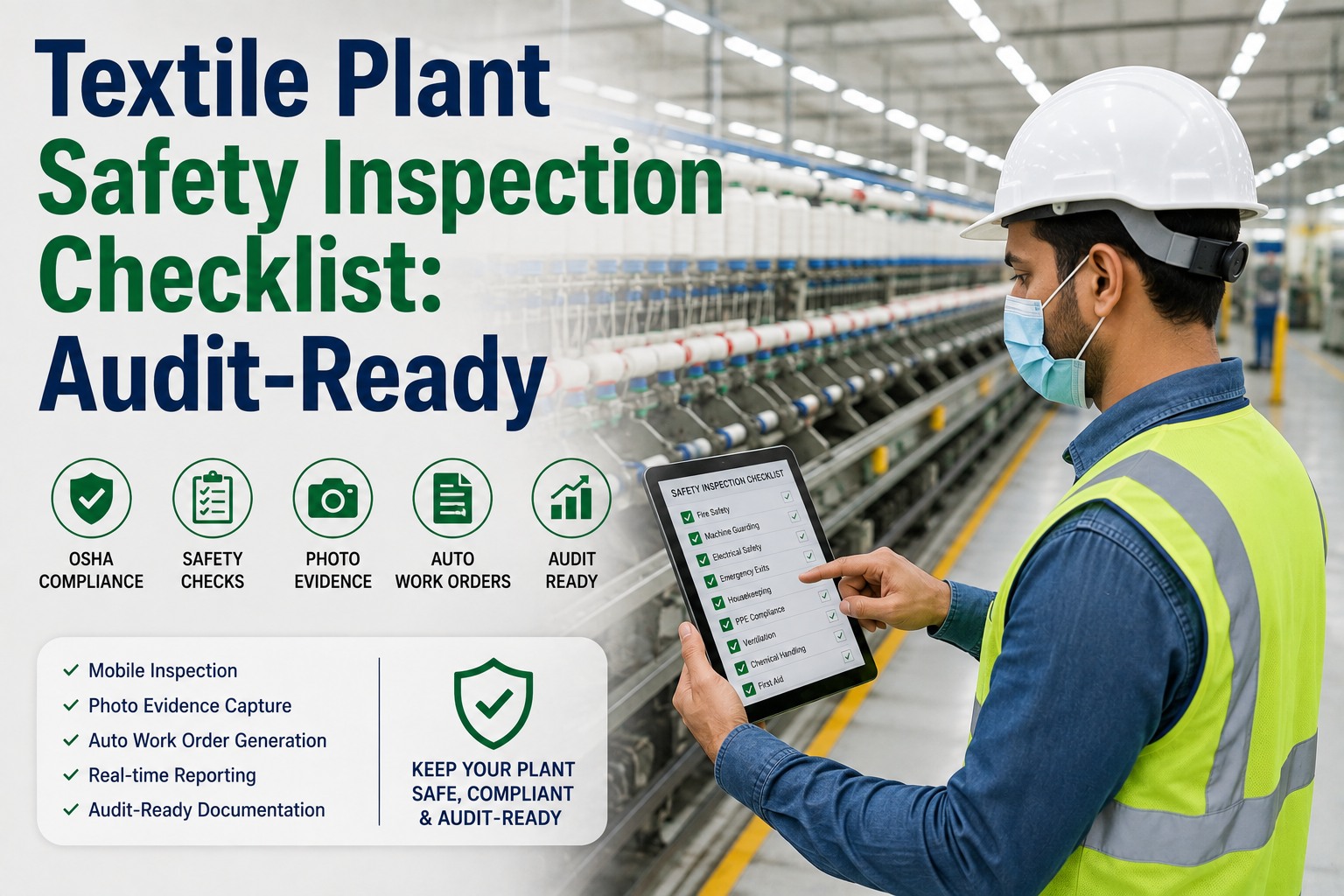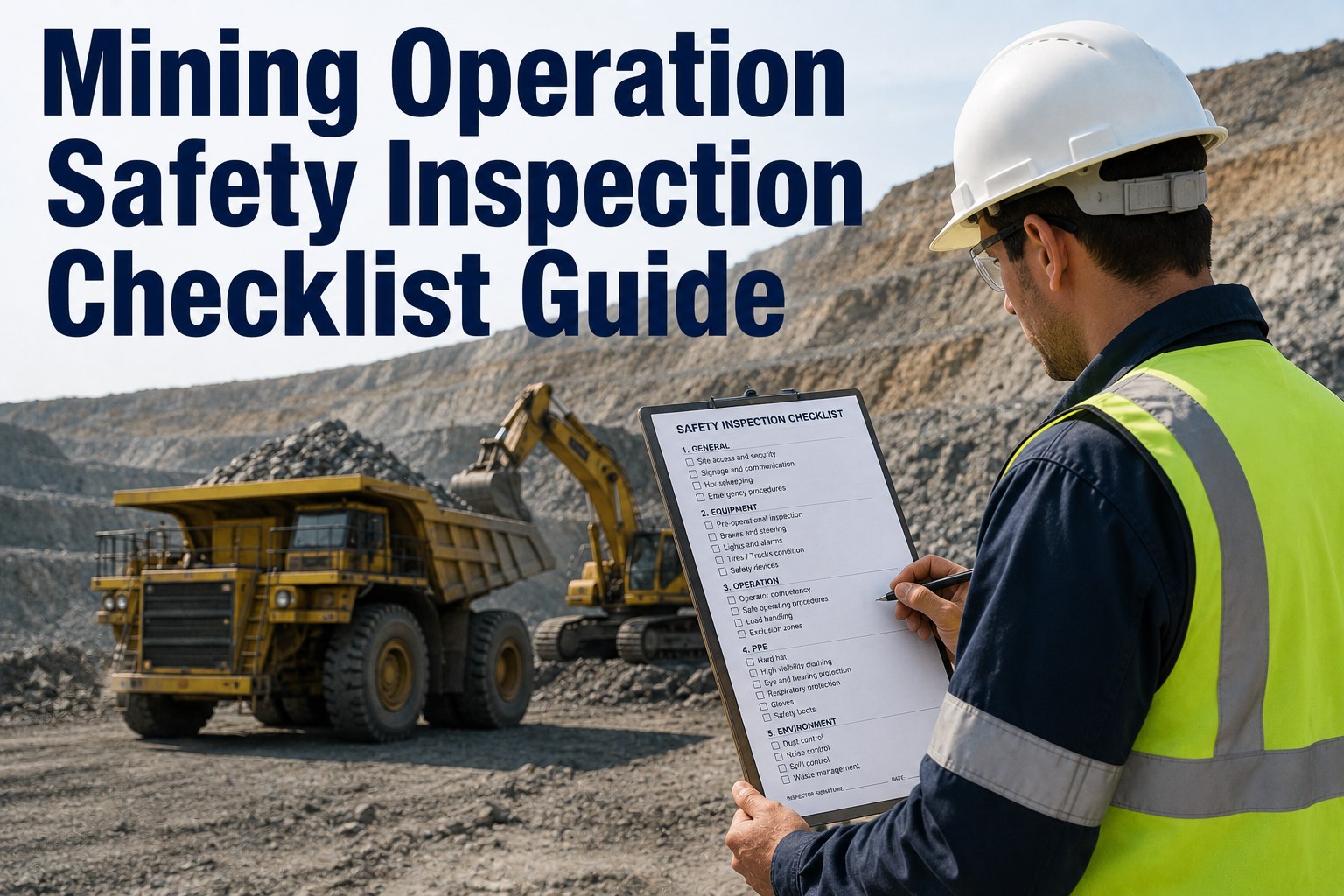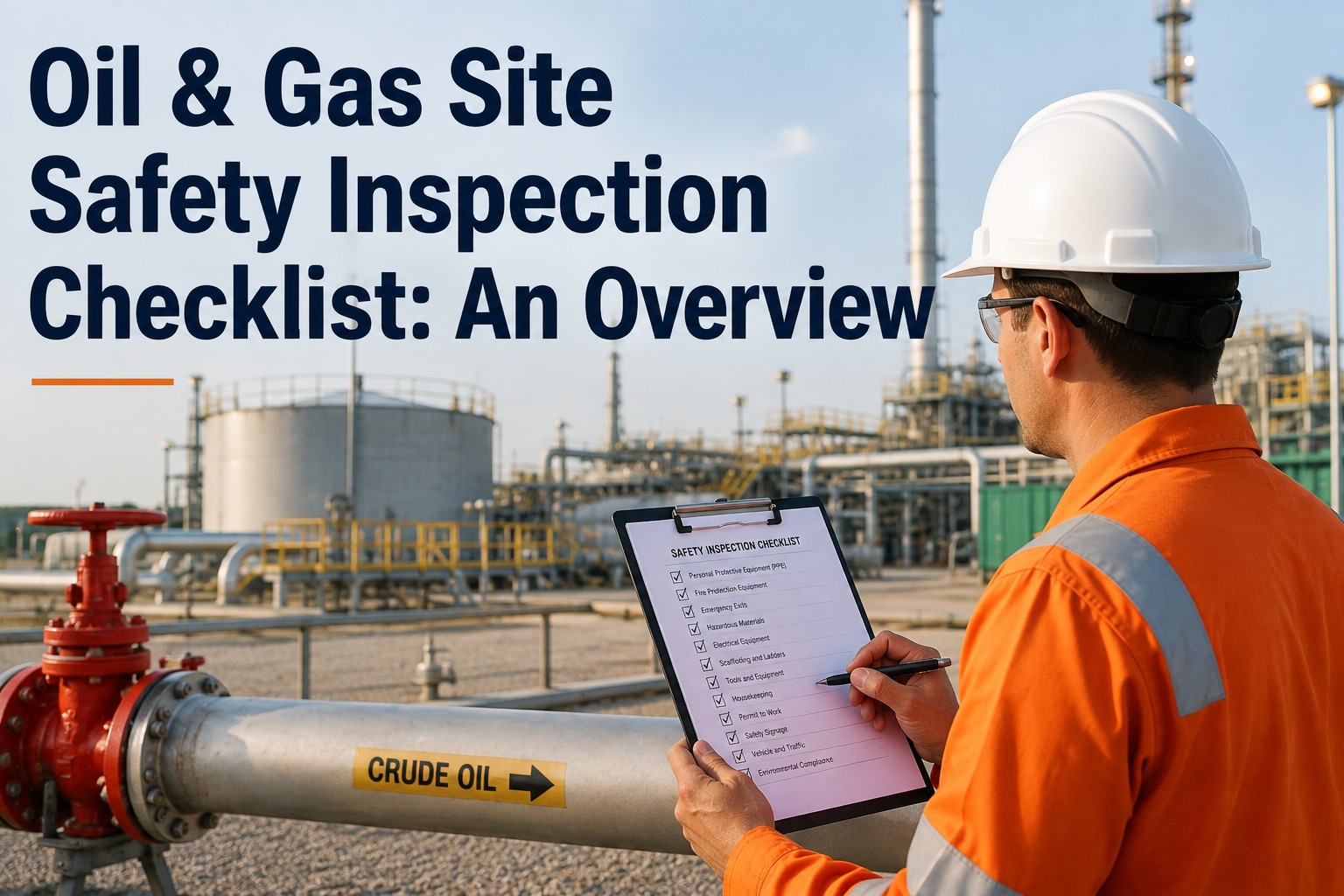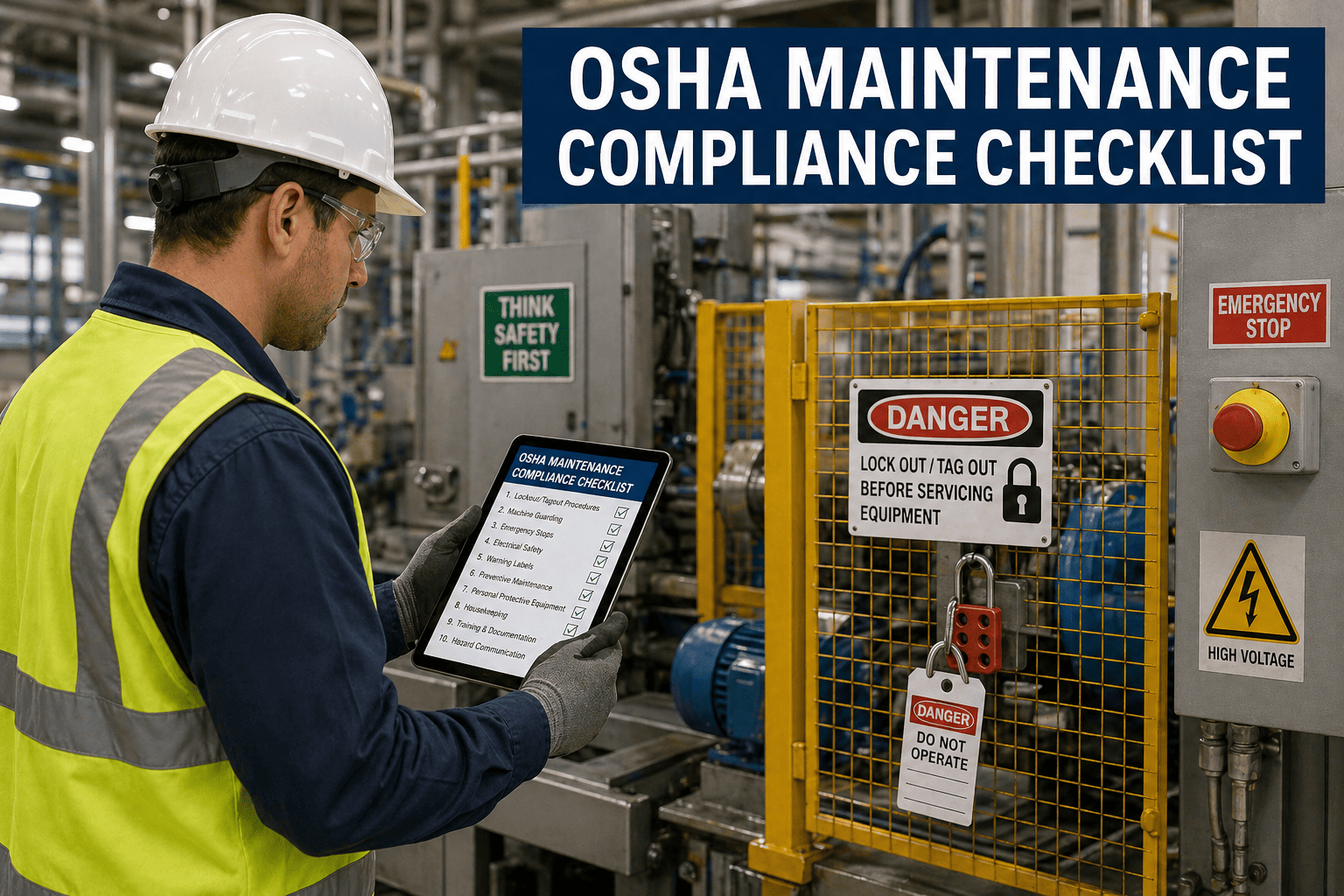
Pre-pour concrete inspection is the single most consequential quality control step in structural concrete construction. Once the truck backs up and the pour starts, every mistake in the formwork, every miscount on the rebar, every missing embed becomes cast in — literally — and correcting it means either accepting a defect or breaking out and starting over. The Concrete Reinforcing Steel Institute finds that rebar placement errors alone account for approximately 30% of all structural concrete deficiencies. ACI 301-20 (Specifications for Structural Concrete) and ACI 318-19 (Building Code Requirements for Structural Concrete) define what right looks like — with ACI 117 setting the geometric tolerances (±1/2" for walls, ±3/8" for slabs), ACI 318 specifying minimum rebar cover (3" for earth-cast, 1.5" for weather-exposed, 3/4" for interior slabs), and OSHA 29 CFR 1926.700–703 governing the safety envelope during placement. Below is the working pre-pour inspection checklist — six standard categories aligned to ACI 301, pass/fail criteria per item, and the mobile-first workflow that turns every check into timestamped photo-verified evidence for the audit file. A typical pre-pour inspection runs 20 to 30 minutes per pour and produces the sign-off record every jurisdiction now expects to see. Start free and run digital pre-pour inspections on your next placement this week, or book a demo to see the ACI 301 workflow, photo evidence, and e-signature audit trail mapped to your project.
Construction QA · ACI 301-20 / 318-19 · OSHA 29 CFR 1926.700 · 2026
Pre-Pour Concrete Inspection Checklist: An Overview
The complete pre-pour inspection procedure — six categories aligned to ACI 301, pass/fail criteria per item, mandatory documentation points, and the mobile-first workflow that produces timestamped photo evidence and e-signature sign-off for every pour. From site prep to concrete acceptance, and audit-ready every step.
-
30%
of structural concrete deficiencies traced to rebar placement errors (CRSI)
-
ACI 301
the governing spec for structural concrete — plus ACI 318, 117, 347
-
20–30 min
typical pre-pour inspection time per placement (ACI Certified Inspector)
-
6
standard inspection categories every pre-pour must cover
The Governing Framework
The Standards That Actually Apply
Pre-pour inspection is not opinion — it is a compliance exercise against a defined stack of standards. Below is the working reference stack every US superintendent, QC inspector, and structural engineer should have at hand during pre-pour walk-down.
Specifications for Structural Concrete
The master construction specification. Sections covering formwork (Sec 2), reinforcement (Sec 3), concrete mixtures (Sec 4), production/placing (Sec 5), and joints/embeds. Updated 2020 to align with ACI 318-19 Chapter 26 reorganisation.
Building Code Requirements
The design-side code the specification implements. Chapter 20 (steel reinforcement), Chapter 25 (reinforcement detailing — bar spacing, development, hooks, splices), Chapter 26 (construction documents and inspection — unified in 2019 revision).
Tolerances for Concrete Construction
Geometric tolerance reference. ±1/2" for walls, ±3/8" for slabs, ±1/4" for cross-sectional dimensions of structural members. The threshold above which a form dimension becomes a failed inspection item.
Formwork Guide
Formwork design, construction, and — critically — removal times. Walls and columns 12 hrs minimum; slabs 3–7 days; beams and joists 7–14 days depending on span and loading. Pre-pour inspection verifies the formwork is fit for the load about to be placed on it.
Concrete & Masonry Construction
Federal safety requirements during placement — Subpart Q. Formwork bracing, protruding rebar caps, cast-in-place shoring, precast erection safety. The safety envelope wrapped around the ACI quality envelope.
Ready-Mixed Concrete Delivery
Governs the delivery ticket that must be reviewed at every pour — mix design ID, time batched, water added, temperature, air entrainment, plant certification. The pour cannot proceed if the ticket does not match the specified mix.
The Six Inspection Categories
Every Pre-Pour Inspection Covers These Six Areas
Standard pre-pour inspection practice — and the audit expectation — is a six-category walk-down: sub-foundation, formwork, reinforcement, embedments, safety envelope, and mix specifications. Each category has specific pass/fail items, each item requires photo evidence, and each category requires sign-off before the truck arrives. Below is the working category structure with the priority checks in each.
Sub-Foundation & Site Prep
- Sub-grade compacted to spec, moisture verified
- Vapor barrier in place, laps and penetrations sealed
- Excavation dimensions match drawings within tolerance
- All debris, standing water, ice removed from placement area
- Underslab utilities (plumbing, electrical, mechanical) tied off and protected
Formwork & Shoring
- Forms aligned to drawing dimensions within ACI 117 (±1/2" walls, ±3/8" slabs)
- Forms braced and tied to resist concrete pressure and vibration load
- Shores plumb and sized per shoring plan; re-shoring in place for multi-story pours
- Bond-breaker applied to all form surfaces per ACI 301 Sec 2
- Form ties positioned per drawings; water-stop ties where specified
- Formwork designed by licensed design engineer where required (ACI 301-20)
Reinforcement (Rebar)
- Bar size, grade, and spacing match drawings (30% of defects live here — verify carefully)
- Minimum cover per ACI 318: 3" earth-cast, 1.5" weather-exposed, 3/4" interior slabs
- Lap splices meet development length per ACI 318 Chapter 25
- All bars securely tied at intersections; no loose ties
- Rebar free of rust scale, oil, mud, ice, or bond-inhibiting contaminants
- Chairs and supports installed to maintain cover during placement
Embedments & Openings
- Anchor bolts positioned per drawings, projection verified
- Embed plates aligned and braced against displacement during pour
- Sleeves, box-outs, and openings installed per drawings
- Waterstops continuous and properly lapped at joints
- Post-tension ducts routed per shop drawings, anchors verified
Safety Envelope (OSHA 1926.700)
- Protruding rebar capped or bent to prevent impalement
- Fall protection installed for pours > 6 ft elevation
- Access ladders and safe walking surfaces around pour area
- Placing operations PPE verified — safety glasses, gloves, boots, hi-viz
- Pump truck outrigger placement clear of trench edges and overhead hazards
Mix Specs & Delivery Ticket
- Delivery ticket mix ID matches project spec (per ASTM C94)
- Time batched verified — 90 minutes or 300 revolutions maximum from batching
- Water added at site logged (adjusts w/c ratio — record required)
- Slump test performed per truck; result within specified range
- Air content verified for exterior / freeze-thaw exposure classes
- Cylinder set cast per ASTM C31 — labeled with truck ID, location, and pour date
The Documentation Bar
Every Item, Every Photo, Every Signature — In One Timestamped Record
Paper checklists get lost, photos live in someone's phone camera roll, and sign-offs are done in pen after the fact. Modern jurisdictions expect timestamped digital evidence — check completion time, GPS location, inspector identity, and photo capture for every failed or borderline item. Oxmaint runs pre-pour inspection as a mobile-first workflow: checklist on the phone, photo capture per item, e-signature from superintendent and structural engineer's rep, and an immutable audit trail linked to the specific placement number. The next audit becomes a filter query, not a scramble through binders.
Rebar Cover Reference
ACI 318 Minimum Cover — the Number That Fails Most Audits
Insufficient rebar cover is one of the most common — and most consequential — pre-pour findings. Cover protects reinforcement from corrosion, fire, and bond loss. Below is the working minimum cover reference from ACI 318 Chapter 20, sorted by exposure category. Verify with a cover meter before every pour, not just visually.
| Exposure Condition | Member Type | Min Cover | ACI 318 Reference | Verification Method |
|---|---|---|---|---|
| Cast against & permanently exposed to earth | Any | 3 in | 20.5.1.3(a) | Direct measurement, cover meter |
| Exposed to earth or weather (#6 bar & larger) | Walls, footings | 2 in | 20.5.1.3(b) | Cover meter, spot chair check |
| Exposed to earth or weather (#5 bar & smaller) | Walls, footings | 1.5 in | 20.5.1.3(b) | Cover meter, spot chair check |
| Interior — not exposed to weather/earth | Slabs, walls, joists | 0.75 in | 20.5.1.3(c) | Visual verify, spot measure |
| Interior — not exposed to weather/earth | Beams, columns | 1.5 in | 20.5.1.3(c) | Visual verify, spot measure |
| Precast concrete (manufactured under controls) | Various — see 20.5.1.4 | Reduced per table | 20.5.1.4 | Shop QC record |
Digital Workflow
From Paper Checklist to Audit-Ready Digital Record
The pre-pour inspection process is the same regardless of format — six categories, sign-off from superintendent and inspector, ready-for-pour authorisation. What changes with a digital, mobile-first workflow is the evidence trail. Below is the working before-and-after.
Paper Checklist Workflow
- Inspector prints checklist template from the site office
- Walks the pour area with clipboard, pen, and personal phone camera
- Ticks boxes in pen, photos live in inspector's camera roll — no link to checklist
- Signatures collected on paper — legibility variable, dates written by hand
- Sheet scanned back in the trailer at end of day, filed by pour number
- Audit request three months later: search binders, re-associate photos, reconstruct
Result: real inspection was competent; documentation cannot be defended cleanly under audit — and reconstruction consumes days per audit request.
Digital Mobile-First Workflow
- Inspector opens the pre-pour inspection template on Oxmaint mobile
- Each item includes tick, photo capture (GPS + timestamp baked in), and notes
- Failed items auto-generate corrective work orders for the responsible sub
- Superintendent and engineer's rep sign electronically on the phone
- Complete record linked to the pour number — visible to project team in real time
- Audit request: filter by pour number, produce full record in under 30 seconds
Result: same inspection quality, defensible evidence chain, and audit request becomes a filter query — not a two-day reconstruction project.
Built for Construction QA Teams
How Oxmaint Runs the Pre-Pour Programme End to End
-
Templated Checklists
ACI 301 Six-Category Template Ready to Deploy
Pre-configured pre-pour inspection template with all six categories, pass/fail items, ACI standard references, and mandatory photo capture flags. Customise per project or use as shipped.
-
Mobile Photo Capture
GPS + Timestamp Baked In Per Photo
Every photo captured through the app carries GPS location, timestamp, and inspector identity in metadata. Auditor challenge on when or where a photo was taken becomes a non-event.
-
Corrective WO Auto-Fire
Failed Item = Work Order to Responsible Sub
Any failed pass/fail item auto-generates a corrective work order tagged to the responsible subcontractor — with the failure description, photo evidence, and required correction before pour proceeds.
-
E-Signature
Superintendent + Engineer's Rep Sign On-Device
Legally-defensible e-signature capture from the required roles — superintendent, QC inspector, structural engineer's representative — before the pour is authorised. Traceable identity, no legibility questions.
-
Delivery Ticket Attachment
ASTM C94 Ticket Captured per Truck
Each ready-mix delivery ticket photographed and attached to the pour record — mix ID, batch time, water added, slump result, cylinder set reference. Full ASTM C94 traceability per truck.
-
Audit-Ready Retrieval
Filter by Pour, Project, Date in Under 30 Seconds
Every historical pre-pour record retrievable in seconds — filtered by pour number, project, date range, or inspector. The jurisdiction audit becomes a query, not a binder search.
Measured Outcomes
What Digital Pre-Pour Programmes Deliver
-
30 sec
Audit Record Retrieval
Filter by pour number and produce the full inspection record — every check, every photo, every signature — in the time it takes to type the pour ID.
-
-30%
Rebar Defects Caught Pre-Pour
Structured digital pre-pour catches rebar placement errors that account for 30% of concrete deficiencies — before they get cast in and become expensive to remediate.
-
100%
Photo-Verified Sign-Off
Every pass/fail item photo-verified with GPS and timestamp in metadata. No more "was that photo from this pour or the previous one" ambiguity.
-
$0
Free Forever Plan to Start
Cloud-based, mobile-first. Load the ACI 301 six-category template today, run digital pre-pour on your next placement, and prove the audit-defensibility gain.
Frequently Asked
Pre-Pour Inspection Questions
Who is required to sign off on a pre-pour inspection?
At minimum the responsible superintendent and the QC inspector. For structural elements, sign-off from the structural engineer's representative is expected — and required in many jurisdictions and under ACI 318 Chapter 26. Special inspectors holding ACI Certification (Concrete Construction Special Inspector or equivalent) are commonly required on public works and larger commercial projects. Start free and configure the sign-off roles for your project today.
How long is a typical pre-pour inspection?
Twenty to thirty minutes per pour for a standard footing or slab, longer for complex placements with multiple embed types, post-tension routing, or architectural features. The mobile-first workflow is faster than paper for the same inspection quality because photo capture and sign-off happen in-flow rather than at the end.
What is the minimum rebar cover for weather-exposed elements?
Per ACI 318 Section 20.5.1.3: 2 inches for #6 bars and larger, 1.5 inches for #5 bars and smaller. For concrete cast against and permanently exposed to earth, the minimum jumps to 3 inches regardless of bar size. Verify with a cover meter, not just visually — chair-based verification alone misses displaced bars between chairs. Book a demo to see the rebar cover verification checklist in action.
Can the pour proceed if the delivery ticket does not match the specified mix?
No. Per ASTM C94 and ACI 301 Sec 4, the pour must not proceed if the delivered mix does not match the specification, if the batched-to-placement time exceeds 90 minutes or 300 revolutions, or if unauthorised water has been added on site. Reject the load and document the rejection in the pour record — this is a category where "just go with it" is the wrong answer.
Is there a free plan to run digital pre-pour on our next placement?
Yes. Oxmaint offers a free forever plan — enough to load the ACI 301 pre-pour template, run inspections on your next placement, capture photo evidence with GPS/timestamp, and collect e-signature sign-off. Cloud-based, mobile-first — no server procurement or infrastructure commitment. Sign up for the free plan and run your first digital pre-pour today.
Six Categories · Photo-Verified · E-Signed · Audit-Ready
The Truck Backs Up Once. Get the Inspection Right the First Time.
Pre-pour concrete inspection is the last line of defence between a compliant structure and a costly remediation. Six categories aligned to ACI 301, pass/fail criteria per item, photo-verified evidence with GPS and timestamp, and e-signature sign-off — that is the working digital inspection programme. Oxmaint operationalises the entire cycle: templated checklists, mobile capture, auto corrective work orders on failure, and audit-ready retrieval in under 30 seconds.