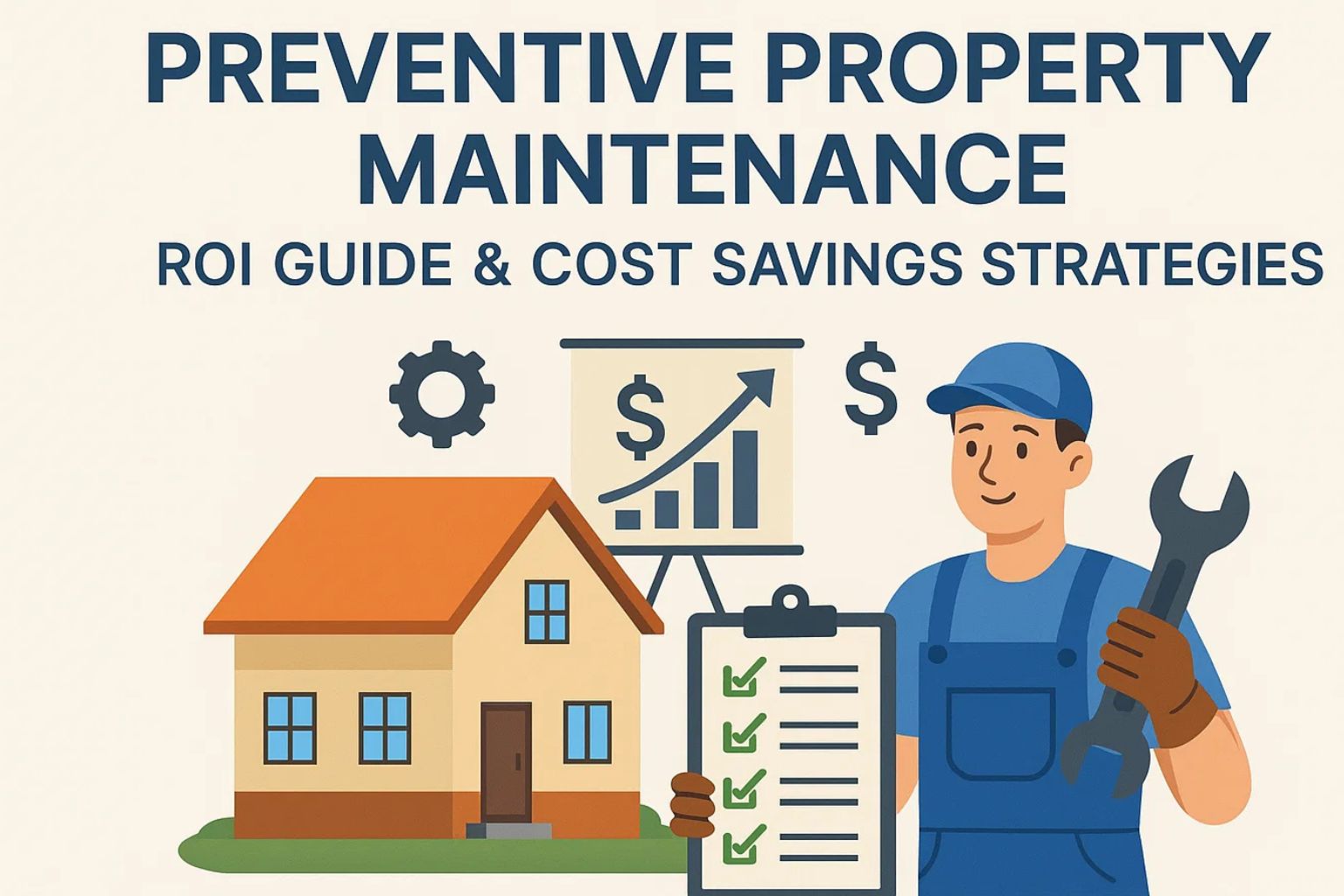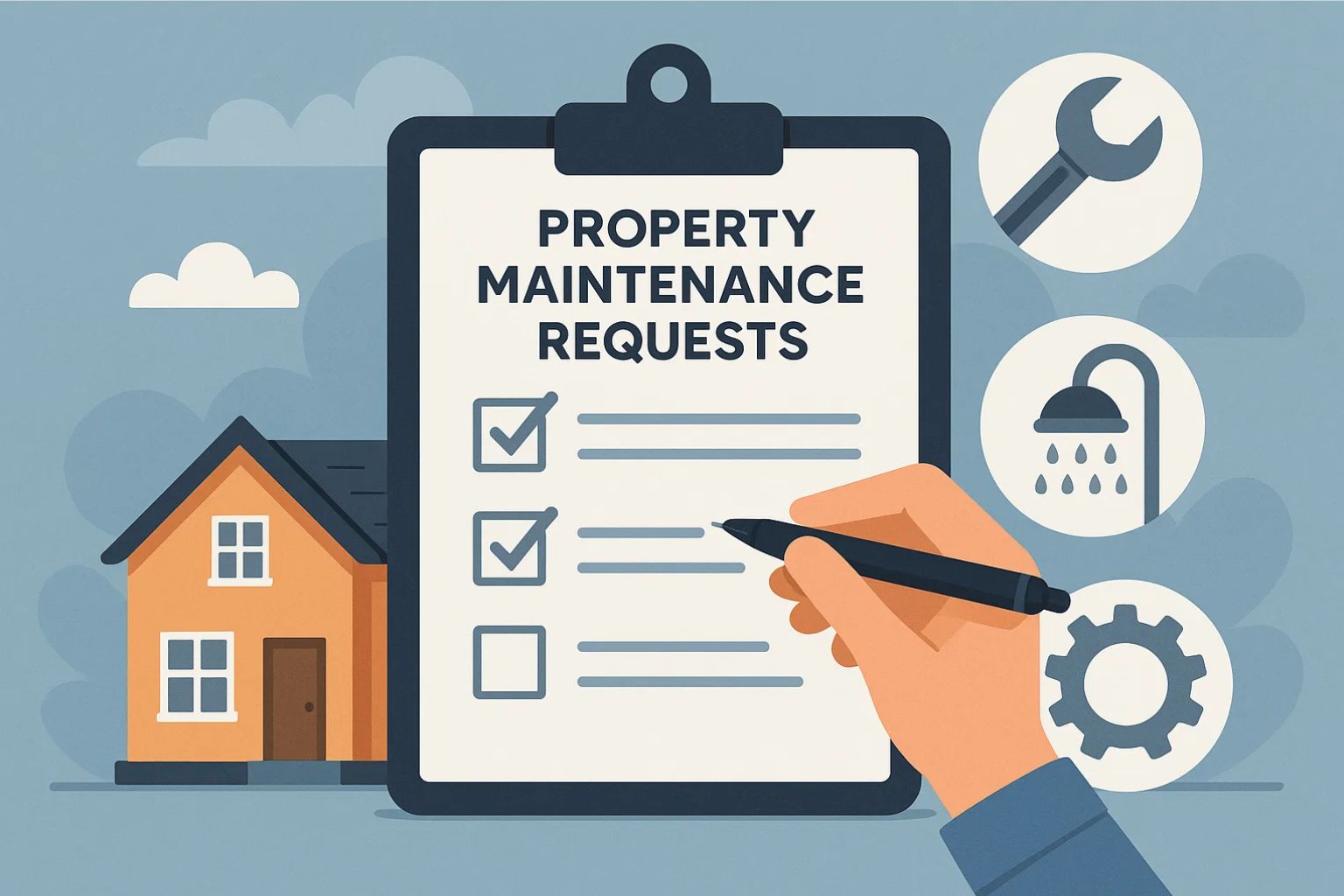
Property maintenance requests are an inevitable part of property management, with the average rental property generating 8-12 maintenance requests annually. Effective property maintenance management can reduce repair costs by 30-50% while improving tenant satisfaction and property value. This comprehensive guide covers the 15 most common property maintenance issues, proven prevention strategies, and best practices for managing maintenance requests efficiently. Whether you're a property manager, landlord, or facility manager, understanding these common maintenance challenges and implementing preventive measures will help you minimize emergency repairs, reduce maintenance costs, and maintain high-quality properties that attract and retain tenants.
Understanding Property Maintenance Requests
Property maintenance requests encompass all repair, replacement, and upkeep activities needed to maintain buildings and rental properties in optimal condition. Effective maintenance request management involves systematic tracking, prioritization, scheduling, and completion of maintenance tasks while ensuring tenant satisfaction and regulatory compliance.
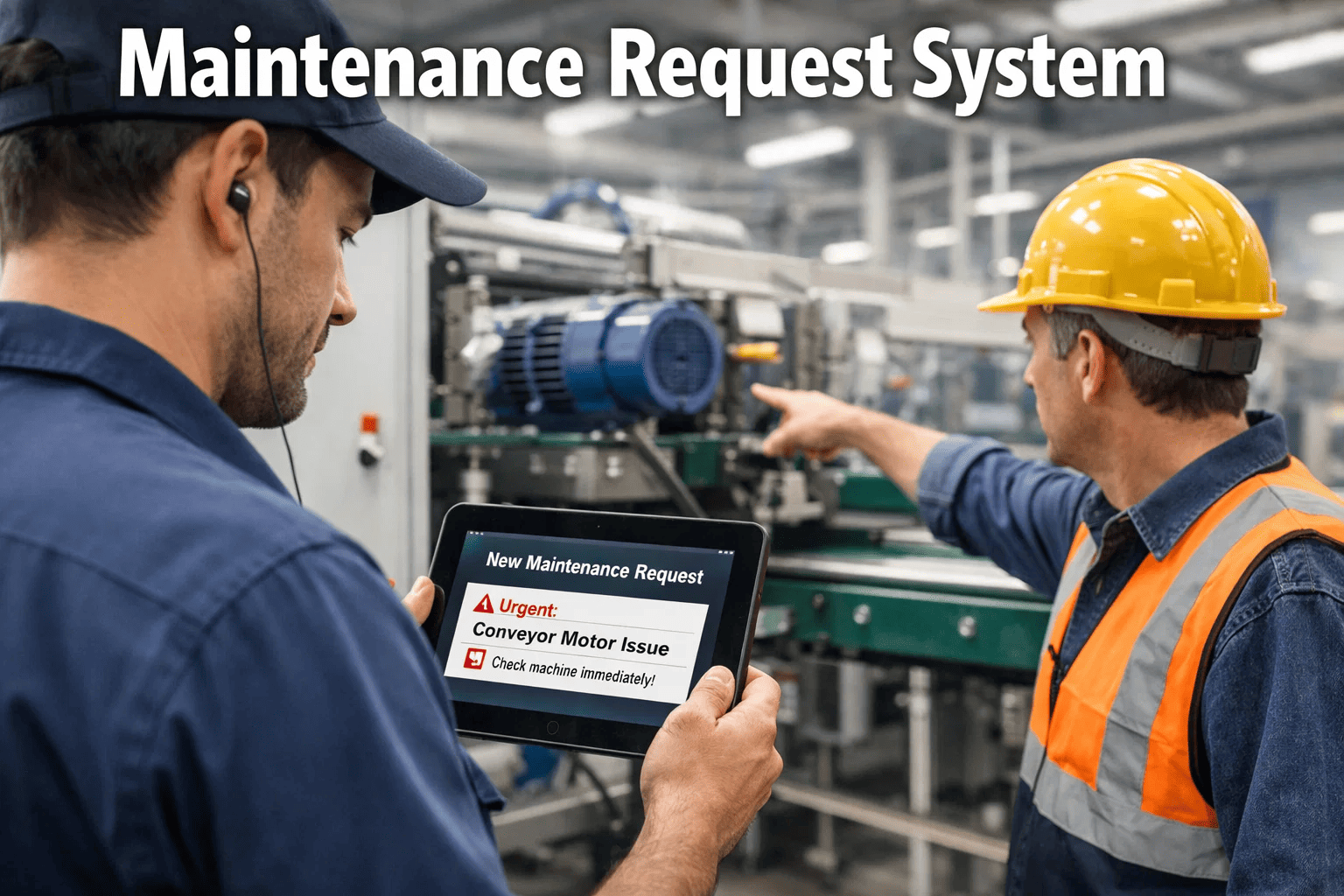
Modern property management relies on digital maintenance request systems that streamline communication between tenants and property managers, track work orders, manage vendor relationships, and provide comprehensive reporting on maintenance activities and costs. Proactive maintenance management reduces emergency repairs by 60-70% and extends property lifecycles significantly.
The 15 Most Common Property Maintenance Issues
1. HVAC System Problems
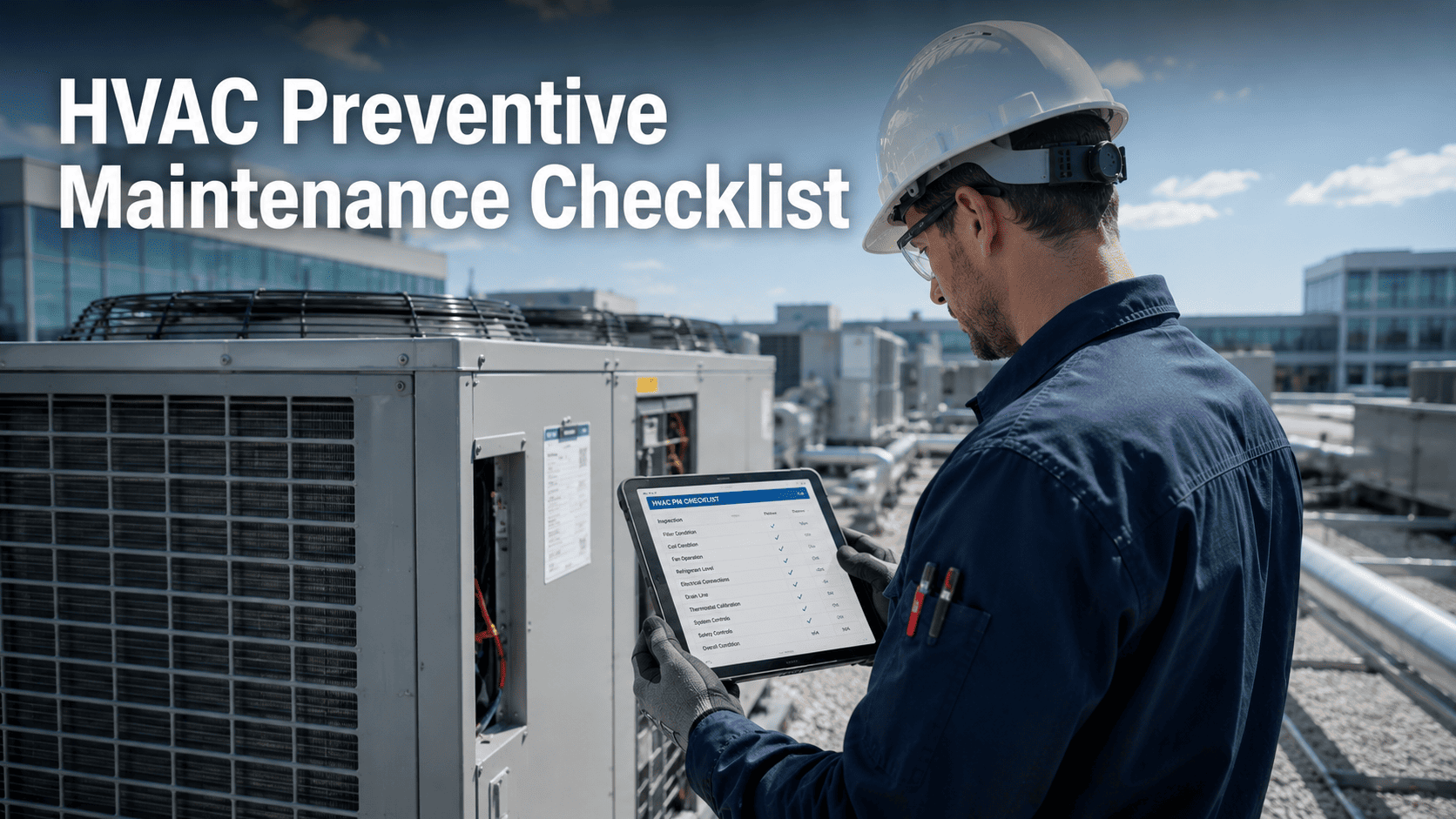
HVAC issues account for 25-30% of all property maintenance requests and include heating failures, air conditioning breakdowns, filter replacements, and ventilation problems. These issues are particularly critical during extreme weather conditions and directly impact tenant comfort and satisfaction.
Prevention Tips: Schedule bi-annual HVAC inspections, replace filters every 1-3 months, clean ducts annually, maintain proper thermostat settings, and ensure adequate insulation. Regular maintenance extends HVAC lifespan by 10-15 years and reduces energy costs by 15-20%.
2. Plumbing Issues
Plumbing problems represent 20-25% of maintenance requests and include clogged drains, leaky faucets, running toilets, pipe leaks, and water pressure issues. Plumbing emergencies can cause significant property damage if not addressed promptly.
Prevention Tips: Conduct annual plumbing inspections, address minor leaks immediately, avoid harsh chemical drain cleaners, insulate pipes in cold climates, and educate tenants on proper disposal practices. Preventive plumbing maintenance reduces emergency calls by 50-60%.
3. Electrical Problems
Electrical issues account for 15-20% of maintenance requests and include outlet malfunctions, circuit breaker trips, flickering lights, and electrical safety concerns. Electrical problems pose safety risks and require immediate professional attention.
Prevention Tips: Schedule electrical inspections every 3-5 years, test GFCI outlets monthly, replace old wiring, avoid electrical overloads, and ensure proper electrical panel maintenance. Professional electrical maintenance prevents 80-90% of electrical emergencies.
4. Roof Leaks and Damage
Roof-related maintenance requests typically represent 8-12% of all issues and include leaks, missing shingles, gutter problems, and structural damage. Roof issues can cause extensive interior damage if not addressed quickly.
Prevention Tips: Inspect roofs bi-annually, clean gutters regularly, trim overhanging branches, repair minor damage immediately, and maintain proper ventilation. Preventive roof maintenance extends roof life by 5-10 years and prevents costly interior damage.
5. Pest Control Issues
Pest control requests account for 10-15% of maintenance issues and include infestations of insects, rodents, and other unwanted creatures. Pest problems affect tenant health, safety, and property reputation.
Prevention Tips: Seal entry points, maintain clean common areas, implement regular pest control treatments, address moisture issues, and educate tenants on prevention practices. Preventive pest control reduces infestations by 70-85%.
6. Appliance Malfunctions
Appliance-related maintenance requests represent 12-18% of issues in furnished properties and include refrigerator, washer, dryer, dishwasher, and stove problems. Appliance failures significantly impact tenant daily life and satisfaction.
Prevention Tips: Schedule annual appliance maintenance, clean lint traps and filters regularly, address minor issues promptly, maintain proper ventilation, and follow manufacturer maintenance guidelines. Regular appliance maintenance extends lifespan by 3-5 years.
7. Flooring Issues
Flooring maintenance requests account for 8-12% of issues and include carpet stains, hardwood scratches, tile cracks, and general wear and tear. Flooring condition significantly impacts property appearance and value.
Prevention Tips: Use protective mats, implement no-shoes policies where appropriate, address spills immediately, refinish hardwood floors regularly, and choose durable flooring materials. Preventive flooring care extends replacement cycles by 30-50%.
8. Window and Door Problems
Window and door maintenance issues represent 6-10% of requests and include broken locks, drafty seals, glass cracks, and operational problems. These issues affect security, energy efficiency, and tenant comfort.
Prevention Tips: Inspect seals annually, lubricate hinges and locks regularly, address minor damage immediately, weatherstrip doors and windows, and maintain proper hardware. Regular maintenance prevents 60-70% of window and door emergencies.
9. Painting and Wall Damage
Paint and wall-related requests account for 10-15% of maintenance issues and include peeling paint, holes, cracks, and general touch-ups. Wall condition significantly impacts property aesthetics and tenant satisfaction.
Prevention Tips: Use high-quality paint, address moisture issues, repair minor damage quickly, implement regular touch-up schedules, and choose durable wall materials. Preventive painting extends paint life by 2-3 years.
10. Lighting Issues
Lighting maintenance requests represent 5-8% of issues and include burnt-out bulbs, fixture problems, and inadequate lighting. Proper lighting affects safety, security, and tenant comfort.
Prevention Tips: Use LED bulbs for longevity, inspect fixtures regularly, clean light covers, ensure adequate lighting levels, and replace aging fixtures proactively. LED lighting reduces maintenance requests by 80-90%.
11. Lock and Security Problems
Security-related maintenance requests account for 4-8% of issues and include broken locks, key problems, security system malfunctions, and access control issues. Security problems require immediate attention for tenant safety.
Prevention Tips: Inspect locks regularly, lubricate mechanisms, replace worn keys, maintain security systems, and address access issues promptly. Regular security maintenance prevents 70-80% of lock emergencies.
12. Landscaping and Exterior Maintenance
Landscaping requests represent 8-12% of issues and include lawn care, tree maintenance, sidewalk repairs, and exterior cleaning. Property curb appeal significantly impacts tenant satisfaction and property value.
Prevention Tips: Implement regular landscaping schedules, trim trees annually, maintain irrigation systems, address drainage issues, and choose low-maintenance plants. Preventive landscaping reduces maintenance costs by 25-35%.
13. Garbage Disposal Problems
Garbage disposal issues account for 3-6% of maintenance requests and include clogs, mechanical failures, and operational problems. Disposal problems affect kitchen functionality and tenant satisfaction.
Prevention Tips: Educate tenants on proper use, avoid hard materials, run cold water during operation, clean regularly with ice and citrus, and address minor issues immediately. Proper use extends disposal life by 5-7 years.
14. Water Heater Issues
Water heater maintenance requests represent 4-7% of issues and include insufficient hot water, leaks, and system failures. Water heater problems significantly impact tenant comfort and daily routines.
Prevention Tips: Flush tanks annually, inspect anode rods, maintain proper temperature settings, insulate tanks and pipes, and replace aging units proactively. Regular maintenance extends water heater life by 3-5 years.
15. Smoke Detector and Safety Equipment
Safety equipment requests account for 2-5% of issues and include battery replacements, detector malfunctions, and fire extinguisher maintenance. Safety equipment maintenance is critical for legal compliance and tenant protection.
Prevention Tips: Test detectors monthly, replace batteries annually, inspect fire extinguishers regularly, maintain carbon monoxide detectors, and ensure proper placement. Regular safety maintenance prevents 95% of equipment failures.
Best Practices for Managing Property Maintenance Requests
Implement Digital Maintenance Request Systems
Digital platforms streamline maintenance request submission, tracking, and completion while providing valuable data for property management optimization. Modern systems offer mobile apps, automated notifications, vendor management, and comprehensive reporting capabilities.
Establish Clear Maintenance Priorities
Effective prioritization systems classify requests by urgency, safety impact, and tenant disruption. Emergency issues require immediate response, while routine maintenance can be scheduled during regular business hours. Clear priorities ensure optimal resource allocation and tenant satisfaction.
Develop Preventive Maintenance Schedules
Systematic preventive maintenance schedules address potential issues before they become expensive repairs. Regular inspections, seasonal preparations, and proactive replacements reduce emergency requests by 60-70% and extend property lifecycles significantly.
Build Reliable Vendor Networks
Establishing relationships with qualified contractors, specialists, and service providers ensures timely, quality maintenance completion. Vendor management includes performance tracking, cost analysis, and emergency response capabilities.
Technology Solutions for Property Maintenance
Property Management Software
Comprehensive property management platforms integrate maintenance request management with lease administration, financial tracking, and tenant communication. These systems provide centralized control and valuable analytics for property optimization.
Mobile Maintenance Apps
Mobile applications enable tenants to submit maintenance requests with photos, track progress, and communicate with property managers in real-time. Mobile solutions improve response times and tenant satisfaction while reducing administrative overhead.
IoT and Smart Building Technology
Internet of Things sensors and smart building systems provide proactive monitoring of HVAC, plumbing, electrical, and security systems. Predictive maintenance based on IoT data reduces emergency repairs by 40-60% and optimizes system performance.
Maintenance Analytics and Reporting
Advanced analytics provide insights into maintenance patterns, costs, vendor performance, and property conditions. Data-driven decision making optimizes maintenance strategies and identifies improvement opportunities.
Cost Management and Budgeting
Effective maintenance cost management includes budgeting for routine maintenance, emergency repairs, capital improvements, and vendor services. Industry benchmarks suggest allocating 1-3% of property value annually for maintenance, with preventive maintenance representing 60-70% of total maintenance spending.
Cost optimization strategies include bulk purchasing, vendor negotiations, energy-efficient upgrades, and preventive maintenance investments. Property managers who invest in preventive maintenance typically achieve 3:1 return on investment through reduced emergency repairs and extended equipment lifecycles.
Frequently Asked Questions (FAQs)
What are the most common property maintenance requests?
The most common property maintenance requests include HVAC problems (25-30%), plumbing issues (20-25%), electrical problems (15-20%), appliance malfunctions (12-18%), and flooring issues (8-12%). These five categories typically account for 75-85% of all maintenance requests in rental properties.
How quickly should property managers respond to maintenance requests?
Response times vary by urgency level: emergency issues (heating/cooling failures, major leaks, electrical hazards) require immediate response within 24 hours, urgent requests need 2-3 day response, and routine maintenance can be scheduled within 5-7 days. Clear communication about timelines improves tenant satisfaction significantly.
How can property managers reduce maintenance costs?
Property managers can reduce maintenance costs by 30-50% through preventive maintenance programs, regular property inspections, tenant education, energy-efficient upgrades, bulk purchasing agreements, and building reliable vendor relationships. Investing in preventive maintenance typically provides 3:1 return on investment.
What should be included in a maintenance request?
Effective maintenance requests should include detailed problem descriptions, location information, urgency level, contact details, photos when possible, and any safety concerns. Complete information enables faster diagnosis and resolution while reducing unnecessary site visits and communication delays.
How often should preventive maintenance be performed?
Preventive maintenance frequency varies by system: HVAC systems need bi-annual service, plumbing inspections annually, electrical systems every 3-5 years, roofs bi-annually, and appliances annually. Regular preventive maintenance reduces emergency repairs by 60-70% and extends equipment lifecycles significantly.
What is the average cost of property maintenance per unit?
Property maintenance costs typically range from $1,000-3,000 per unit annually, depending on property age, condition, and location. Newer properties average $1,000-1,500 per unit, while older properties may require $2,000-3,000 annually. Preventive maintenance reduces long-term costs substantially.
Should property managers handle maintenance in-house or outsource?
The decision depends on property portfolio size, complexity, and available resources. Small portfolios often benefit from outsourcing, while large portfolios may justify in-house teams. Hybrid approaches using in-house staff for routine maintenance and specialists for complex issues often prove most cost-effective.
How can technology improve maintenance request management?
Technology improves maintenance management through digital request platforms, mobile apps, automated scheduling, vendor management systems, IoT monitoring, and analytics. These tools reduce response times by 40-60%, improve communication, and provide valuable data for optimization and planning.
What legal obligations do property managers have for maintenance?
Property managers must maintain habitable conditions, address safety issues promptly, comply with local housing codes, provide essential services (heat, water, electricity), and respond to reasonable maintenance requests. Legal requirements vary by jurisdiction, making local compliance knowledge essential.
How do seasonal changes affect property maintenance?
Seasonal maintenance includes HVAC system preparation, gutter cleaning, landscaping adjustments, winterization procedures, and weather-related repairs. Proactive seasonal maintenance prevents weather-related emergencies and ensures tenant comfort year-round while reducing maintenance costs.
What qualifications should maintenance vendors have?
Qualified maintenance vendors should have appropriate licenses, insurance coverage, industry certifications, proven experience, positive references, and emergency response capabilities. Vendor qualification reduces liability risks and ensures quality workmanship while maintaining property standards.
How can property managers improve tenant satisfaction with maintenance?
Tenant satisfaction improves through clear communication, prompt responses, quality workmanship, minimal disruption, follow-up procedures, and proactive maintenance. Satisfied tenants report maintenance issues early, take better care of properties, and have higher retention rates.
What documentation is required for property maintenance?
Maintenance documentation should include work orders, completion reports, vendor invoices, inspection records, safety certifications, warranty information, and tenant communications. Proper documentation supports legal compliance, insurance claims, and property value maintenance.
How do emergency maintenance requests differ from routine maintenance?
Emergency maintenance involves immediate safety risks, essential service failures, or conditions threatening property damage (gas leaks, electrical hazards, major water leaks, heating failures in winter). Emergency requests require 24-hour response, while routine maintenance can be scheduled during normal business hours.
What are the benefits of preventive maintenance programs?
Preventive maintenance programs reduce emergency repairs by 60-70%, extend equipment lifecycles by 20-40%, improve energy efficiency by 15-25%, increase tenant satisfaction, maintain property values, and provide predictable maintenance budgets. The investment typically provides 3:1 return through reduced repair costs.
Effective property maintenance request management requires systematic approaches, preventive strategies, and modern technology solutions. By understanding common maintenance issues, implementing prevention measures, and using digital tools for efficient management, property managers can significantly reduce costs, improve tenant satisfaction, and maintain high-quality properties that generate strong returns and long-term value.
Streamline Your Property Maintenance Process Today
Managing 8–12 maintenance requests per property every year? Don’t let delays cost you in repairs, reputation, or retention.