In today's competitive manufacturing landscape, gut feelings and traditional methods aren't enough to stay ahead. Workshop analytics has emerged as the game-changer that separates thriving operations from those struggling to keep pace. By harnessing the power of data-driven insights, manufacturing professionals are unlocking unprecedented levels of performance and productivity in their workshops.
Whether you're managing a small machine shop or overseeing a large-scale production facility, the ability to collect, analyze, and act on workshop data can transform your operations from reactive to proactive. This isn't just about fancy dashboards or complex algorithms – it's about making smarter decisions that directly impact your bottom line.
Understanding the Workshop Analytics Revolution
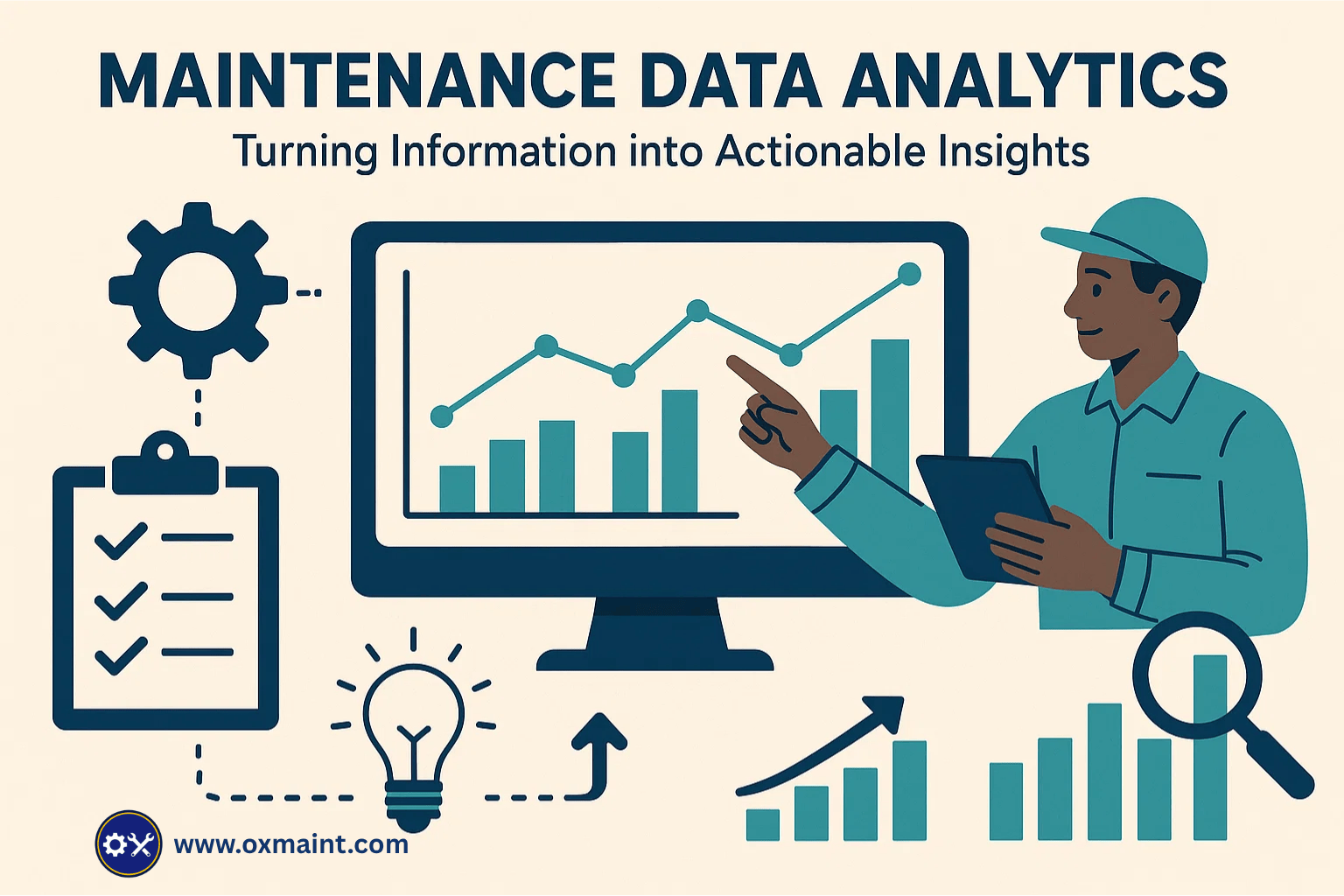
Workshop analytics represents a fundamental shift from intuition-based to evidence-based decision making. At its core, it involves systematically collecting data from various sources within your workshop – from machine sensors and production logs to maintenance records and quality metrics – then transforming this raw information into actionable insights.
The revolution isn't just in the technology itself, but in how it changes the way we think about workshop management. Instead of waiting for problems to surface, analytics allows you to identify patterns, predict issues, and optimize processes before inefficiencies impact your operation. This proactive approach is what separates industry leaders from the competition.
Key Insight: Companies implementing workshop analytics report average productivity improvements of 15-25% within the first six months, with some seeing gains as high as 40% in specific areas like equipment utilization and waste reduction.
Essential Metrics That Drive Workshop Performance
Not all metrics are created equal. The most successful workshop analytics implementations focus on a core set of performance indicators that directly correlate with business outcomes. Equipment Overall Equipment Effectiveness (OEE) stands as the gold standard, combining availability, performance, and quality metrics into a single, actionable score.
Beyond OEE, smart manufacturers track cycle times, setup and changeover durations, first-pass yield rates, and unplanned downtime incidents. These metrics create a comprehensive picture of workshop health and highlight specific areas for improvement. The key is selecting metrics that your team can influence and that align with your strategic objectives.
Labor productivity metrics deserve special attention in today's tight labor market. Tracking output per labor hour, skill utilization rates, and training effectiveness helps optimize your most valuable resource – your people. When combined with equipment metrics, these insights reveal the true drivers of workshop performance.
Implementing Real-Time Monitoring Systems
The power of workshop analytics multiplies exponentially when data flows in real-time. Modern manufacturing environments can't afford to make decisions based on yesterday's information. Real-time monitoring systems provide immediate visibility into workshop operations, enabling rapid response to emerging issues and opportunities.
Successful implementation starts with identifying critical control points in your processes. These might include key machines, quality checkpoints, or bottleneck operations. By instrumenting these areas with sensors and data collection devices, you create an early warning system that alerts managers to deviations before they become costly problems.
Pro Tip: Start small with your real-time monitoring implementation. Choose one critical process or machine, prove the value, then expand systematically. This approach builds organizational confidence and ensures sustainable adoption.
Want to see real-time monitoring in action?
Book a DemoPredictive Analytics for Proactive Decision Making
While real-time monitoring tells you what's happening now, predictive analytics reveals what's likely to happen next. This forward-looking capability transforms workshop management from reactive firefighting to strategic planning. By analyzing historical patterns and current trends, predictive models can forecast equipment failures, quality issues, and capacity constraints.
Predictive maintenance represents one of the highest-value applications of workshop analytics. Instead of following rigid maintenance schedules or waiting for equipment to fail, predictive models optimize maintenance timing based on actual equipment condition and usage patterns. This approach typically reduces maintenance costs by 20-30% while improving equipment availability.
Demand forecasting and capacity planning benefit equally from predictive analytics. By analyzing order patterns, seasonal trends, and market indicators, workshops can optimize staffing levels, inventory management, and equipment utilization. This proactive approach minimizes both excess capacity costs and stockout risks.
Building a Data-Driven Culture in Your Workshop
Technology alone doesn't create success – people do. Building a data-driven culture requires more than installing sensors and software; it demands a fundamental shift in how your team approaches problem-solving and decision-making. This cultural transformation often represents the biggest challenge and the greatest opportunity in workshop analytics implementation.
Start by making data accessible and understandable to everyone on your team. Complex analytics are worthless if operators and supervisors can't interpret and act on the insights. Invest in training programs that build data literacy across all levels of your organization, from shop floor operators to senior management.
Create feedback loops that demonstrate the value of data-driven decisions. When analytics-guided changes improve performance, celebrate these wins and share the stories throughout your organization. This reinforcement helps overcome resistance to change and builds momentum for continuous improvement initiatives.
Remember: The most sophisticated analytics system is only as good as the people using it. Invest in your team's capabilities alongside your technology infrastructure for maximum return on investment.
Measuring ROI and Continuous Improvement
Workshop analytics investments must demonstrate clear business value to justify continued funding and expansion. Establishing baseline measurements before implementation creates the foundation for accurate ROI calculations. Track both hard savings (reduced downtime, lower maintenance costs, improved yields) and soft benefits (better decision-making, improved safety, enhanced customer satisfaction).
The true power of workshop analytics emerges through continuous improvement cycles. Regular analysis of performance data reveals new optimization opportunities and validates improvement initiatives. This iterative approach ensures that your analytics program evolves with your business needs and maintains its competitive advantage over time.
Ready to start measuring your workshop's potential?
Getting StartedConclusion: Workshop analytics represents more than a technological upgrade – it's a strategic imperative for manufacturing competitiveness. By embracing data-driven decision making, implementing real-time monitoring, leveraging predictive insights, and building an analytics-oriented culture, workshops can achieve unprecedented levels of performance and productivity.
The companies that thrive in tomorrow's manufacturing landscape will be those that master the art and science of workshop analytics today. The question isn't whether to invest in these capabilities, but how quickly you can implement them to stay ahead of the competition. Your workshop's data is already telling a story – make sure you're listening to what it has to say.