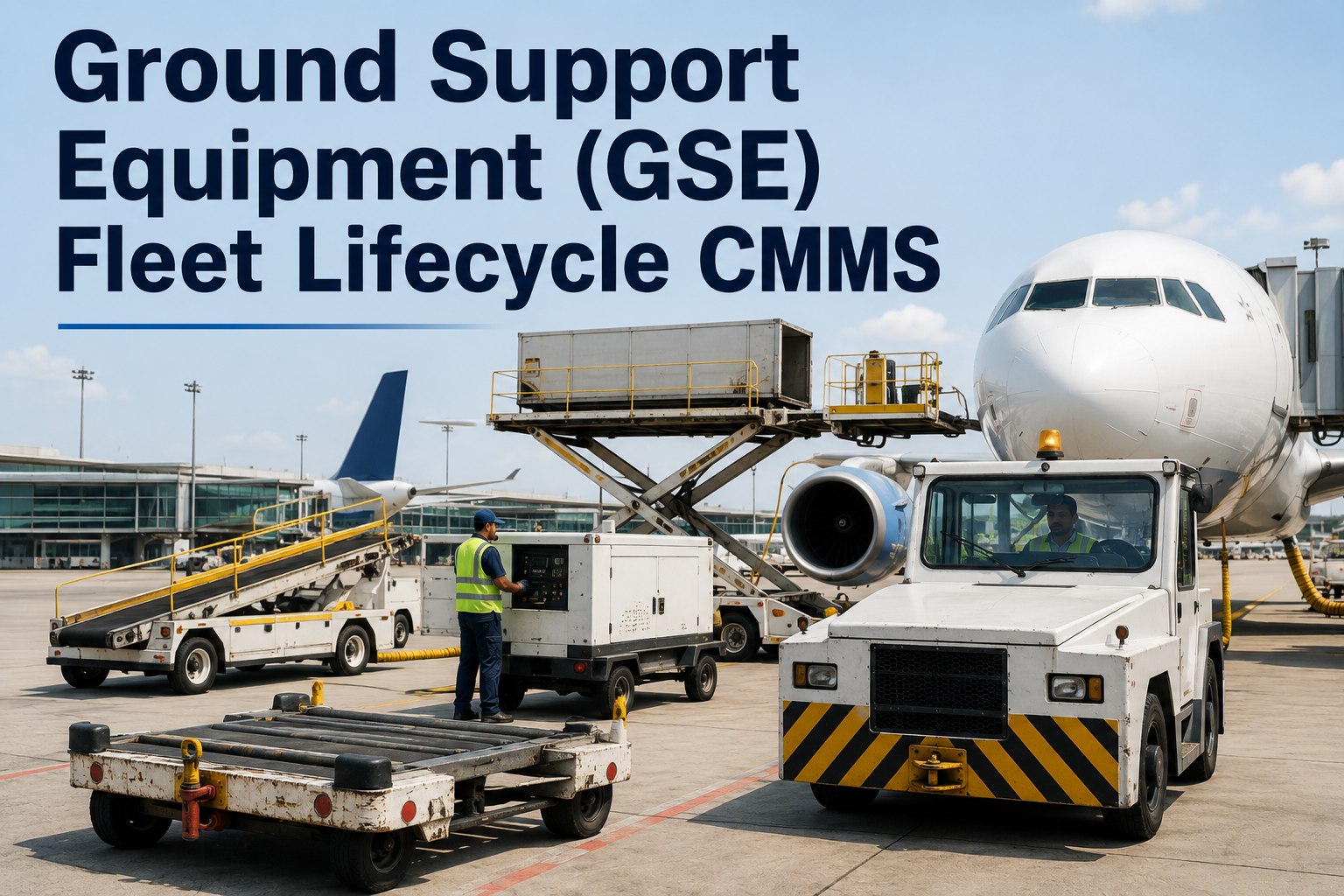
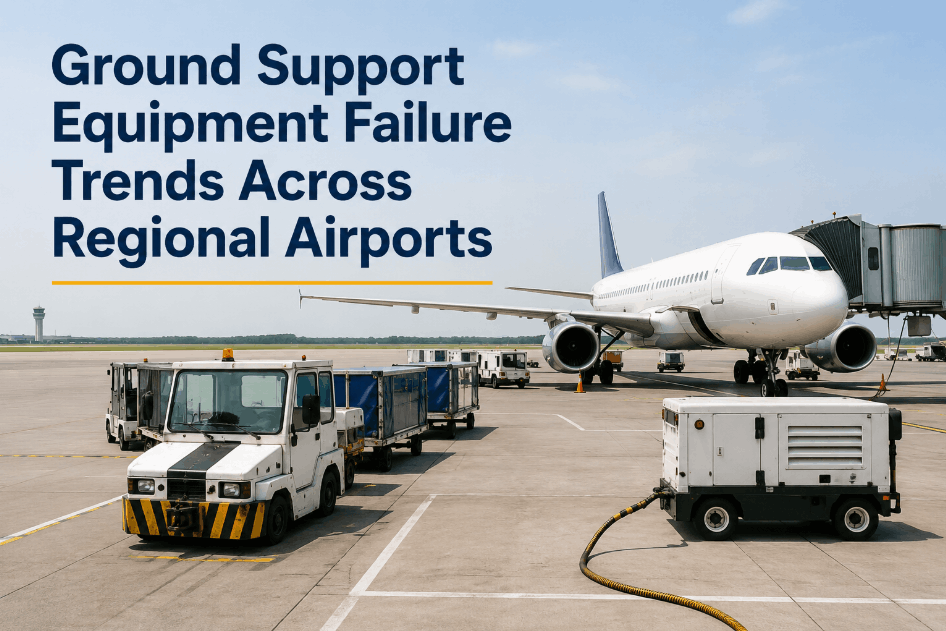
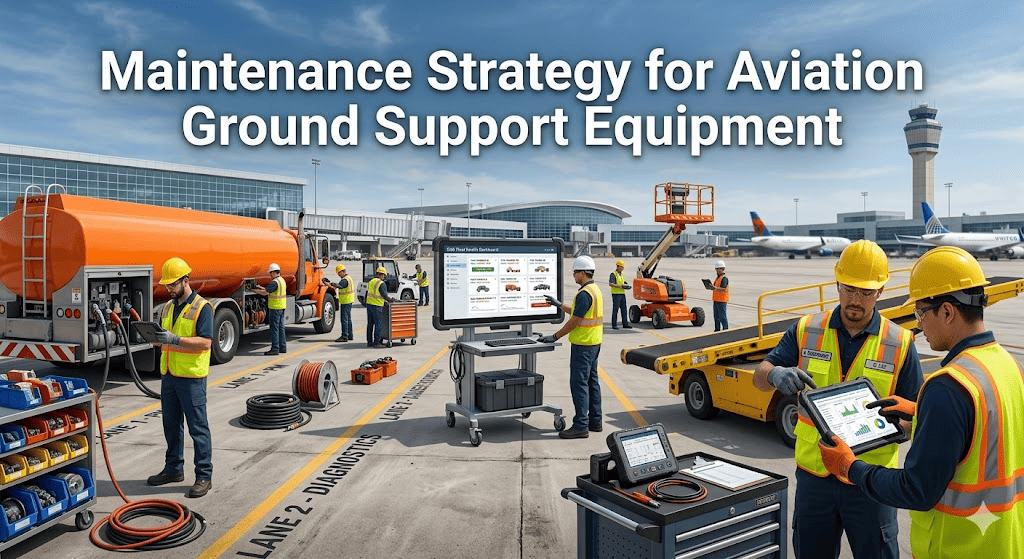
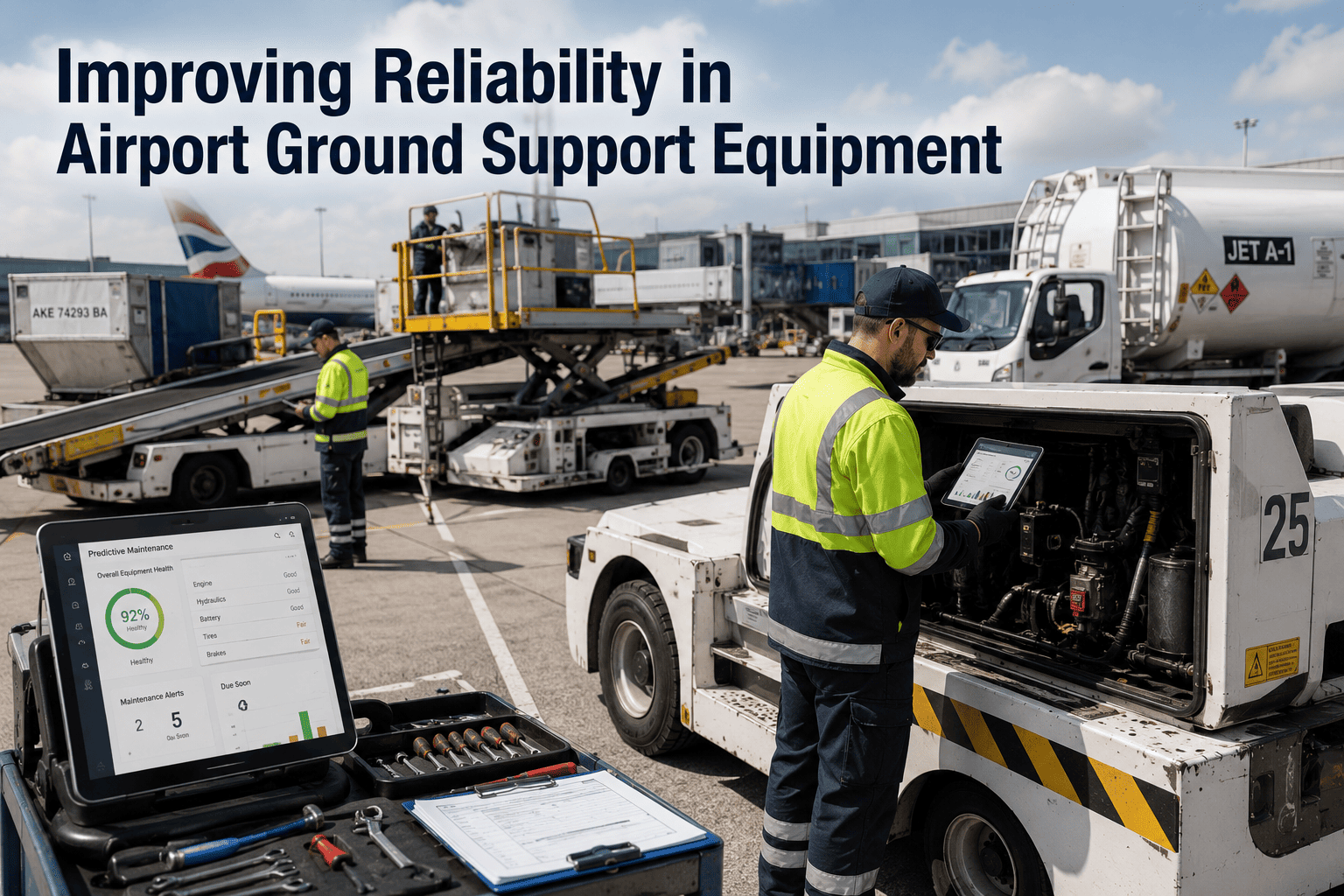
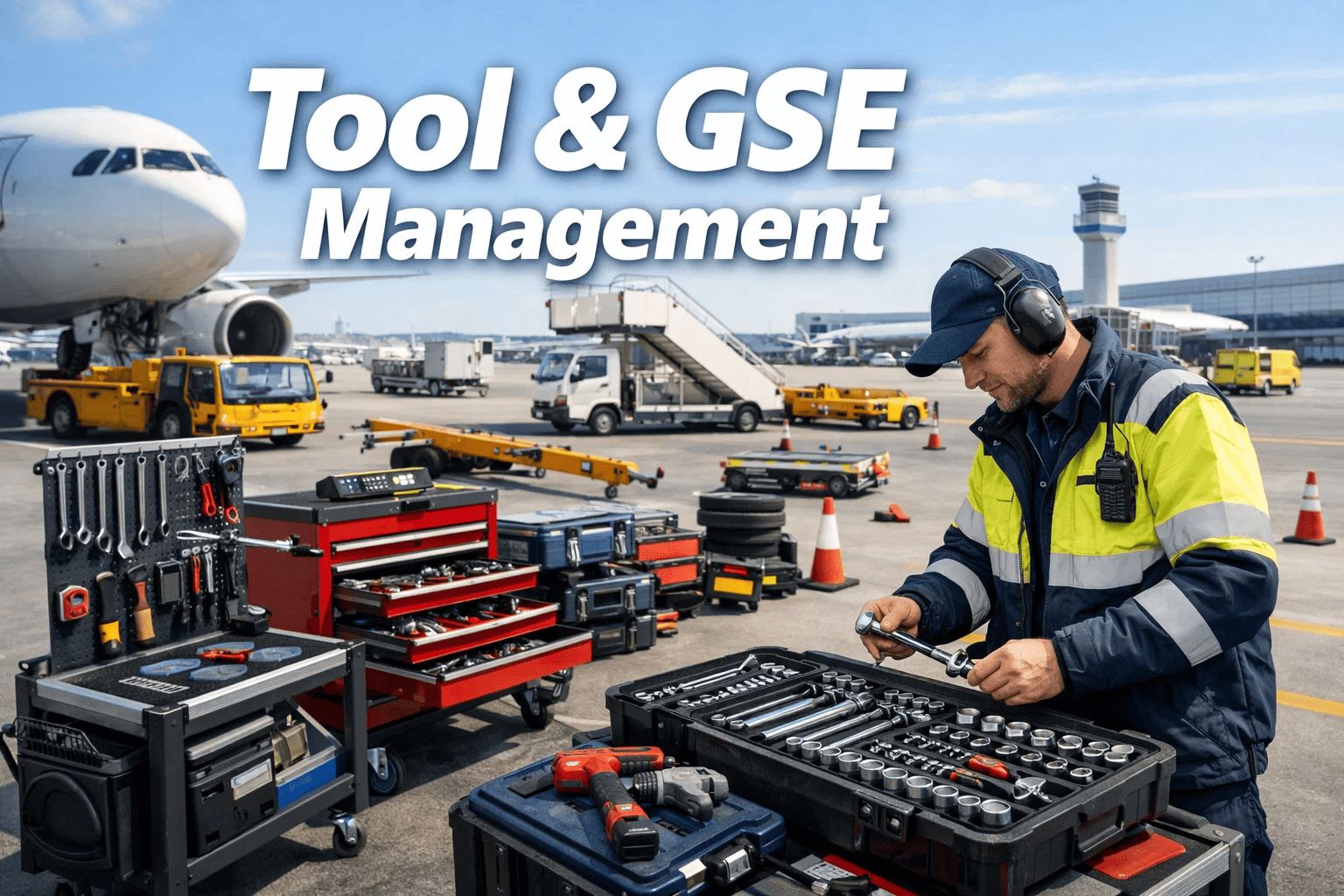
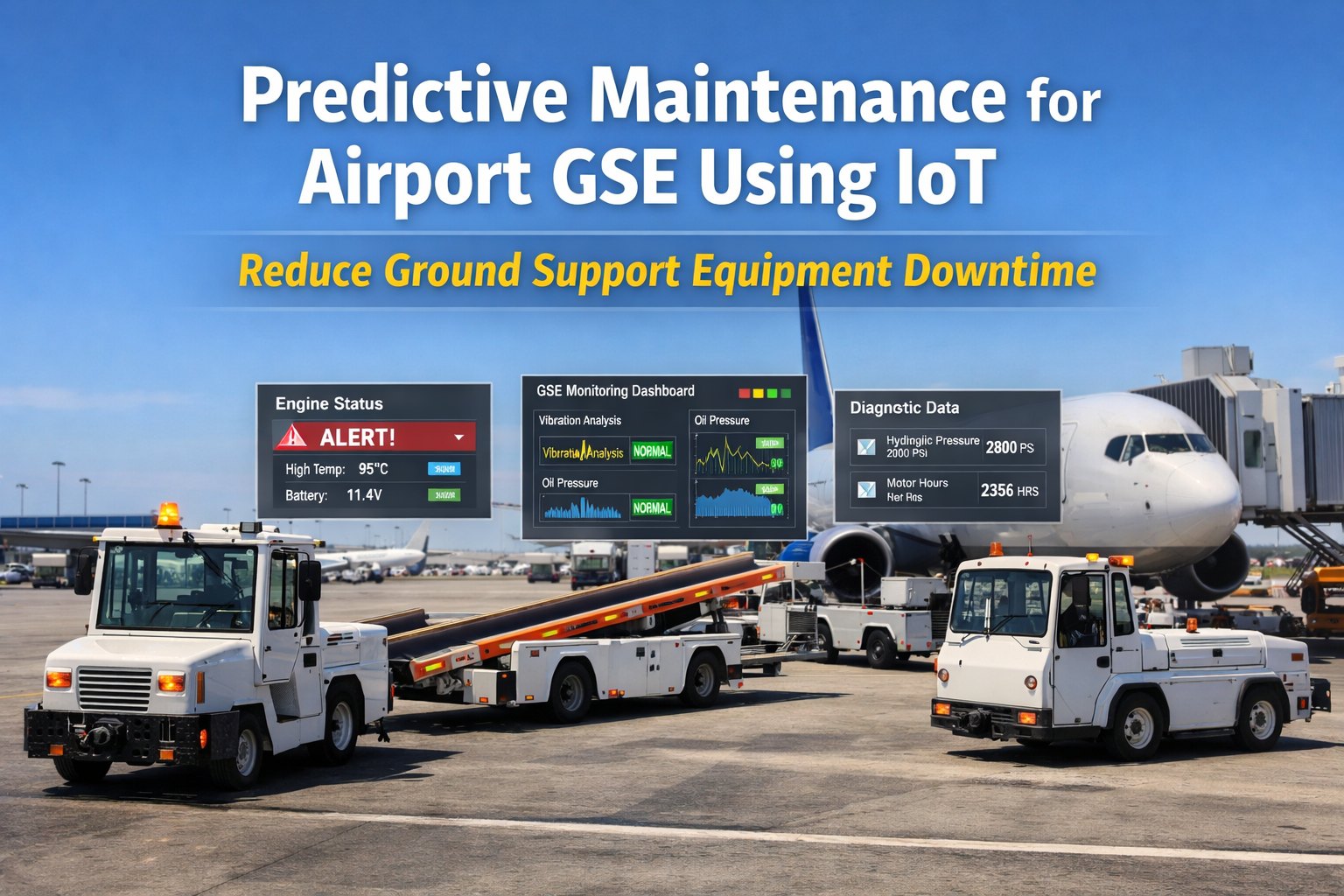
Ground support equipment has a way of disappearing right when you need it most—and every minute spent tracking down a missing tug or belt loader adds to turnaround delays. As airports handle growing traffic and tighter schedules, real-time asset visibility has shifted from nice-to-have to operational necessity. Modern airports are now combining GPS tracking with indoor positioning systems to know exactly where every vehicle, cart, and container is at any given moment. Connect with our team to explore how real-time tracking can streamline your ground operations.
SMART OPERATIONS GUIDE
Airport Asset Tracking with RTLS & GPS IoT Systems
Real-Time Visibility for Ground Support Equipment & Airside Vehicles
The Hidden Cost of Asset Blindness
Airport Operations Managers face a daily paradox: millions invested in ground support equipment, yet no one knows where half of it is at any given moment. The result? Delayed flights, over-purchased equipment, and staff spending more time searching than serving.
15-20%
Assets Lost/Misplaced
$419M
Missing Equipment (DOD Audit)
5-30%
Ghost Assets on Books
90%
Search Time Eliminated
With real-time location visibility
28%
Productivity Increase
From connected asset visibility
17%
Lower Maintenance Costs
Through usage-based servicing
$21.4B
RTLS Market by 2030
3-6mo
Typical ROI Timeline
How RTLS & GPS Asset Tracking Works
Transform your airside operations from guesswork to precision. IoT-enabled tracking combines GPS for outdoor coverage with RTLS technologies like UWB and BLE for indoor precision—giving you centimeter-level accuracy across your entire facility.
Satellite-based positioning for vehicles and equipment across runways, taxiways, and aprons
Accuracy
1-3 meters
Coverage
Unlimited outdoor
Best For
Vehicles, GSE fleet
Centimeter-level accuracy for high-value equipment in hangars, terminals, and maintenance facilities
Accuracy
10-30 cm
Coverage
Indoor zones
Best For
Tools, wheelchairs
Low-power Bluetooth tags for zone-based tracking of carts, containers, and mobile assets
Accuracy
1-3 meters
Battery Life
3-5 years
Best For
Carts, containers
Passive tags for checkpoint-based tracking of baggage carts, dollies, and bulk equipment
Accuracy
Zone-level
Tag Cost
$0.10-$2
Best For
Dollies, ULDs
What Assets Can You Track?
From multi-million dollar pushback tractors to $50 baggage carts, every asset on your airside contributes to operational efficiency. Here's what leading airports are tracking with IoT.
Ground Vehicles
Pushback tractors, tugs, fuel trucks, de-icing vehicles, crew buses
Avg. Value: $150K-$500K
Loading Equipment
Belt loaders, container loaders, cargo lifts, hi-lift loaders
Avg. Value: $80K-$250K
Carts & Dollies
Baggage carts, mail carts, container dollies, pallet dollies
Avg. Value: $500-$5K (High Volume)
Ground Power Units
GPUs, air start units, ACUs, hydraulic test units
Avg. Value: $50K-$200K
Passenger Services
Wheelchairs, passenger stairs, catering trucks, lavatory carts
Avg. Value: $100-$150K
ULDs & Containers
LD3 containers, pallets, igloos, cargo nets
Avg. Value: $1K-$10K (Pooled)
See Every Asset on One Dashboard
Connect your fleet to OxMaint's asset tracking platform and eliminate search time forever.
Schedule Demo
Key Benefits for Airport Operations
01
Instant Asset Location
Find any vehicle, cart, or equipment in seconds. No more radio calls, no more searching—just click and locate on a live map.
90%
Reduction in search time
02
Optimized Utilization
See which assets are idle, overused, or in the wrong location. Balance workloads and avoid unnecessary purchases.
20%
Improved asset utilization
03
Faster Turnarounds
Dispatch the nearest available equipment to each gate. Reduce taxi-to-gate times and improve on-time departures.
15%
Faster aircraft turnaround
04
Eliminate Ghost Assets
Stop paying for equipment that's lost, stolen, or no longer functional. Accurate inventory means accurate budgets.
50%
Reduction in lost assets
Compliance & Standards
IoT asset tracking helps airports meet industry standards and regulatory requirements for asset management and operational efficiency.
IATA
Airport Handling Manual (AHM)
Supports IATA guidelines for ground handling equipment management, maintenance tracking, and operational safety documentation.
ISO
ISO 55000 Asset Management
Enables compliance with international asset management standards through lifecycle tracking, condition monitoring, and audit trails.
FAA
14 CFR Part 139
Supports airport certification requirements for equipment inspection documentation and airside vehicle tracking.
ROI Impact
Cost Savings
Reduce replacement costs, eliminate ghost assets, and optimize fleet size based on actual utilization data.
Time Savings
Staff spend less time searching and more time serving. Typical savings: 30% reduction in asset management tasks.
Fast Payback
Most airports see positive ROI within 3-6 months. Recovery of just a few "lost" assets often pays for the system.
Implementation Timeline
1
Week 1
Asset Audit
Inventory all trackable assets, define priority equipment, map coverage zones
2
Week 2-3
Infrastructure
Install gateways/readers, configure network connectivity, deploy GPS units
3
Week 3-4
Tag & Configure
Attach tags to assets, configure zones and alerts, integrate with CMMS
4
Week 4-5
Go Live
Train operations teams, calibrate system, enable real-time dashboards
Frequently Asked Questions
What's the difference between GPS and RTLS for airport tracking?
GPS uses satellites and works best outdoors across runways and aprons with 1-3 meter accuracy. RTLS technologies like UWB and BLE use fixed anchors for indoor tracking with centimeter-level precision. Most airports deploy a hybrid approach—GPS for vehicles on the airside, RTLS for equipment in terminals and hangars.
How accurate is real-time location tracking for airport equipment?
Accuracy varies by technology: UWB delivers 10-30cm precision for high-value indoor assets, GPS provides 1-3m outdoor accuracy, and BLE beacons offer 1-3m zone-based tracking. For most airport operations, knowing which zone or gate area an asset is in (achieved with any technology) is sufficient for operational decisions.
How long does it take to see ROI from asset tracking?
Most airports see positive ROI within 3-6 months. The fastest wins come from recovering "ghost assets" (equipment on the books but lost), reducing search time, and avoiding unnecessary equipment purchases. One IBM study found that connected asset visibility can raise productivity by 28% and eliminate 20% of equipment-related downtime.
Can we track both owned and leased/pooled equipment?
Yes. The system tracks any tagged asset regardless of ownership. This is especially valuable for pooled ULDs and containers shared across airlines. You can set up separate views and reports for owned vs. leased equipment, and even track dwell times to optimize pooling agreements.
Does asset tracking integrate with our existing CMMS and operations systems?
OxMaint integrates with all major airport systems via REST APIs. Location data flows into your CMMS for usage-based maintenance scheduling. Integration with operations systems enables automatic equipment dispatch to gates. We also connect with fuel management, ground handler systems, and flight information displays.
What about battery life and tag maintenance?
Modern BLE tags last 3-5 years on a single battery, while active GPS units on vehicles are typically powered by the vehicle itself. RFID tags are passive (no battery needed). The tracking platform monitors tag health and alerts you when batteries are low, so there's no surprise maintenance.
Know Where Everything Is. Always.
Join leading airports achieving 90% reduction in search time with IoT-powered asset tracking integrated with OxMaint CMMS.