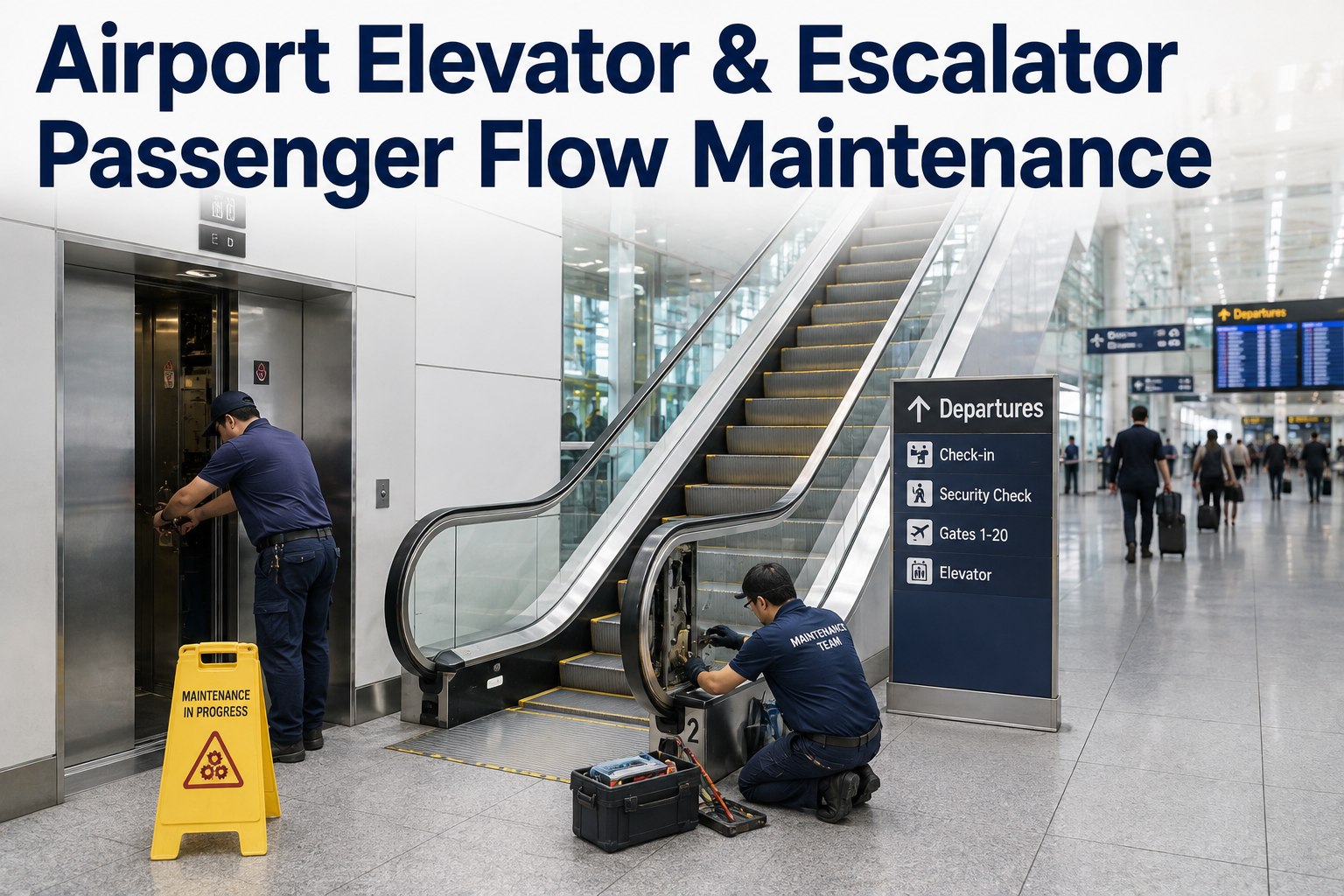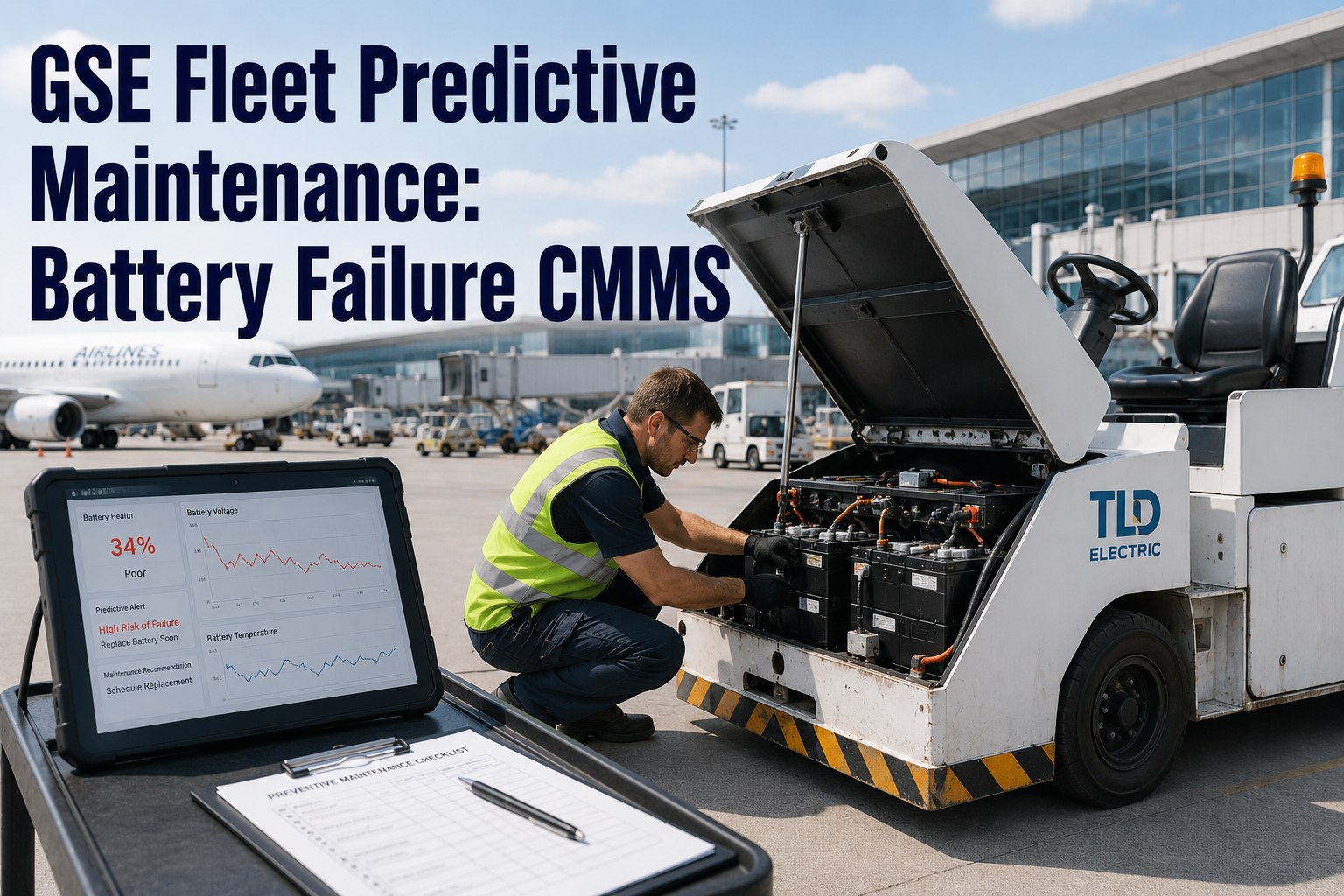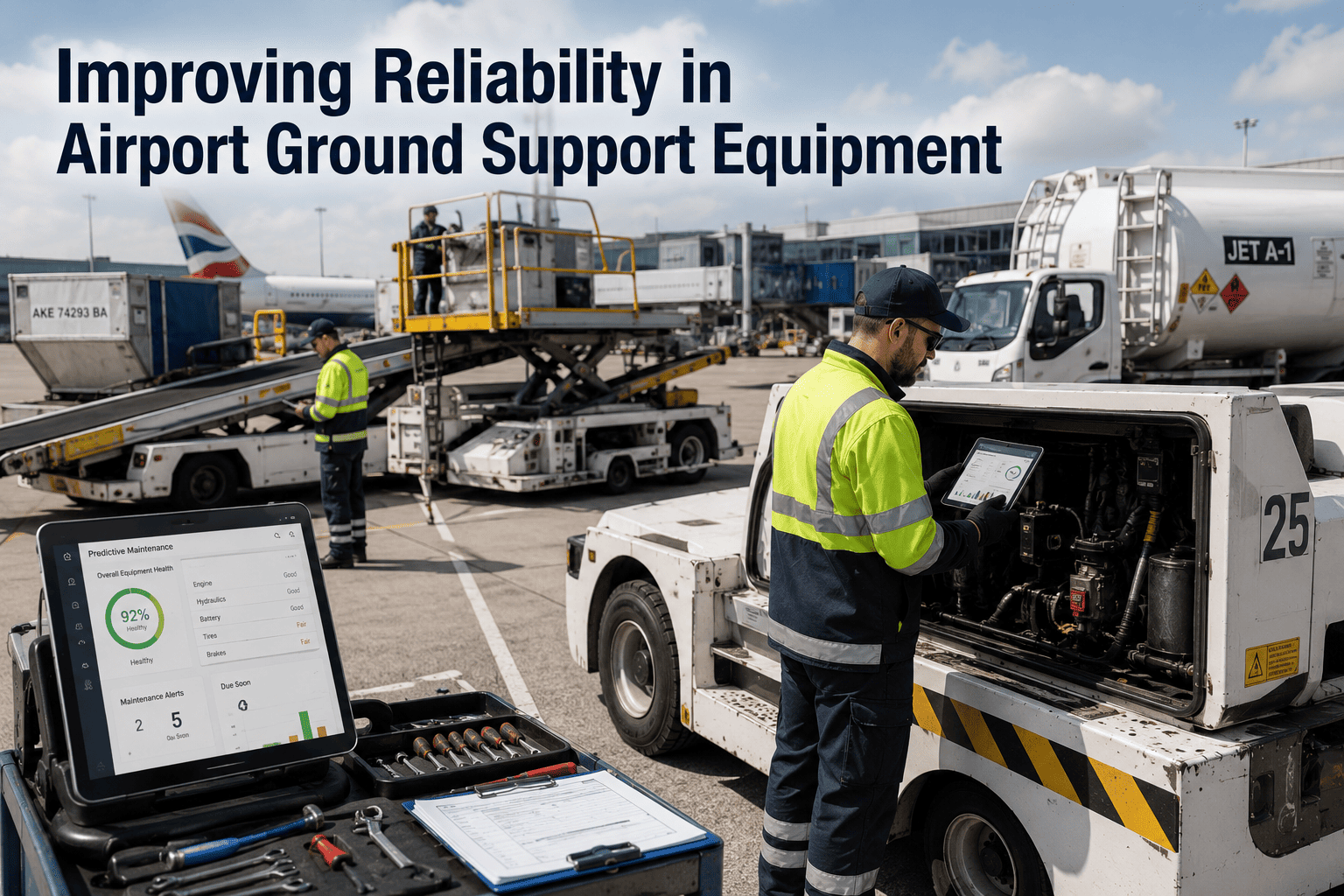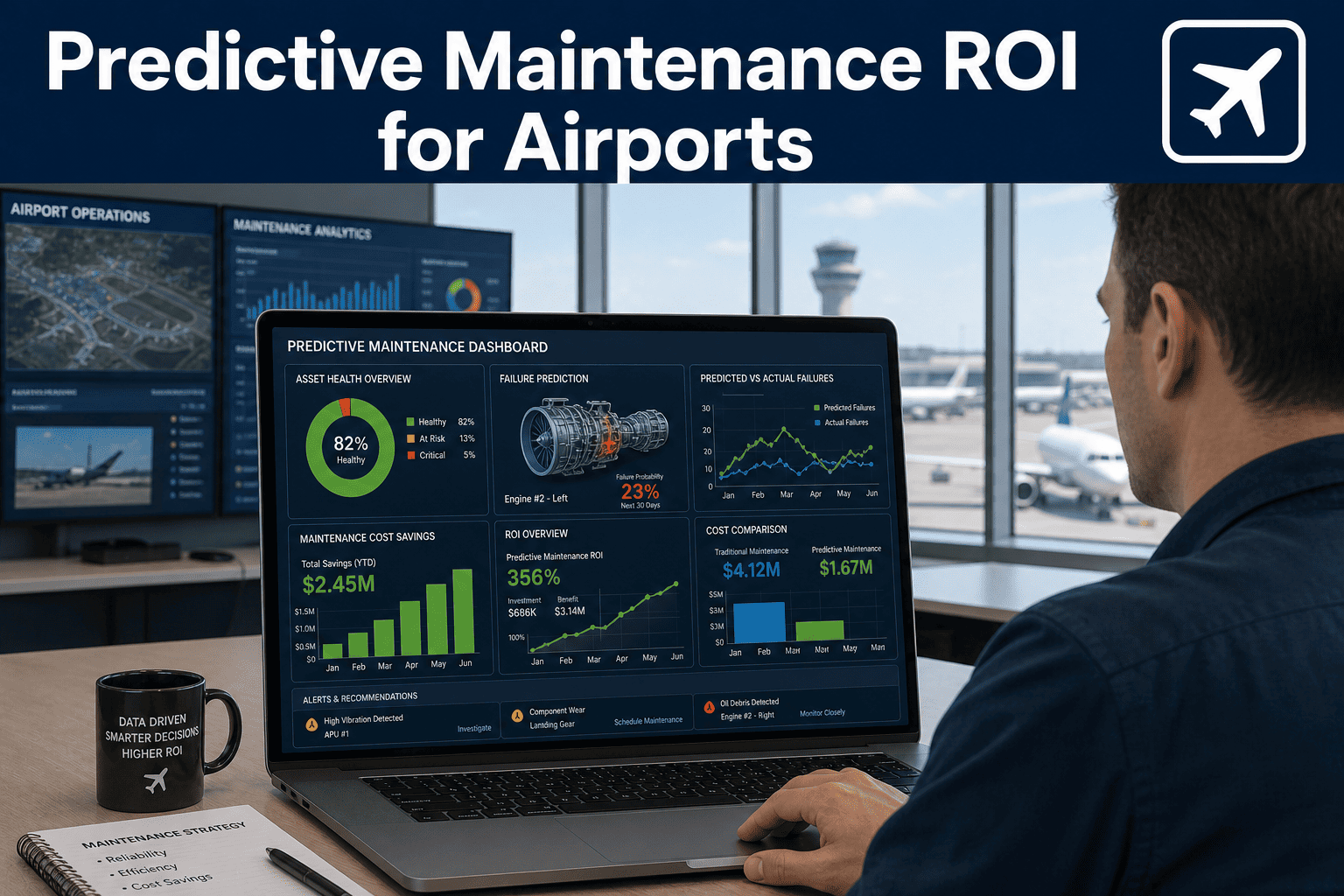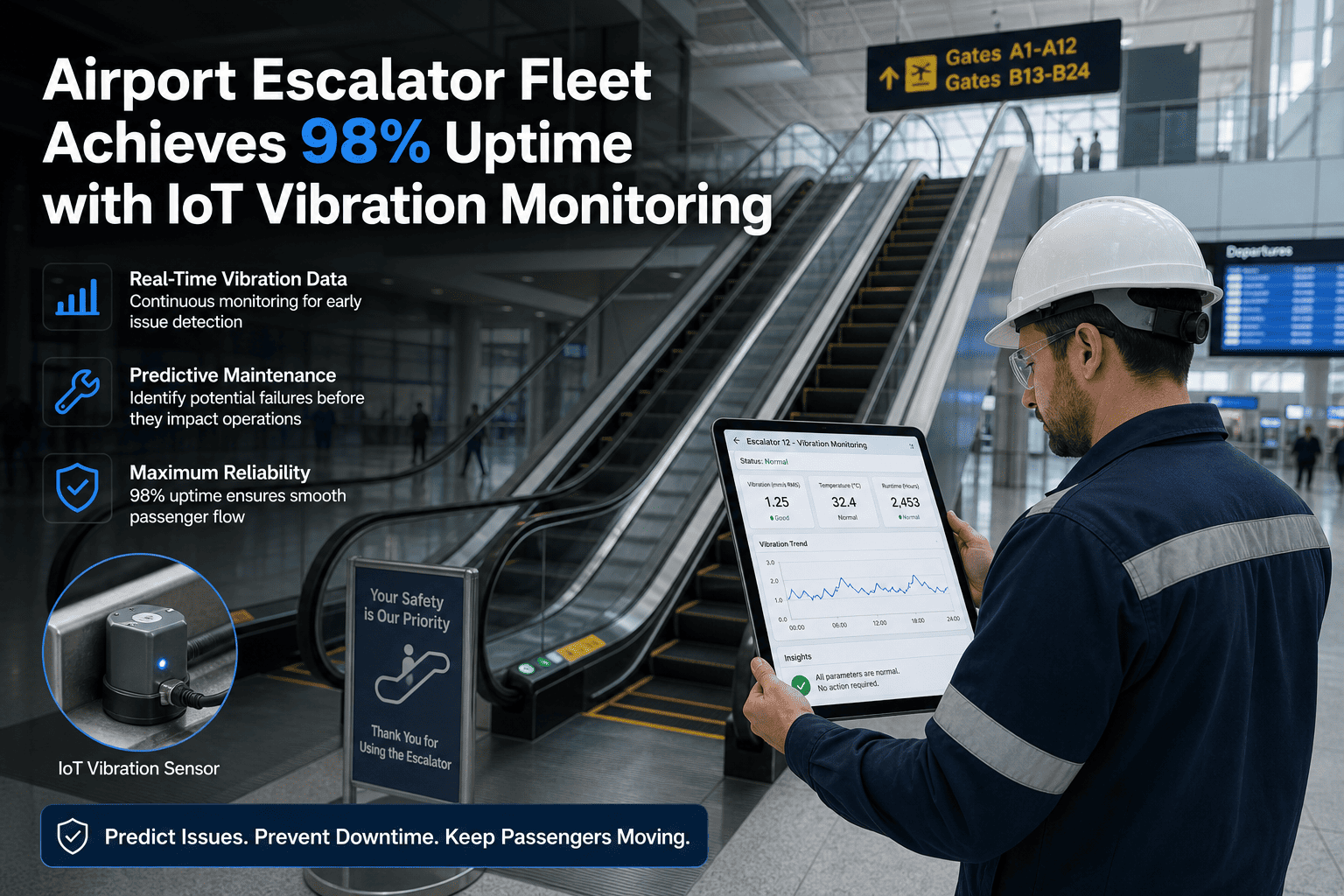
Escalators and moving walkways are not background infrastructure — they are part of the passenger experience. When one goes down during peak hours, passengers notice, airlines notice, and airport operations metrics reflect it. The traditional approach of waiting for a fault code before calling a technician is no longer acceptable at scale. This case study shows how one major international airport achieved 98% escalator uptime by pairing IoT vibration sensors with Oxmaint's CMMS — eliminating reactive breakdowns and moving to a fully predictive maintenance model. Start a free trial or book a demo to see how this works for your facility.
Airport Escalators Achieve 98% Uptime with IoT Vibration Monitoring
How a busy international airport eliminated reactive escalator failures, reduced emergency callouts by 74%, and set a new benchmark for passenger flow reliability — using sensor data and a connected CMMS.
Is Your Escalator Fleet Running on Guesswork?
Oxmaint connects IoT sensor data directly to preventive work orders — so your team acts on real signals, not scheduled guesses. Facilities that switch from reactive to predictive maintenance see failure rates drop by up to 40% within the first quarter.
What 79% Uptime Actually Costs an Airport
Before this project, the airport's 62-unit escalator fleet was maintained on fixed calendar intervals — monthly inspections, quarterly lubrication, annual overhauls. That schedule existed regardless of actual equipment condition. The result was predictable: some units were over-maintained, others failed between service windows, and every unplanned breakdown required an emergency contractor, a passenger detour, and a service recovery report to airport management.
Handrail tensioners, step chains, and drive motors showed no visible warning before failure. By the time technicians noticed unusual noise, damage was already done.
Mechanical stress peaks during high passenger loads — exactly when failures hurt most. Calendar-based PM did not account for traffic-driven wear patterns.
Each terminal kept its own paper logs. Maintenance managers had no consolidated view of fleet condition or which units were approaching failure thresholds.
Emergency escalator repairs averaged 3.2x the cost of planned interventions. Weekend and overnight callouts carried premium labor rates, adding up to six figures annually.
How IoT Vibration Monitoring + Oxmaint Changed Everything
The airport deployed tri-axial vibration sensors on each escalator's drive motor, main shaft bearings, and handrail drive system. Sensor data fed directly into Oxmaint via API integration. When vibration signatures deviated from established baselines, Oxmaint automatically generated a condition-based work order — before the fault became a failure. Want to see how this works in practice? Start a free trial for 30 days and book a demo to walk through the sensor integration workflow.
Each escalator's normal vibration profile was captured over 30 days at varying load levels. Oxmaint stored this as the asset's condition baseline — the reference point for all future anomaly detection.
Sensor readings streamed to Oxmaint every 15 minutes. The platform tracked RMS vibration velocity, frequency spectrum shifts, and temperature trends across all 62 units simultaneously.
When any sensor reading exceeded a defined threshold — a 15% rise in bearing vibration, for example — Oxmaint automatically created a priority work order, assigned it to the on-call technician, and logged the triggering data point.
Field technicians used the Oxmaint mobile app to access the work order, review the sensor history, complete the inspection, and record findings — all in one place, with no paper trail to reconcile.
Every closed work order updated the asset's condition score in real time. The operations center could see the full fleet health status across all terminals from a single screen — not a spreadsheet, not a PDF report — live data.
With condition data accumulating over months, Oxmaint's CapEx forecasting module flagged units approaching end-of-life — giving the airport a rolling 3-year replacement forecast to budget against, not a crisis to react to.
Reactive Maintenance vs IoT-Driven Predictive Model
12-Month Outcomes: What the Data Showed
Oxmaint Capabilities Behind These Results
Direct API connection between vibration sensors and Oxmaint. Threshold breaches automatically generate prioritized work orders with sensor context attached.
Every sensor reading, work order, part replacement, and inspection result is tied to the asset record — building a complete condition timeline for each escalator unit.
Technicians access work orders, view sensor history, and submit completion reports from the floor — no paper, no back-office data entry lag.
Condition trends feed Oxmaint's CapEx forecasting module — converting real asset deterioration data into rolling 5-year budget projections the finance team can actually use.
Questions About IoT Escalator Monitoring
What sensors are typically used for escalator vibration monitoring?
How long does it take to establish a reliable vibration baseline?
Does this approach work for moving walkways as well as escalators?
Can Oxmaint integrate with existing BMS or airport operations systems?
Stop Waiting for Escalators to Fail
Oxmaint connects your IoT sensors, asset records, and maintenance team into one platform — so every fault is caught before it becomes a passenger complaint. No heavy implementation. No long onboarding. Results visible within the first quarter.