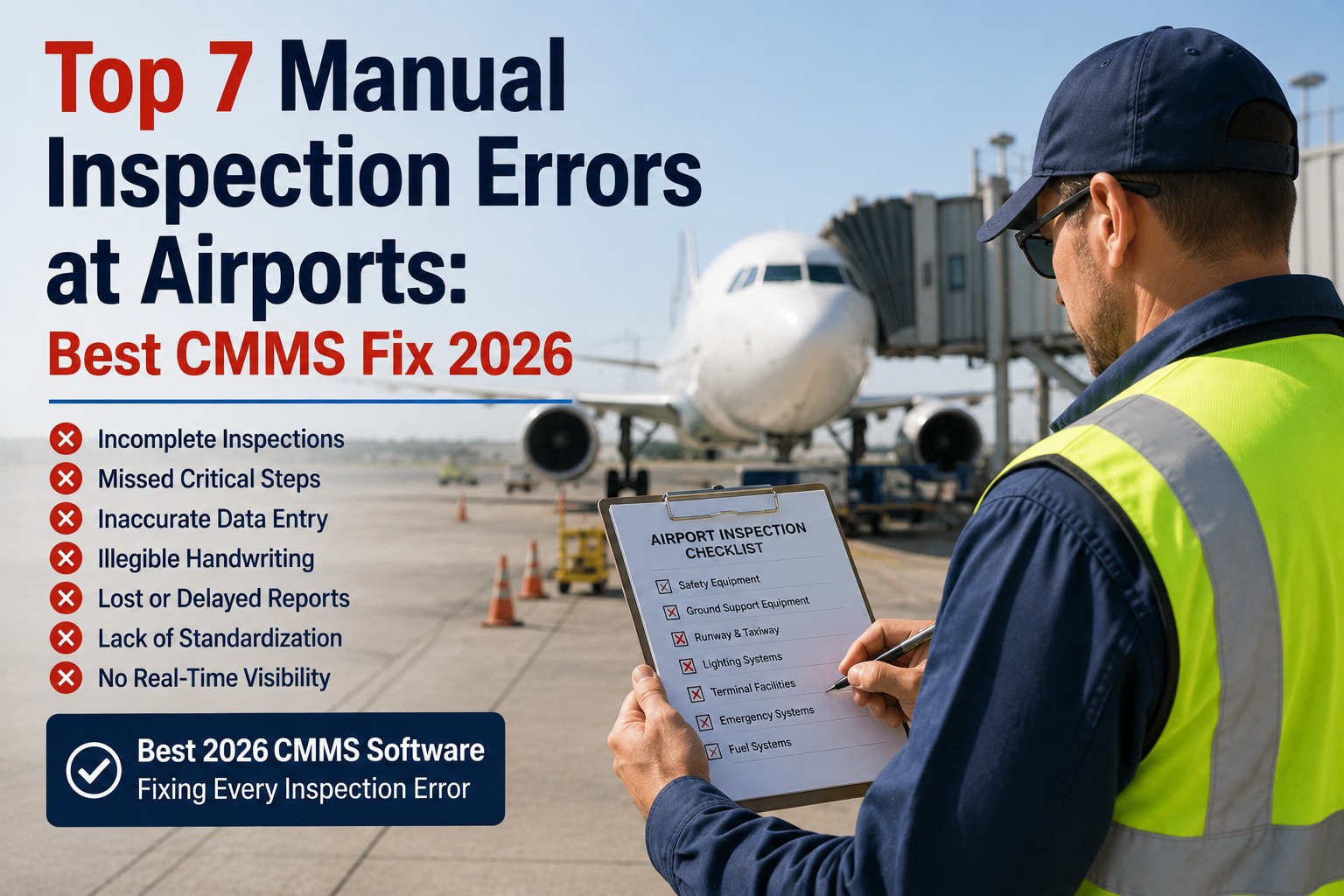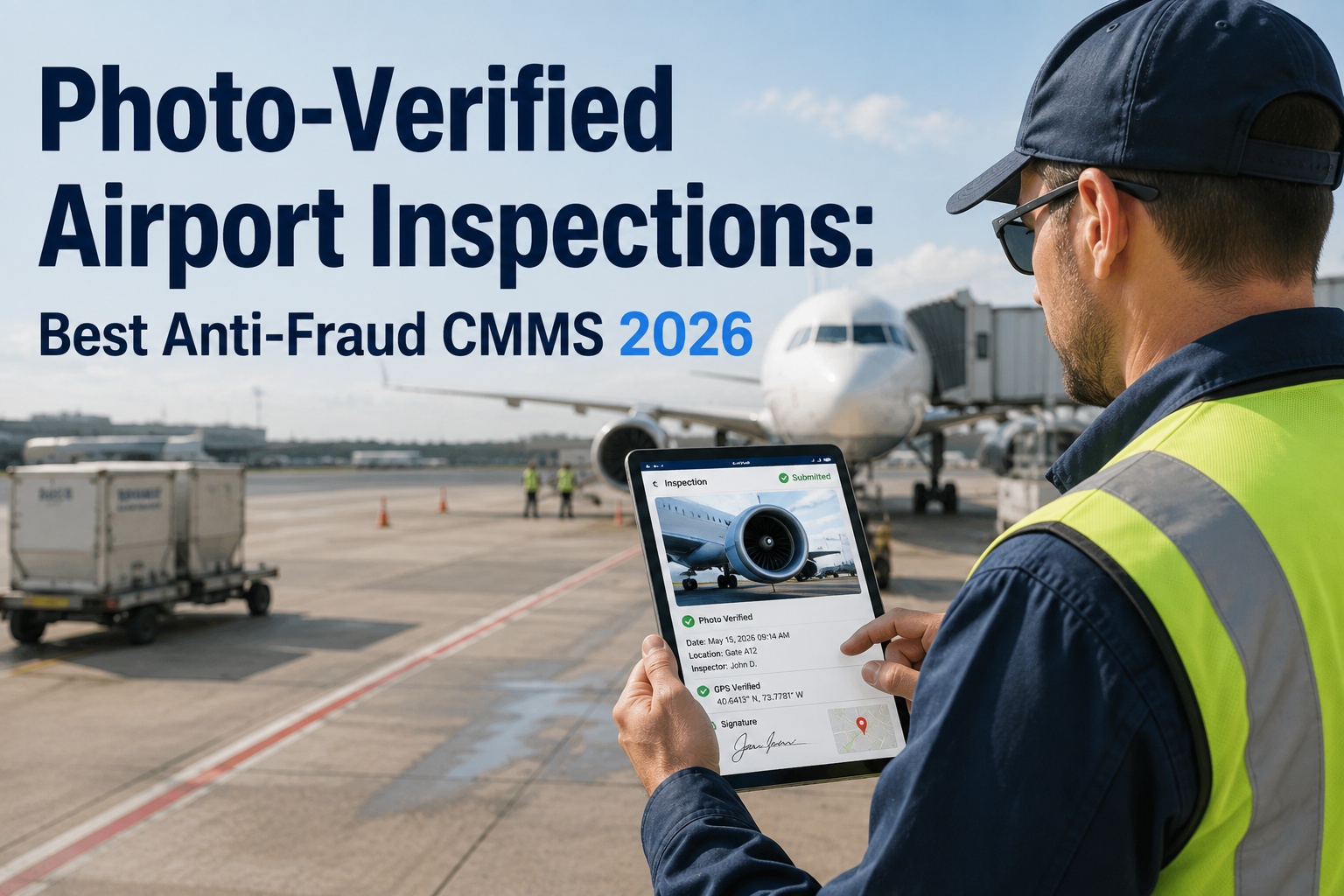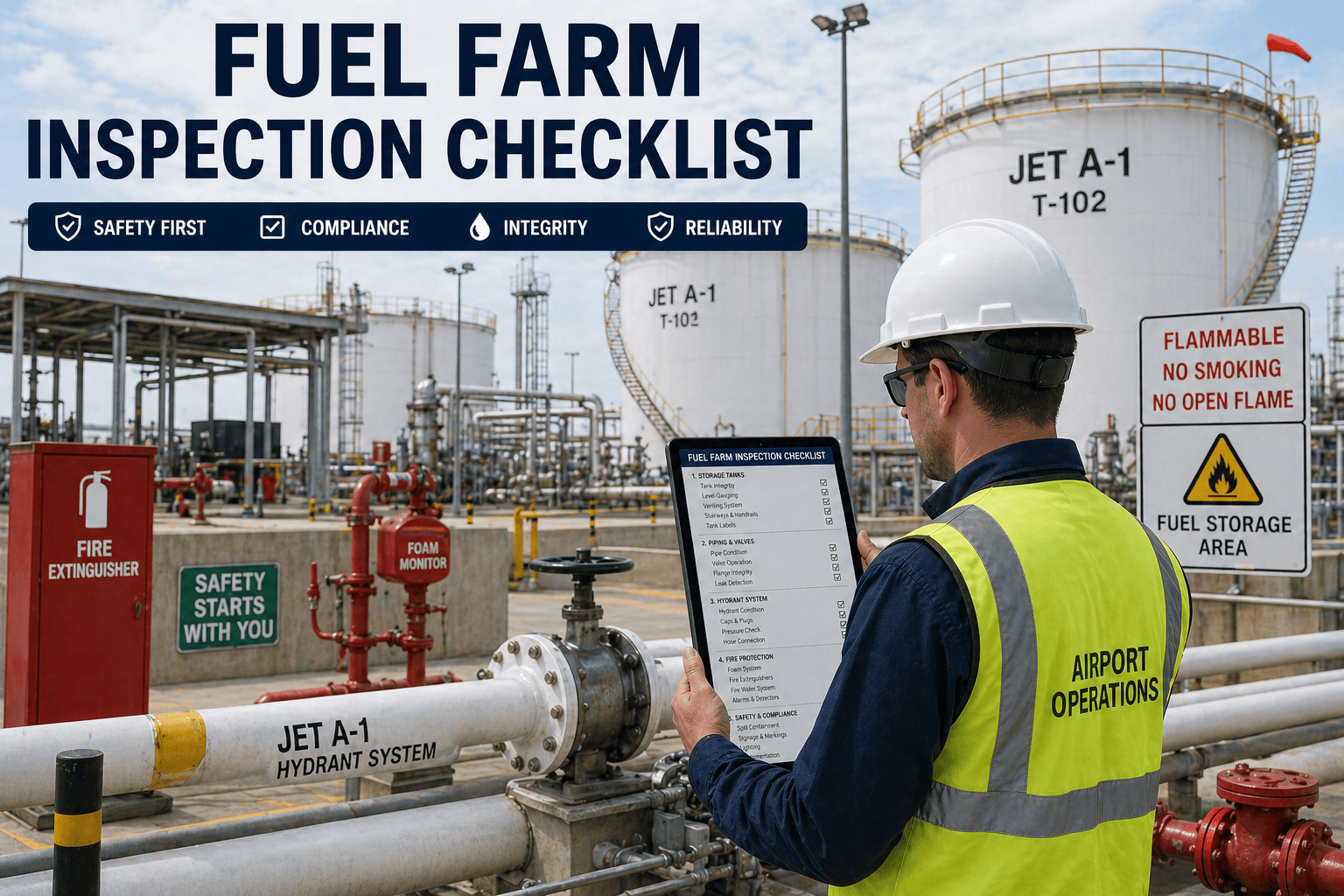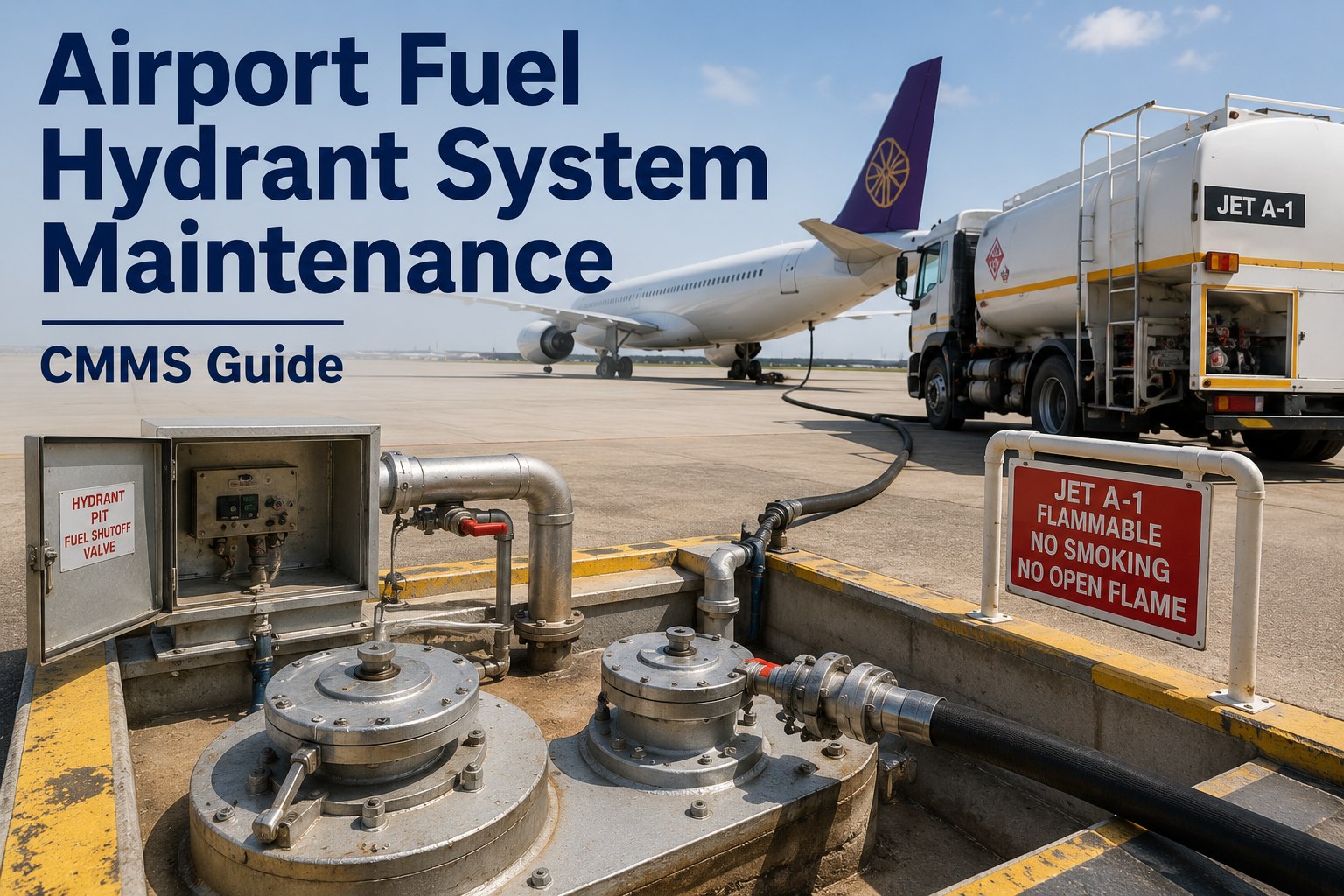
Airport fuel hydrant system maintenance demands a rare combination of safety rigor, environmental compliance, and operational uptime — a single unmonitored pit valve or unchecked pipeline leak can ground flights, trigger EPA SPCC violations, and cost millions in remediation. This CMMS fuel hydrant guide for 2026 walks maintenance and reliability teams through pit valve inspection schedules, fuel quality testing protocols, hydrant pipeline integrity programs, and automated ATG monitoring — showing how a purpose-built CMMS replaces clipboard-driven compliance with auditable, predictive maintenance workflows. Whether you manage a 12-stand regional fuel farm or a 120-gate international hub, the right fuel system CMMS eliminates paper work orders, centralizes SPCC inspection records, and predicts valve failures before fuel contamination or release events occur. Ready to modernize your fuel hydrant maintenance? Start Free Trial and see OxMaint on your assets today.
Is Your Airport Fuel Hydrant Maintenance Still Running on Paper, Spreadsheets, and Memory?
A single missed pit valve inspection can trigger a fuel release event costing $250K–$4M in EPA penalties, flight delays, and remediation. OxMaint replaces clipboard compliance with AI-driven PM scheduling, real-time ATG integration, and audit-ready SPCC records — so your fuel system stays safe, compliant, and operational 24/7.
What Does Airport Fuel Hydrant Maintenance Actually Cover?
An airport fuel hydrant system is a pressurized, underground pipeline network — typically 6 to 24 inches in diameter — that moves Jet-A fuel from a central fuel farm to aircraft parking stands via hydrant pits, pit valves, and dispensing hoses. Maintaining it means managing four interlocking risk domains simultaneously: mechanical integrity, fuel quality, leak detection, and environmental compliance. Below is the breakdown of what a CMMS-driven fuel hydrant maintenance program must address.
Hydrant Pipeline Integrity
Cyclic pressure testing, cathodic protection monitoring, and smart-pigging for wall-loss detection. Carbon steel lines require 5-year hydrostatic recertification; stainless segments demand chloride pitting inspections every 18 months.
Pit Valve & Hydrant Pit Inspection
Isolation valves, deadman controls, and vent valves inspected every 30–90 days. Pits must be checked for water accumulation, vapor concentration, and valve seat leakage — a single corroded seat can dump 200+ gallons before detection.
Fuel Quality Testing
Clear-and-bright tests, membrane color (MCA), and particulate contamination checks at every fuel receipt and daily at hydrant endpoints. WSIM testing and conductivity checks run weekly per ATA 103 and EI 1530 standards.
Leak Detection & ATG Monitoring
Automatic tank gauges, line pressure transducers, and statistical inventory reconciliation (SIR) must run continuously. EPA-mandated leak detection threshold is 0.2 gal/hr — anything above triggers immediate shutdown and reporting.
Airport Fuel Hydrant Maintenance Checklist by Frequency
Every fuel hydrant maintenance program runs on layered inspection intervals — from daily walk-downs to multi-year pipeline recertification. Below is a CMMS-structured checklist covering the tasks, frequencies, and compliance drivers that maintenance teams must schedule, execute, and document year-round. Miss any one of these and your next FAA or EPA audit becomes a liability event.
| Inspection Task | Frequency | Standard / Driver | CMMS Trigger |
|---|---|---|---|
| Pit visual inspection — water, debris, vapor concentration | Daily | ATA 103 / Airport Ops | Recurring work order — auto-generated 06:00 |
| Clear & bright test at dispenser endpoints | Daily (per shift) | EI 1530 / ATA 103 | Shift-based checklist form |
| Deadman control function test | Weekly | Manufacturer spec | PM trigger — usage + 7 days |
| Membrane color (MCA) test | Weekly | EI 1530 | Scheduled PM with lab result upload |
| Pit valve full-stroke exercise | Monthly | API 1604 / Airport Fuel System spec | Condition-based + calendar PM |
| Cathodic protection rectifier reading | Monthly | NACE SP0169 | Scheduled reading — threshold alert |
| Emergency shutdown (ESD) valve test | Quarterly | EPA SPCC / NFPA 407 | Mandatory PM — locked compliance record |
| WSIM & conductivity test | Monthly | ASTM D2550 / D2624 | Lab integration + auto-flag |
| Hydrant line pressure test | Annual | API 570 / Airport Authority | Annual shutdown PM — multi-asset |
| Hydrostatic pipeline recertification | Every 5 years | API 570 / DOT 195.329 | Multi-year PM — auto-scheduled 90 days out |
| SPCC Plan review & update | Every 5 years | EPA 40 CFR 112 | Document PM with approval workflow |
How OxMaint's CMMS Solves Fuel Hydrant Maintenance
OxMaint was built for maintenance teams operating in high-stakes, high-compliance environments. For airport fuel hydrant systems, it replaces fragmented spreadsheets, paper pit inspection forms, and reactive valve repairs with a unified, AI-powered CMMS that schedules every PM, captures every reading, and predicts failures before they become release events. Here is how four core OxMaint capabilities map directly to fuel hydrant maintenance outcomes.
Automated PM Scheduling for Pit Valves & Pits
OxMaint auto-generates daily, weekly, monthly, and multi-year PM work orders for every hydrant pit, valve, and dispenser — triggered by calendar, usage cycles, or condition thresholds. No more missed ESD valve tests or expired hydrostatic recertifications.
ATG & Sensor Integration for Real-Time Leak Detection
OxMaint ingests continuous data from automatic tank gauges, line pressure transducers, and SIR systems — auto-creating critical work orders the moment a 0.2 gal/hr anomaly is detected, and logging the event chain for EPA reporting.
SPCC-Ready Compliance Documentation
Every inspection, test result, valve stroke, and corrective action is captured in a tamper-evident digital record with timestamps, technician signatures, and photo evidence. Generate a complete SPCC audit packet in minutes, not weeks.
AI-Driven Predictive Valve & Pump Failure Prediction
OxMaint's predictive engine analyzes valve stroke times, pressure drop trends, and historical failure data to flag degrading components 2–6 weeks before failure — letting you schedule replacements during planned shutdown windows instead of during peak operations.
What Does Reactive Fuel Hydrant Maintenance Actually Cost?
Most airport fuel system teams don't calculate the true cost of reactive maintenance until a release event forces the math. Consider a mid-sized hub with 60 hydrant pits, 120 pit valves, and 8 miles of underground hydrant piping — running on spreadsheets and clipboard inspections. Here is what the numbers look like when you move from reactive to CMMS-driven preventive maintenance with OxMaint.
Typical range for a 60-pit hydrant system with 4–6 reactive failures annually, excluding major release events.
Includes OxMaint subscription, planned valve/pump replacements, and reduced emergency callouts.
A 55-gate regional airport operating 48 hydrant pits on a spreadsheet-based PM system experienced 3 valve seat failures and 1 minor release event in a single year — costing $680K in emergency repairs, flight diversions, and EPA-mandated soil remediation. After deploying OxMaint's CMMS with ATG integration and predictive valve analytics, the same airport went 18 months with zero unplanned hydrant failures and passed its next SPCC audit with zero findings. The airport's maintenance director reported the system paid for itself within the first quarter by preventing a single mid-tier release event.
How to Deploy a Fuel Hydrant CMMS in 90 Days
Switching from spreadsheets and paper to a CMMS for fuel hydrant maintenance doesn't require a multi-year IT project. OxMaint is designed for rapid deployment — most airport fuel system teams are fully operational within 60–90 days, with historical asset data imported, PM schedules configured, and compliance documentation live. Here is the standard implementation timeline.
Asset Hierarchy & Data Import
OxMaint onboarding team maps your fuel farm, hydrant pits, valves, pumps, dispensers, and pipelines into a structured asset hierarchy. Historical PM records, manufacturer specs, and SPCC plans are imported — no clean data? We help you build it.
PM Schedule Configuration
Daily, weekly, monthly, quarterly, and multi-year PMs are configured per asset — aligned to ATA 103, EI 1530, EPA SPCC, and NACE standards. Checklist forms, threshold alerts, and escalation rules are set up for each inspection type.
ATG & Sensor Integration
OxMaint connects to your automatic tank gauges, pressure transducers, and SIR system via API or OPC-UA. Real-time leak detection thresholds are configured, and auto-work-order creation rules are activated for anomaly events.
Team Training & Go-Live
Technicians are trained on mobile work order execution, photo capture, and digital checklist completion. Compliance managers learn audit-report generation and SPCC documentation workflows. System goes fully live — paper forms retired.
See OxMaint on Your Fuel Hydrant System — Book a 30-Min Demo
Walk through a live fuel hydrant CMMS environment configured for your airport's pit count, pipeline layout, and compliance requirements. See PM auto-scheduling, ATG integration, and SPCC audit reporting in action.
Airport Fuel Hydrant Maintenance & CMMS — Top Questions
How often should airport fuel hydrant pit valves be inspected?
Fuel hydrant pit valves require daily visual pit inspections for water, debris, and vapor concentration, weekly deadman control function tests, monthly full-stroke valve exercises, and quarterly emergency shutdown (ESD) valve tests per EPA SPCC and NFPA 407 requirements. A CMMS like OxMaint automates every one of these intervals — auto-generating work orders, capturing results digitally, and escalating any missed inspection so nothing slips through the cracks.
What fuel quality testing is required for airport hydrant systems?
Airport fuel hydrant systems require daily clear-and-bright tests at dispenser endpoints, weekly membrane color (MCA) tests per EI 1530, monthly WSIM and conductivity checks per ASTM D2550 and D2624, and continuous particulate monitoring at fuel receipt points. All results must be documented and traceable for ATA 103 compliance — OxMaint's CMMS provides digital checklist forms with lab-result upload fields and automatic pass/fail flagging based on your quality thresholds.
What are the EPA SPCC requirements for airport fuel hydrant systems?
EPA SPCC regulations (40 CFR 112) require airports with aboveground oil storage capacity over 1,320 gallons to maintain a Spill Prevention, Control, and Countermeasure Plan, conduct regular integrity testing of fuel storage and hydrant system components, implement leak detection capable of detecting 0.2 gal/hr, and review the SPCC plan every 5 years. OxMaint maintains every inspection record, test result, and corrective action in a tamper-evident, audit-ready format — you can generate a complete SPCC compliance packet in minutes. Book a Demo to see the SPCC reporting workflow.
Can a CMMS integrate with existing ATG and leak detection systems?
Yes — OxMaint integrates with automatic tank gauges, line pressure transducers, and statistical inventory reconciliation (SIR) systems via API, OPC-UA, or Modbus connections. When the leak detection system flags an anomaly above the 0.2 gal/hr EPA threshold, OxMaint automatically creates a critical-priority work order, notifies on-call technicians, and logs the complete event chain for compliance reporting — reducing response time from hours to under 4 minutes.
How long does it take to deploy a CMMS for airport fuel hydrant maintenance?
A typical OxMaint deployment for airport fuel hydrant maintenance takes 60–90 days: 15 days for asset hierarchy and data import, 25 days for PM schedule configuration, 25 days for ATG and sensor integration, and 25 days for team training and go-live. Most airport fuel system teams retire paper inspection forms entirely by day 90 — and the system typically pays for itself within 4.2 months by preventing a single unplanned valve failure or release event. Start Free Trial to begin your deployment.
Stop Managing Fuel Hydrant Compliance on Paper
Join the airport maintenance teams using OxMaint to cut unplanned downtime 72%, eliminate SPCC audit findings, and predict valve failures before they ground a single flight.
Free 14-day trial · No credit card