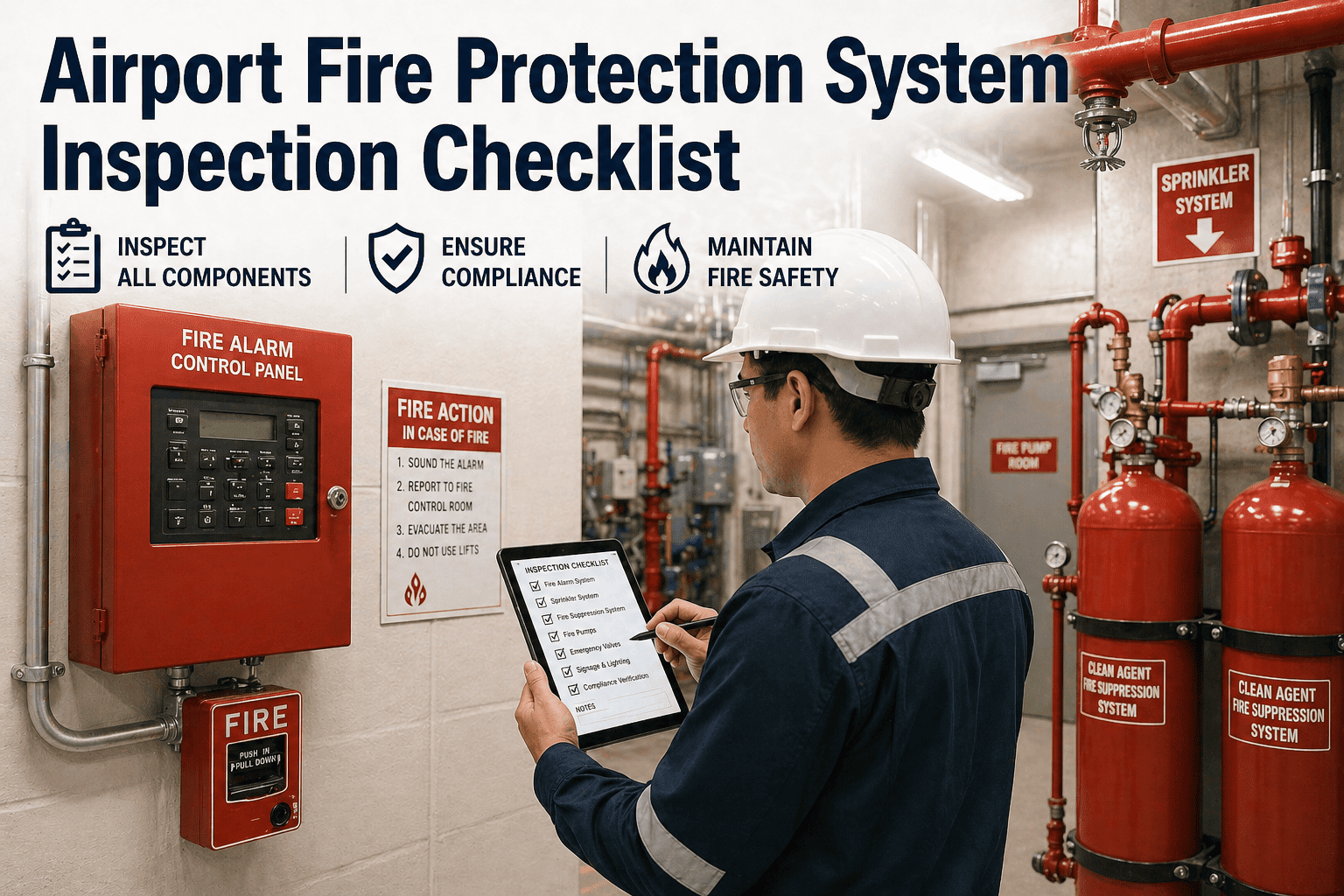
Your FAA Part 139 inspection is scheduled for next month. Your operations team has been running daily self-inspections for the past year—hundreds of paper checklists stuffed into filing cabinets, handwritten notes that are difficult to decipher, and corrective actions that may or may not have been completed. Now you need to prove compliance across runway markings, lighting systems, ARFF equipment, wildlife management, and a dozen other regulatory categories. The scramble begins. This scenario plays out at airports across the country, but it doesn't have to. Digital inspection and compliance platforms transform scattered documentation into audit-ready evidence, turning regulatory burden into operational advantage.
Why Airport Compliance Has Become More Complex
The aviation compliance monitoring software market reached $10.93 billion in 2024 and is projected to grow at 8.2% annually through 2033. This growth reflects a fundamental shift in how regulatory bodies approach oversight. The FAA's 2023 update to Part 139 introduced new Safety Management System requirements for certain airports, adding another layer of documentation and process management. Meanwhile, TSA civil penalties can reach $42,657 per violation for aircraft operators and $17,062 for airport operators. The cost of non-compliance extends far beyond fines—it includes operational disruptions, reputational damage, and in extreme cases, certificate suspension or revocation.
Airport operators who sign up for digital inspection platforms report significant improvements in audit preparation time and compliance tracking accuracy. The difference between paper-based and digital systems becomes starkest during actual FAA inspections, when inspectors request documentation spanning months of daily operations.
The Digital Transformation of Airport Inspections
Manual inspection processes create several vulnerabilities. Paper checklists can be lost, damaged, or illegible. Handoff between shifts introduces communication gaps. Corrective actions may be documented but not tracked to completion. And when the FAA arrives for an annual certification inspection, the administrative burden of compiling twelve months of records falls on already stretched operations teams. Digital inspection platforms address each of these pain points by creating a single source of truth for compliance documentation.
Research indicates that digital inspection platforms can improve scheduling efficiency by up to 75% and overall operational efficiency by up to 40%. For airport operations teams managing multiple daily inspections across expansive facilities, these gains translate directly to labor cost savings, and improved regulatory readiness. Airports ready to explore how digital workflows can streamline their compliance processes can book a free demo to see the platform in action.
Core Capabilities of Modern Compliance Platforms
Effective airport inspection software must address the unique requirements of aviation regulatory compliance while integrating with existing airport operations. The most valuable platforms combine mobile inspection capabilities, automated work order generation, and comprehensive audit trail documentation.
Regulatory Framework Integration
Airport compliance extends beyond FAA Part 139 requirements. Facilities must also address TSA security regulations, ICAO international standards for airports with international operations, and state-specific environmental requirements. A comprehensive compliance platform consolidates these overlapping requirements into unified inspection workflows.
| Authority | Primary Focus Areas | Audit Frequency | Non-Compliance Risk |
|---|---|---|---|
| FAA Part 139 | Airfield safety, ARFF, markings, lighting, SMS | Annual + unannounced | Certificate action, fines |
| TSA 49 CFR 1542 | Access control, SIDA, perimeter security | Ongoing inspections | Up to $42,657/violation |
| ICAO Annex 14 | International aerodrome standards | USAP-CMA audits | International operations impact |
| IATA ISAGO | Ground handling service providers | Every 24 months | Registry status, airline contracts |
| EPA/State | Stormwater, fuel storage, deicing | Varies by permit | Fines, permit revocation |
Aviation compliance professionals managing these multi-layered requirements benefit from platforms that provide unified documentation. When a single discrepancy impacts multiple regulatory frameworks, having interconnected records demonstrates comprehensive corrective action. Operations teams looking to consolidate their compliance documentation can sign up for free to evaluate platform capabilities against their specific regulatory requirements.
Expert Perspective: The Evolution of Airport Safety Oversight
The shift toward digital compliance management in aviation reflects a broader recognition that safety and efficiency are not competing priorities. When airport operators have real-time visibility into inspection status, discrepancy resolution, and compliance trends, they make better decisions. The integration of AI and predictive analytics into these platforms represents the next frontier—moving from reactive compliance to proactive risk management.
Implementation Considerations for Airport Operators
Transitioning from paper-based inspection processes to digital platforms requires thoughtful planning. The most successful implementations begin with a clear understanding of current workflows, regulatory requirements specific to the airport's certification class, and integration needs with existing systems. Airports that approach digital transformation as an opportunity to standardize and improve processes—rather than simply digitizing existing practices—achieve the greatest returns.
Key success factors include comprehensive staff training, phased rollout starting with daily inspections before expanding to periodic and special inspections, and establishing clear data governance protocols. The goal is not just digital documentation but a system that actively improves compliance outcomes through automated alerts, trend analysis, and predictive insights. For airports evaluating their readiness for digital compliance management, book a demo with our specialists to identify the optimal approach for their specific operational context.
Building a Culture of Continuous Compliance
The most effective airport compliance programs view inspections not as regulatory checkboxes but as opportunities to identify and address operational risks before they impact safety or result in violations. Digital platforms enable this proactive approach by surfacing patterns that paper-based systems obscure. When every inspection, every discrepancy, and every corrective action is documented in a searchable system, operations teams can identify recurring issues, allocate resources more effectively, and demonstrate to regulators a systematic approach to safety management.
As the aviation industry continues its recovery and growth trajectory, airports face increasing pressure to do more with existing resources. Digital compliance platforms provide the infrastructure for meeting this challenge while maintaining the rigorous safety standards that aviation demands. The airports that invest in these capabilities now position themselves for regulatory success and operational excellence in the years ahead. Operations professionals ready to transform their compliance management can sign up today and start free.