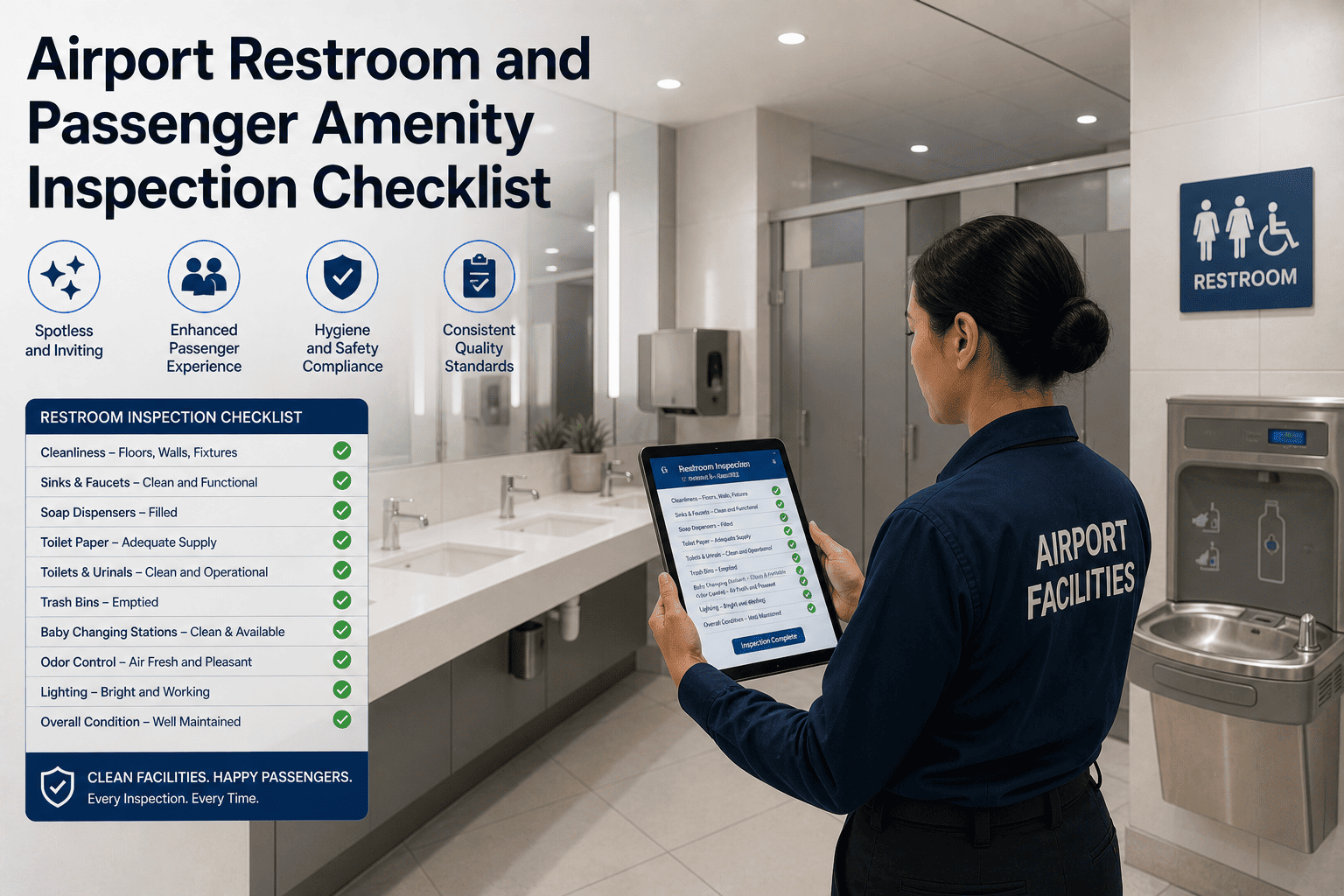
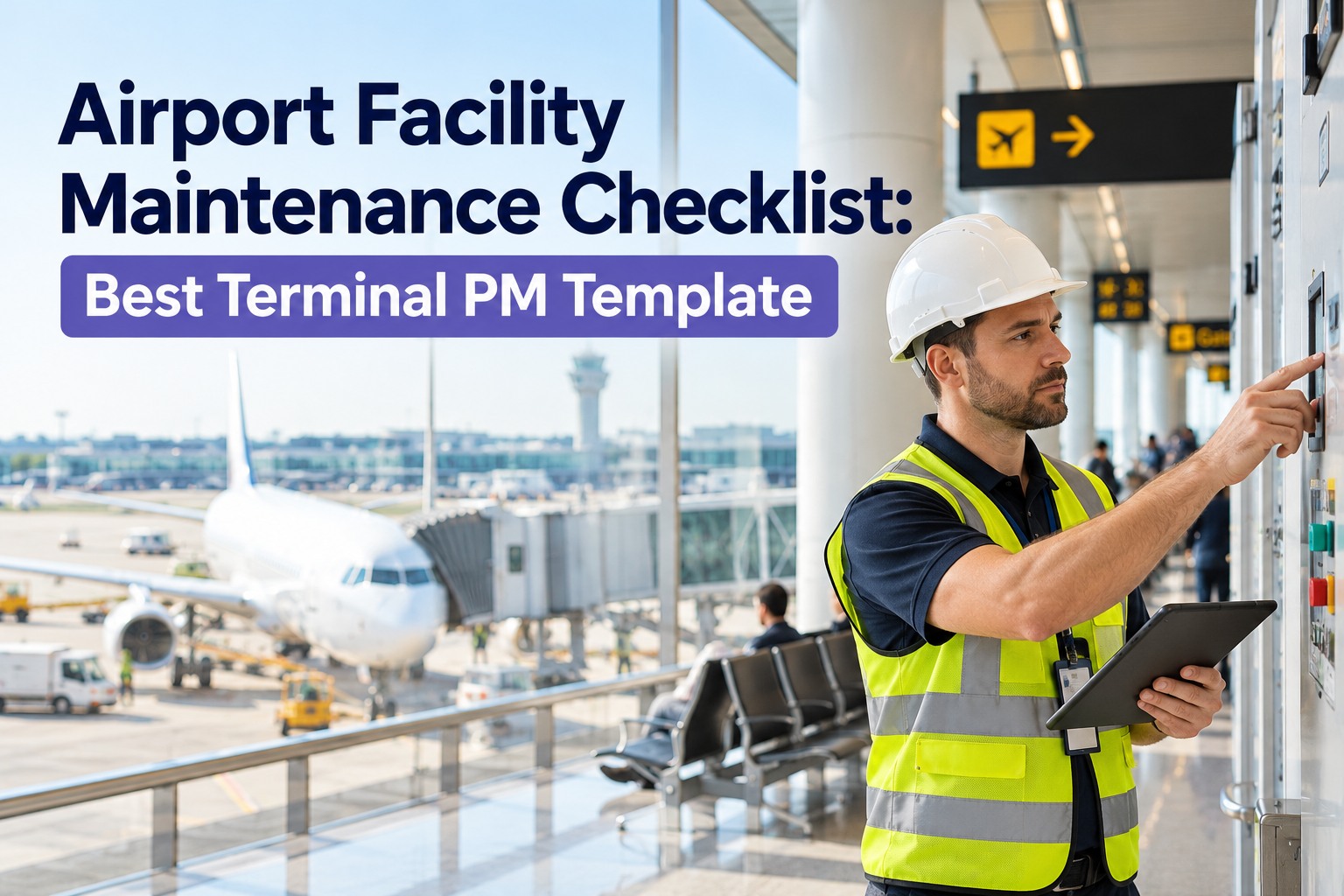
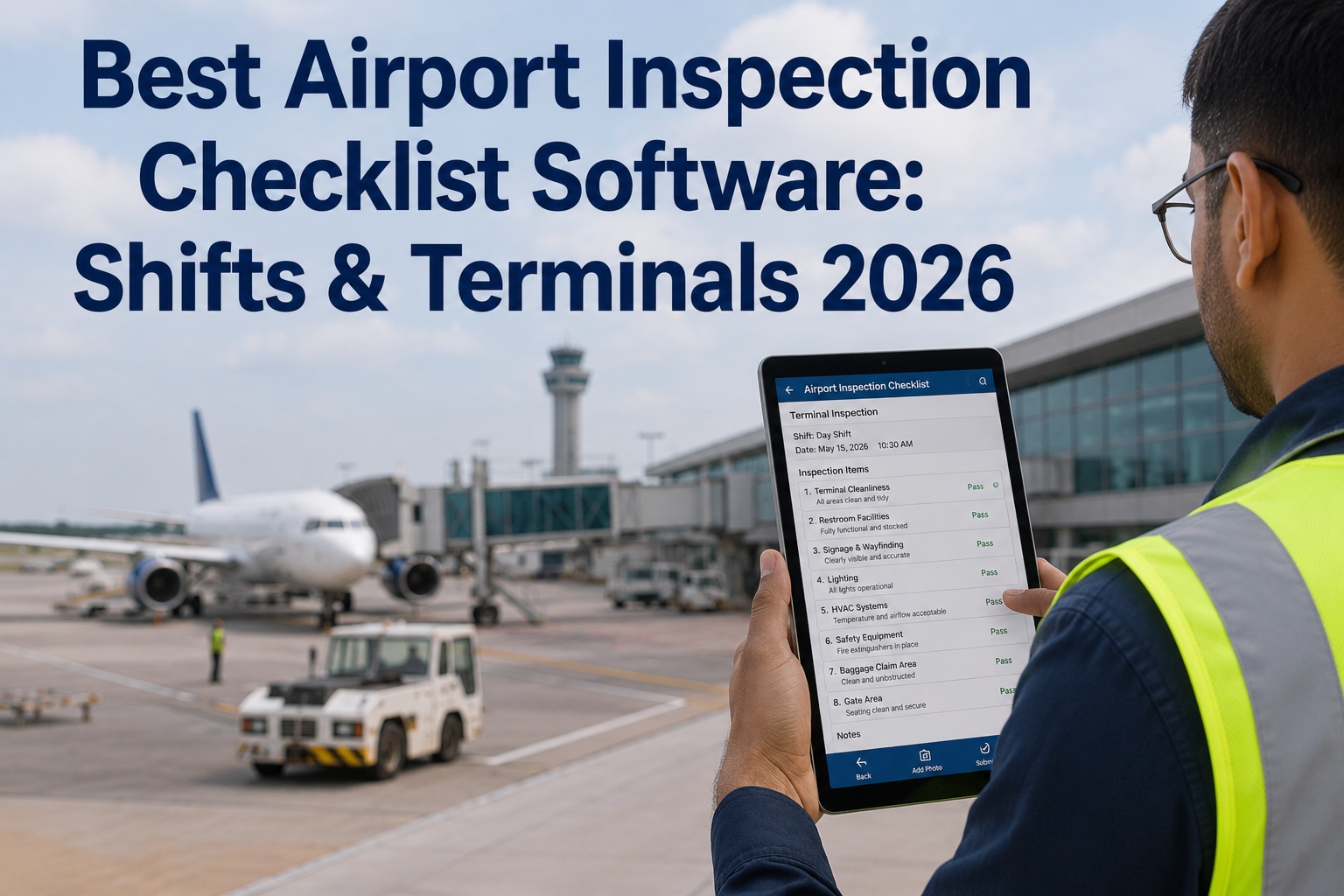
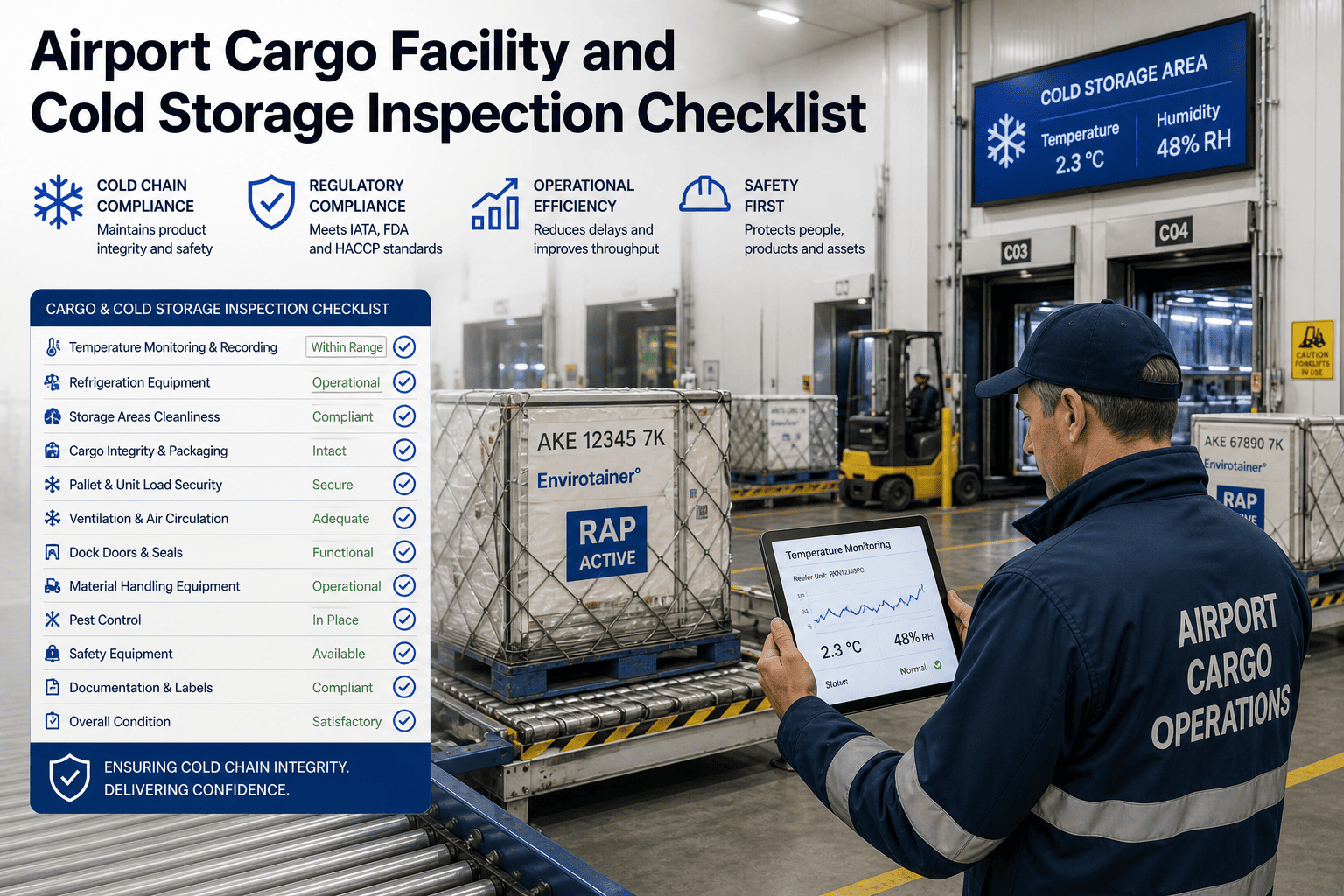
Passenger experience begins the moment someone walks through the terminal door — and restroom condition is consistently the number-one facility factor cited in airport satisfaction surveys. According to the Airports Council International, restroom cleanliness scores account for up to 34% of overall terminal satisfaction ratings. Yet most airports still manage restroom inspections with paper rounds sheets taped to the back of stall doors. That is not an inspection system — it is a liability document that no one reads. This guide covers the complete airport restroom and passenger amenity inspection checklist that facility managers, terminal operations supervisors, and cleaning contractors need to meet hygiene standards, ADA compliance requirements, and passenger expectations consistently. Start a free trial with Oxmaint to replace paper rounds with digital inspection workflows, or book a demo to see how terminal teams are improving inspection completion rates by over 90%.
A structured, compliance-aligned inspection framework covering cleanliness standards, fixture maintenance, ADA requirements, supply management, and hygiene audits across every terminal facility.
Of terminal satisfaction score driven by restroom cleanliness
$2,500+
ADA fine per violation per day for non-compliant facilities
91%
Inspection completion rate with digital vs. 54% paper-based
Every 2hrs
Minimum inspection frequency required by most airport standards
Definition
What Is an Airport Restroom & Passenger Amenity Inspection?
An airport restroom and passenger amenity inspection is a scheduled, documented check of all passenger-facing terminal facilities — restrooms, nursing rooms, prayer rooms, family rooms, shower suites, drinking fountains, and seating areas — against a defined hygiene, functionality, and compliance standard.
Unlike housekeeping rounds that simply confirm a space has been cleaned, a proper inspection validates that every fixture works, every supply is stocked, every ADA requirement is met, and every deficiency is logged with a corrective action timeline — creating an accountability trail that protects the airport in the event of a passenger complaint or regulatory audit.
What Is at Stake
ACI ASQ scores drop sharply when restroom ratings fall — directly impacting airline concession revenue share negotiations
ADA Title II requires accessible facilities to be maintained in working order — not just built to code
Health department inspections at food-adjacent restrooms can trigger temporary closure orders
Social media complaints about restroom condition spread faster than any other terminal issue
Facility Scope
Eight Passenger Amenity Categories to Inspect
RT
Restrooms
Male, female, gender-neutral, and accessible stalls. Highest traffic, most complex inspection scope.
FR
Family Rooms
Private multi-use facilities with changing tables, larger floor area, and accessible fixtures for families.
Industry audits consistently find that paper rounds sheets are pre-signed or backdated. There is no way to verify that the person who signed the form was physically present at the facility at the recorded time. A digital system with GPS-verified check-in closes this gap completely.
02
ADA Deficiencies Go Unreported Until a Complaint
A broken grab bar or a non-functional door assist button can remain undetected for weeks on a paper rounds system. Under ADA Title II, a documented failure to maintain accessible facilities in working order exposes the airport to claims even when the initial installation was compliant.
03
Supply Stockouts Discovered at the Worst Time
Soap and paper towel stockouts during peak boarding periods generate immediate social media posts. Terminal cleaners rarely have time to cross-check supply inventory during a shift. A digital inspection form that flags below-threshold supplies at the point of inspection prevents the problem before a passenger notices.
04
No Traceability When a Passenger Complaint Arrives
When a complaint about restroom condition reaches airport management at 2pm, the question is always the same: when was it last inspected, who inspected it, and what did they find? Paper systems cannot answer this question accurately. Digital records answer it in under 30 seconds.
Oxmaint Solution
How Oxmaint Transforms Terminal Facility Inspections
01
Digital Rounds With Location Verification
Assign scheduled inspection rounds to cleaning staff by facility zone. Each check-in is timestamped and location-verified — proving the inspector was physically at the facility. No more pre-signed paper rounds.
02
ADA Compliance Tracking
Dedicated ADA checkpoint fields in every inspection form. Any failed accessibility item automatically generates a corrective work order with an escalation timer — ensuring ADA deficiencies are closed within a documented timeframe.
03
Supply Level Monitoring
Inspectors log supply levels during each round. Oxmaint flags when soap, paper towels, or sanitary products fall below threshold and can auto-generate a restocking work order to the supply team before the next inspection cycle.
04
Photo Evidence on Deficiencies
Inspectors capture photos of any failed checkpoint directly in the mobile app. The photo is attached to the deficiency record, timestamped, and visible to the supervisor immediately — providing irrefutable documentation of both the problem and its resolution.
05
Passenger Complaint Cross-Reference
When a passenger complaint arrives, supervisors pull the inspection history for that facility with one click — seeing every check completed, every deficiency found, and every corrective action taken in the 24 hours before the complaint was raised.
06
Multi-Terminal Portfolio Dashboard
For airports with multiple terminals or concourses, Oxmaint gives operations directors a live view of inspection completion status, open deficiencies, and overdue rounds across every facility — without calling a supervisor in each terminal.
Before vs. After
Paper Rounds vs. Digital Inspection System
Inspection Factor
Paper Rounds System
Oxmaint Digital Inspections
Completion verification
Signature only — no proof of presence
GPS-verified check-in, timestamped
ADA deficiency tracking
Free-text notes, rarely followed up
Auto work order with escalation timer
Supply stockout detection
Discovered by passenger, not inspector
Flagged at inspection, auto restocking order
Complaint response time
30–90 minutes searching paper records
Full history in under 30 seconds
Inspection completion rate
54% average (industry audit data)
91%+ with scheduled digital assignments
Deficiency photo evidence
Not captured
Photo attached at point of inspection
Ready to close the gap between what your cleaning team reports and what is actually happening on the ground? Start a free trial and deploy your first digital restroom inspection in the same day, or book a demo to walk through the complete terminal facility workflow.
91%
Inspection completion rate
Digital vs. 54% on paper rounds systems
34%
Of ACI satisfaction score
Directly driven by restroom cleanliness ratings
30 sec
To pull full inspection history
When a passenger complaint arrives — vs. 90 min on paper
Zero
Surprise ADA deficiency exposures
Every failed checkpoint auto-generates a corrective work order
FAQ
Frequently Asked Questions
How often should airport restrooms be inspected during peak operations?
Most major airport standards — including those aligned with ACI Airport Service Quality benchmarks — require restroom inspections at minimum every two hours during operational hours, with high-traffic facilities near gate clusters or food courts often requiring 60-minute or 90-minute inspection cycles during peak periods. The key measure is not just frequency but completion rate and deficiency closure speed. An airport with 60-minute inspection cycles and a 54% completion rate is performing worse than one with 2-hour cycles and a 95% completion rate backed by digital verification. Oxmaint lets you configure inspection frequency by facility, time-of-day, and passenger load — so your busiest restrooms get the attention they need without over-deploying cleaning staff at low-traffic areas.
What ADA requirements specifically apply to airport restroom maintenance?
Airports are subject to ADA Title II (government entities) or ADA Title III (private operators), both of which require that accessible features be maintained in working order. This means that a grab bar, accessible stall, door assist button, or tactile signage that was installed to code but is subsequently broken, blocked, or degraded constitutes an ADA violation — even if the facility was originally built compliant. The ADA standards most relevant to restroom inspection are found in the 2010 ADA Standards for Accessible Design, which specify turning radius clearances, grab bar placement and load rating, sink knee clearance dimensions, and signage requirements. Inspection checklists in Oxmaint can be mapped directly to these standards, and any failed accessibility checkpoint generates a documented corrective work order with a closure timestamp — the exact record you need if an ADA complaint is filed.
Can Oxmaint track cleaning contractor performance separately from in-house staff?
Yes. Oxmaint supports multiple user roles and can assign inspections to specific individuals or contractor groups. Each completed inspection carries the identity of the person who submitted it, the time it was submitted, and whether it was completed within the scheduled window. This gives airport operations managers a clear, data-backed view of contractor performance — including completion rates, average inspection time, deficiency rates per inspector, and closure speed on corrective items. For airports managing cleaning contracts with performance-based KPIs, Oxmaint's inspection records provide the objective data needed to manage SLA compliance and support contract renewal or penalty discussions with documented evidence rather than verbal disputes.
How does Oxmaint handle restroom inspection during off-peak hours when passenger count is low?
Oxmaint's scheduling module supports variable-frequency inspection windows. You can configure a 2-hour inspection cycle during peak hours (5am–9am, 5pm–9pm) and a 4-hour cycle during off-peak periods — with automatic schedule adjustment so your cleaning team is not assigned unnecessary rounds when the terminal is nearly empty. Off-peak inspections in Oxmaint can use a shortened checklist focused on supply restocking and fixture functionality rather than the full cleanliness checklist required during peak periods. This reduces cleaning labor cost during low-traffic hours while maintaining the documentation record required for certification compliance across the full operating day.
Passenger Experience — Powered by Oxmaint
Your Passengers Notice Every Dirty Floor and Empty Soap Dispenser. So Should Your Inspection System.
Oxmaint replaces paper rounds sheets with digital inspection workflows — location-verified, timestamped, and connected to automatic corrective work orders. ADA deficiencies get closed before they become complaints. Supplies get restocked before passengers notice. And every inspection is audit-ready in seconds.