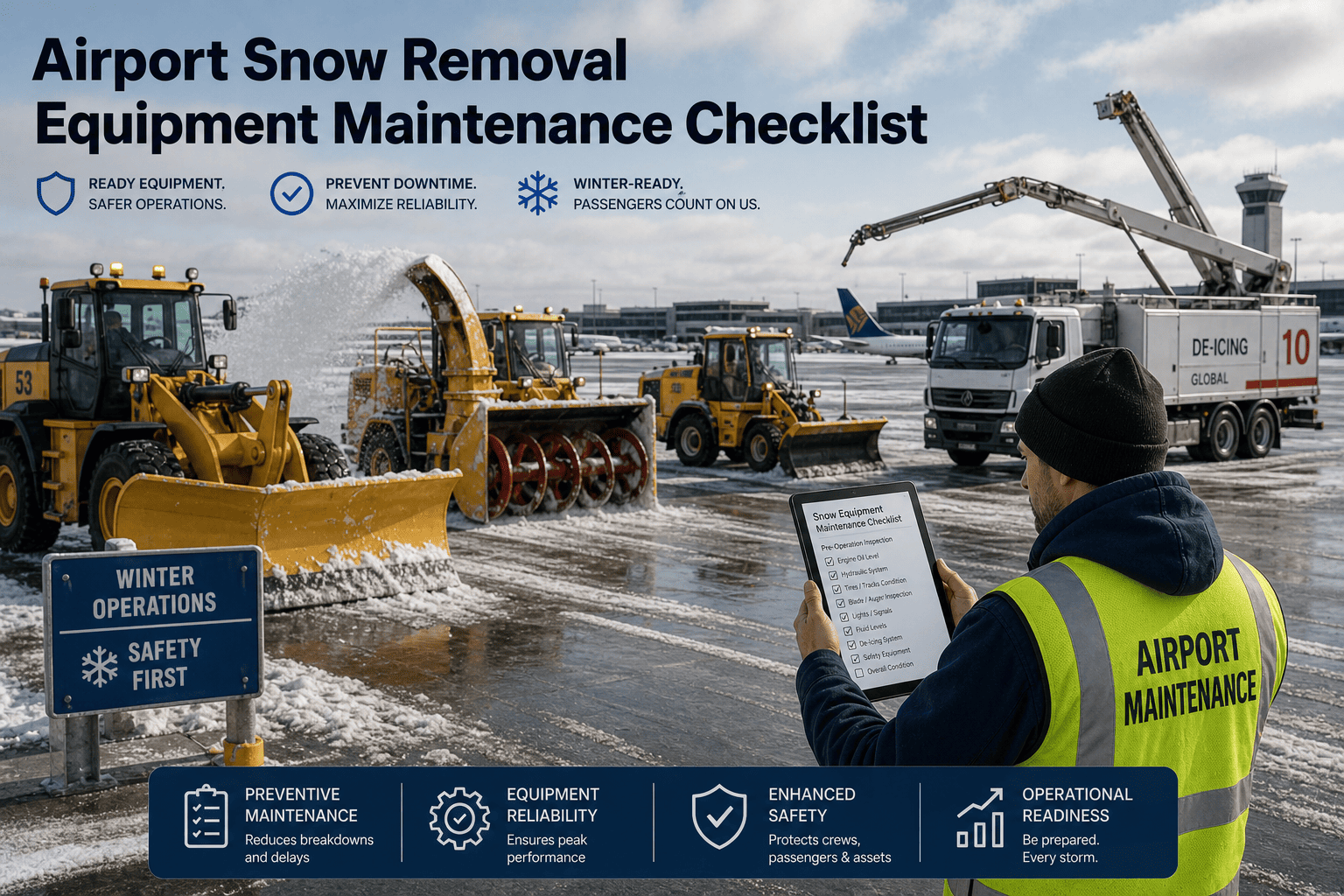
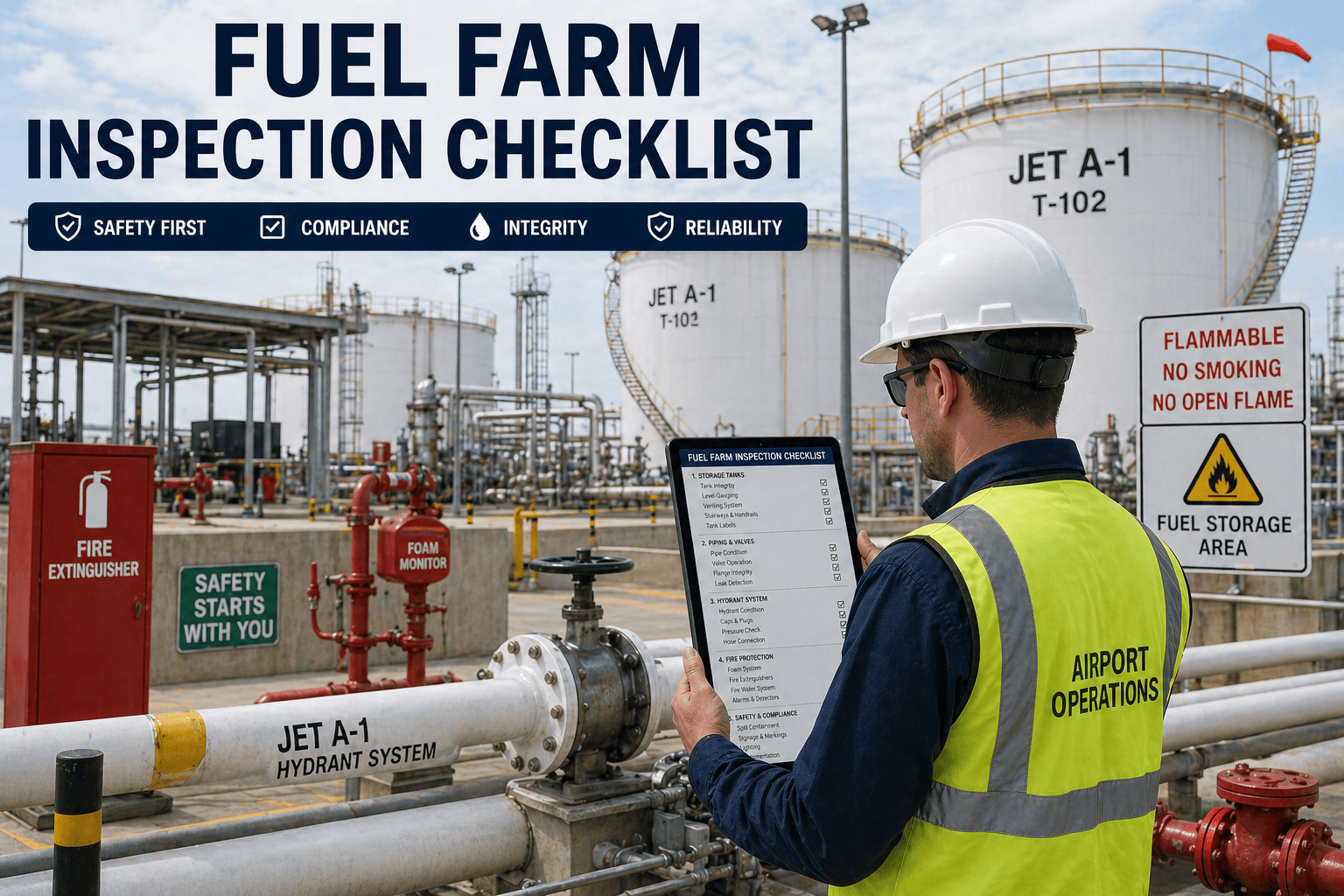
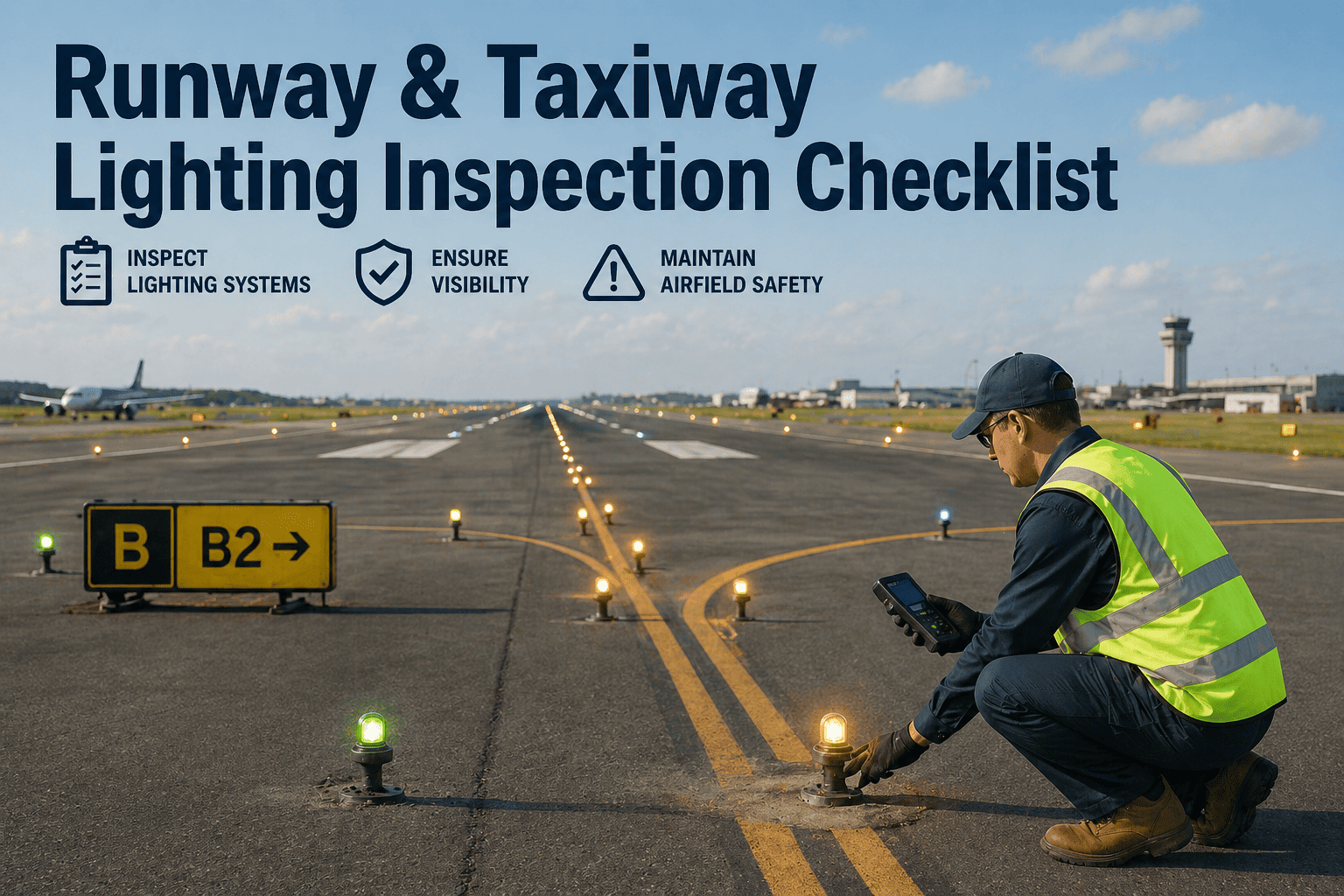
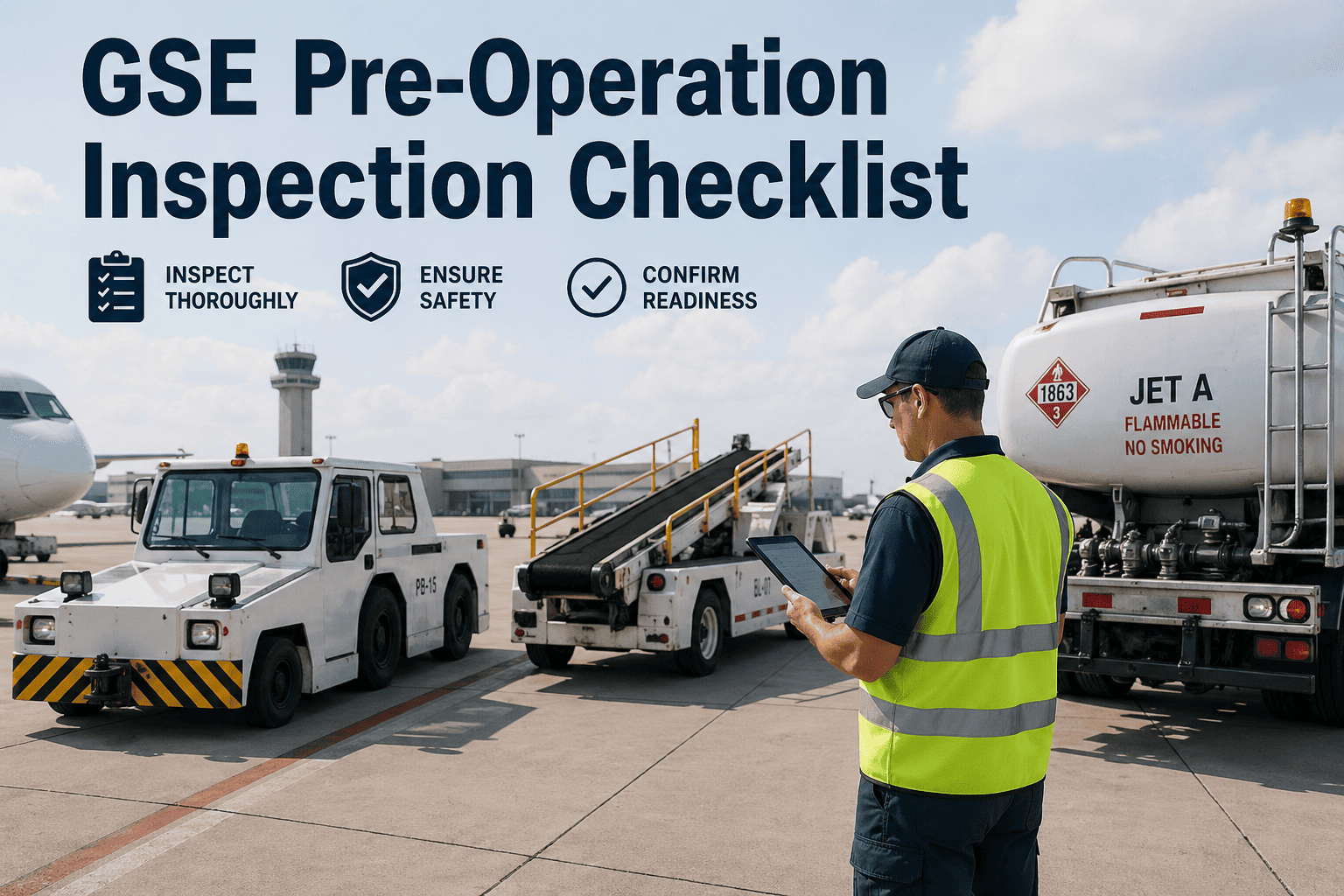
Airport snow removal is one of the highest-stakes maintenance operations in civil aviation. A single equipment failure during an active snowstorm can trigger runway closures, ground delays, and safety violations that cost airports millions in fines and recovery. Studies show that unplanned equipment downtime during winter operations costs airports 4.8x more than scheduled preventive maintenance — and that gap widens every year as equipment fleets age. This guide covers the complete airport snow removal equipment maintenance checklist that operations managers, airfield supervisors, and fleet maintenance leads need to keep snowplows, sweepers, blowers, and de-icing trucks inspection-ready before the first flake falls. Start a free trial with Oxmaint to digitize your seasonal equipment readiness program, or book a demo and see how airports are cutting winter equipment failures by over 60%.
Airport Maintenance · Winter Operations · Equipment Readiness
Airport Snow Removal Equipment Maintenance Checklist
Everything your maintenance team needs to inspect, verify, and certify before winter operations begin — snowplows, sweepers, blowers, de-icers, and more.
4.8x
Higher cost of reactive vs. planned maintenance
$2.4M
Average hourly cost of runway closure at mid-size airport
68%
Of winter equipment failures are preventable with PM checklists
30 min
FAA-required response window for runway clearing after snowfall
What Is This
What Is an Airport Snow Removal Equipment Maintenance Checklist?
An airport snow removal equipment maintenance checklist is a structured, pre-season and recurring inspection protocol that covers every piece of airfield winter equipment — from plow blade wear to de-icing fluid system pressure, hydraulic integrity, and engine cold-start readiness.
Unlike general vehicle PM checklists, airport winter equipment inspections must align with FAA Advisory Circulars (AC 150/5200-30), ICAO Annex 14, and local airport operating procedures. Equipment failure during operations is not just a cost issue — it is a safety and regulatory compliance event.
Why It Matters Right Now
FAA can issue civil penalties for inadequate runway clearing response
Insurance carriers require documented PM records for equipment claims
Airlines can claim damages from airports for weather-related delays linked to slow clearing
Aging equipment fleets — average age 12+ years at US regional airports — demand tighter inspection cycles
Equipment Categories
The Four Equipment Categories You Must Cover
SB
Snow Blowers
High-volume blower units that clear compacted snow from runways and taxiways. Auger condition, impeller speed, and discharge chute alignment are critical inspection points.
SP
Snowplows
Front-mounted and underbody plow configurations used for initial clearing passes. Blade wear, cutting edge thickness, and hydraulic lift response must be documented before each season.
RS
Runway Sweepers
High-speed rotary broom sweepers that clear residual snow and rubber deposits. Broom segment wear, forward speed calibration, and vacuum system function are key checks.
DT
De-Icing Trucks
Glycol-based de-icing and anti-icing spreader trucks. Nozzle calibration, fluid pump pressure, tank integrity, and chemical compatibility verification are non-negotiable inspection items.
Full Checklist
Complete Pre-Season Inspection Checklist by Equipment Type
Pain Points
Where Airport Winter Operations Break Down
01
Paper-Based Checklists Get Lost or Skipped
73% of maintenance managers at regional airports report that paper inspection forms are incomplete or missing for at least one piece of equipment when winter operations begin. There is no enforcement, no timestamp, no accountability trail.
02
No Visibility Into Fleet Readiness Status
Fleet managers cannot see, in real time, which units are inspection-complete and which are not. During an active storm, discovering that a critical blower unit has an open inspection item is a serious operational problem.
03
Spare Parts Not Staged Before Season
Cutting edges, shear bolts, broom segments, and hydraulic seals — the parts most likely to fail in winter — are often not inventoried before season start. A mid-storm parts shortage can take a unit offline for days.
04
Inspection Records Not Audit-Ready
FAA airport certification requires documented equipment maintenance records. Inspectors cite incomplete records as a top-5 finding in winter operations audits. Paper records fail this test at an increasing rate.
How Oxmaint Solves It
How Oxmaint Digitizes Airport Winter Equipment Readiness
01
Digital Inspection Forms
Build your snowplow, blower, sweeper, and de-icer inspection templates once. Assign to technicians by asset. Every completed field is timestamped, signed, and stored in your audit record — no paper, no gaps.
02
Fleet Readiness Dashboard
See every unit's inspection status, open deficiencies, and scheduled PM across your entire airfield fleet — in one screen. Know before the storm which units are cleared and which are not.
03
Preventive Maintenance Scheduling
Trigger pre-season inspections automatically based on calendar date or engine hours. Oxmaint sends work orders to technicians before checklist items are overdue — not after an equipment failure.
04
Spare Parts Inventory Alerts
Set minimum stock levels for critical winter parts — broom segments, cutting edges, hydraulic seals. Oxmaint alerts your parts manager when stock falls below threshold before the season starts.
05
Mobile-First Field Inspections
Technicians complete inspections on a tablet or phone, attach photos of deficiencies, and submit with digital signature — directly from the equipment bay, even offline in cold environments.
06
FAA-Ready Audit Documentation
Every inspection record, work order, and corrective action is stored with full timestamp, technician ID, and digital signature. Export a complete audit package for FAA airport certification in minutes.
Before vs. After
Reactive vs. Planned Winter Equipment Management
| Metric |
Without Digital PM System |
With Oxmaint |
| Inspection completion rate |
52–67% average (paper-based) |
97%+ with automated assignment |
| Equipment downtime during winter ops |
3–5 unplanned failures per season |
Reduced by 60–80% with PM scheduling |
| Time to produce audit documentation |
4–8 hours searching paper records |
Under 10 minutes digital export |
| Parts availability at season start |
Discovered shortages during storm |
Automated alerts 30–60 days prior |
| Technician accountability |
No timestamp, no verification |
Digital signature, timestamped, photo evidence |
| Fleet readiness visibility |
Unknown until equipment fails |
Real-time dashboard, every unit, every site |
Want results like this at your airport? Start a free trial and build your first winter inspection template in under an hour, or book a demo to see the full airport fleet management workflow.
60%
Reduction in winter equipment failures
Airports using digital PM scheduling vs. paper-based systems
97%
Inspection completion rate
Vs. 52–67% with paper-based checklists
10 min
To produce full FAA audit package
Vs. 4–8 hours searching paper records
30 days
Earlier parts shortage detection
Before season, not during a storm
FAQ
Frequently Asked Questions
What FAA regulations govern airport snow removal equipment maintenance?
FAA Advisory Circular 150/5200-30 (Airport Field Condition Assessments and Winter Operations Safety) sets the framework for winter operations at certificated airports. It requires airports to maintain equipment capable of meeting response time standards for runway clearing (typically within 30 minutes of storm cessation), document equipment maintenance and readiness, and have qualified personnel for all equipment types. Part 139 airports must demonstrate compliance during annual certification inspections. Oxmaint's digital inspection records and audit export function are specifically designed to satisfy Part 139 documentation requirements.
How often should airport snow removal equipment be inspected during winter season?
Industry best practice — and the approach most aligned with FAA AC 150/5200-30 — is three inspection layers: a full pre-season inspection in September or October before first operational use, a weekly operational check during winter months covering fluid levels, blade condition, and cold-start verification, and a post-event inspection after each major snow or ice event covering damage, consumable wear, and fluid consumption. High-utilization equipment such as primary runway blowers may require daily operational checks during peak winter periods. Oxmaint allows you to configure all three inspection frequencies as separate scheduled work orders with distinct checklist templates.
Can Oxmaint handle multi-site airport operations with different equipment fleets at each location?
Yes. Oxmaint is built for multi-site operations. The asset hierarchy (Portfolio → Property → System → Asset → Component) maps directly to airport operations: your entire airport authority at the portfolio level, individual airports as properties, airfield operations as the system layer, and individual equipment units as assets. Each site maintains its own inspection schedules, work order queues, and equipment records, while portfolio-level reporting gives your maintenance director a consolidated view of fleet readiness across all locations. This is particularly relevant for airport authorities managing multiple regional airports or for airport service contractors operating across several clients.
How does Oxmaint handle de-icing fluid inventory and chemical compliance tracking?
Oxmaint's spare parts and MRO inventory module tracks de-icing fluid stock by product type, concentration, and storage location. When technicians log fluid usage against a work order or inspection event, inventory is decremented automatically. Minimum stock alerts notify your supply team before levels drop below operational threshold — critical for glycol products that require proper secondary containment storage and have regulatory disposal requirements. Chemical safety documentation (SDS sheets) can be attached to the relevant parts record for technician reference. For airports subject to environmental reporting requirements for glycol usage and recovery, Oxmaint's work order history provides the consumption data needed for those reports.
Winter Readiness — Powered by Oxmaint
Your Airport's Winter Equipment Needs a Better System Than a Clipboard
Oxmaint gives airport maintenance teams digital inspection checklists, automated PM scheduling, real-time fleet readiness dashboards, and FAA-ready audit documentation — all in a mobile-first platform built for airfield operations. No heavy implementation. No long onboarding. Ready before your first snowfall.