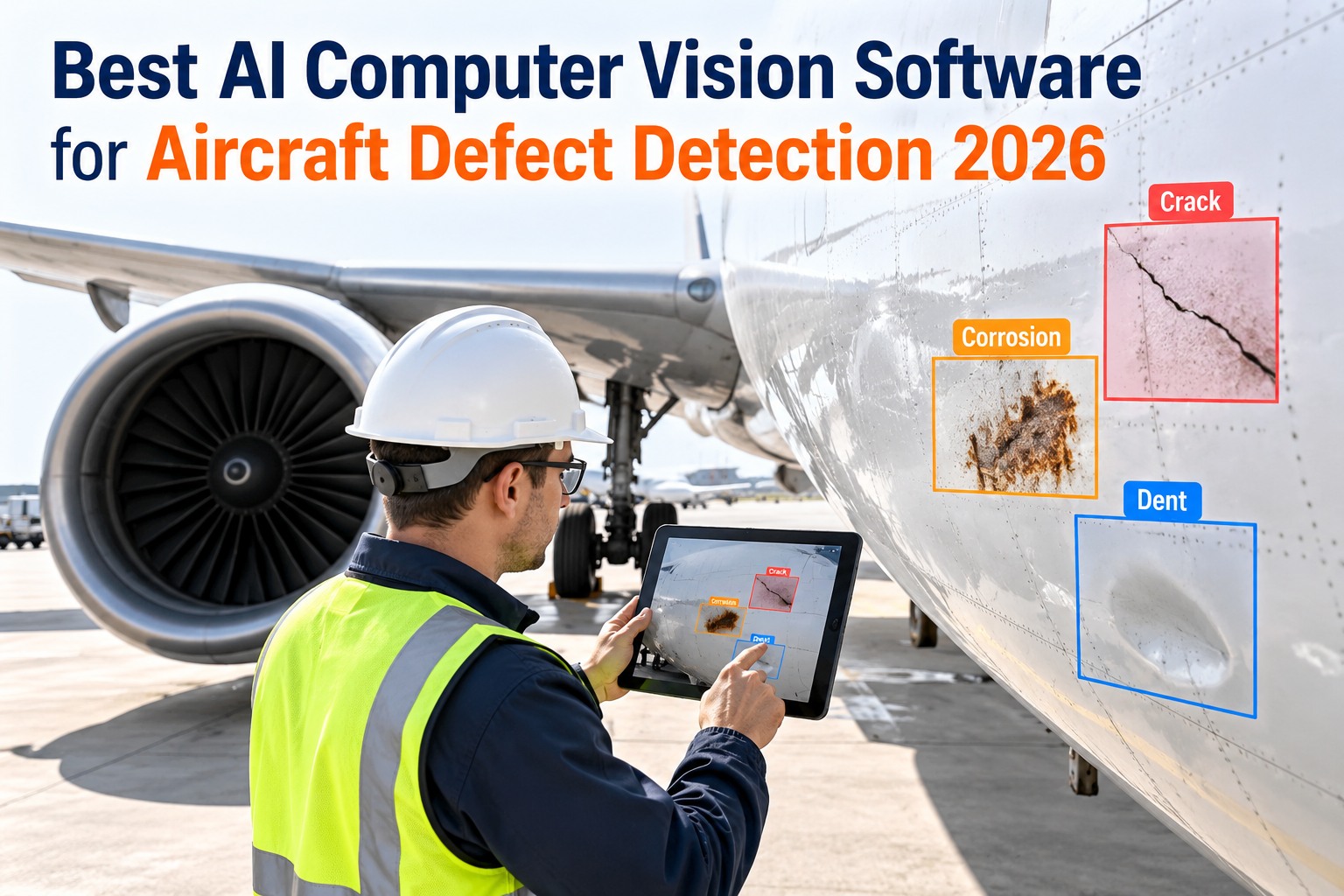
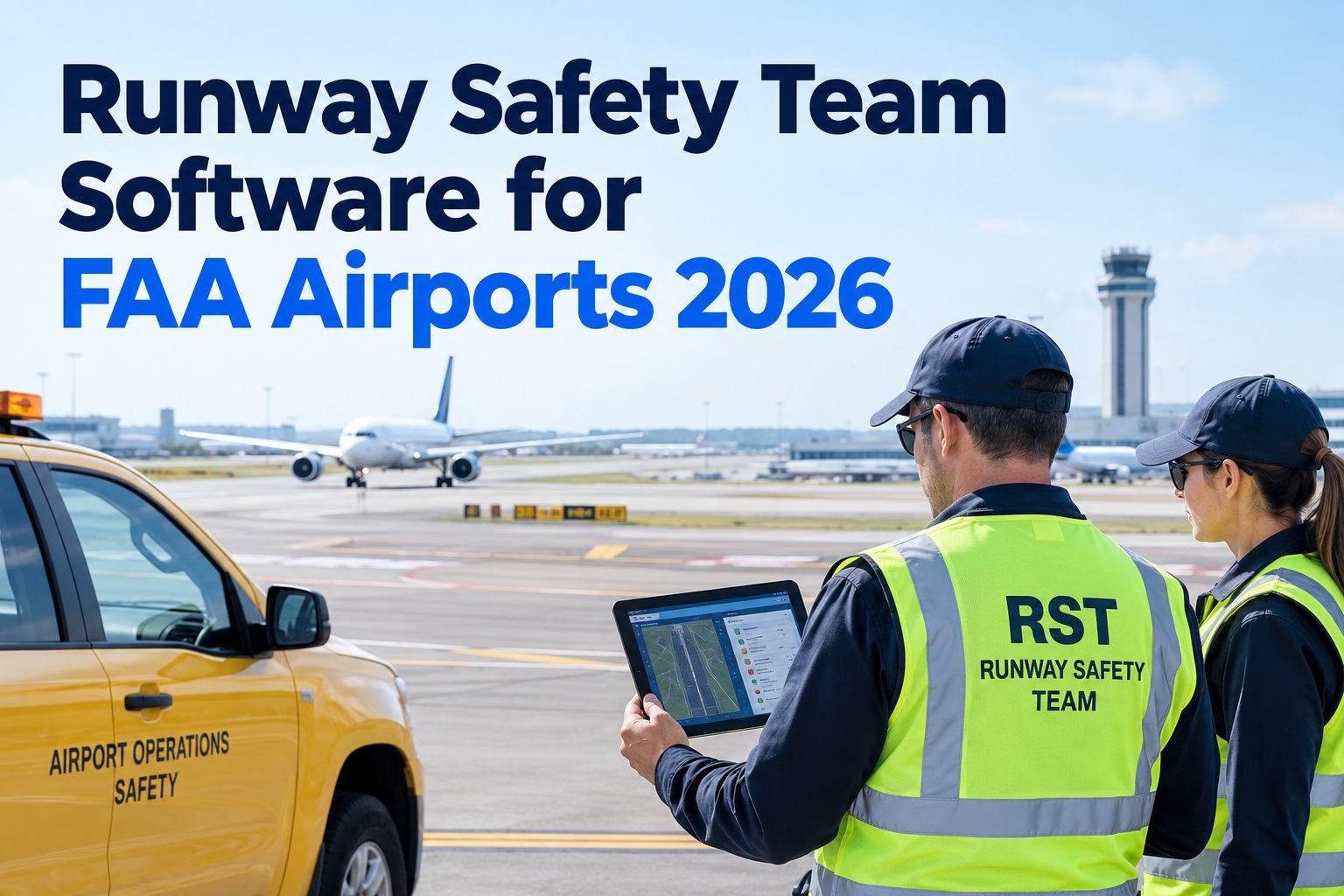
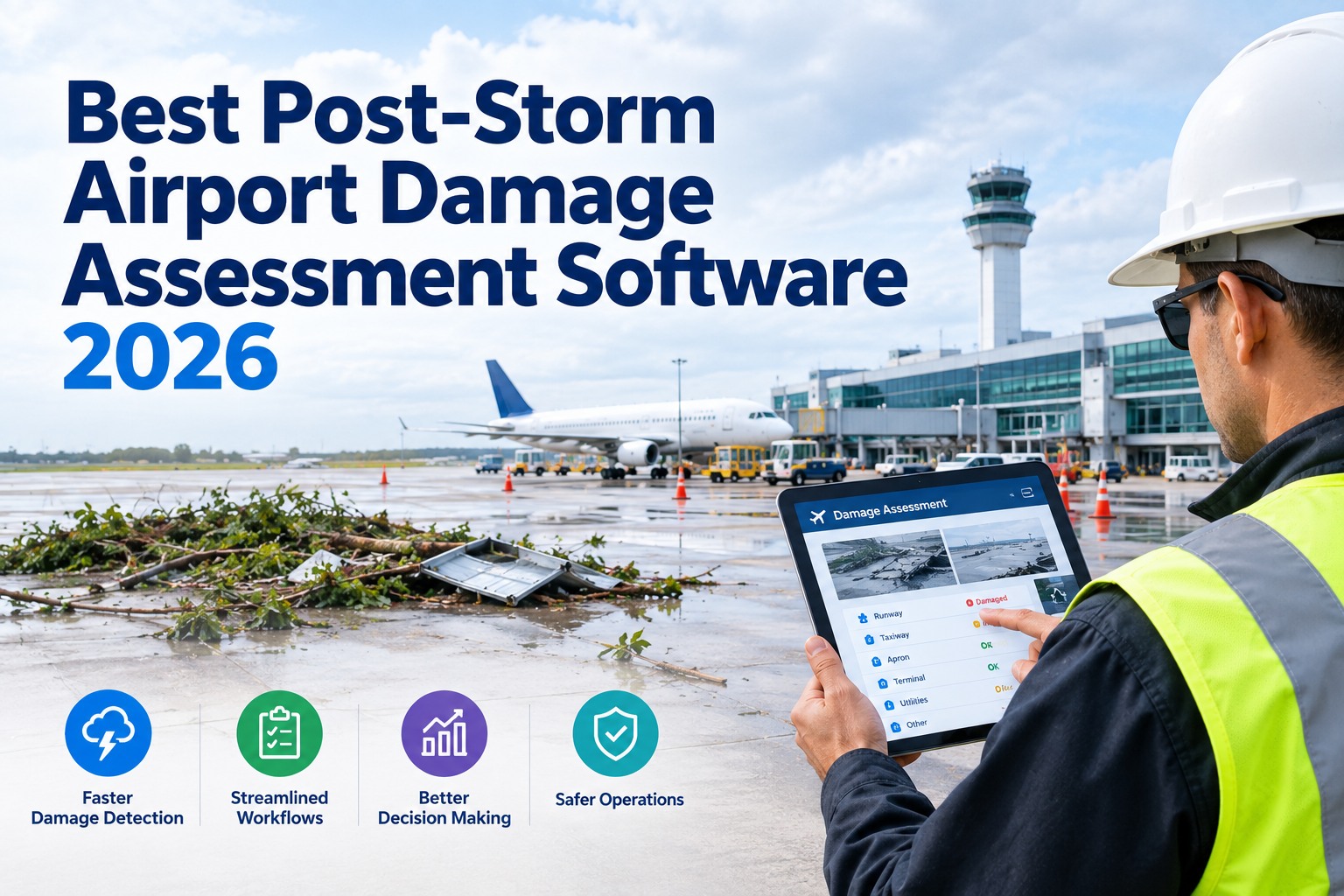
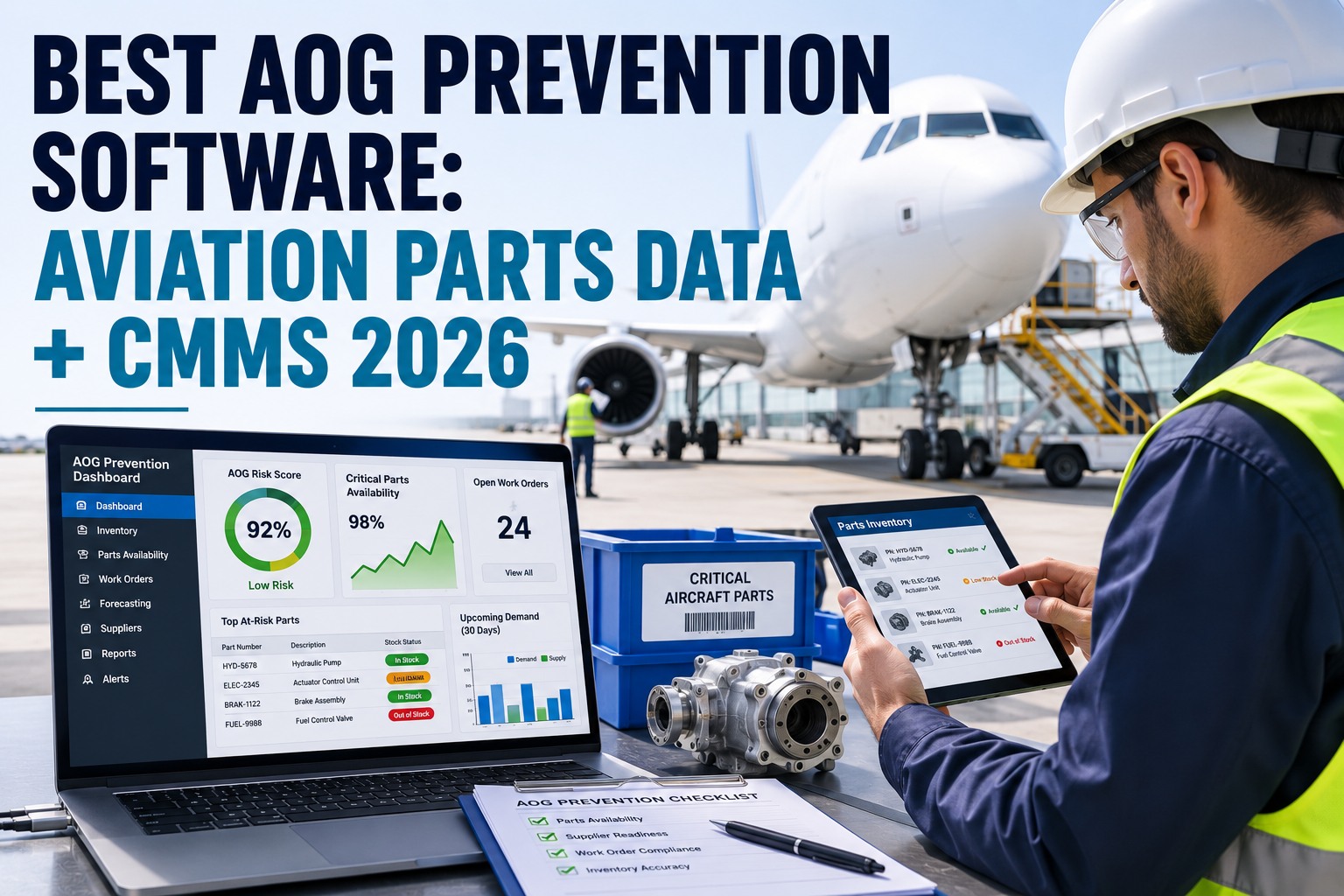
Computer vision ramp software has moved from pilot to production at the world's largest airports Changi's iFerret 2.0, Schiphol's autonomous FOD trials, and Munich's 2027 detection-robot target are all built on the same three pillars: real-time FOD detection, aircraft damage scanning during turnaround, and airside safety alerts that fire before a collision happens. Foreign object debris alone costs the aviation industry an estimated $22.7 billion annually, and airports running continuous AI monitoring have reported up to 68% reductions in FOD-related runway closures. The best 2026 platforms feed every detection directly into a CMMS work order — closing the loop from camera to crew in minutes, not hours. Book a Demo to see how OxMaint receives ramp CV detections via API and converts each finding into a tracked work order tied to the exact gate, runway, or GSE unit.
Ramp Ops · Computer Vision · CMMS 2026
Computer Vision Ramp Software for Airports 2026
Deploy the best 2026 computer vision ramp software with the CMMS that closes the detection-to-repair loop. Top platforms doing real-time FOD detection, aircraft damage scanning, and airside safety alerts — connected to OxMaint work orders.
$22.7B
Global annual cost of FOD damage to aviation, per FAA-cited estimates
68%
Reduction in FOD-related runway closures at airports with continuous AI monitoring
3.8×
More defects detected per inspection cycle when AI vision supplements human walkthroughs
10×
Detection uplift reported by early FTE Smart Ramp autonomous FOD trials
The Three Ramp Detection Layers a CV Platform Must Cover
A ramp CV deployment that only watches pavement misses two-thirds of the value. The best 2026 platforms operate three overlapping detection layers simultaneously — each feeding OxMaint through a different work order channel. Start a free OxMaint workspace to configure each detection channel with its own asset hierarchy, priority tier, and technician routing rules — full API access is included in the free plan.
Layer 1 · FOD
Foreign Object Debris Detection
YOLO / RF-DETR models scan taxiway, apron, and runway pavement continuously. A tire fragment, dropped tool, or engine cowling bolt is classified in seconds. Detection → work order to the ramp cleanup crew with GPS coordinates and image evidence.
Layer 2 · Damage
Aircraft Damage Scanning at Turnaround
Gate-mounted cameras scan the aircraft skin during pushback and arrival. Dents, scratches, panel misalignment, and hail damage are logged against tail number — flowing to engineering as an inspection work order with photo evidence attached.
Layer 3 · Safety
Airside Safety Alerts
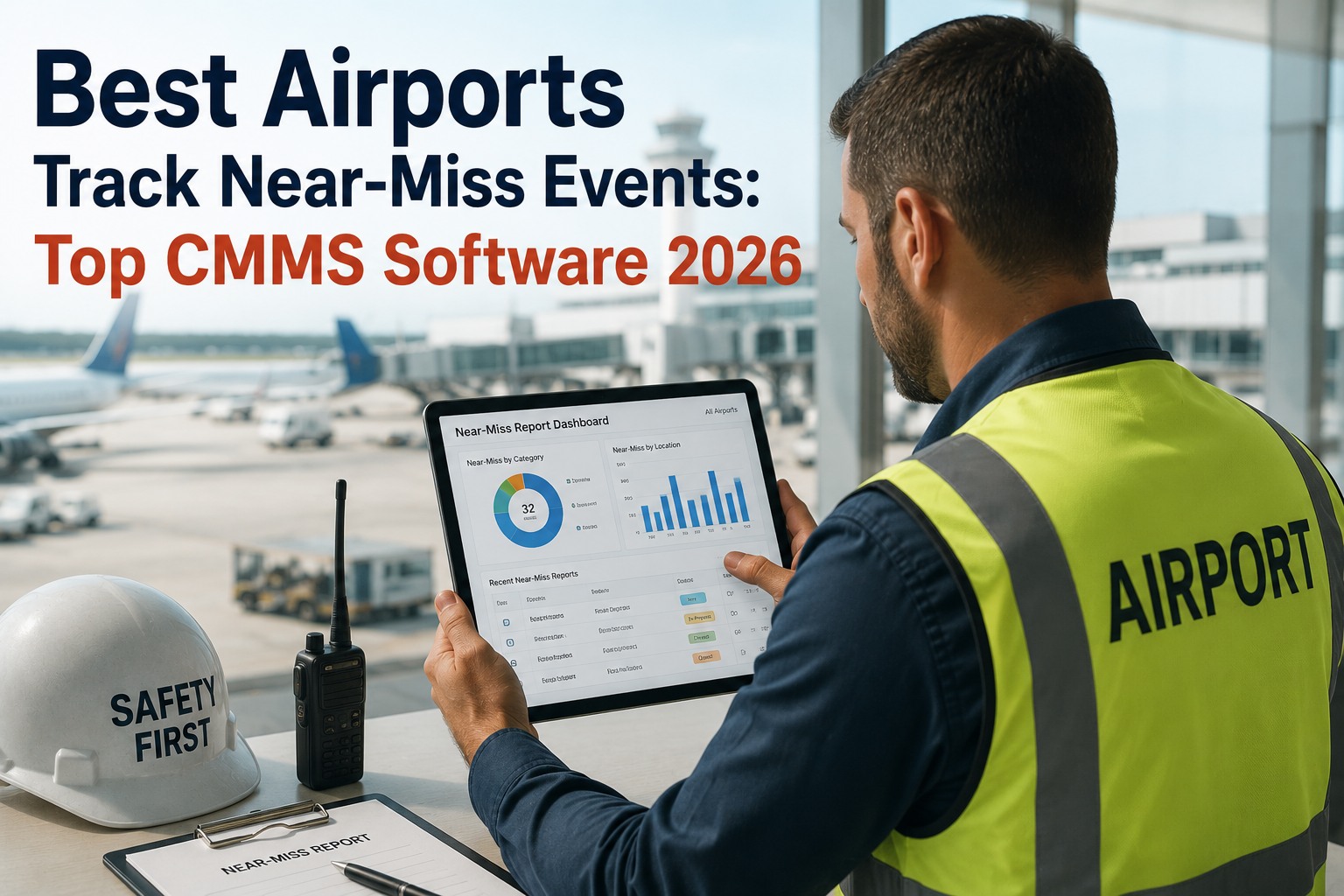
Full-apron camera network tracks GSE, aircraft, and personnel movement in real time. Predicted collision paths, restricted-zone incursions, and unsafe vehicle behavior fire immediate alerts — plus a near-miss work order for engineering review.
The Turnaround Timeline — Where CV Detections Land in OxMaint
A commercial aircraft turnaround compresses fueling, boarding, cargo, catering, and inspection into a window measured in minutes. Every CV detection on this timeline must reach the right technician before pushback — or become a delay. Here is how ramp CV events map to OxMaint work orders across the turn. Book a live demo with an OxMaint solutions engineer to walk this timeline against your airline's actual turnaround SLA — sample dashboards included.
T-00
T+05
T+15
T+25
T+35
T+45
T+00 · Arrival
Aircraft Skin Scan
Gate cameras capture full-fuselage imagery. Damage classifier logs findings by tail number, routes to engineering WO.
T+05 · GSE Approach
Path Prediction Alert
CV tracks belt loader and jetbridge motion. Predicted contact fires immediate alert; near-miss WO logged if avoidance triggered.
T+15 · Fueling & Cargo
FOD Sweep Verification
Pavement scan under aircraft confirms zero FOD before wheel-chock removal. Any finding routes to cleanup crew instantly.
T+35 · Pushback Prep
Post-Turnaround Damage Check
Second skin scan compares to arrival imagery. Any new dent or ding logged before departure — engineering notified.
Every CV Detection Should End as a Closed Work Order — Not an Email.
OxMaint receives ramp CV alerts via API and turns each finding into an asset-linked, technician-assigned, timestamped work order — with image evidence attached. Detection to closure in one system.
Manual Ramp Ops vs. CV-Powered CMMS — The 2026 Delta
The performance gap between a ramp running paper handovers and one running CV + CMMS is measured in TAT (turnaround time), FOD closure rate, and damage-per-1,000-turns. Here is what changes when detection becomes a system, not a shift briefing. Sign up for free and connect your first ramp camera or existing CV vendor to OxMaint via API — the free tier includes work order automation, mobile technician response, and full asset hierarchy.
4 Ramp CV Deployment Zones Ranked by ROI
Not every square meter of an airport needs a camera. These four zones deliver the fastest payback when CV feeds directly into OxMaint work orders — start here before scaling to full apron coverage. Schedule a 30-min planning session to prioritize these zones for your airport's traffic profile — an OxMaint solutions engineer will map camera placement to your existing asset list.
#1
Runway Threshold & Displaced Areas
Highest FOD frequency due to takeoff and landing forces. Continuous CV scan replaces the 4am walkthrough with second-by-second detection. Direct link to runway sweep crew via OxMaint mobile WO.
ROI driver: Prevented engine ingestion events + eliminated runway closures for FOD walks.
#2
Gate Area (Aircraft Docking Zone)
Damage scanning at arrival and departure catches ground-handling damage before it costs an MRO investigation. Every dent logged against tail number with attribution.
ROI driver: Damage attribution + reduced airline dispute cycles + faster insurance recovery.
#3
Taxiway Intersections & Hold Short Lines
Highest risk area for runway incursions. CV tracks vehicle and aircraft position, fires safety alerts on violation. Near-miss WOs logged for engineering trend review.
ROI driver: Runway incursion reduction + regulatory audit evidence + SMS integration.
#4
GSE Staging & Fuel Farm Perimeter
CV monitors GSE brake behavior, fuel spill footprints, and personnel PPE compliance. Findings route to fleet engineering and safety teams via separate OxMaint queues.
ROI driver: GSE fleet reliability + environmental spill response + PPE compliance evidence.
"
We had two CV vendors delivering great detections, but the alerts sat in three different dashboards nobody watched during a peak hour. Piping every event into OxMaint via API changed everything — a FOD finding on Taxiway B now fires a work order to the exact ramp crew in under a minute, with the image attached. Our runway closure count for FOD walks dropped noticeably last quarter, and we have the audit trail to prove it. The CV was already good; the CMMS made it operational.
Airfield Operations Manager — International Hub Airport, 32M pax/yr
Frequently Asked Questions
Does OxMaint replace our existing computer vision platform?
No — OxMaint is the CMMS layer that receives detections from your CV vendor (or existing runway/apron cameras) via API and converts each finding into a tracked work order. You keep your CV investment and add the maintenance workflow that closes the loop.
How fast does a CV alert become a technician-assigned work order?
Under 60 seconds end to end — CV detection → OxMaint API → work order creation → mobile push notification to the assigned technician with GPS coordinates and image evidence attached.
Can OxMaint tie CV-detected aircraft damage to a specific tail number?
Yes. Damage findings are logged against the aircraft asset record with arrival/departure timestamps, so ground-handling damage attribution is unambiguous — critical for airline dispute resolution and insurance recovery.
Do we need to be a large hub airport for this to make sense?
No — even single-runway regional airports benefit from CV + CMMS integration for FOD detection and damage scanning. OxMaint scales from a handful of assets to full multi-airport portfolios on the same platform.
What CV models does OxMaint work with?
OxMaint's API is model-agnostic — YOLO, RF-DETR, custom vendor models, or fixed FOD detection systems like radar-based platforms all integrate through the same webhook. The CMMS treats every detection as a structured work order trigger regardless of source.
Turn Every Camera into a Closed Work Order.
OxMaint receives ramp CV detections in real time, routes them to the right technician, and closes the loop with image-attached, asset-linked, timestamped work orders — the missing operational layer between AI vision and airside performance.