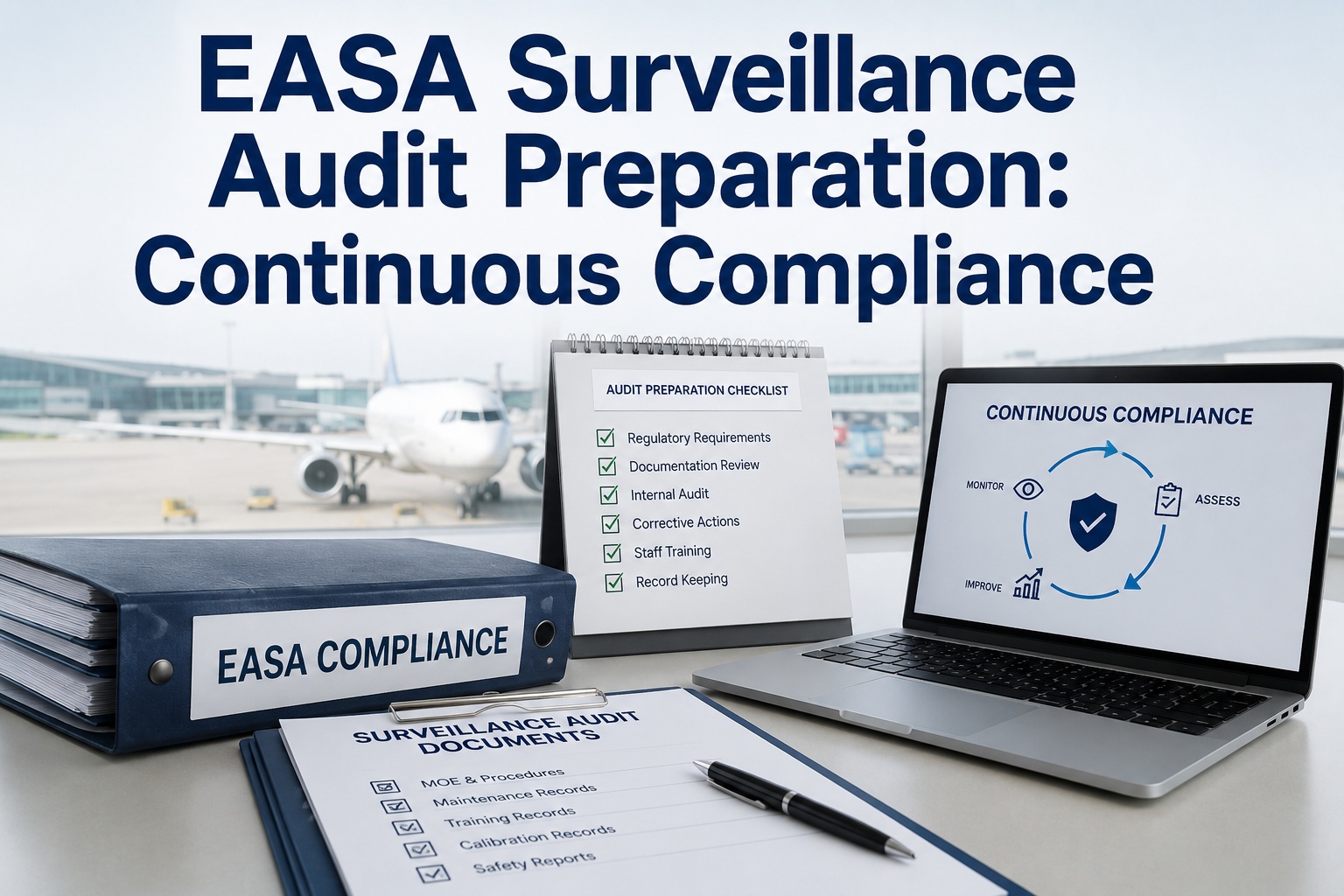
EASA surveillance audit preparation is the process of proving continuous compliance with European Union Aviation Safety Agency regulations between full renewal audits — and for most CAMO and Part 145 organizations, it is where paper-based maintenance systems break down. A surveillance audit CMMS eliminates last-minute scrambles by keeping every work order, preventive maintenance task, and findings-closure record audit-ready 365 days a year. This 2026 EASA preparation guide covers continuous compliance monitoring, MOE and CAME evidence gathering, and how a CMMS makes surveillance audits a routine state rather than a reactive fire drill. Ready to transform audit stress into operational routine? Start Free Trial and experience continuous compliance firsthand.
EASA Surveillance Audit Preparation Guide 2026
Is your maintenance organization audit-ready on any random Tuesday — or only the week before the inspector arrives?
EASA surveillance audits test the 24 months between formal renewals. Teams relying on spreadsheets and paper logbooks spend 120+ hours preparing evidence for each surveillance visit. A CMMS-built continuous compliance framework turns that scramble into a 15-minute export.
Continuous Compliance Aviation
What happens during an EASA surveillance audit — and why the rhythm rewards continuous readiness
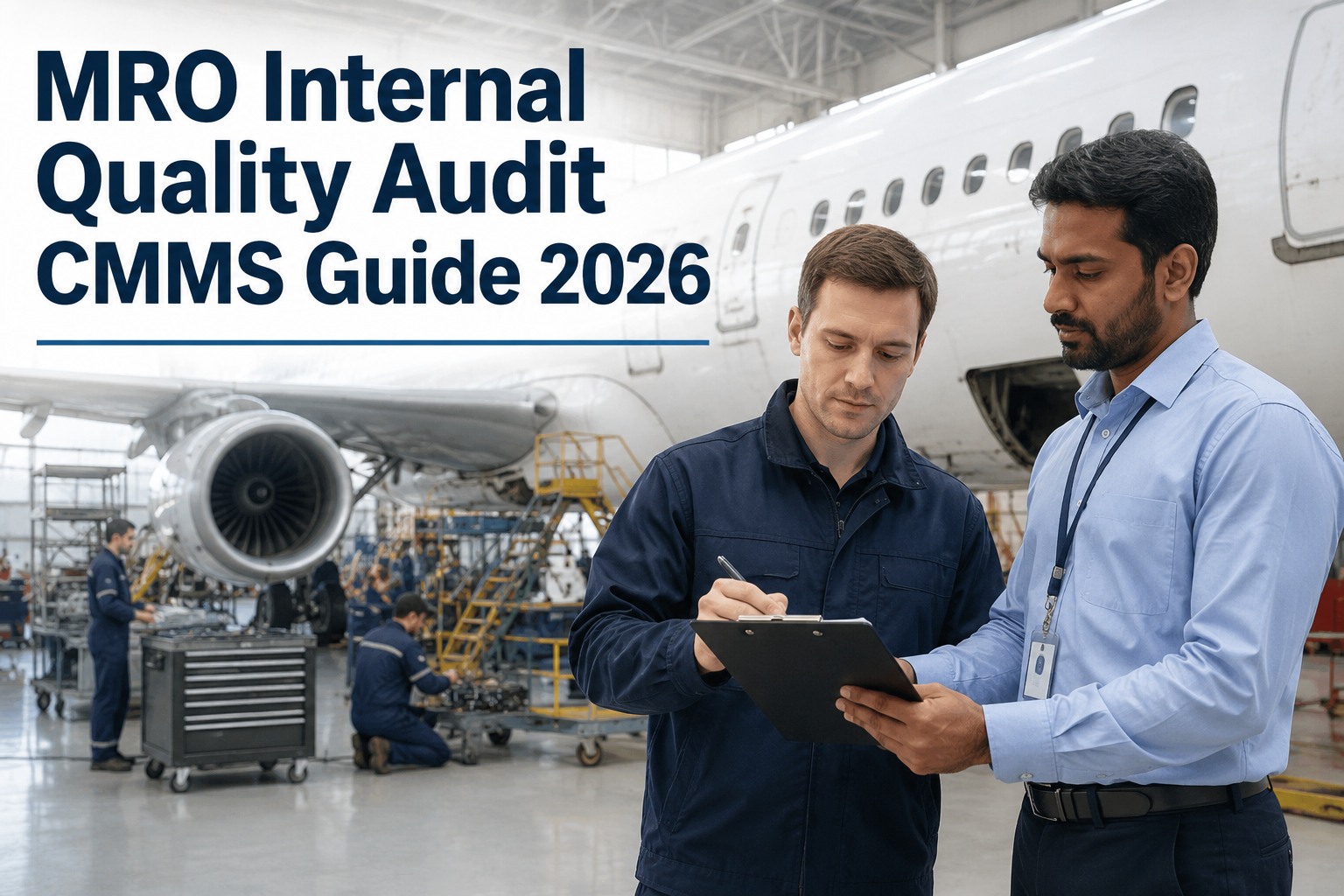
Between full renewal audits, EASA conducts surveillance audits at intervals defined in your approved Continuing Airworthiness Management Exposition (CAME) or Maintenance Organization Exposition (MOE). These visits do not re-examine everything — they spot-check whether your organization actually does what its expositions say it does, day in and day out. A CAMO might be audited on airworthiness review staff competency records one cycle, on AD compliance tracking the next, and on supplier evaluation the cycle after that.
The audit rhythm is deliberately unpredictable. Inspectors arrive with a sample size — say, 15 random work orders from the last 6 months — and expect to trace each one from initiation through sign-off, parts consumption, and dual-release certification. If your evidence lives across shared drives, email threads, and paper hangar files, that sample request triggers a multi-day scavenger hunt. A surveillance audit CMMS collapses that hunt into a filtered query: work-order number, date range, asset tag, technician, and certification status exported in one click.
Surveillance Audit Guide
The EASA surveillance audit preparation timeline: 12 months of continuous readiness
Audit-ready organizations do not prepare for surveillance audits — they maintain a state of permanent readiness. The timeline below maps the activities that keep compliance continuous, rather than compressed into the two weeks before an inspector's visit.
CMMS EASA Surveillance
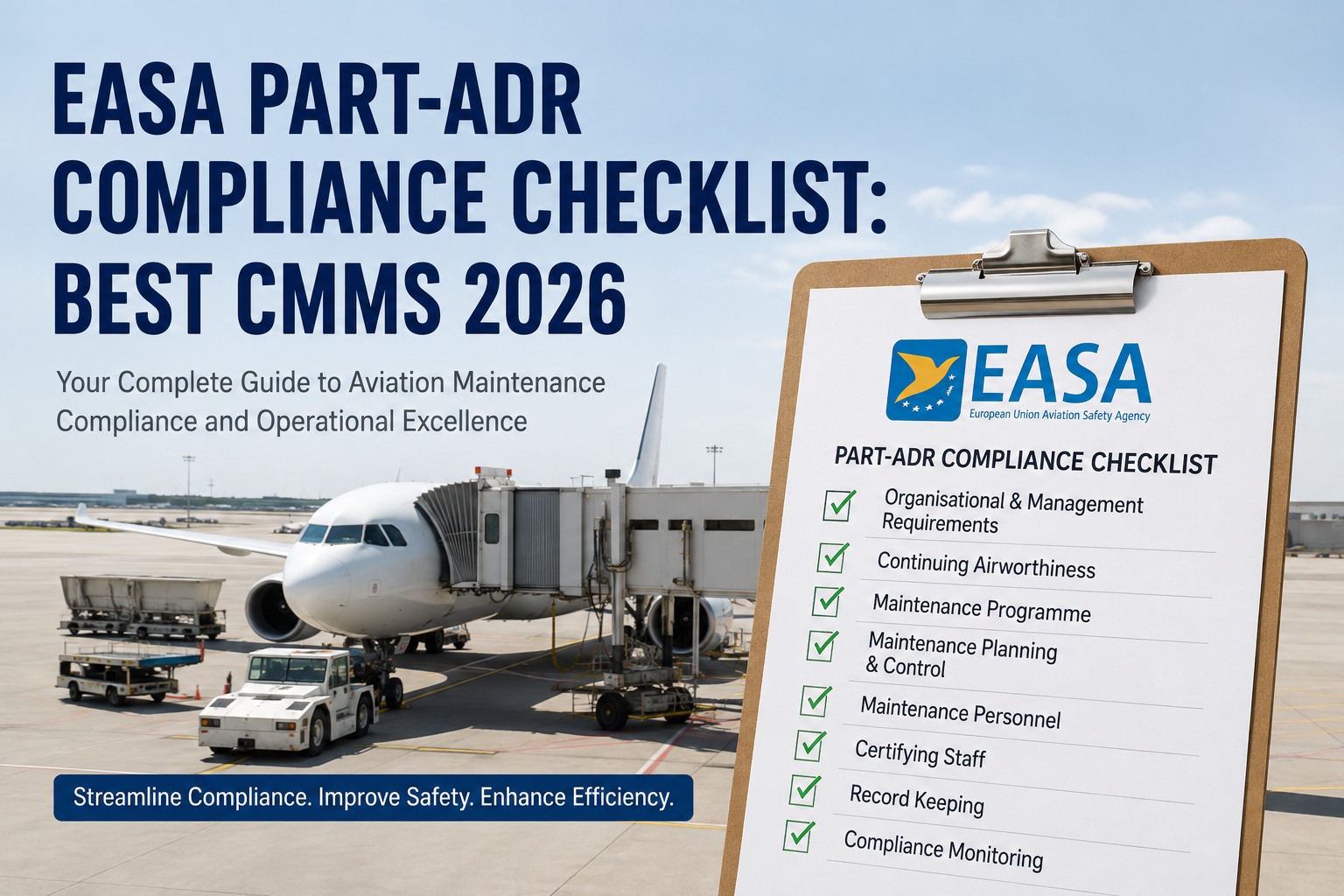
Checklist: evidence your CMMS must produce instantly for an EASA surveillance audit
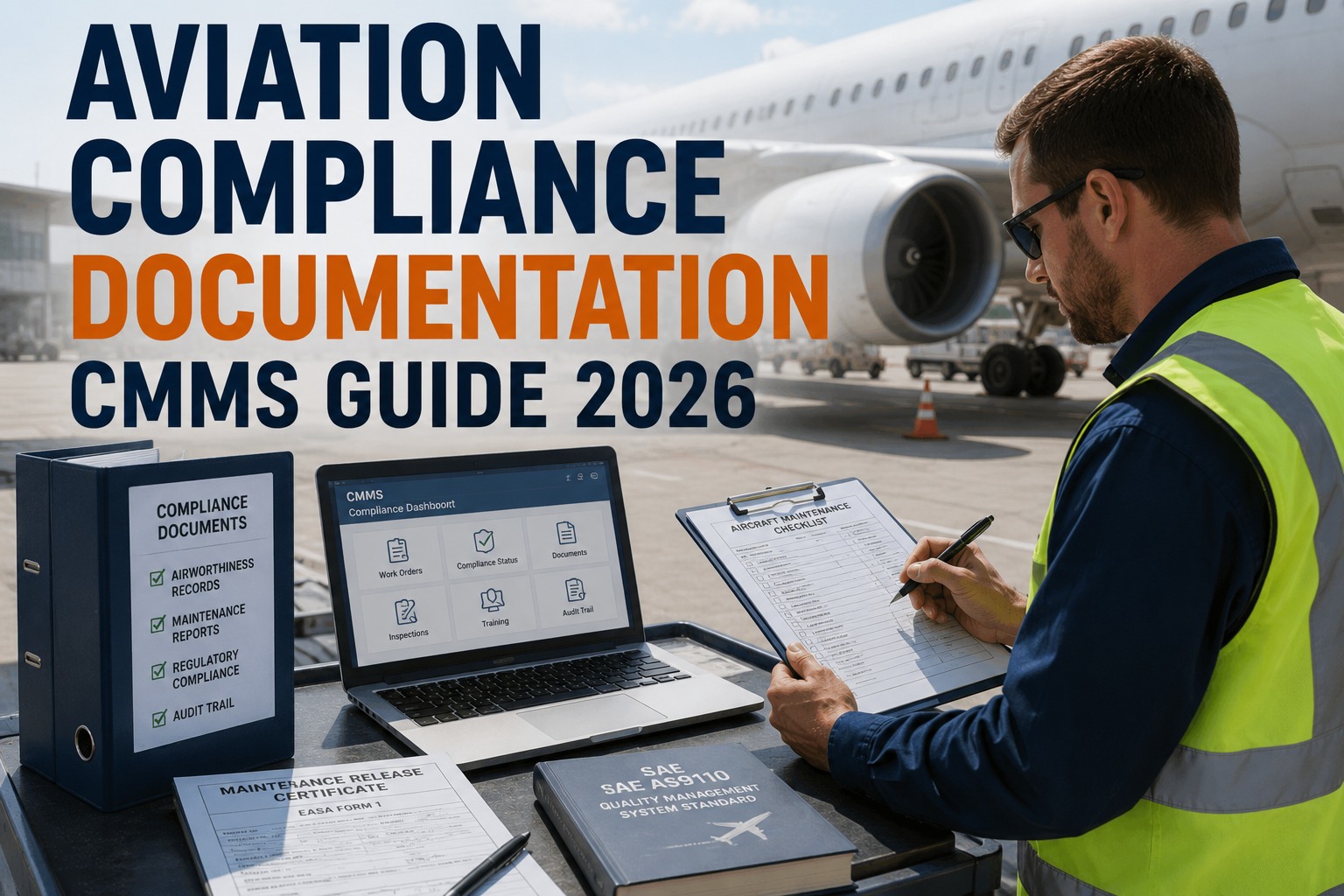
When the inspector asks for evidence, the speed and completeness of your response signals whether compliance is embedded or theatrical. The checklist below covers the evidence categories most commonly sampled during EASA surveillance visits for both CAMO (Part-CAMO / Part-M Subpart G) and Part-145 organizations.
- Complete work-order history with initiation, task cards, sign-offs, and dual-release certification
- Traceability of all parts consumed — batch numbers, EASA Form 1 references, and installed positions
- Deferred and carried-forward tasks with documented justification and re-scheduled dates
- Non-routine findings raised during maintenance with corrective action records
- Current AD and SB status for every aircraft and component in scope
- Evidence of compliance method (complied, not applicable, recurring) with dates and sign-offs
- Applicability assessments for SBs evaluated but not implemented
- Recurring AD tracking with next-due dates linked to flight hours or cycles
- Current authorizations and ratings for every certifying staff member
- Continuation training records meeting Part-145.A.35 or CAMO staff competency requirements
- Human factors and fuel tank safety training currency
- Evidence of competence assessment for new and re-assigned staff
- Open and closed findings from the previous audit with root-cause analysis documentation
- Corrective action implementation evidence with effectiveness verification
- Internal audit reports and management review meeting minutes
- Quality safety reports and their resolution trail
CMMS Continuous Compliance
The cost of reactive vs. continuous compliance: a Part-145 scenario
Consider a Part-145 maintenance organization managing 40 aircraft across two hangars, with an average of 300 open and closed work orders per month. In a reactive model, the quality manager spends roughly 3 weeks before each surveillance audit pulling records, reconciling discrepancies, and chasing missing sign-offs. In a continuous-compliance model powered by a CMMS, those records are generated and verified as part of daily operations — the audit preparation effort drops to a dashboard review and a sample export.
| Compliance Dimension | Reactive (Spreadsheet / Paper) | Continuous (CMMS-Based) |
|---|---|---|
| Work order evidence retrieval | 4–8 hours per sample; cross-references shared drives, email, paper | Under 5 minutes via filtered CMMS query with full traceability |
| AD / SB status verification | Manual spreadsheet reconciliation; high error risk on recurring ADs | Automated next-due tracking with alerts at 30/60/90 day thresholds |
| Findings closure documentation | Tracked in separate register; effectiveness verification often missed | Closed-loop workflow with mandatory effectiveness check before sign-off |
| Pre-audit preparation effort | 120+ hours across quality, maintenance, and engineering teams | Under 2 hours — dashboard review and targeted sample export |
| Inspector confidence and audit outcome | Findings likely on documentation gaps; potential Level 1 escalations | Zero or minor Level 2 findings; demonstrated embedded compliance |
CMMS Surveillance Preparation
Closing findings and keeping them closed: the loop that surveillance audits test hardest
EASA surveillance audits pay particular attention to findings from the previous cycle. Inspectors do not merely check that a corrective action was implemented — they verify that it was effective, that it did not introduce new risks, and that the underlying process was updated to prevent recurrence. This is where most organizations lose points: the corrective action was done, but the effectiveness verification was never documented, or the MOE was never updated to reflect the process change.
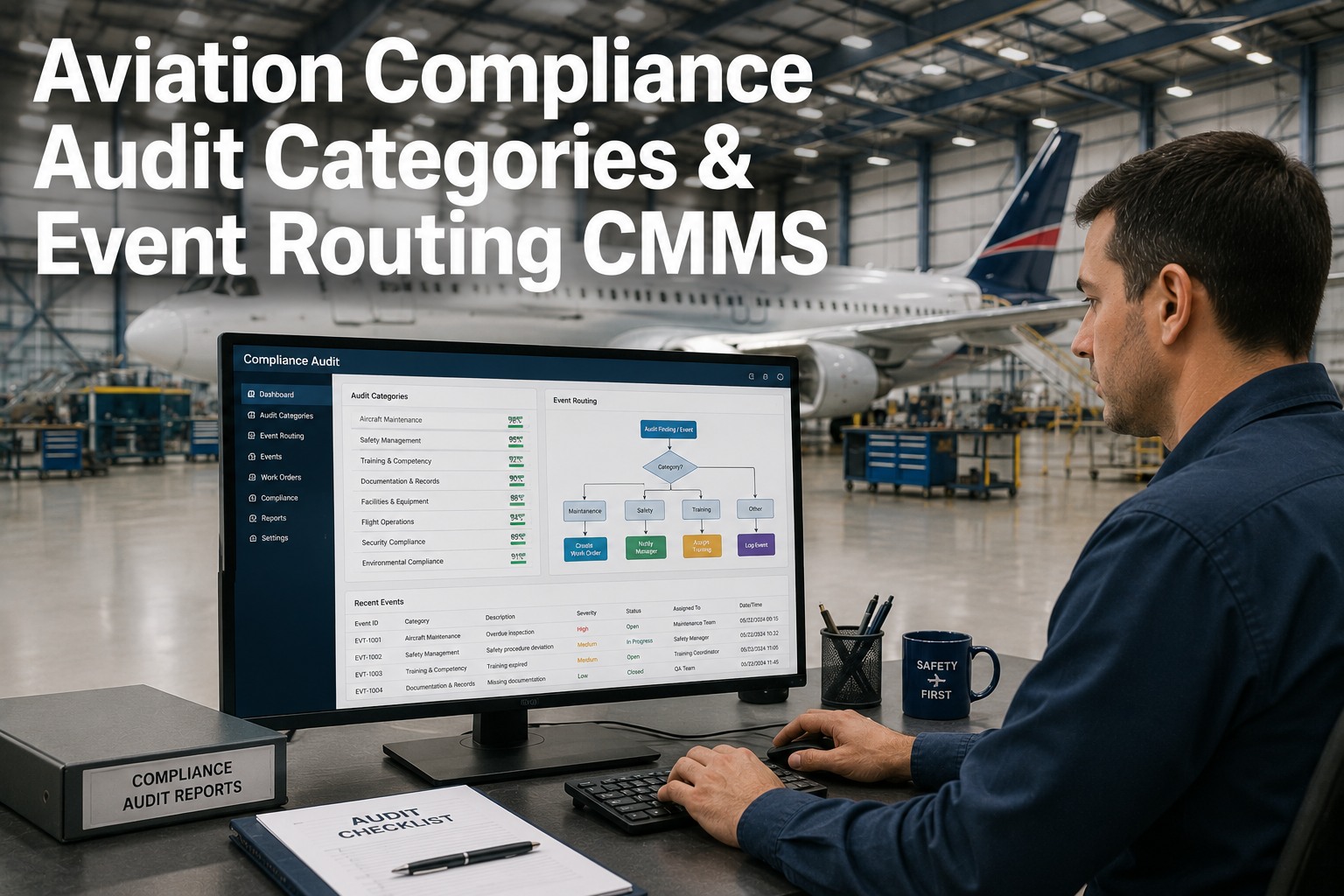
A CMMS with continuous compliance monitoring enforces this loop at the system level. When a finding is raised — whether from an internal audit, a quality safety report, or a previous surveillance visit — the CMMS creates a corrective action work order with mandatory fields for root cause, corrective step, responsible person, target closure date, and effectiveness verification method. The finding cannot be marked closed until the effectiveness check is signed off by an independent reviewer. The MOE revision is tracked as a linked document, so the inspector sees the complete chain in one record.
How OxMaint Helps
How OxMaint makes EASA continuous compliance a routine operational state
OxMaint is an AI-powered CMMS and EAM platform built to keep maintenance and reliability teams in a state of permanent audit readiness. For CAMO and Part-145 organizations, it maps directly to the evidence chains that EASA surveillance audits sample — turning compliance from a project into a byproduct of daily maintenance execution.
See OxMaint on Your Assets
Stop preparing for surveillance audits. Start living in continuous compliance.
Book a 30-minute demo and see how OxMaint's CMMS builds your EASA evidence chain into every work order — so the next time an inspector arrives, you are already ready.
EASA Audit CMMS Guide — Frequently Asked Questions
Common questions about EASA surveillance audit preparation and CMMS compliance
Start Your Continuous Compliance Journey
Your next EASA surveillance audit should be a 15-minute export — not a 3-week scramble
Join the CAMO and Part-145 organizations using OxMaint to keep every work order, AD status, and findings record audit-ready 365 days a year. See it on your assets in a 30-minute demo, or start your free trial today.
Free 14-day trial · No credit card