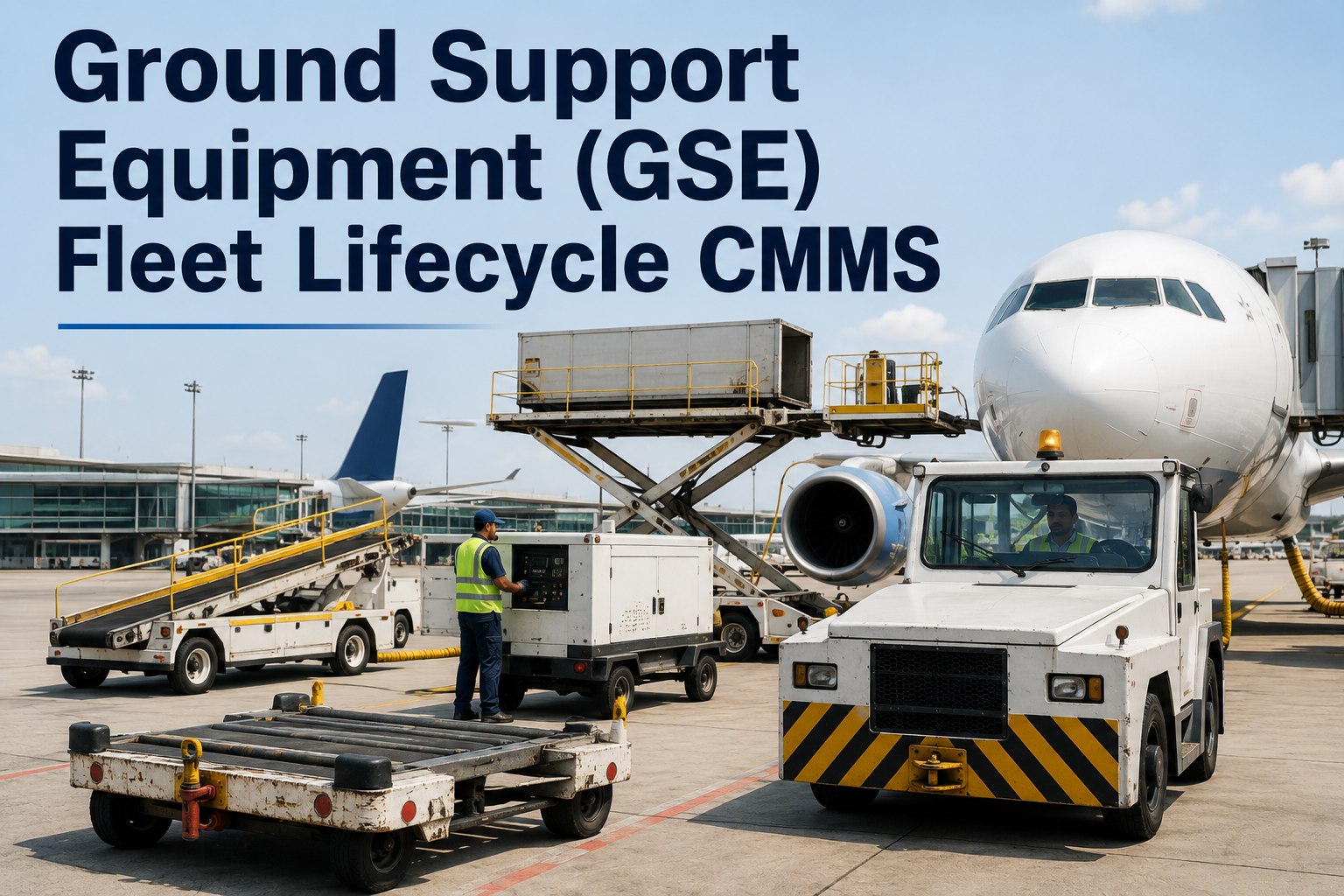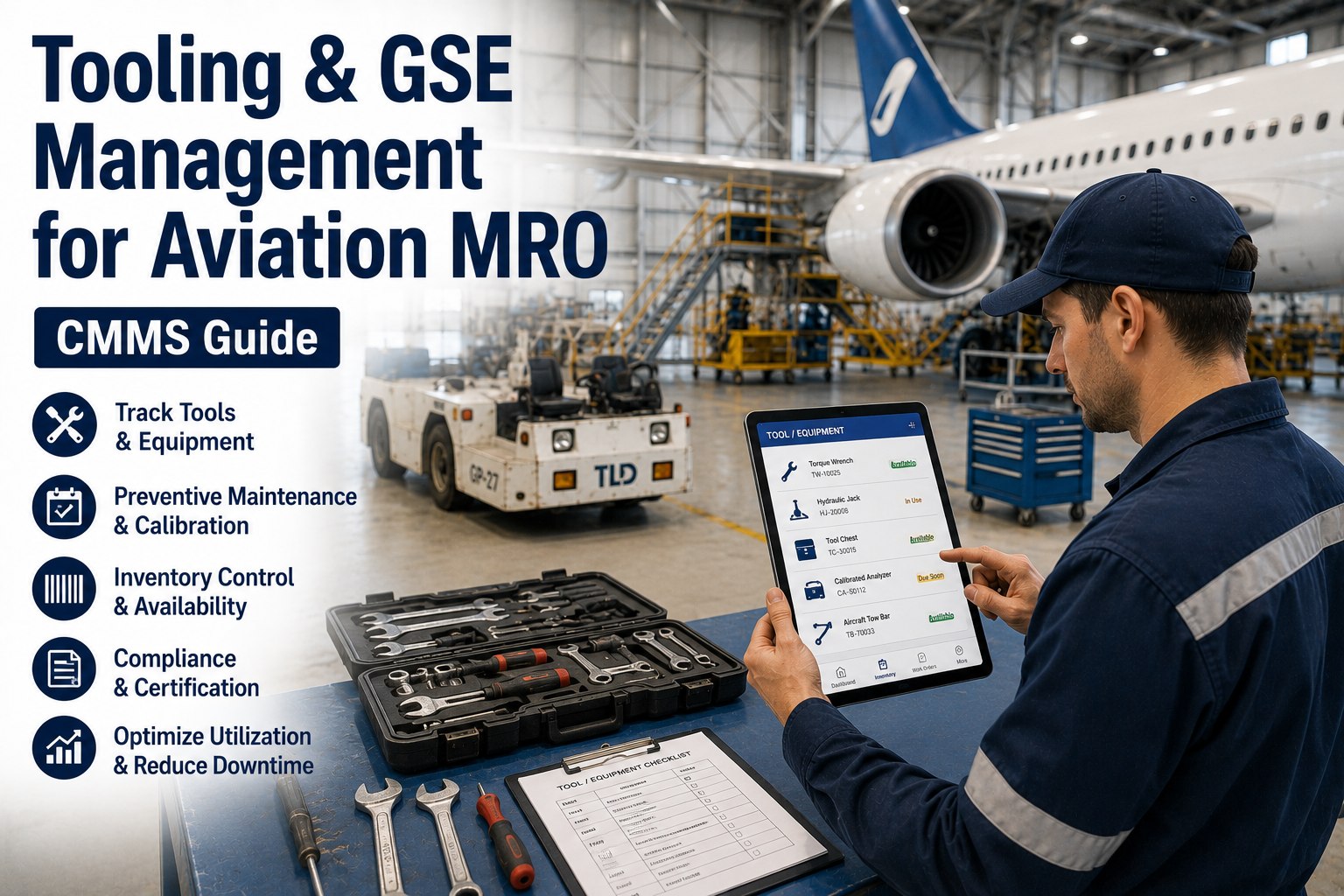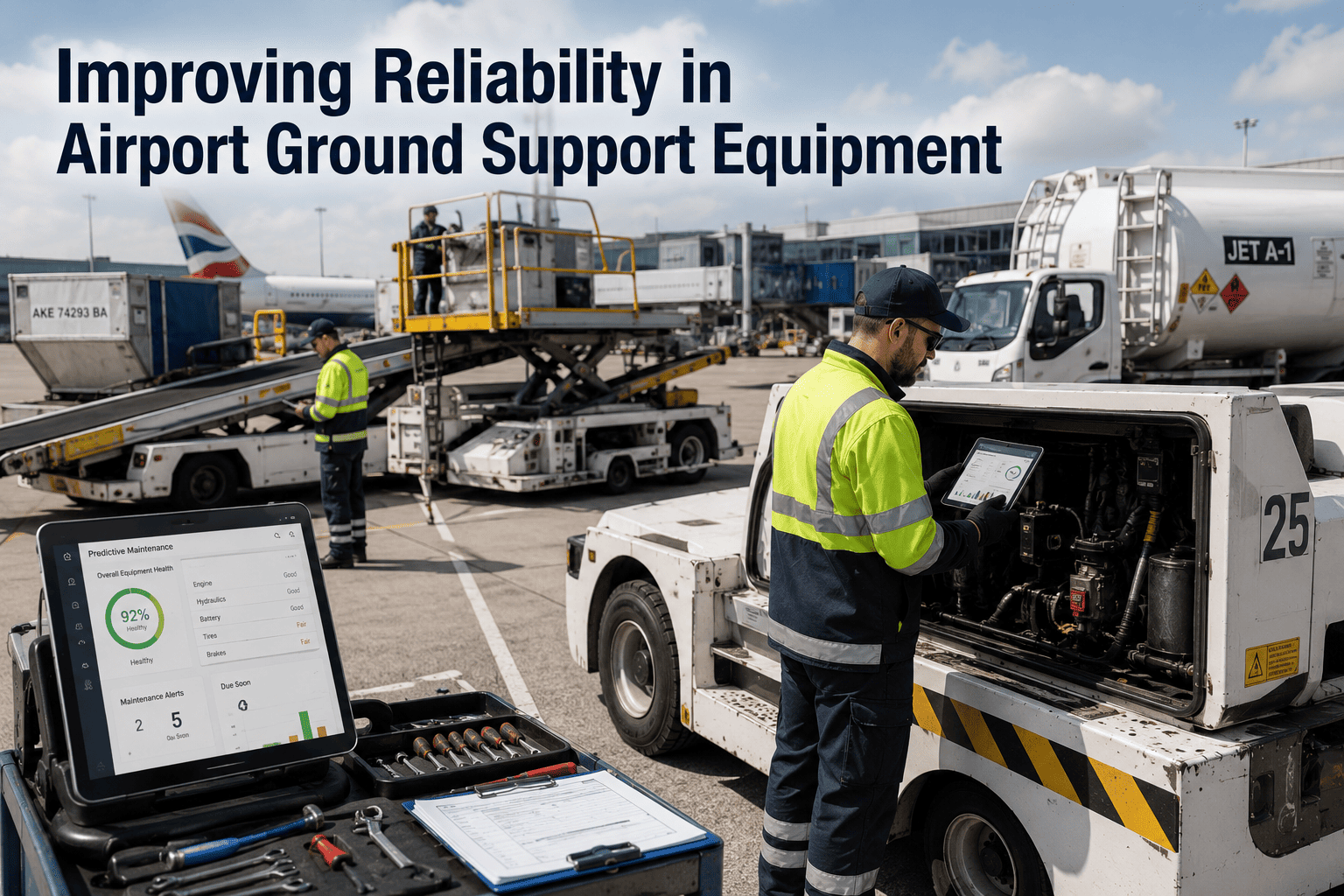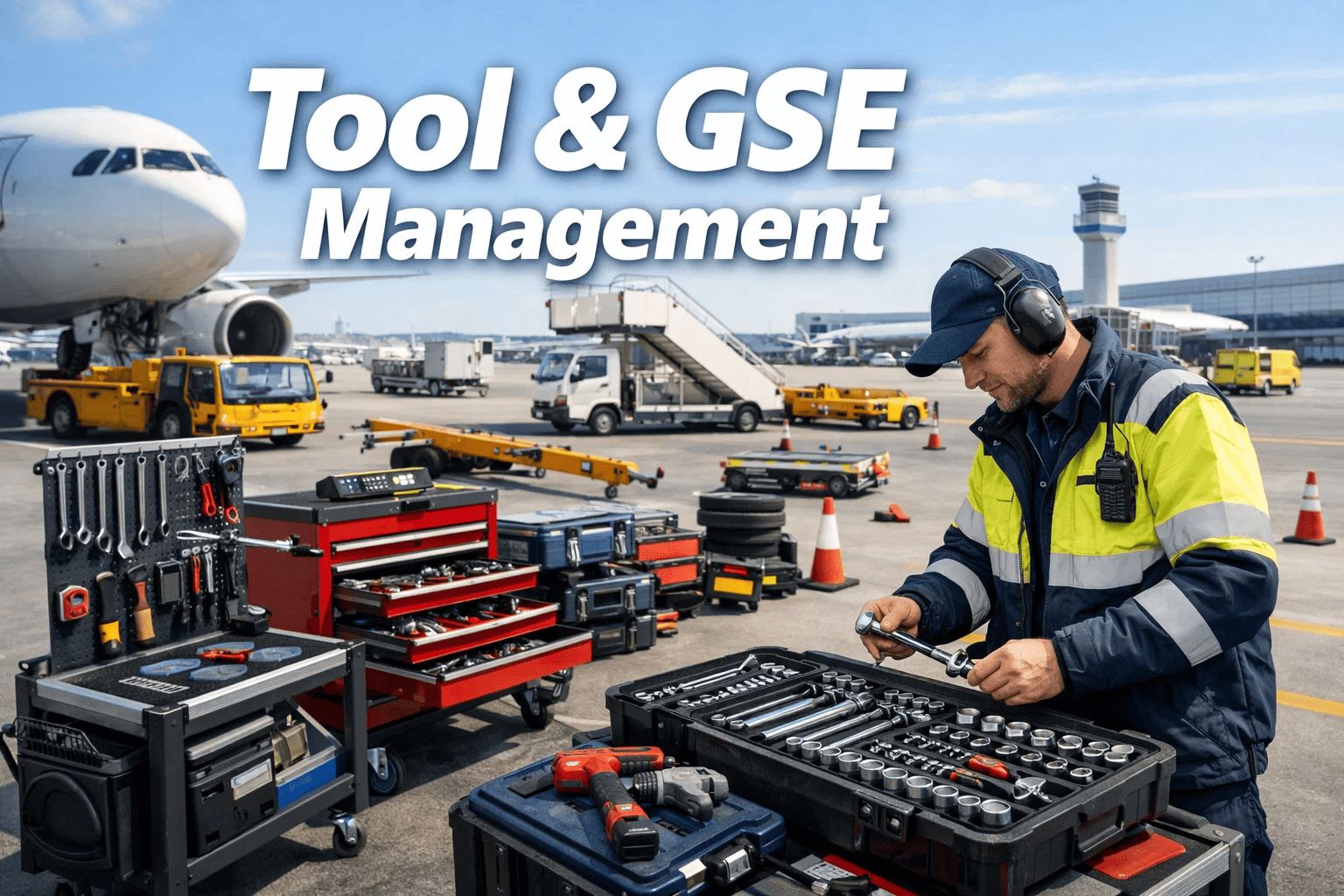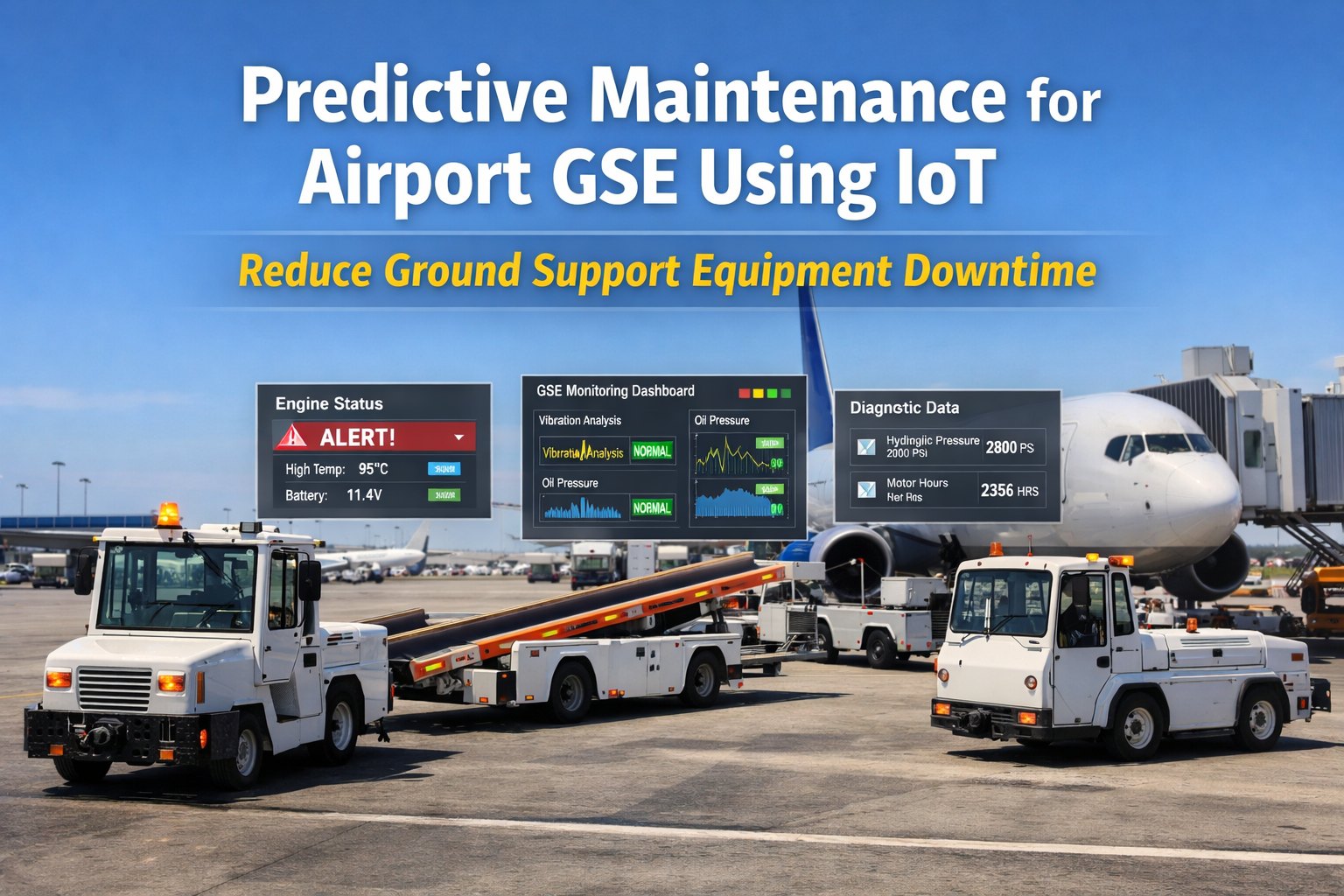
Aviation ground support equipment (GSE) is the backbone of every airport ramp operation — and one of the most neglected maintenance domains in airport asset management. Baggage loaders, aircraft tow tractors, fuel trucks, passenger boarding stairs, ground power units, air start units, lavatory service vehicles, and potable water trucks collectively represent a capital investment of $500,000 to $5 million at a mid-size regional airport, and up to $50 million at major international hubs. Yet 23% of ramp incidents traced in IATA Ground Damage reports involve GSE equipment failures — not operator error — pointing directly at maintenance program inadequacy. A single GSE breakdown during peak bank operations costs an estimated $2,800 per hour in flight delays, missed connections, and ground handler overtime, while the GSE replacement cycle accelerates dramatically when preventive maintenance programs are absent. Airports that implement structured, data-driven GSE maintenance strategies report 45% reductions in unplanned GSE downtime and 31% longer equipment lifecycles — extending replacement cycles by 3-5 years on high-value assets. Start a free trial to build your aviation GSE maintenance program in Oxmaint, or book a demo and walk through your current GSE fleet management challenges with a product expert.
Get Your Custom GSE Maintenance Plan — Identify Cost Leaks Instantly
See how much operational cost and CapEx spend you can eliminate from your ground support equipment fleet with a structured predictive maintenance strategy.
- Real-time GSE fleet health visibility across all equipment categories
- Predictive failure alerts before GSE breakdowns impact flight operations
- 5-10 year GSE replacement cycle CapEx forecasting
What Is a GSE Maintenance Strategy?
A ground support equipment maintenance strategy is a systematic framework for maintaining, monitoring, and planning the full lifecycle of all equipment used to support aircraft ground operations. Unlike terminal building systems that operate on predictable duty cycles, GSE operates in extreme environments — aircraft exhaust, jet blast, chemical exposure, and 24/7 operational demands across multiple shifts with minimal downtime windows. Equipment that is not maintained to manufacturer specifications and operational usage patterns degrades exponentially faster than its design lifecycle, creating the twin problem of premature replacement cost and operational downtime risk.
An effective GSE maintenance strategy integrates four core functions: preventive maintenance scheduling (time-based and usage-based), condition monitoring (operational performance tracking), work order management (dispatch, completion, and documentation), and lifecycle planning (replacement cost forecasting and budget cycle alignment). Airports that manage all four functions in a centralized CMMS achieve the operational predictability that separates high-performing ground operations from reactive fire-fighting environments.
The regulatory dimension adds additional urgency: OSHA requires documented inspection records for GSE categories including elevated work platforms, fuel trucks, and pressure vessels — and NFPA, FAA, and state environmental agencies impose documentation requirements on fueling equipment and de-icing vehicles specifically. Book a demo to see how Oxmaint manages the full GSE maintenance and compliance framework for airport fleets.
Key Elements of a GSE Maintenance Strategy
GSE Asset Registry with Condition Scoring
Every GSE unit registered in the asset database with make, model, serial number, acquisition date, replacement cost, and condition score. Condition scores updated after every PM event and inspection — providing real-time health status for the entire fleet at a glance.
Usage-Based Preventive Maintenance
GSE maintenance intervals triggered by engine hours, cycle counts, and calendar intervals simultaneously — whichever comes first. A baggage loader serviced at 250 engine hours rather than fixed calendar months receives maintenance aligned to actual operational demands, not arbitrary schedules.
Predictive Condition Monitoring
Oil analysis, battery health metrics, hydraulic pressure monitoring, and electrical system performance tracking integrated into GSE work orders. Condition anomalies flag predictive maintenance alerts before equipment fails on the ramp — converting emergency response to planned intervention.
Mobile Field Inspection Workflows
Pre-shift GSE inspections completed on mobile devices by ramp supervisors — documenting fluid levels, tire condition, lighting function, safety equipment status, and operational certification. Deficiencies automatically generate corrective work orders before equipment enters service.
Spare Parts Inventory for GSE
Critical spare parts linked to GSE assets — filters, belts, hydraulic seals, battery cells — with minimum stock levels and automatic reorder triggers. Parts availability checked at dispatch prevents the 35% of GSE repairs that extend beyond first-visit resolution due to missing components.
GSE Fleet CapEx Planning
Rolling 5-10 year replacement models for each GSE asset category — factoring condition trajectory, operational demand, and current replacement cost. Airport finance teams receive data-driven capital budget inputs rather than age-based estimates that consistently miss high-risk equipment.
GSE Maintenance Pain Points
No Centralized GSE Fleet Visibility
Ground operations managers at most airports cannot answer basic questions about their fleet: how many units are in each equipment category, what condition score each unit carries, which units are due for PM in the next 30 days, and what the total replacement cost exposure is. Without this visibility, GSE management defaults to reaction — servicing equipment when it fails rather than before it does.
Pre-Shift Inspection Compliance Is Inconsistent
OSHA and FAA require pre-operation safety inspections for many GSE categories. Paper-based inspection forms are frequently not completed, completed retrospectively, or completed without identifying real deficiencies to avoid equipment being pulled from service. A fuel truck with a failing brake system that passes a paper inspection and then causes a ramp incident creates both safety and legal exposure that documented digital inspection records prevent.
CapEx Surprises From Premature GSE Failure
Without condition-based lifecycle tracking, GSE replacement needs emerge as budget emergencies rather than planned capital events. A baggage tractor that costs $85,000 to replace and was showing deterioration signs for 18 months — visible only to technicians who lacked a system to record and escalate the data — arrives as an unbudgeted emergency that forces equipment rental costs of $4,000-$8,000 per month while replacement procurement occurs.
Maintenance Records Disconnected From Operations
GSE maintenance records held by the workshop are invisible to flight operations supervisors who need to know which units are safe for service. Equipment returned from maintenance without documented sign-off enters service without operational confirmation of repair completion — creating both safety gaps and liability exposure when incidents occur on recently-serviced equipment.
These pain points directly translate to measurable operational and financial losses — higher per-flight turn costs, accelerated replacement cycles, regulatory penalty exposure, and the liability tail of undocumented equipment-related ramp incidents. Airports that implement structured GSE maintenance programs eliminate these exposure categories systematically — start a free trial to build your GSE maintenance program in Oxmaint, or book a demo to see how the GSE fleet management module works across your specific equipment categories.
How Oxmaint Supports GSE Maintenance Strategy
Complete GSE Asset Registry
Every ground support equipment unit registered with condition scores, operational history, certification status, and replacement cost data. Fleet health visible at portfolio level or drilled to individual unit — giving operations managers the situational awareness that reactive programs fundamentally lack.
Automated PM Scheduling and Dispatch
Engine-hour, cycle-count, and calendar-based PM schedules configured per GSE model and operational profile. Work orders auto-generated and dispatched to GSE workshop teams with full maintenance history, required parts, and specification sheets — first-visit completion rates increase 40% versus paper-based dispatch.
Mobile Pre-Shift Inspection Forms
Structured inspection checklists completed on mobile devices before each operational shift — with mandatory completion before the equipment unit can be assigned to aircraft service. Deficiencies auto-generate maintenance work orders; photo evidence attached at point of discovery for complete documentation.
GSE CapEx and Lifecycle Planning
Condition-trajectory data from PM records and inspections feeds rolling 5-10 year replacement models for each equipment category. Finance teams receive annual CapEx budget inputs based on actual fleet health data — eliminating the budget emergency cycle that reactive programs perpetuate.
Reactive GSE Maintenance vs. Predictive Strategy
| Management Area | Reactive GSE Maintenance | Predictive Strategy with Oxmaint |
|---|---|---|
| Equipment Downtime | Unpredictable; peaks during high-traffic periods when demand is highest | Planned PM windows during low-traffic periods; 45% lower unplanned downtime |
| Pre-Shift Inspections | Paper forms; inconsistent completion; retrospective records | Mandatory mobile forms; equipment not assignable without inspection completion |
| Fleet Condition Visibility | Unknown until failure; no condition scoring across fleet | Real-time condition scores; deterioration alerts before failure threshold |
| CapEx Planning | Emergency replacements; budget surprises averaging 35% above planned | Condition-driven 5-10yr models; zero unplanned replacement events |
| Equipment Lifecycle | 3-5 years shorter than design lifecycle; premature replacement | 3-5 year lifecycle extension through structured PM compliance |
| Regulatory Documentation | Paper logs; gaps common; liability exposure in incident investigations | Complete digital records; timestamped inspection chains for every unit |
ROI of Predictive GSE Maintenance Programs
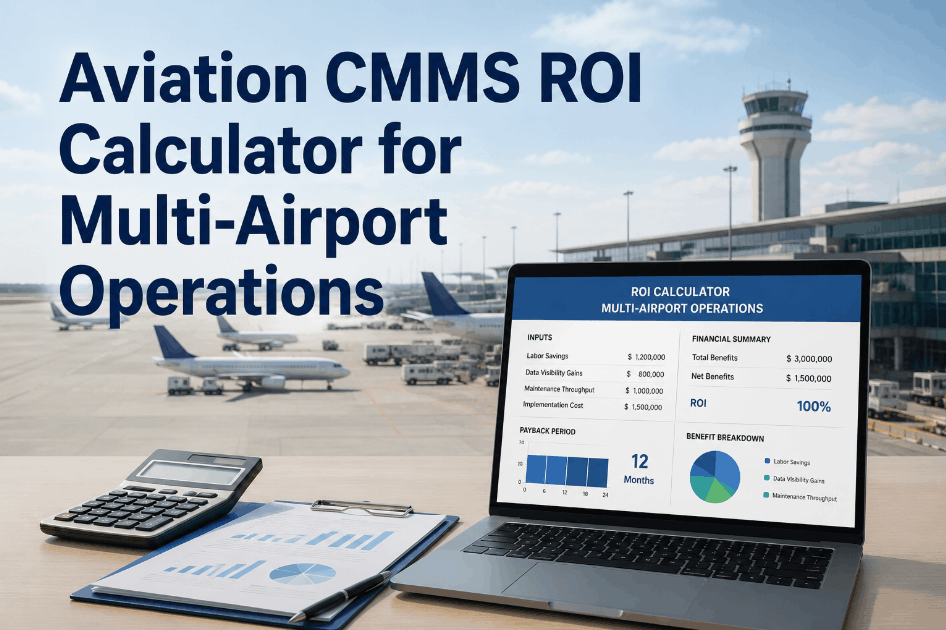
The financial case for structured GSE maintenance strategy is straightforward: the avoided cost of a single premature GSE replacement event typically exceeds the annual cost of a CMMS implementation, and that savings compounds across a fleet of 50-200 units over a 10-year planning horizon. Airports that shift from reactive to predictive GSE maintenance eliminate the budget emergency cycle, reduce per-turn operating costs, and create the documentation infrastructure that protects against liability in the event of ramp incidents — book a demo to build a custom GSE maintenance ROI projection for your fleet, or start a free trial and see measurable GSE downtime reduction within your first 30 days.
Frequently Asked Questions
What GSE categories benefit most from predictive maintenance programs?
The highest ROI GSE categories for predictive maintenance are fuel trucks and hydrant carts (regulatory inspection requirements plus high replacement cost), aircraft tow tractors (high usage intensity and hydraulic system complexity), baggage loaders (high cycle count and hydraulic/electrical system wear), ground power units (electrical system deterioration predictable through voltage and load monitoring), and passenger boarding stairs (structural inspection requirements and high passenger-contact safety criticality). Each category has distinct PM intervals, condition monitoring parameters, and regulatory documentation requirements that Oxmaint manages within a unified asset platform. Start a free trial to configure your GSE maintenance program.
What are the OSHA documentation requirements for airport GSE?
OSHA requires documented daily pre-operation inspections for powered industrial trucks (including baggage tractors and tow vehicles) under 29 CFR 1910.178. Aerial work platforms require documented inspections under ANSI/SIA A92 standards. Fuel vehicles carrying flammable liquids require documented inspections aligned with NFPA 30 and DOT requirements. Pressure vessels (nitrogen carts, air start units) require documented annual inspections. Oxmaint manages all inspection schedules with digital completion records, automatic overdue alerts, and complete audit trails that satisfy OSHA, DOT, and NFPA inspection documentation requirements across all GSE categories.
How should airports handle GSE maintenance when equipment is shared between ground handlers and airport authority?
Shared GSE maintenance responsibility requires clear documentation of which organization holds maintenance accountability for each equipment unit and each maintenance category. Oxmaint supports multi-organization maintenance programs with role-based access control — ground handlers can view and complete work orders for equipment in their operational responsibility while airport authority maintenance teams retain oversight visibility across the full fleet. Usage-based PM triggers that accumulate across all operators — regardless of which organization drove the hours — ensure maintenance intervals are met even when custody boundaries create accountability ambiguity.
How does GSE electrification affect maintenance strategy planning?
Airport GSE electrification programs — driven by FAA VALE grants, airline sustainability commitments, and state zero-emission requirements — fundamentally change the maintenance profile of the fleet. Electric GSE eliminates many traditional PM tasks (oil changes, fuel system service, exhaust system maintenance) but introduces new requirements: battery health monitoring, charging infrastructure maintenance, thermal management system inspection, and software/firmware update management. Oxmaint manages electric GSE with dedicated PM templates that reflect the changed maintenance profile, including battery capacity tracking, charging cycle documentation, and predictive battery replacement planning based on capacity degradation curves.
Stop Losing Flight Operations to Preventable GSE Failures
Turn every ground support equipment asset into a predictable, data-driven maintenance program with Oxmaint. Used by aviation operations teams managing fleets of 50-500 GSE units — live in days, no heavy implementation required.
- Real-time GSE fleet health with condition scores across all equipment categories
- Predictive failure alerts before ground support breakdowns impact flight turns
- 5-10 year GSE CapEx forecasting to eliminate emergency replacement events
See measurable GSE downtime reduction in the first 30 days. Limited onboarding slots available this quarter.