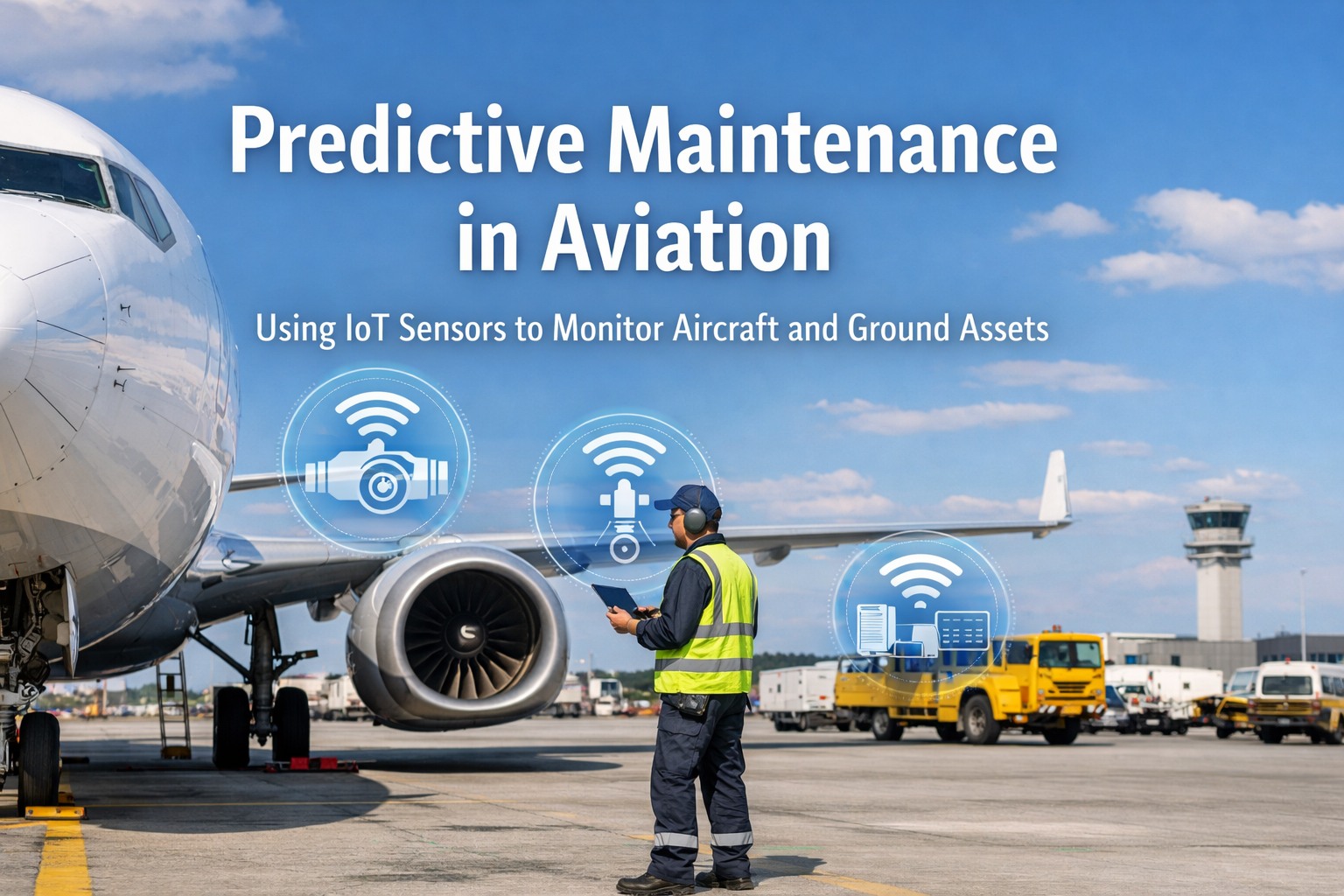
Aviation maintenance has always been a race against time. When an aircraft goes technical at a remote station—a secondary hub in Southeast Asia, a cargo terminal in the American Midwest, or an outstation with a single licensed engineer—the outcome depends almost entirely on one thing: whether the right expertise reaches the right technician at the right moment. That bottleneck is ending. Augmented reality and AI-powered remote assistance now let a line technician work alongside a certified OEM specialist in a different country, with real-time visual guidance, digital overlays on the physical component, and structured troubleshooting that replaces the old model of voice calls, emailed PDFs, and guesswork.
40%
MTTR Reduction
Average reduction in mean time to repair with AR-guided remote expert sessions
$50K+
Cost Per AOG Hour
Widebody commercial aircraft across major airline operations globally
76%
Knowledge Access Gap
MRO providers cite remote knowledge access as the top operational constraint
3x
Faster Resolution
Fault resolution rate when certified experts guide first-line technicians remotely
Oxmaint Brings Remote Expert Assistance Into Your Live Maintenance Workflows
Connect field technicians to certified experts, AR-guided diagnostics, and auto-generated documentation—all within one maintenance platform built for aviation operations at scale. No separate tooling. No disconnected records.
What Is Remote Expert Assistance in Aviation Maintenance?
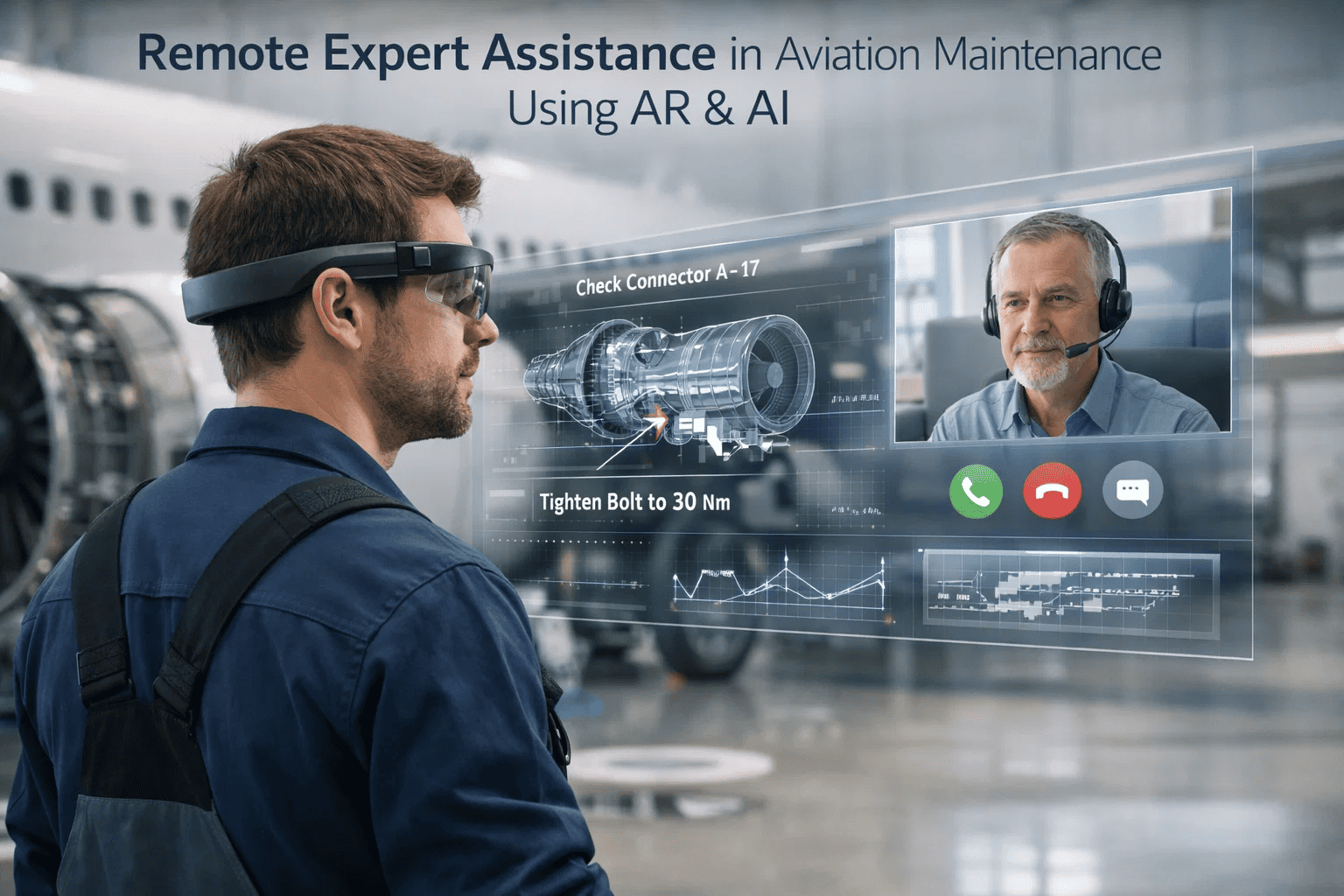
Remote expert assistance (REA) in aviation maintenance is a structured support model where certified engineers, OEM specialists, or senior technicians guide field personnel through complex maintenance tasks in real time—using augmented reality, live video, AI pre-diagnostics, and digital documentation—without being physically present. It is the operational bridge between the knowledge held by a handful of senior engineers and the hundreds of technicians distributed across a global fleet. Traditional support meant a phone call with a static PDF. REA means the expert sees exactly what the technician sees, annotates the physical component directly, and steps through each procedure with precision accountability.
Want to transform how your team handles maintenance at remote stations? Start a free trial for 30 days and book a demo to see how Oxmaint brings remote expertise directly into your maintenance workflow.
The Four Pillars of Modern Aviation Remote Assistance
AR
Augmented Reality Overlays
Smart glasses or mobile devices project digital annotations, wiring diagrams, and component callouts directly onto the physical surface the technician is working on. The expert draws, circles, and labels in real time. The technician sees it overlaid on the actual equipment—not on a separate screen.
AI
AI-Driven Pre-Diagnostics
AI models analyze fault codes, sensor readings, and maintenance history before the expert even joins the session. Technicians arrive at the fault location with ranked hypotheses, not a blank page. The expert reviews machine-generated candidates and confirms or redirects within minutes.
Live
Multi-Party Telepresence
High-definition video, low-latency audio, and shared screen capability create a working environment functionally equivalent to being in the same hangar. OEM engineers, quality inspectors, and local supervisors can join the same session simultaneously—one decision environment, zero travel.
Record
Auto-Generated Digital Records
Every remote session generates a structured maintenance record automatically—timestamps, technician actions, expert notes, photographs, AMM references, and digital sign-off. The record is audit-ready the moment the session closes, stored directly against the aircraft work order.
Where Aviation Maintenance Operations Break Down Today
AOG Risk
Extended Aircraft on Ground at Remote Stations
Aircraft go technical at stations without the right specialist on site. The nearest certified expert may be a continent away. Each widebody AOG hour costs $50,000 or more. Phone support without visual context leads to misdiagnosis, repeat inspections, and extended dispatch delays that cascade across the network.
Workforce
Widening Skills Gap Across the Fleet
The MRO industry will need more than 40,000 additional technicians by 2030. The institutional knowledge leaving with retiring engineers cannot be replaced through classroom training alone. Junior technicians are routinely assigned tasks that exceed their experience base—without structured expert backup available.
Compliance
Documentation Gaps After Phone Support
Phone and email support generates almost no usable maintenance record. What was discussed, decided, and actioned is rarely captured in structured form. Regulatory audits expose these gaps. Recurrence of the same fault is common because the institutional knowledge exchanged in that call was never logged anywhere that matters.
OEM Access
72-Hour Waits for Specialist Travel
Getting an OEM technical representative on site can take 24 to 72 hours. For airlines on tight turnaround schedules or cargo carriers on delivery commitments, this wait is commercially catastrophic. Physical presence requirements are a structural bottleneck that aviation operations can no longer accept as the default model.
How Oxmaint Powers Remote Expert Assistance Across Your Fleet
Oxmaint connects the remote expert session directly to the maintenance record, the work order, the asset history, and the compliance trail. The session is not a standalone video call—it is a structured maintenance event with full traceability. Everything that happens in the session feeds back into the platform: parts requests, deferral decisions, photographs, task references, and sign-offs.
See Oxmaint's remote assistance module in action. Start a free trial for 30 days with your own fleet data, or book a demo and we will walk through a live troubleshooting session from fault trigger to closed work order.
Asset Intelligence
Full Asset History at the Expert's Fingertips
Remote experts join sessions pre-loaded with the aircraft's complete maintenance history, open defects, previous troubleshooting chains, and component service life data. No time lost re-establishing context. The expert starts diagnosing from facts, not from what the technician can recall under pressure.
Work Orders
Session-Generated Work Orders in Real Time
Every remote assistance session automatically creates or updates a structured work order as the session progresses. Actions taken, parts requested, deferral decisions, and next steps are captured without the technician stopping to type. The maintenance record builds itself during the session, not after it.
Compliance
EASA and FAA Audit-Ready by Default
Every session generates a timestamped log: expert guidance, technician actions, photographs, AMM task references, and digital sign-offs. Referenced against the applicable maintenance manual. Accessible to quality assurance teams immediately. No retrospective documentation effort required after the aircraft is released.
Mobile-First
Smart Glasses, Tablets, and Phones
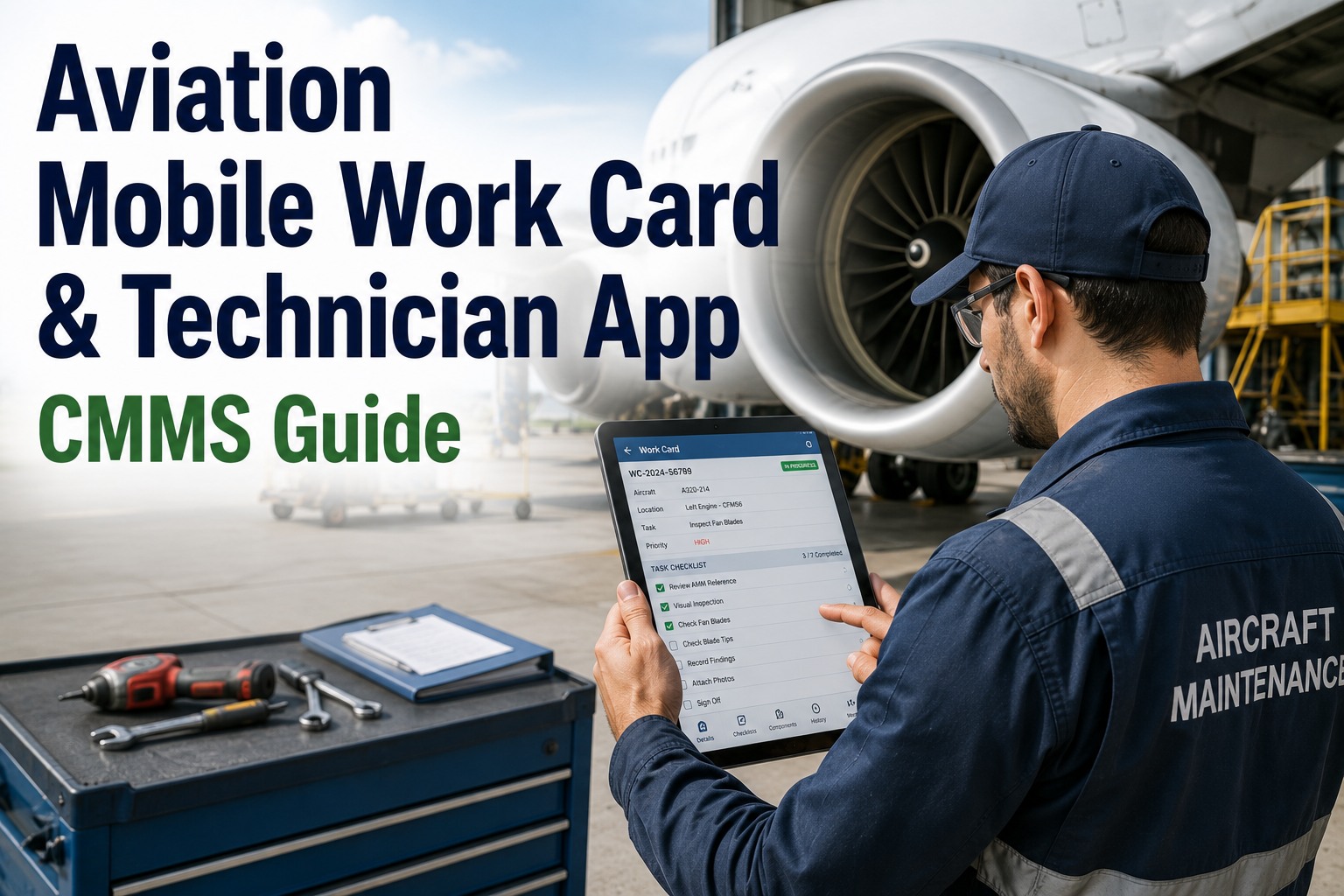
Oxmaint's mobile interface is designed for hangar environments. Technicians access remote sessions from smart glasses, ruggedized tablets, or standard smartphones. The expert's AR annotations adapt to the device being used. No hardware lock-in, no specialist equipment procurement required to get started.
Parts
Live Parts and Inventory Access During Sessions
During a remote session, the expert can check parts availability across all stations in real time. If the correct part is not available locally, Oxmaint surfaces the nearest stocking location and initiates the transfer request without leaving the session workflow. No context switching, no separate system access.
Analytics
Remote Assist Performance Reporting
Track first-time fix rates, average session duration, repeat fault frequency, and expert utilization across your operation. Identify which stations need the most support and which technicians are ready for certification progression. Data-driven workforce development built into the platform, not a separate reporting exercise.
Traditional Phone Support vs AR-Assisted Remote Expert Maintenance
| Aspect |
Traditional Phone or Email Support |
AR-Assisted Remote Expert via Oxmaint |
| Expert Visibility |
None — verbal description only, high interpretation risk |
Real-time shared visual with live AR annotation overlay |
| Guidance Precision |
Described step-by-step with frequent miscommunication |
Annotated directly on the physical component in the technician's view |
| Pre-Diagnosis |
Starts from zero — expert asks for symptom description again |
AI surfaces ranked fault hypotheses before session begins |
| Documentation |
Post-call notes — incomplete, unstructured, easily lost |
Auto-generated, timestamped, AMM-referenced record on session close |
| Resolution Time |
Hours to days with multiple escalations and call-backs |
Minutes to 2 hours — first-contact resolution the target |
| First-Time Fix Rate |
Industry average approximately 42% unassisted |
Up to 78% with guided AR expert sessions |
| OEM Involvement |
Physical travel required — 24 to 72 hour response window |
OEM specialist joins remotely within 15 minutes |
| Knowledge Retention |
Verbal — lost when the call ends, no institutional record |
Session recorded, replayable, and stored against asset history |
Benchmarks based on MRO industry data, IATA maintenance efficiency reports, and AR-assisted maintenance deployment studies 2023–2025
The ROI Case: What the Numbers Show
40%
MTTR Reduction
Average reduction in mean time to repair when AR-guided remote experts support first-line technicians through fault resolution
78%
First-Time Fix Rate
Achievable with structured remote expert sessions vs 42% industry average for technicians without expert AR guidance
60%
Fewer Repeat Faults
Operations using session documentation and root cause capture report significant reduction in recurring maintenance events on the same asset
3x
Faster Skills Transfer
Junior technicians mentored through live AR sessions develop competency three times faster than those relying on classroom and manual study alone
Frequently Asked Questions
What hardware does AR remote assistance require for hangar environments?
AR remote assistance can run on smart glasses such as RealWear or Vuzix, ruggedized tablets, or standard smartphones. Most operations begin with tablets and smartphones because they require no new hardware procurement—which means deployment can start within days of platform activation. Smart glasses are preferred for hands-free operation during active maintenance tasks where both hands are needed on the aircraft. Oxmaint's platform is hardware-agnostic and adapts to the device available at each station. A stable mobile or Wi-Fi connection with at least 5 Mbps upload speed is the primary infrastructure requirement for full video and AR overlay sessions.
Can remote expert sessions cover any aircraft type or system?
Yes. Remote expert assistance is system-agnostic. The expert brings domain knowledge; the platform provides the visual connection, asset context, and documentation structure. Oxmaint maintains asset records for all aircraft types in your fleet, meaning the expert joins sessions with the correct AMM references, component history, and applicable service bulletins pre-loaded. Sessions operate across commercial narrowbodies, widebodies, regional aircraft, and business jets—covering avionics, structures, powerplant, cabin systems, and ground support equipment.
How does remote assistance integrate with aircraft maintenance manual references?
Oxmaint maps every remote assistance session to the applicable AMM task number. Expert guidance is documented against the correct procedure reference—not as a freestanding note. Session records include the AMM revision used, which steps were completed, any deviations authorized, and who approved them. This means the resulting maintenance record is structured the way a regulatory authority expects to see it: a traceable, task-referenced activity log, not a summary paragraph that raises more questions than it answers during an audit.
What happens if connectivity drops during an active remote session?
Oxmaint is designed for real-world hangar conditions where connectivity is not always stable. The platform caches the most recent expert guidance, current task step, and any instructions delivered before the connection dropped. The technician can continue working against the last confirmed guidance state. When connectivity restores, the session resumes and the documentation record reconciles automatically. For operations in known low-connectivity environments, pre-loaded troubleshooting guides and step-by-step task cards are available offline via the Oxmaint mobile app—ensuring the technician is never left without structured support.
The Right Expert. The Right Moment. Every Fault.
Oxmaint connects your field technicians to remote expert guidance, AR-assisted diagnostics, structured troubleshooting, and audit-ready documentation—all inside one platform built for aviation maintenance at scale. Stop losing hours to AOG events that a 15-minute expert session could resolve. Your competitors are not waiting.