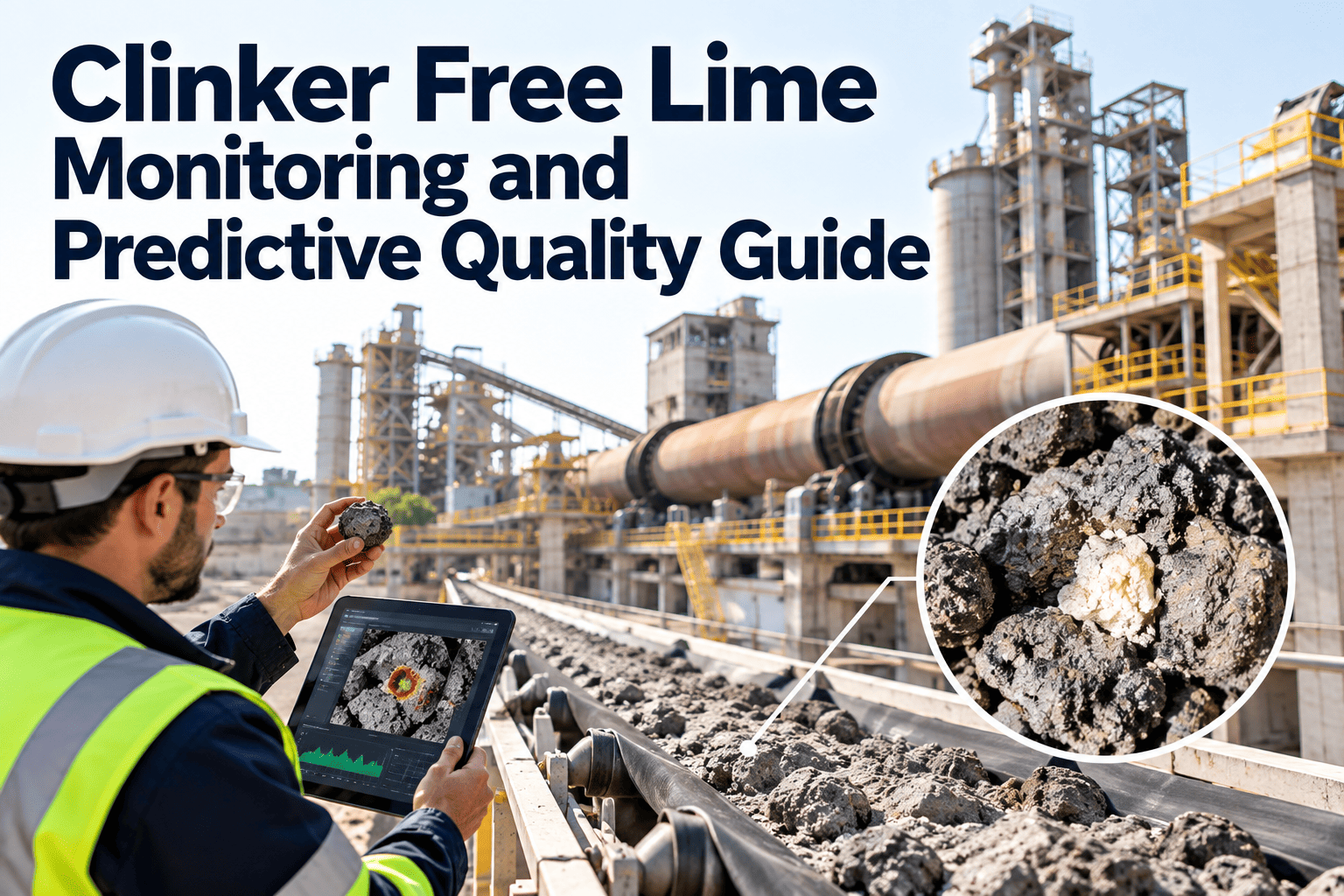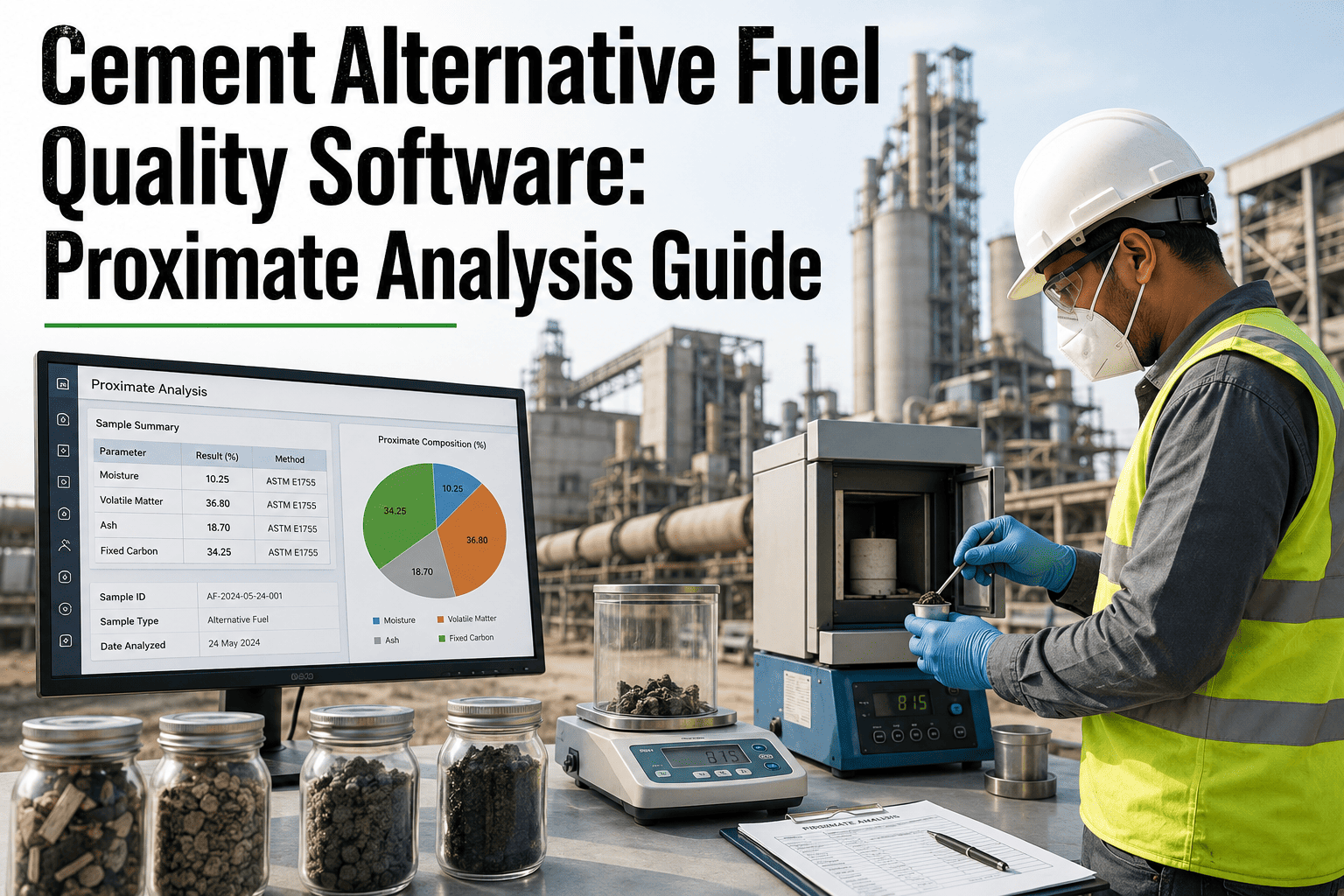
Alternative fuels lower fuel cost and carbon intensity, but they rarely burn the way coal or petcoke does. Moisture, particle size, calorific value, chlorine, sulfur, and ash chemistry can change from one truck to the next, and the kiln feels every swing. Unstable combustion shows up as CO trips, coating rings, variable free lime, and erratic clinker phases. Controlling those outcomes takes disciplined fuel handling, reliable feeding equipment, and a maintenance system that links process symptoms to asset work, which is where cement maintenance software becomes practical.
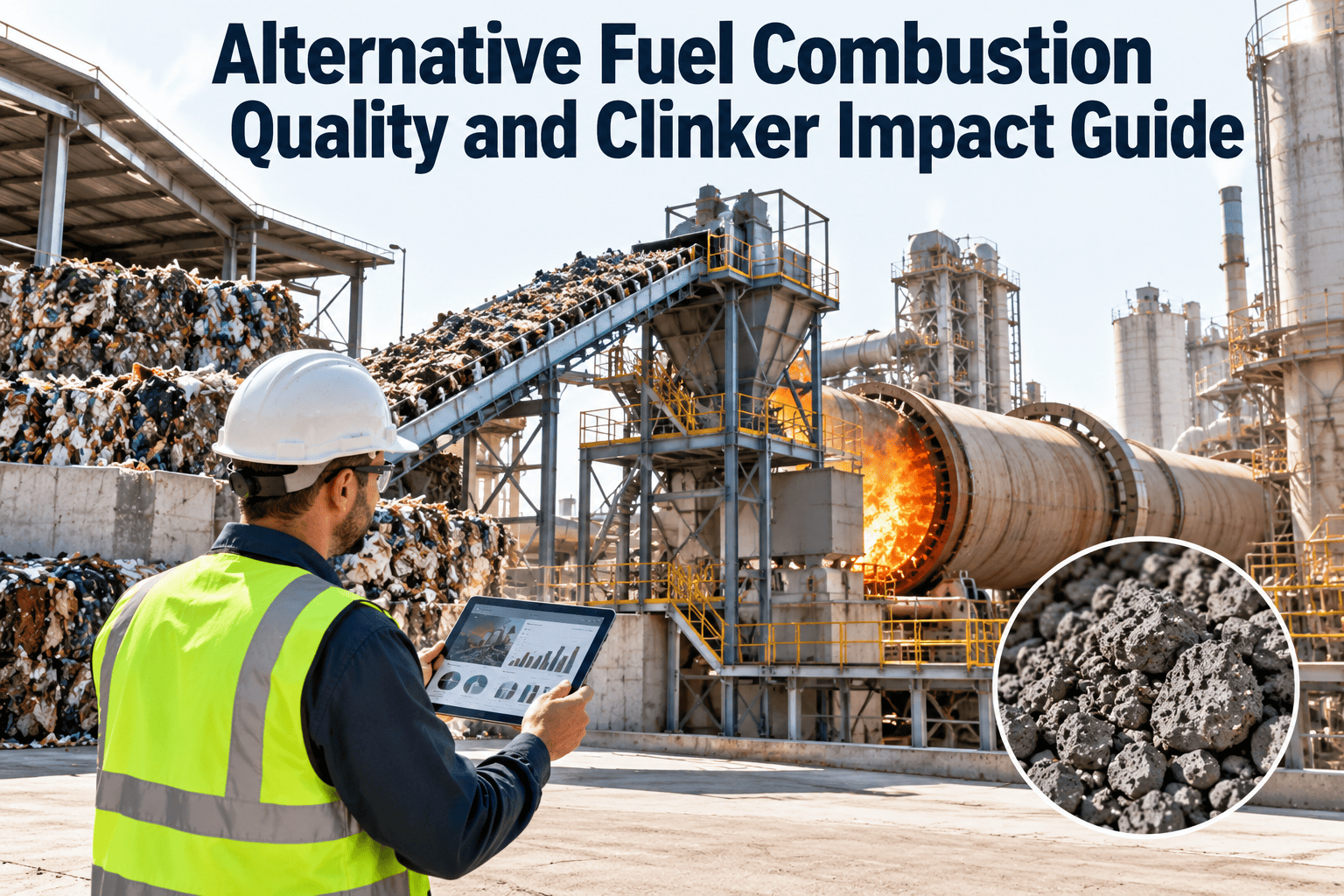
Alternative Fuel Combustion Quality and Clinker Impact Guide
Fuel variability is a process problem and an equipment problem at the same time. See how RDF, tyres, biomass, and sludge change flame behavior, clinker mineralogy, and asset wear, and how to manage each link before quality drifts.
Why fuel variability hits quality and equipment together
- Heating value that swings between deliveries forces constant kiln fuel and feed adjustments.
- Coarse or wet fuel burns late, pushing combustion into the wrong part of the system.
- Chlorine and sulfur feed volatile cycles that build coating in the preheater and riser duct.
- Feeding equipment sees abrasive, sticky, or fibrous material that plain coal never produced.
Each of these effects can be traced back to a measurable cause. The sections below separate what happens in the flame, what lands in the clinker, and what wears out in the plant.
Fuel property to clinker effect
| Fuel property | Combustion effect | Clinker effect | Equipment effect |
|---|---|---|---|
| High moisture | Lower flame temperature, delayed ignition | Higher free lime, cooler burning zone | Bridging in bins, wet feed on belts |
| Coarse particles | Fuel falls through, burns in the kiln inlet | Local reducing conditions, brown or dark clinker | Airlock and rotary valve jamming |
| High chlorine | Volatile chloride cycle | Unstable kiln inlet chemistry | Cyclone buildup, cleaning frequency rises |
| High sulfur or alkali | Sulfate cycle, alkali imbalance | Ring formation, coating instability, sulfate phases | Kiln inlet ring cleaning, riser blockages |
| Low or variable calorific value | CO peaks, oxygen swings | Fluctuating burnability | Trips, unstable dosing loops |
| Abrasive content | Neutral | Neutral | Liner wear on chutes, screws, and fans |
Combustion quality: what to watch
Main burner
- Flame shape and length against the design profile
- Primary air momentum after channel wear
- Coal or petcoke fineness when blended with alternative fuel
- Burner tip condition and refractory around the nose
Calciner and secondary firing
- Residence time for coarse RDF or tyre chips
- Tertiary air temperature and volume
- CO and oxygen at the calciner outlet
- Meal distribution and cyclone temperature profile
Burning coarse or wet fuel at the main burner is a common source of unstable flames, while calciner firing tolerates larger particles if residence time and oxygen are sufficient.
Clinker impact map
Before and after: managed versus unmanaged fuel systems
Unmanaged
- Fuel accepted on supplier paperwork alone
- Feeder faults cleared without a work order
- Rings cleaned reactively during stops
- Lab and maintenance data kept separate
- Repeat trips blamed on operators
Managed
- Acceptance limits for moisture, size, chlorine, and ash
- Every feeder trip logged with cause and asset
- Coating inspections scheduled from process trends
- Free lime shifts linked to fuel batches and asset events
- Recurring failures trigger root cause work orders
Link fuel events to asset work in one place
Track feeder faults, inspections, and corrective work against the equipment that feeds your kiln, so recurring fuel problems become visible.
Equipment most affected by alternative fuels
Receiving and storage
Walking floors, shredders, magnets, and bunkers face contamination, bridging, and fire risk. Inspect knives, hydraulics, and fire detection routinely.
Conveying and dosing
Belt scales, screws, and rotary airlocks drive feed accuracy. Wear or blockage here shows up as swings in TSR.
Burners and pipes
Channel wear and pipe erosion change flame momentum. Track burner geometry and pipe thickness over time.
Preheater and riser
Coating growth drives cleaning work, pressure drop, and blockage risk. Air cannons, poke holes, and sensors need scheduled checks.
Bypass and gas system
Chloride bypass, fans, and filters carry the load when volatile input rises. Monitor vibration, dampers, and dust handling.
Cooler and kiln shell
Unstable flames change heat load on refractory and cooler grates. Log shell scans and grate condition alongside fuel changes.
A maintenance workflow for stable combustion
Set acceptance and feed limits
Record fuel specifications and link them to the assets that handle each stream.
Schedule preventive tasks
Build inspection routes for feeders, airlocks, burners, and cyclones based on fuel mix, not calendar alone.
Capture faults at the source
Technicians raise work orders from mobile devices with photos, downtime, and cause codes.
Correlate with process data
Compare CO trips, ring events, and free lime shifts with fuel batches and open work.
Fix causes, not symptoms
Move repeated failures into corrective actions, spare parts planning, and design improvements.
Risk matrix for alternative fuel systems
| Failure mode | Likely trigger | Process consequence | Preventive response |
|---|---|---|---|
| Feeder blockage | Wet or fibrous fuel | TSR drop, kiln fuel swing | Airlock inspections, level sensor checks |
| Preheater blockage | Chloride and sulfur cycles | Stops, unstable draft | Scheduled cleaning, cannon checks, bypass review |
| Burner distortion | Channel wear, tip damage | Poor flame, hot spots | Burner inspection each stop |
| Metering error | Load cell drift, belt wear | Wrong heat input | Calibration tasks with recorded results |
| Fire in storage | Contamination, self-heating | Safety event, supply loss | Temperature scans, detection system tests |
KPIs that connect fuel, kiln, and maintenance
Review these together in a monthly reliability meeting so quality, production, and maintenance share one view of the same events.
Inspection checklist for each fuel stream
Weekly
- Check rotary valves and screws for wear and leakage
- Confirm magnet and metal separator function
- Verify belt scale zero and span
- Review fuel temperature scans in storage
Each planned stop
- Measure burner channel and tip condition
- Inspect calciner and riser for coating and refractory wear
- Test air cannons and level sensors
- Review open work orders against trip history
Using Oxmaint in the alternative fuel workflow
- Asset records for shredders, feeders, burners, cyclones, and fans, with history in one place.
- Preventive maintenance schedules based on runtime or condition rather than calendar only.
- Mobile work orders for technicians with photos, notes, and cause codes.
- Inspection checklists for storage, feeding, and kiln inlet routes.
- Inventory tracking for airlock rotors, liners, and burner spares.
- Dashboards that show reactive work, downtime, and recurring failures.
Condition-based tasks can be triggered by vibration, temperature, or pressure readings so that deterioration is addressed before a trip.
Frequently asked questions
Does higher TSR always reduce clinker quality?
No. Stable, well-prepared fuel can support high TSR, while poor control causes quality drift.
Why does chlorine matter?
It drives volatile cycles and coating. Track it against cleaning work, or book a demo to see how.
Which assets fail first with alternative fuels?
Feeders, airlocks, burner channels, and preheater areas prone to coating usually show wear first.
How can maintenance data help quality teams?
Work order timing explains free lime shifts and CO events that lab data alone cannot.
Where should a plant start?
Register fuel-handling assets and log every feeder trip. You can sign up and start in a day.
Stabilize combustion by fixing the assets behind it
Give maintenance, process, and quality teams one record of fuel events, asset condition, and completed work.