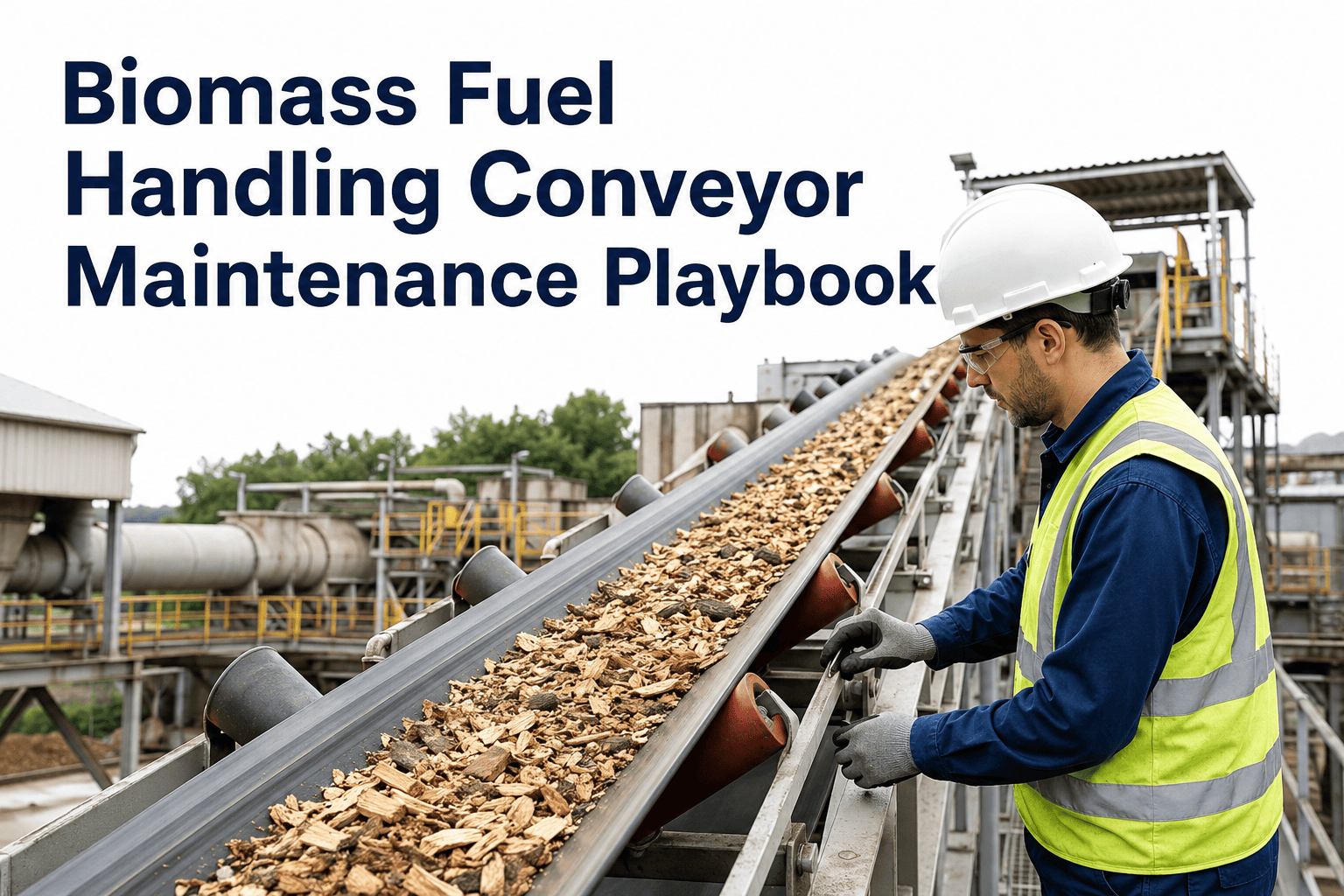
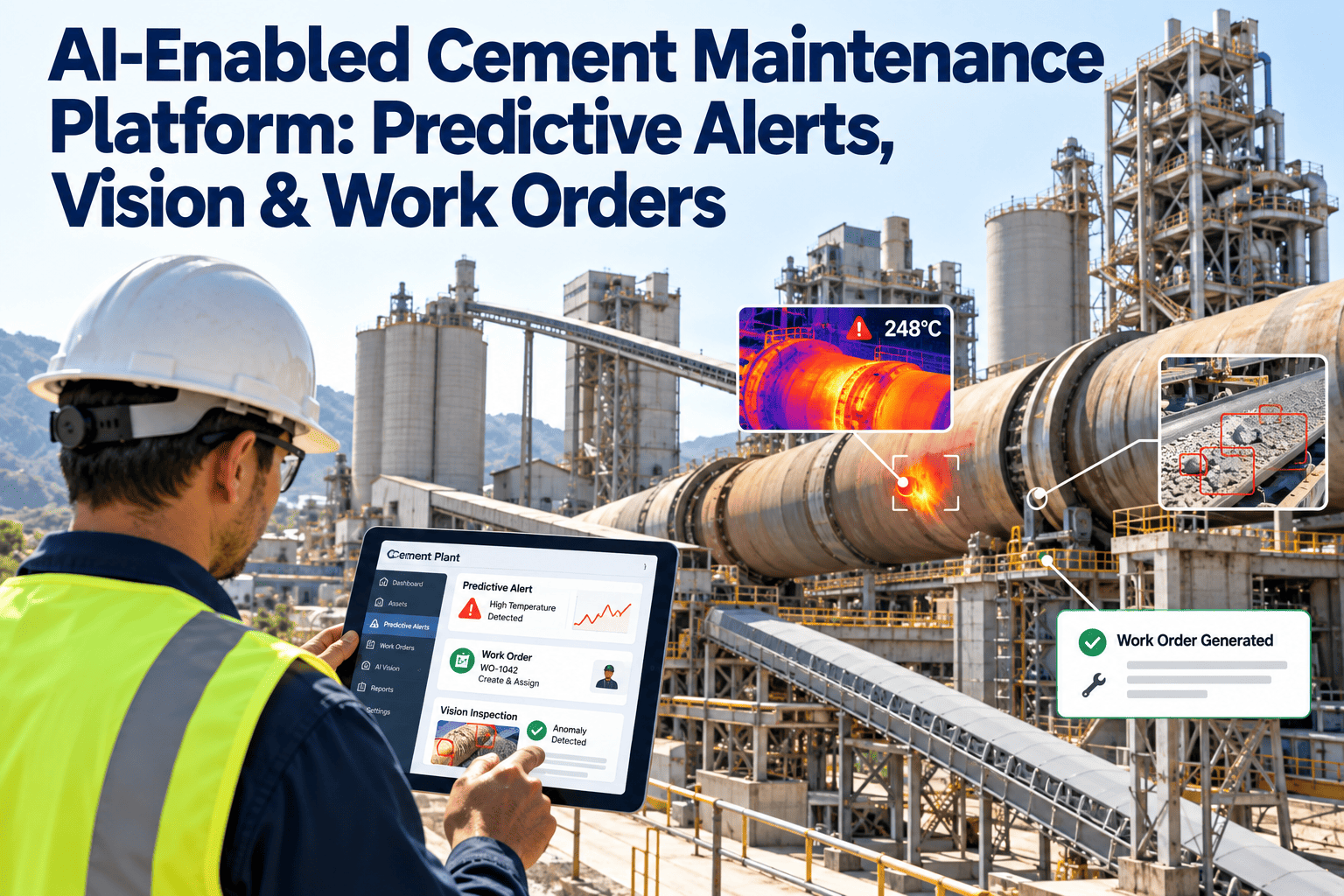
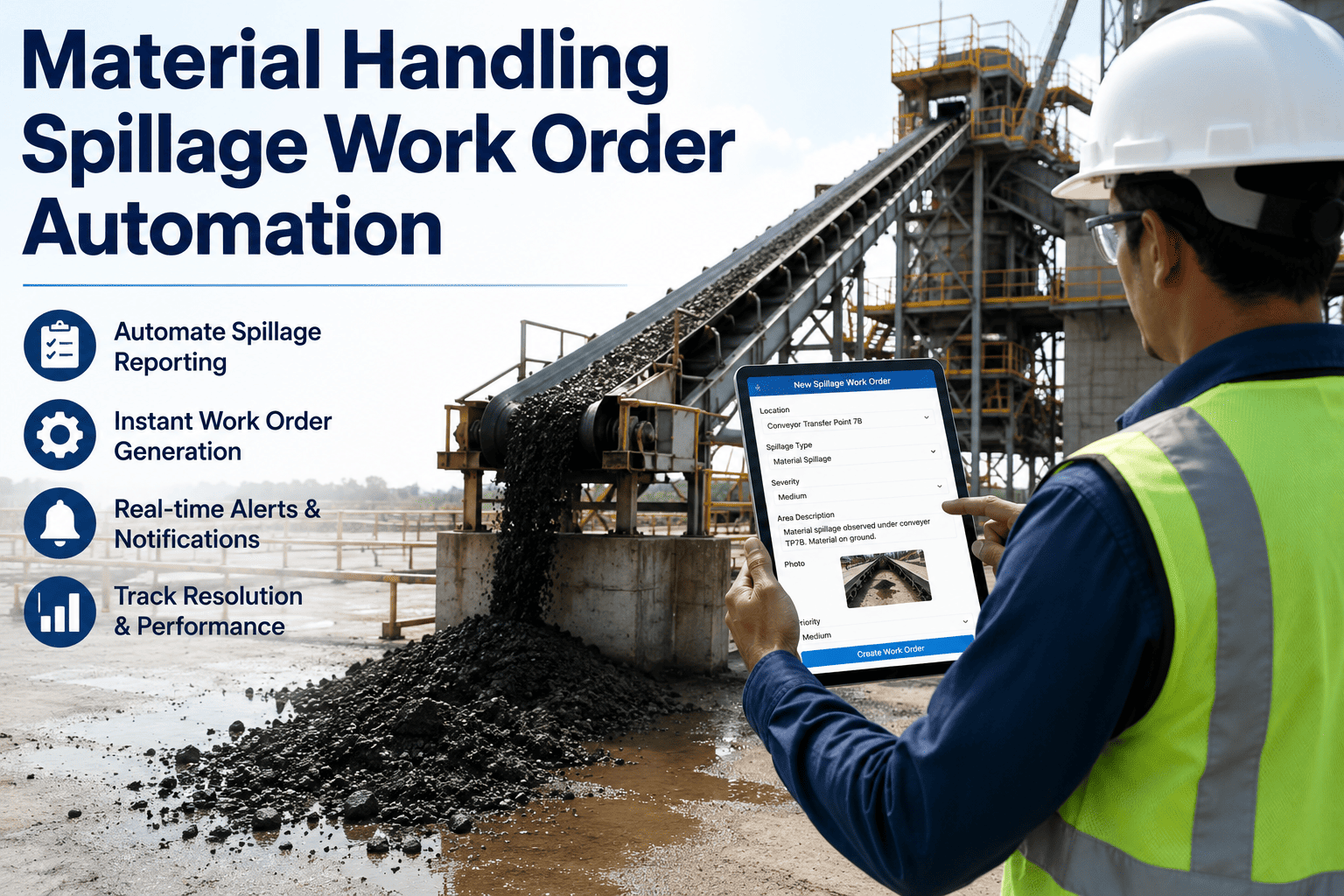
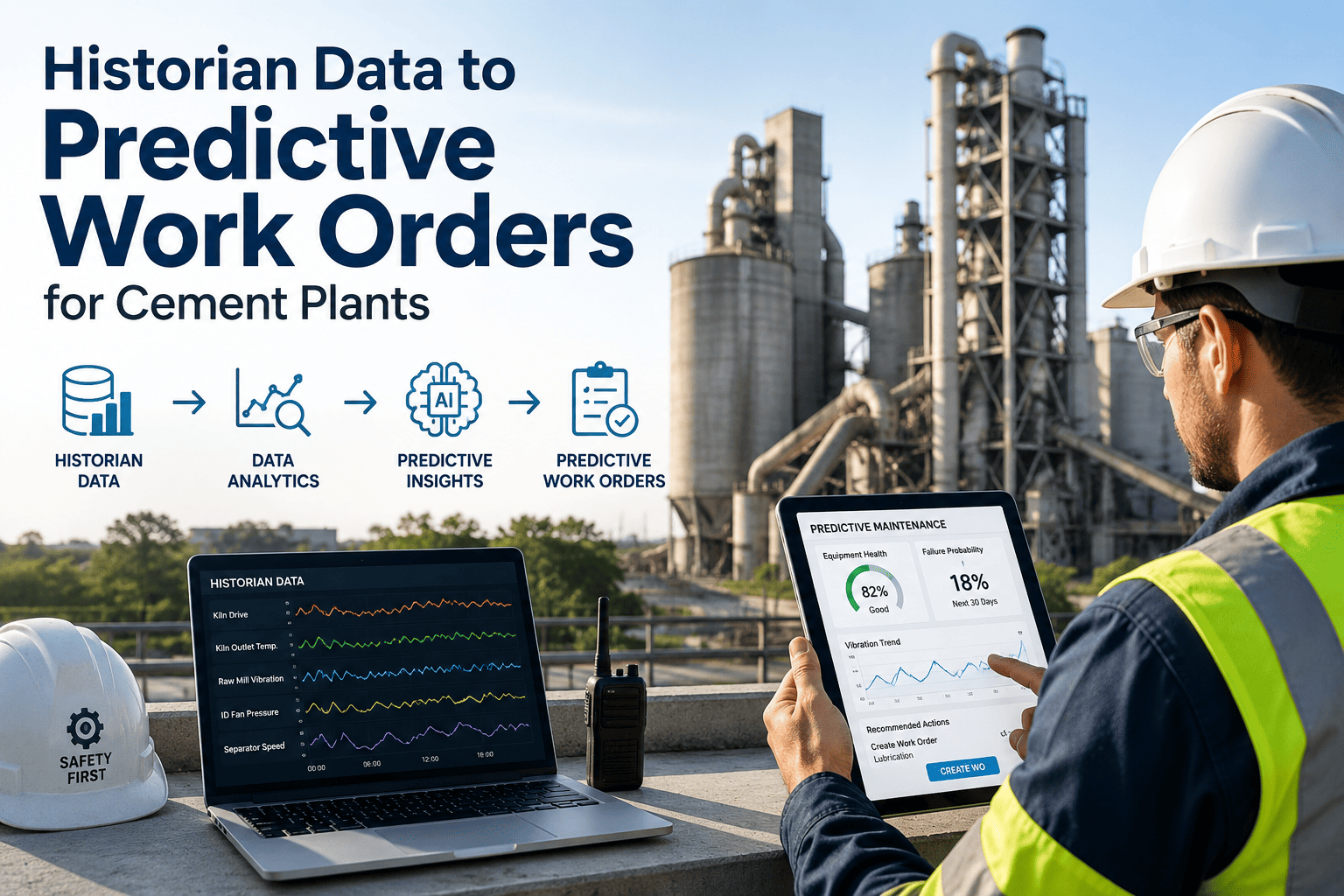
A biomass conveyor line looks forgiving compared to a kiln or a mill, right up until it isn't. Moisture swings from one delivery to the next, fines build up at every transfer point, and a bearing running a few degrees hotter than normal is often the only warning before a belt mistracks or a dust cloud becomes a hazard. None of these failure points announce themselves loudly; they show up as a slightly different sound, a slightly warmer housing, a slightly heavier dust haze around a chute. A maintenance playbook that turns those small signals into scheduled work, instead of waiting for a stopped line, is what Oxmaint's work order management is built around, and you can see the workflow at Oxmaint.
5 Failure Points On Every Biomass Conveyor
These five points carry almost all of the wear, fire risk, and dust hazard on a biomass handling line. A playbook that checks all five on a fixed cadence catches nearly everything that would otherwise show up as a stopped line.
1
Idler Rollers & Bearings
Frictional heating in a worn idler is a known ignition source for combustible dust. Even ATEX-rated rollers can fail with very little warning, so surface temperature is the signal worth tracking.
2
Belt Tracking & Carryback
Material clinging to the belt past the discharge point causes mistracking, component seizing, and ongoing spillage if it isn't cleared on a regular cycle.
3
Transfer Point Dust Containment
Open chutes and drop points generate fugitive dust. Combustible dust, oxygen, and an ignition source together are the only three ingredients a fire or explosion needs.
4
Moisture-Driven Bridging
Fines content as high as 30% in some biomass fuels makes hoppers and chutes prone to bridging, especially as moisture content shifts between deliveries.
5
Silo & Storage Explosion Relief
Blowout panels and venting are only effective if they're verified on a schedule, not just signed off on installation day and forgotten.
Small signals are easy to log and easy to lose
A warmer bearing housing or a slightly heavier dust haze rarely makes it into a paper logbook. Oxmaint turns it into a tracked inspection point with a history.
Moisture: The Variable Everyone Underestimates
Low Moisture Biomass
Generates fine airborne dust that settles in places no one routinely checks
Dry dust is significantly more combustible than its moist counterpart
Fines content can reach 30% or more in some feedstocks, raising explosion risk at every transfer point
High Moisture Biomass
Some sawmill byproducts carry moisture content up to 55%, well above typical design assumptions
Wet material bridges and clogs hoppers and chutes instead of flowing freely
Lower net calorific value per ton means heavier conveyor loads to deliver the same heat input
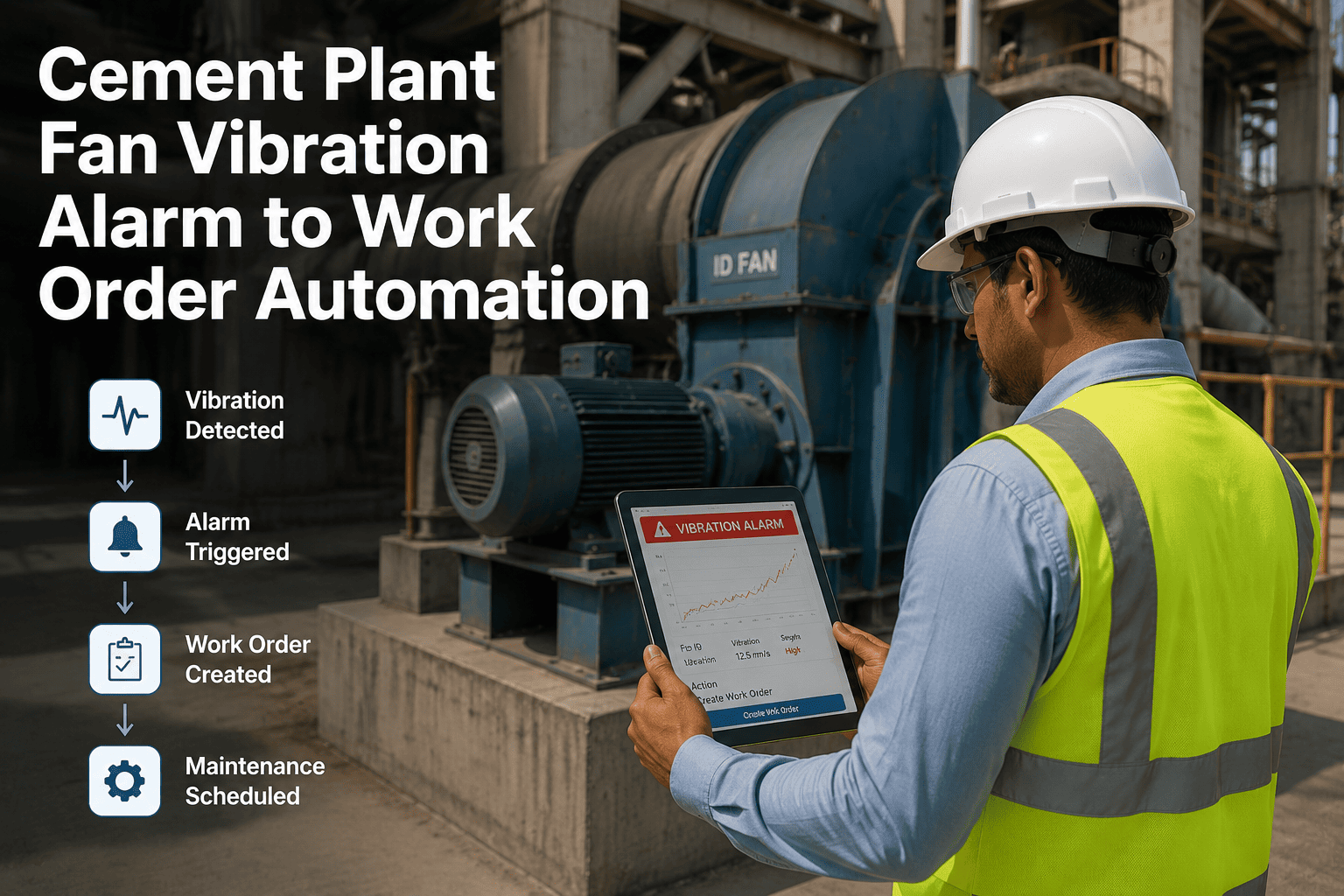
The Inspection-To-Work-Order Loop
1
Reading Taken
Temperature, dust level, or a technician's walk-down checklist entry
THEN
2
Threshold Checked
Reading compared automatically against the safe operating range for that asset
THEN
3
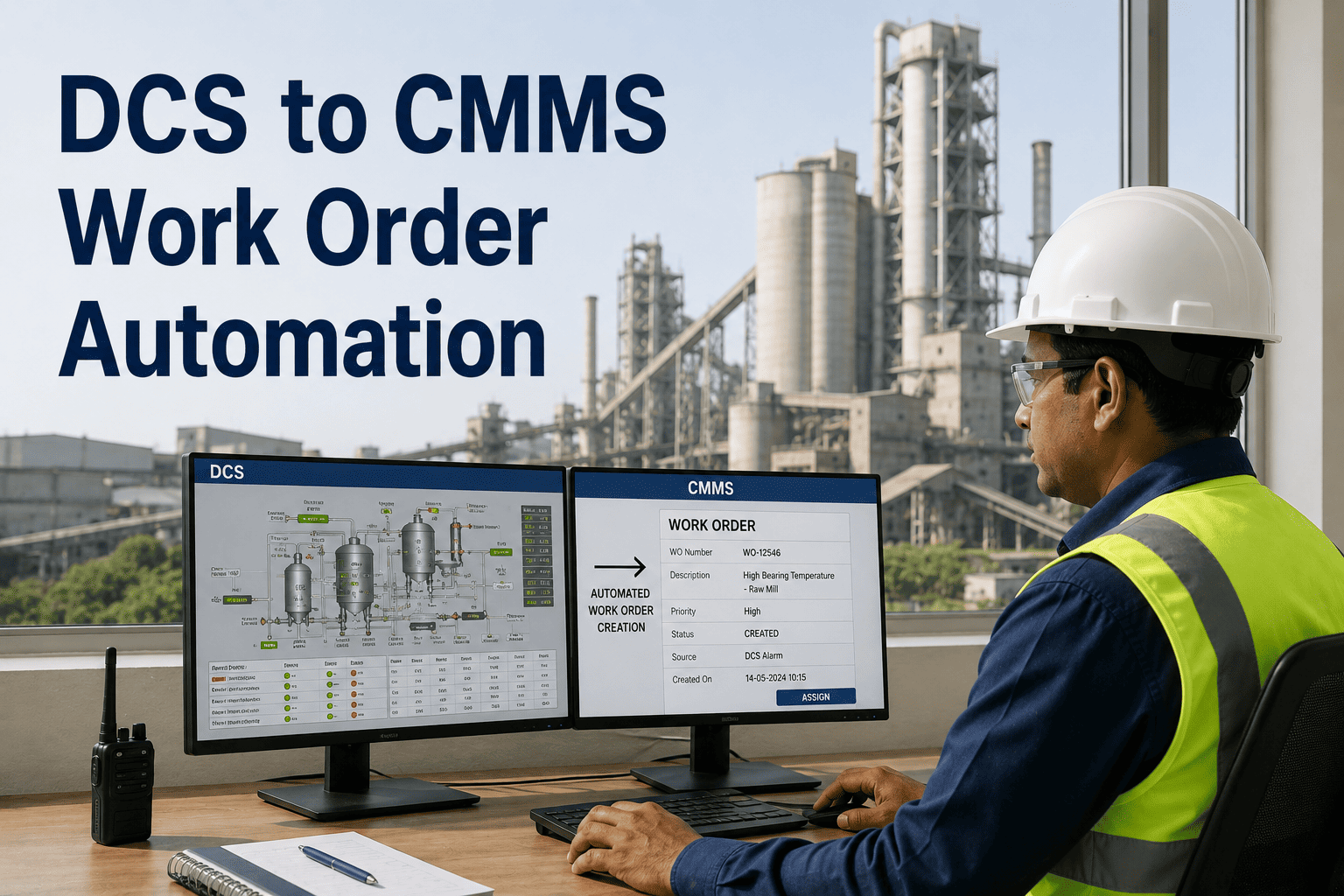
Work Order Created
Generated automatically with the asset, the deviation, and a priority level attached
THEN
4
Resolved & Logged
Technician closes the work order, and the resolution becomes part of that asset's history
The cycle repeats continuously across every conveyor, chute, and silo on the line
Playbook Checklist By Component
Put this playbook on your existing biomass line
A short walkthrough shows how Oxmaint would map this checklist onto your conveyors, chutes, and silos, with work orders generated automatically.
Frequently Asked Questions
Why is dust and fire risk on biomass conveyors treated more carefully than on coal conveyors?
Biomass dust properties vary far more than coal, even between batches from the same supplier, which makes fixed maintenance intervals less reliable. Biomass also tends to generate finer, more easily airborne dust at transfer points, raising the explosion risk profile compared to a more consistent fuel like coal.
How often should idler bearings actually be checked?
A daily visual and temperature check during the operator walk-down catches most early warning signs, with continuous monitoring recommended on idlers near high-traffic transfer points. Bearings showing any temperature trend upward should move to a shorter check interval immediately rather than waiting for the next scheduled round.
Can work orders be triggered automatically from temperature or dust sensors?
Yes, sensor readings can feed directly into Oxmaint and generate a work order the moment a threshold is crossed, without anyone needing to manually review the data first. You can see exactly how the alert thresholds are configured at
app.oxmaint.ai.
Does this replace our existing dust hazard analysis documentation?
No, it complements it. Your dust hazard analysis identifies the risk profile of each area; Oxmaint provides the day-to-day inspection and work order trail that demonstrates those risks are actually being managed on an ongoing basis, which is exactly what most audits and reviews ask to see.
How quickly can a new biomass line be added to the playbook?
Most plants get a single conveyor line fully checklisted within the first week, then expand to chutes, silos, and additional lines as the inspection cadence settles in. Book a short call at
calendly.com/oxmaintapp/30min to map your specific line before you start.
Catch the small signal before it becomes a stopped line
Run this playbook on your biomass handling equipment with mobile checklists, automatic thresholds, and work orders that write themselves.