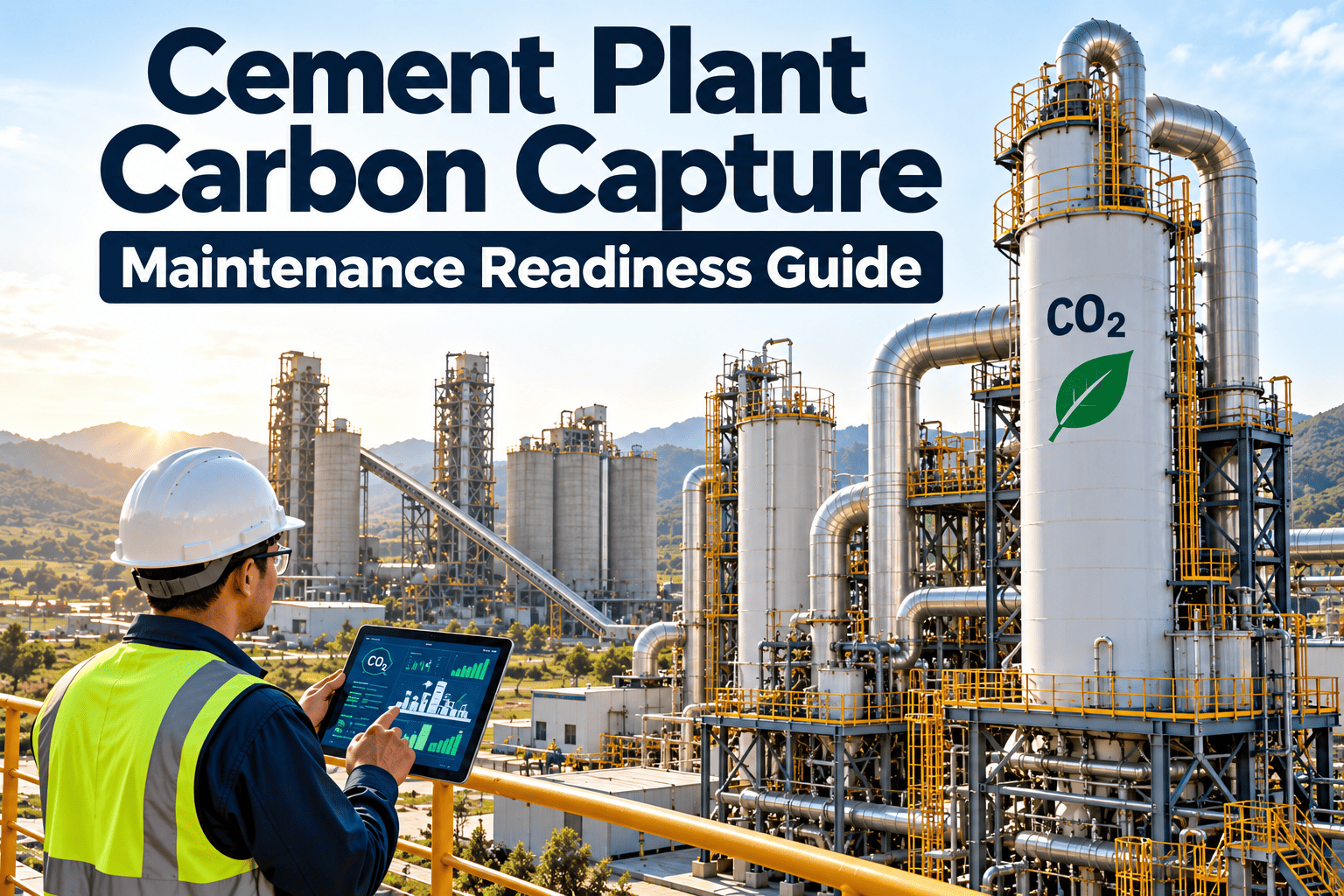
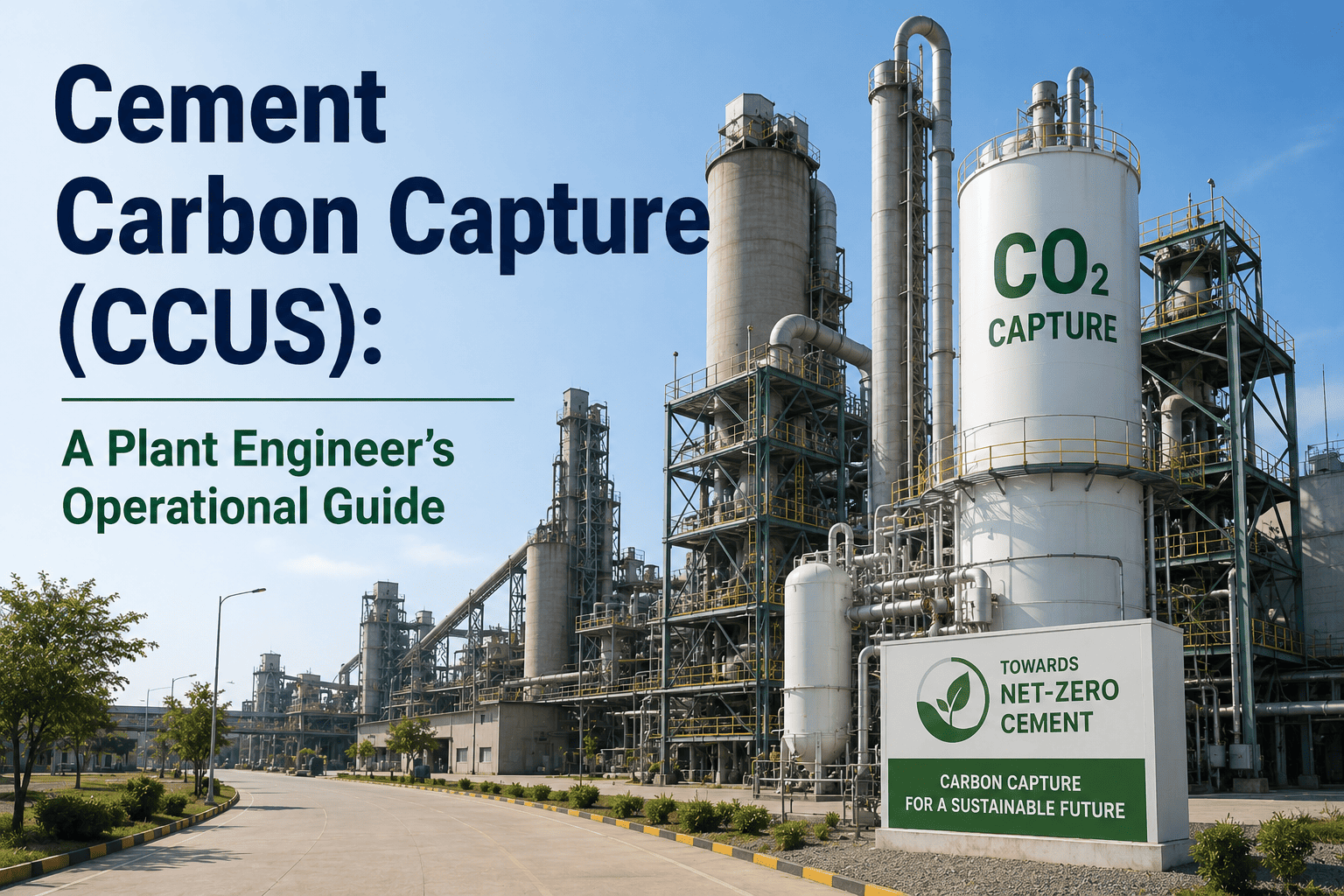
Carbon Capture, Utilization, and Storage (CCUS) systems are becoming the most critical infrastructure in the modern cement industry. Operating in harsh, high-temperature environments, they provide the essential pathway to net-zero emissions—until they fail. A single CCUS system failure or shutdown can cause massive financial exposure through carbon tax penalties, disrupt cement production for days, and create severe environmental compliance hazards. With global regulations tightening and carbon prices skyrocketing, proactive CCUS inspection isn't optional—it's essential operational risk management.
The difference between a smoothly running carbon capture plant and an expensive forced outage often comes down to one thing: regular, structured inspection. Digital inspection platforms transform CCUS maintenance from reactive firefighting into systematic prevention, ensuring every absorber, compressor, and pipeline is checked, documented, and maintained before minor inefficiencies escalate into multi-million dollar liabilities.
Why CCUS Plant Inspections Matter
Many facilities install CCUS technology to meet compliance targets but fail to implement the rigorous preventative maintenance these chemical plants require. Solvent degradation and heat exchanger fouling often go undetected until capture rates plummet. By the time most failures are discovered, significant emissions penalties have already been incurred.
Millions
Annual losses in carbon tax penalties from unplanned CCUS downtime and missed capture targets.
High Cost
Replacing degraded amine solvents or repairing corroded pipelines due to missed routine chemistry checks.
Audit Failed
Regulatory bodies reject emission reduction claims due to lack of traceable maintenance and calibration data.
CCUS Technologies & Inspection Focus
Post-Combustion Capture
Amine-Based SystemsExtracts CO2 from the kiln flue gas after combustion. Highly effective but prone to solvent degradation from impurities.
- Absorber/Stripper column internals
- Amine solvent health & concentration
- Heat exchanger fouling & delta-P
- Corrosion under insulation (CUI)
- Flue gas desulfurization (FGD) status
Oxy-Fuel Combustion
High-Purity CO2Burns fuel in pure oxygen instead of air, resulting in a flue gas that is primarily CO2 and water vapor.
- Air Separation Unit (ASU) performance
- Kiln burner and refractory health
- Flue gas recirculation fans
- Condenser/cooler efficiency
- Oxygen supply line integrity
Utilization & Storage
Downstream HandlingCompresses and transports the captured carbon for geologic storage or utilization in concrete curing/aggregates.
- Multi-stage CO2 compressor vibration
- Pipeline pressure and leak detection
- Dehydration unit effectiveness
- Metering and custody transfer valves
- Storage wellhead pressure monitoring
Digitize Your CCUS Infrastructure Inspections
Replace fragmented spreadsheets with mobile-friendly inspection forms. Track solvent health, capture equipment condition, and automate compliance reporting.
Complete Inspection Checklist
Use this comprehensive checklist for CCUS facility rounds. With a mobile inspection app, your maintenance and operations teams can log data on-site, capture thermal images, and trigger immediate corrective work orders.
Inspection Frequency Guide
| Task | Capture Plant | Compression Unit | Storage / Pipeline |
|---|---|---|---|
| Visual Walkaround | Per Shift | Per Shift | Daily |
| Solvent / Fluid Analysis | Daily | Weekly (Lube Oil) | Monthly (Moisture) |
| Filter / Strainer Check | Weekly | Weekly | Monthly |
| Vibration & Thermal Scan | Monthly | Weekly | Quarterly |
| Valve Stroke Testing | Semi-annually | Quarterly | Semi-annually |
| Full System Turnaround | Every 1-2 years | Every 2 years | Every 3-5 years |
Sample Inspection Report Template
Equipment Information
Condition Assessment
Readings & Measurements
Issues Found / Recommendations
Common Problems & Warning Signs
Early detection is key to preventing costly CCUS downtime. Train your operators and maintenance personnel to recognize these warning signs during routine rounds, and use digital maintenance solutions to track issues before they force a plant shutdown.
Solvent Degradation & Foaming
Signs: Sudden drop in capture efficiency, increased differential pressure across absorber, high solvent makeup rate.
Causes: High oxygen/SOx/NOx in flue gas, thermal degradation in reboiler.
Action: Run solvent reclaiming protocols. Dose anti-foaming agents. Check upstream scrubber.
Heat Exchanger Fouling
Signs: Rising temperatures on the cold side, increased steam consumption in the stripper, reduced flow.
Causes: Build-up of heat stable salts, degraded amine particulates, scaling.
Action: Schedule CIP (Clean-in-Place). Monitor delta-P continuously.
Compressor Vibrations / Surge
Signs: High vibration alarms, abnormal noise, fluctuating discharge pressure.
Causes: Liquid carryover into compressor, fouled impellers, anti-surge valve malfunction.
Action: Inspect knock-out drums immediately. Verify anti-surge control loops.
Pipeline & Equipment Corrosion
Signs: Visual rust, thinning pipe walls detected by UT testing, minor leaks.
Causes: Amine-rich solutions acting aggressively on carbon steel; wet CO2 forming carbonic acid.
Action: Ensure strict dehydration before compression. Upgrade metallurgy if needed.
Inspection Cost vs. Failure Cost
Prevention Investment
Failure Consequences
Digital Inspection Benefits
Modern asset management platforms replace clipboard-based rounds with digital workflows that improve data accuracy, guarantee ESG compliance, and provide actionable real-time insights for plant reliability engineers.
Mobile Field Data
Log pressure, temperature, and visual conditions directly from the plant floor, even offline.
Visual Evidence
Capture photos of corrosion, leaks, or instrumentation errors. Essential for environmental audits.
Automated ESG Reporting
Generate precise, timestamped compliance reports instantly for internal stakeholders or regulators.
Preventative Scheduling
Automated reminders ensure vital tasks like filter changes and solvent sampling are never missed.
Instant Work Orders
Identify an amine leak? Generate a work order from the tablet and dispatch technicians immediately.
Trend Analysis
Track pressure drops or capture efficiency over time to predict fouling before it causes a shutdown.
Secure Your Plant's Carbon Capture Investment
Join forward-thinking cement manufacturers using modern CMMS to maintain their CCUS infrastructure, eliminate compliance risks, and achieve true net-zero operations.
Frequently Asked Questions
Don't Let CCUS Inefficiency Erode Your Margins
Maintain peak carbon capture performance with a structured, digital maintenance approach. Get started in minutes with customizable checklists, automated workflows, and compliance reporting.