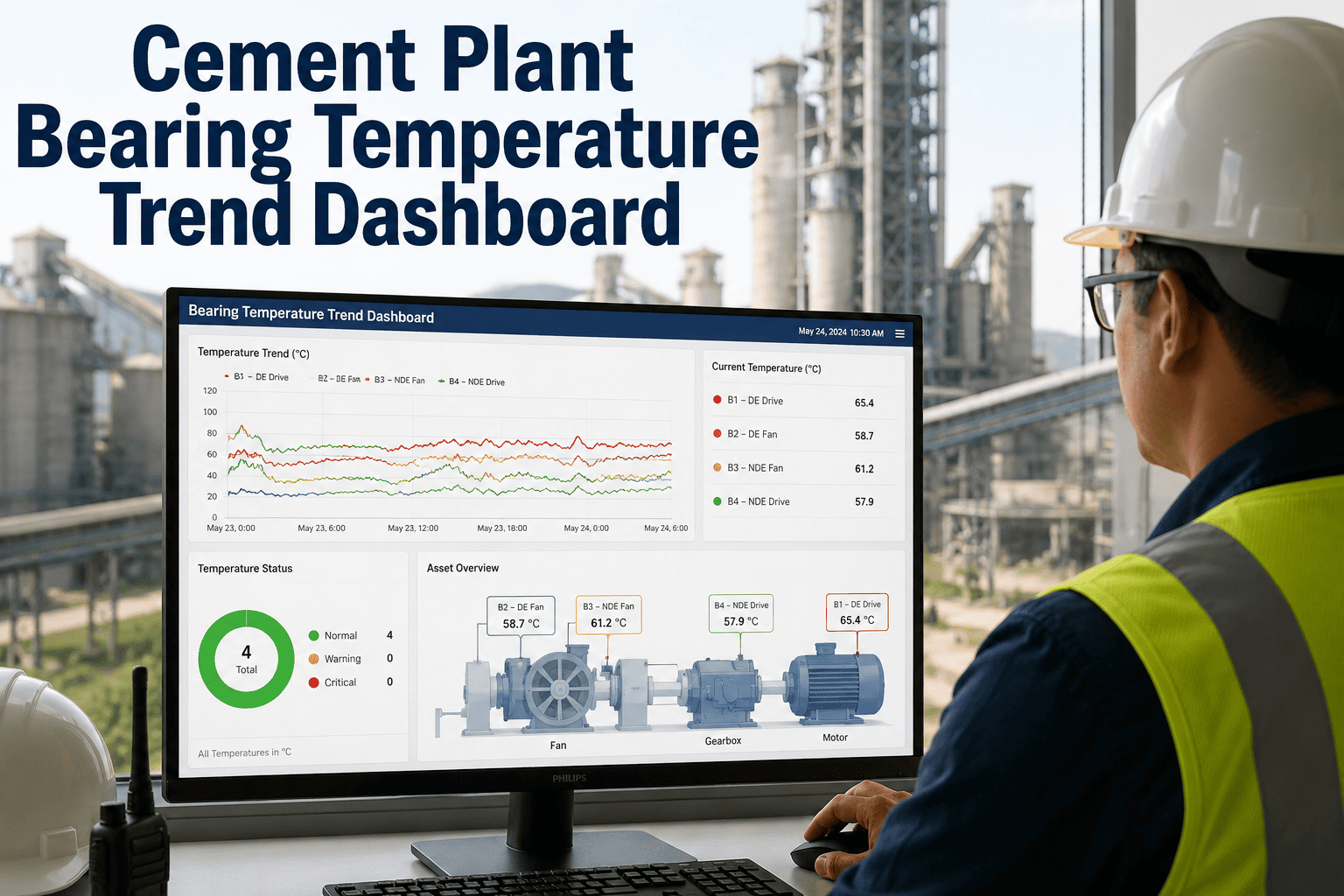
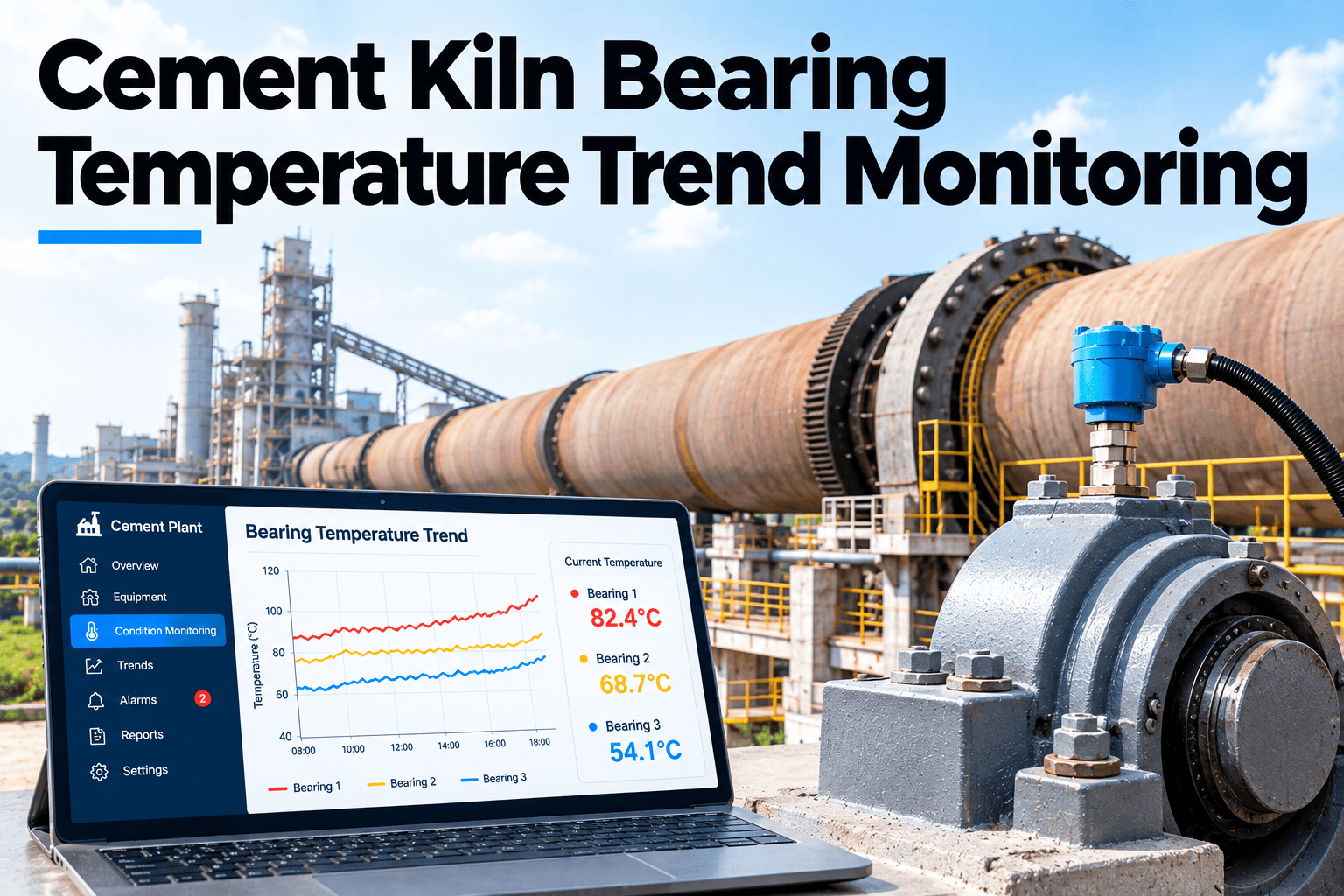
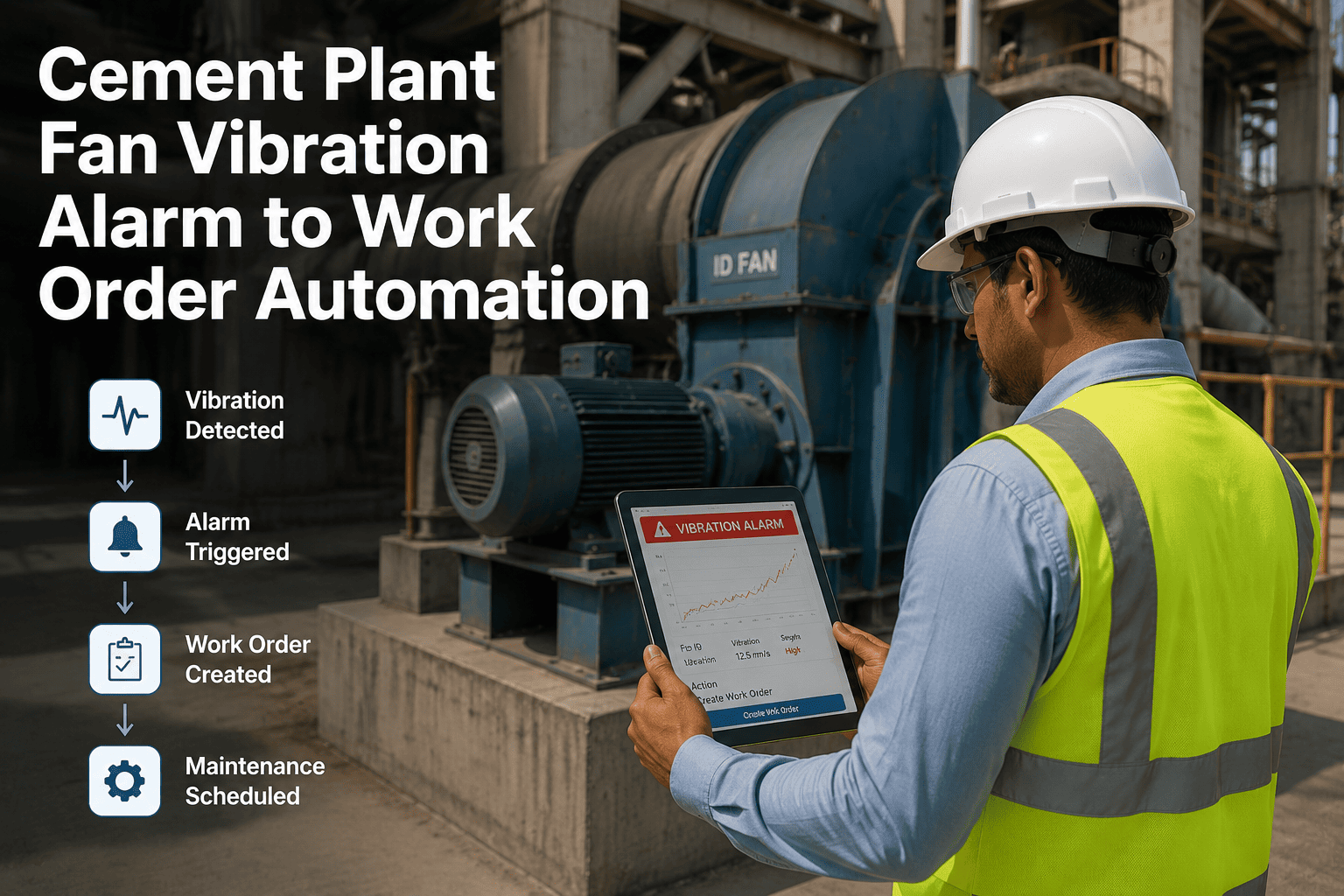
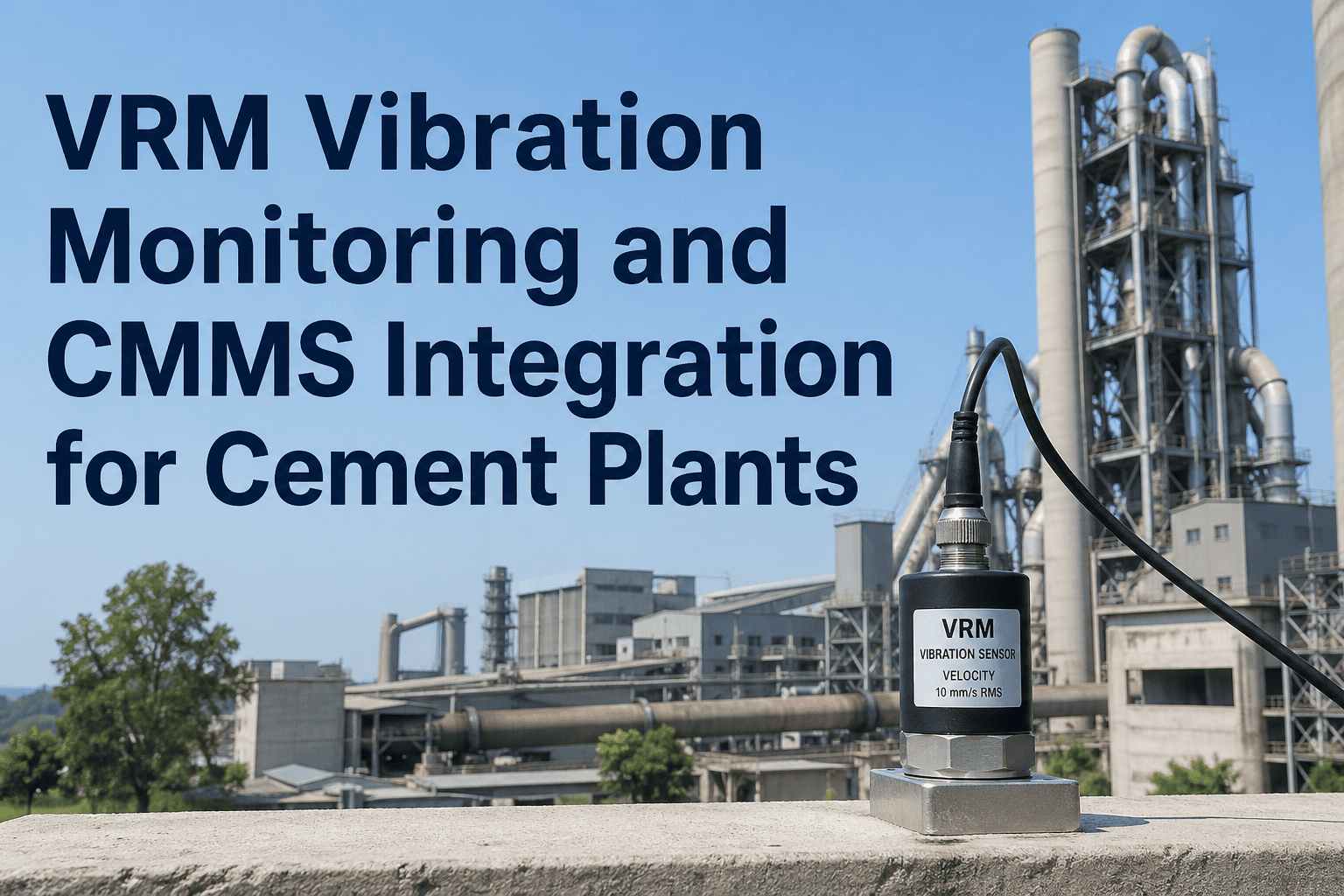
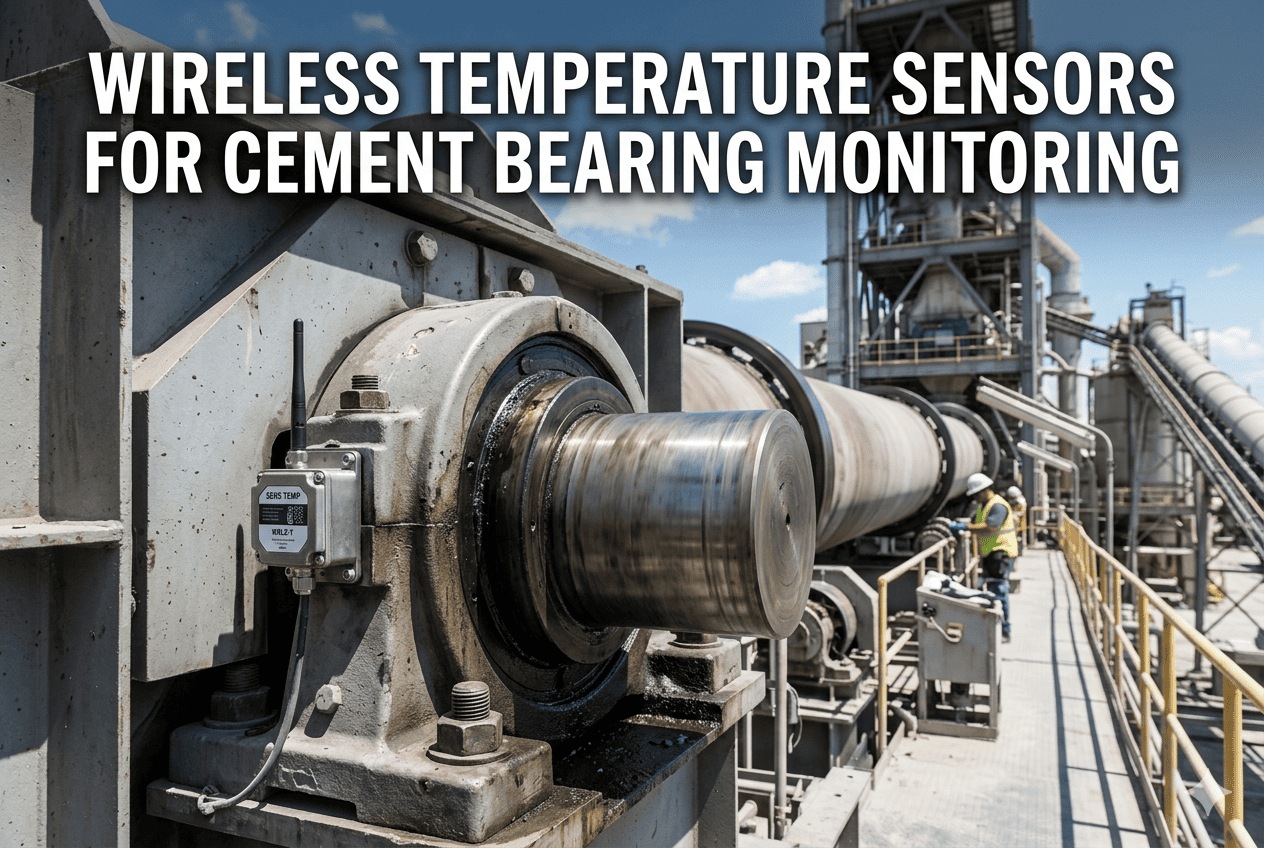
A bearing rarely fails without warning — temperature creeps up for days or weeks before the seizure that takes down a fan, mill, or conveyor for an entire shift. The problem is that most plants only notice the trend after someone happens to touch the housing or after an alarm finally fires at a critical threshold, by which point the failure window is already closing fast. Trending bearing temperature over time, rather than reacting to a single alarm, is what turns a surprise breakdown into a scheduled repair. OxMaint's dashboards are built around that shift from reactive alarms to predictive trends.
Bearing Health Monitoring
Catch the Trend Before the Alarm
Track bearing temperature across mills, fans, and conveyors over time, and trigger a work order automatically before a single-point alarm becomes a breakdown.
Why a Single Alarm Threshold Isn't Enough
Most plants set one fixed alarm point, say 85°C, and assume that's sufficient. But a bearing climbing from 45°C to 80°C over three weeks is telling a very different story than one that's always run at 80°C — and a single threshold can't tell the difference.
Fixed Alarm Only
Fires once the bearing crosses 85°C, often with days or hours left before failure, leaving little time to plan a repair.
Trend-Based Monitoring
Flags the rate of temperature rise over days or weeks, giving maintenance teams time to schedule a planned shutdown instead of reacting to an emergency.
Where Bearing Trends Matter Most in a Cement Plant
| Asset | Common Failure Mode | Typical Lead Time From Trend |
| ID Fan Bearings |
Lubrication breakdown, misalignment |
1–3 weeks |
| Raw Mill Trunnion Bearings |
Contamination, oil film loss |
2–4 weeks |
| Cement Mill Pinion Bearings |
Wear, vibration-induced heating |
1–2 weeks |
| Conveyor Idler Bearings |
Seal failure, dust ingress |
3–7 days |
| Kiln Support Roller Bearings |
Alignment drift, overheating |
2–6 weeks |
Stop waiting for the alarm to fire. OxMaint plots bearing temperature trends per asset and automatically generates a work order when the rate of rise crosses a configurable threshold — not just the absolute temperature.
Setting Up Trend-Based Work Order Triggers
01
Establish a baselineRecord normal operating temperature for each bearing across a full duty cycle, including seasonal and load variation.
02
Set a rate-of-rise thresholdDefine how many degrees of increase over a rolling window should trigger a warning, rather than relying only on an absolute ceiling.
03
Auto-generate the work orderWhen the threshold is crossed, a work order is created automatically with the asset, trend chart, and recommended inspection attached.
04
Track resolution and recurrenceLog what was found and fixed, then watch whether the same bearing trends upward again sooner than expected.
What Actually Drives Bearing Temperature Up
Knowing the likely root cause behind a rising trend helps technicians plan the right intervention instead of guessing during a shutdown window.
Lubrication breakdown
Grease degradation or contamination is the most common gradual cause, typically showing a slow, steady climb over several weeks.
Misalignment
Shaft misalignment generates uneven load and heat, often paired with a rising vibration signature alongside the temperature trend.
Overloading
Running equipment beyond rated capacity for extended periods accelerates bearing wear and heat generation faster than normal duty cycles.
The Cost Difference Between Planned and Unplanned
| Scenario | Typical Downtime | Relative Repair Cost |
| Planned replacement after trend alert |
4–8 hours during scheduled window |
Baseline cost |
| Unplanned bearing seizure |
1–3 shifts including secondary damage repair |
3–6x baseline |
| Catastrophic failure with shaft or housing damage |
Several days, possible part fabrication |
10x+ baseline |
Frequently Asked Questions
Do we need wireless temperature sensors for this to work?
Trend monitoring works best with continuous sensor data, but plants without full sensor coverage can still log periodic manual readings during rounds.
OxMaint supports both continuous sensor feeds and manual entry, so you can start trending before a full IoT rollout is in place.
How is rate-of-rise different from a normal high-temperature alarm?
A high-temperature alarm only fires once a fixed number is crossed, regardless of how quickly it got there. A rate-of-rise trend catches a bearing climbing rapidly even while it's still below the absolute alarm point, which is often the earliest reliable warning sign available.
What if seasonal temperature changes affect the baseline?
Baselines should be recalculated periodically to account for ambient temperature swings between summer and winter operation. Comparing a bearing's current trend against its own seasonal history, not a single year-round number, avoids false alarms during hot weather.
Can this prevent every bearing failure?
No system catches every failure mode — sudden mechanical shock or a foreign object can cause failure with little temperature warning. Trend monitoring is most effective against the gradual failure modes like lubrication breakdown and progressive wear, which represent the majority of bearing failures in cement plants.
How quickly can we set this up on our existing assets?
Most plants start with their highest-criticality assets — typically ID fans and mill trunnion bearings — and can have baseline trending running within one to two weeks.
Book a session to map out a rollout plan for your specific asset list.
Turn Bearing Data Into Planned Repairs, Not Emergencies
Move from reacting to alarms to acting on trends — and keep mills, fans, and conveyors running through their planned maintenance window instead of an unplanned one.