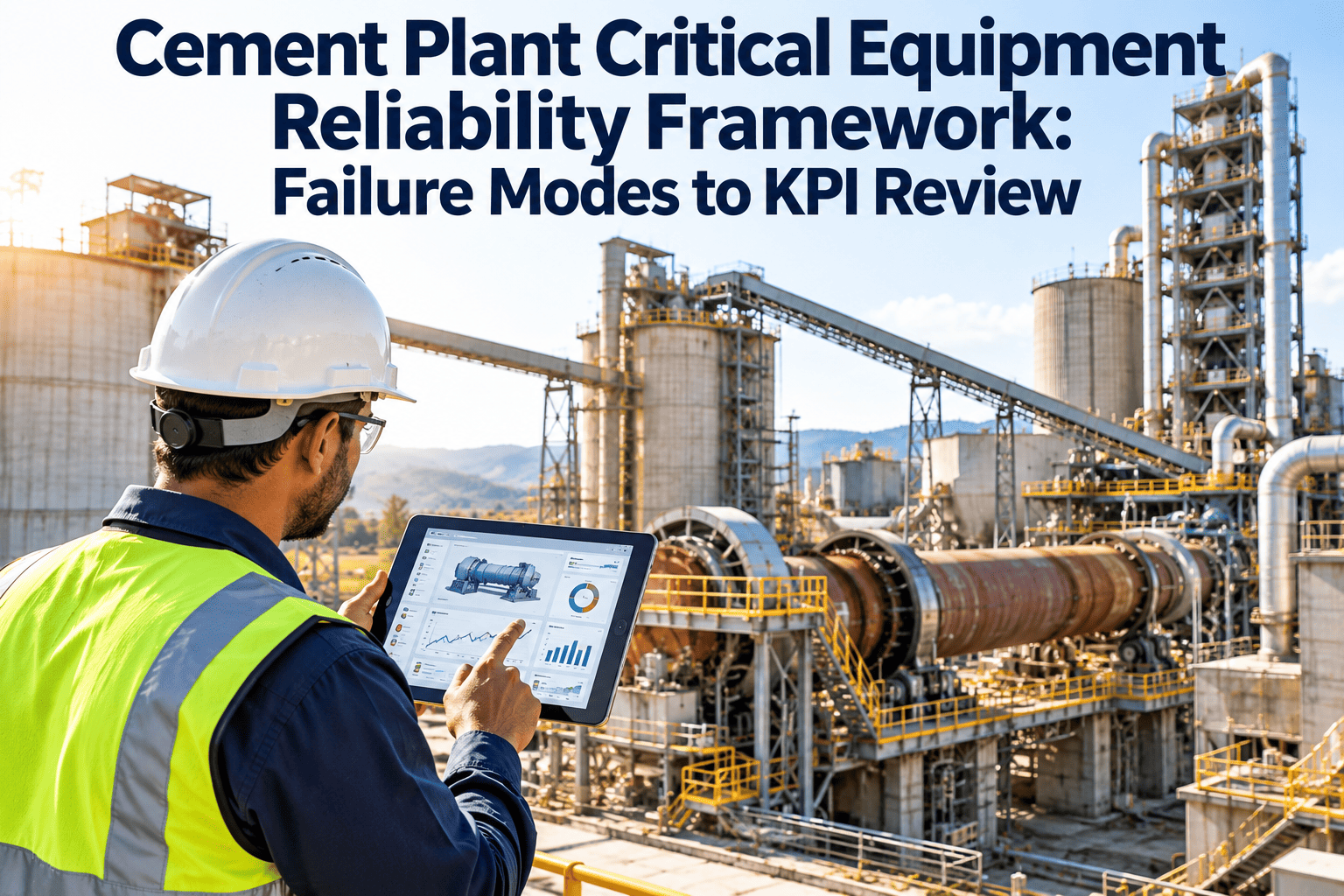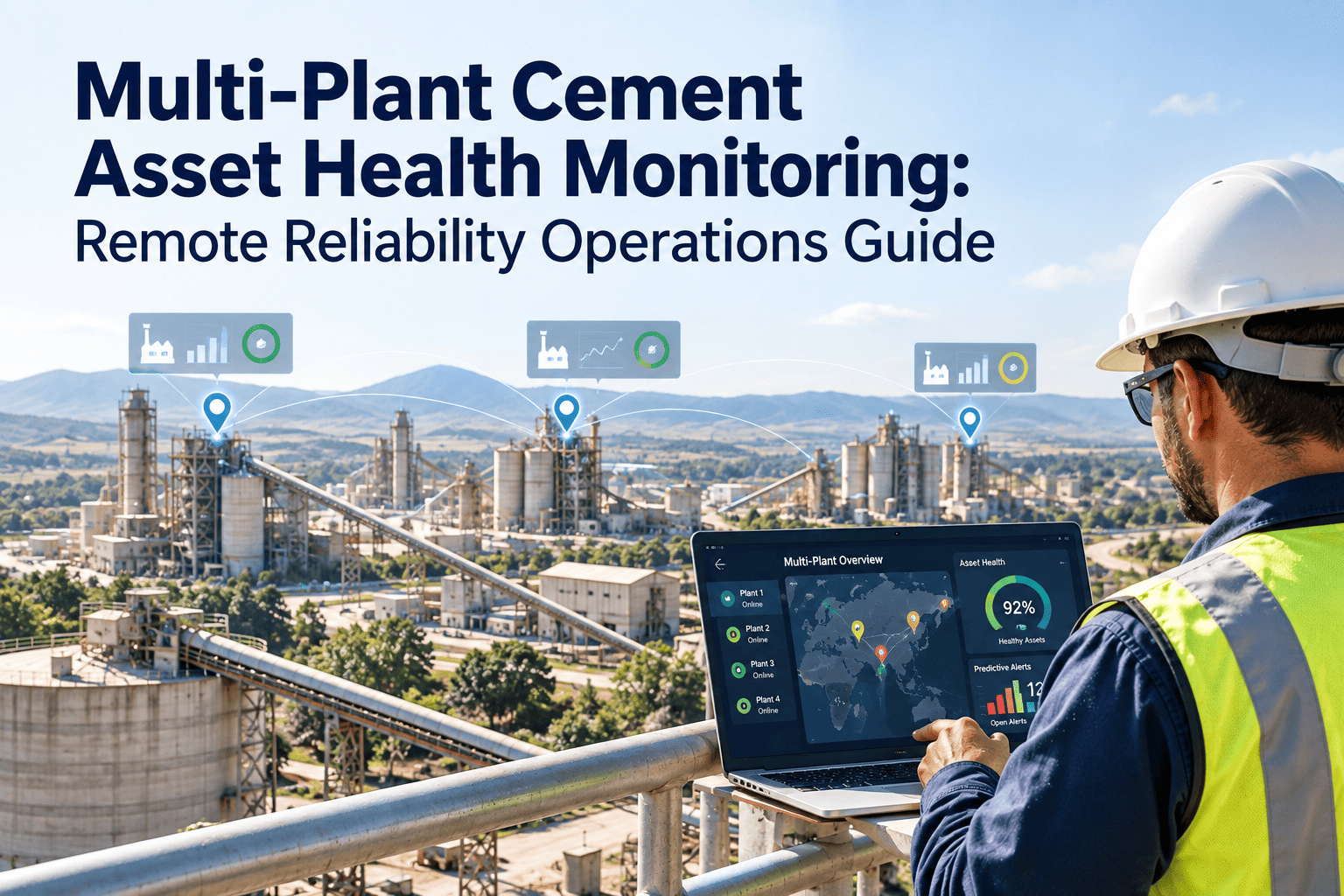
Many cement plants now generate part of their own power from waste heat recovery systems and solar plants, aiming to cut grid purchases and fuel-linked costs. These assets only pay back when they run reliably, yet they sit outside the traditional kiln and mill maintenance routine and are often managed by a different team. Dust, thermal stress, fouling and weather quietly erode output long before an alarm appears. This guide covers what to maintain on each system, and how a maintenance management platform for cement plants keeps both on schedule.
Cement Plant Solar and Waste Heat Power Maintenance
Protect the output of waste heat recovery boilers, turbines and solar arrays with planned inspections, fast fault response and clear performance records.
The Reliability Gap on Clean Energy Assets
Plants invest heavily in generation equipment and then manage it with a lighter routine than the kiln. The result is lost generation that nobody sees on a maintenance report.
- Waste heat output depends on the kilnWhen the kiln stops or runs at reduced feed, the recovery system loses its heat source, so unplanned kiln events also reduce power.
- Solar losses are gradualSoiling, shading and failing strings reduce generation slowly, so the drop is easy to mistake for weather.
- Specialist knowledge sits outside the main teamTurbine, boiler and inverter work often depends on vendors, which can delay response when records are scattered.
- Performance is rarely linked to work ordersA fall in generation seldom triggers a structured investigation unless someone raises it manually.
Waste Heat Recovery: What Fails and What to Inspect
A cement waste heat system captures heat from preheater and clinker cooler gases, raises steam and drives a turbine generator. Dusty gas and thermal cycling define its maintenance.
| Equipment | Common issue | Maintenance focus |
|---|---|---|
| Heat recovery boilers | Dust buildup on tubes, erosion, tube leaks, hopper blockages | Cleaning performance, tube thickness checks, leak inspection, ash handling |
| Rapping or cleaning systems | Weak cleaning leading to fouling and higher gas pressure drop | Check rapper operation, timing and mechanical condition |
| Steam turbine | Vibration, bearing wear, blade deposits, governor faults | Vibration trends, oil analysis, protection testing, overhaul planning |
| Generator | Insulation ageing, bearing issues, cooling problems | Insulation tests, temperature trends, cooler condition |
| Condenser and cooling system | Vacuum loss, fouled tubes, cooling tower scaling | Vacuum checks, tube cleaning, water treatment records |
| Feedwater and boiler pumps | Seal leaks, cavitation, bearing failures | Seal checks, alignment, pressure and vibration readings |
| Water treatment | Scaling and corrosion from poor chemistry | Sampling schedule and corrective action records |
Where Waste Heat Output Leaks Away
Use this view to discuss causes of lost generation in your review meetings. The bars show relative focus areas, not measured plant data.
Replace these placeholders with your own downtime and generation loss data. The exercise reveals which losses maintenance can influence and which depend on production.
Give Power Assets the Same Discipline as the Kiln
Schedule boiler, turbine and solar inspections, record findings and track every generation fault to closure.
Solar Plant Maintenance in a Dusty Environment
Cement sites produce airborne dust that settles on panels, which makes cleaning and monitoring more important than at a typical rooftop installation.
Modules and structures
- Soiling checks and cleaning schedule
- Cracks, discoloration and delamination
- Hot spots found by thermography
- Loose clamps, corrosion and tracker faults
- Vegetation and new shading
Electrical system
- Connector heating and cable damage
- Combiner box and string fuse condition
- Inverter alarms, fan and filter condition
- Earthing and surge protection checks
- Transformer and switchgear inspection
Performance data
- String-level comparison to find weak strings
- Performance ratio trend by season
- Inverter availability and fault frequency
- Comparison of generation against irradiance
- Records of every cleaning event
Seasonal Maintenance Calendar
Both systems respond to weather and operating patterns. Plan jobs around them.
- Before monsoon or rainy seasonCheck drainage, roof and structure integrity, cable entry sealing, lightning and surge protection, and cooling tower readiness.
- During high-dust periodsIncrease module cleaning, inverter filter checks and boiler cleaning inspections.
- Before peak summerInspect cooling systems, inverter ventilation and condenser performance, since heat reduces both solar and thermal efficiency.
- At kiln shutdownsUse the stop for boiler internal inspections, tube repairs, turbine checks and ash system work that cannot be done online.
From Alarm to Repair: A Generation Fault Workflow
Detect
An alarm, low generation reading or inspection finding is logged.
Classify
Decide whether the cause is equipment, weather, kiln operation or grid.
Assign
Create a work order for the right crew or vendor with safety requirements.
Repair
Complete the fix, record parts used, time and photos.
Verify
Confirm generation recovered and update the asset history.
Boiler Fouling: The Quiet Output Thief
In cement waste heat boilers, dust-laden gas deposits material on heat transfer surfaces. Every layer of buildup reduces heat absorbed and raises gas-side pressure drop.
Early indicators
- Rising exit gas temperature at the same kiln load
- Increasing pressure drop across boiler sections
- Lower steam flow or pressure than expected
- More frequent hopper blockages
- Changes in rapper behavior or noise
Planned responses
- Inspect and repair cleaning systems at each stop
- Check ash discharge, valves and conveying
- Measure tube thickness in known erosion zones
- Review gas velocity and dust loading with process teams
- Record each cleaning action and its effect on output
Connect the trend to the work order
A pressure drop trend means little if it never leads to an inspection. Set a threshold that creates a task, and attach the finding so the next shutdown plan includes the right repair.
Steam Turbine and Generator Care
The turbine set is the most specialized equipment on site, and the most costly to neglect.
- Daily operating checksRecord bearing temperatures, vibration, lube oil pressure and temperature, steam parameters and condenser vacuum.
- Periodic testingTest trip systems, emergency stop devices and safety valves as required by the manufacturer and your site rules.
- Oil managementSample lubricating oil for moisture, particles and degradation, and record filter changes and top-ups.
- Overhaul planningPlan major inspections around kiln shutdowns, with long-lead parts and vendor support booked well ahead.
Protect the cooling circuit
Poor condenser vacuum quietly reduces turbine output. Scaled tubes, air ingress and weak cooling tower performance all contribute, and each has a clear inspection routine that can be scheduled.
Solar Faults and How They Show Up
| What you notice | Possible cause | Recommended check |
|---|---|---|
| Output slowly declining over weeks | Dust buildup or degrading modules | Compare cleaned and uncleaned sections and review the trend |
| One string producing less than neighbors | Blown fuse, loose connector, damaged module | String-level measurement and thermography |
| Inverter tripping repeatedly | Overheating, grid disturbance, internal fault | Check ventilation, filters, alarm codes and cable terminations |
| Hot spot on a module | Cell damage, shading, bypass diode fault | Thermal image, visual check and module replacement decision |
| Output drops in the afternoon only | New shading or tracker alignment problem | Site walk, tracker check and shading review |
| Earth fault alarm | Cable insulation damage, moisture, rodent damage | Isolate, test insulation and repair the damaged section |
Cleaning Without Guesswork
A cleaning schedule should be justified by the energy it recovers and the effort it costs.
- Track generation on a clean reference string against a dirty one
- Record every cleaning date, method and area covered
- Avoid abrasive methods and follow module manufacturer guidance
- Prefer cooler hours for cleaning to reduce thermal stress
- Review cleaning intervals each season and after unusual dust events
Water and logistics matter
Cement plants often have limited process water. Plan how cleaning water is sourced, how crews reach the array and how the work fits around kiln dust patterns so the effort is repeatable.
Spare Parts Strategy for Power Assets
Keep on site
- Fuses and connectors
- Inverter fans and filters
- Pump seals and bearings
- Sensors and transmitters
- Rapper components
Agree with suppliers
- Spare modules and inverter boards
- Turbine auxiliary parts
- Tube sections and gaskets
- Response times for specialist support
Review each year
- Parts used versus stocked
- Lead times that have changed
- Obsolete items to retire
- Critical parts missing from stock
Linking spares to the asset they serve makes it easy to see what is missing before a shutdown starts, rather than during it.
Questions for Your Next Generation Review
- Which events cost the most generation last quarter, and were they planned?
- How quickly were faults converted into work orders?
- Did boiler cleaning findings influence the last shutdown scope?
- Are vendor reports attached to the correct assets?
- Do we know the cost of one day of lost generation on each system?
These questions help the team see maintenance as a driver of energy cost, not only a repair function. They also guide where to focus the first preventive plans.
Safety and Compliance Records
High-pressure steam, rotating machinery, high-voltage equipment and work at height all appear on these assets.
Waste heat safety
- Boiler and pressure part inspection records
- Safety valve and protection testing
- Confined space entry for boiler internals
- Hot work and isolation permits
Solar safety
- DC isolation and lockout procedures
- Work at height and roof access controls
- Fire safety checks on cables and inverters
- Electrical test records and competency
Document once, retrieve quickly
Statutory inspections, vendor service reports and permit references should be attached to the asset record so audits and insurance reviews do not require a document search.
KPIs for Renewable and Waste Heat Assets
Availability
Share of time each system is ready to generate when its source is present.
Generation versus expected
Actual output compared with a baseline adjusted for kiln load or irradiance.
Forced outage hours
Time lost to unplanned trips and repairs.
Time to repair
Hours from fault report to restored generation.
PM completion
Planned inspections finished on schedule.
How Oxmaint Helps Manage Power Assets
Oxmaint structures the maintenance side of generation. It records work, assets, parts and compliance, and it works alongside your existing monitoring tools.
Asset hierarchy
Model the boiler, turbine, cooling system, inverters and strings as separate assets with their own history.
Preventive maintenance
Schedule cleaning, thermography, oil sampling and inverter checks with consistent checklists.
Work orders and vendor jobs
Track in-house and contractor tasks, attach reports and keep the follow-up visible.
Inspection and compliance records
Store permits, test results and statutory inspection dates against the right equipment.
Spares and inventory
Track critical parts such as inverter fans, fuses, seals and turbine auxiliaries so repairs do not wait.
Dashboards
Compare downtime, backlog and repeat faults between waste heat and solar assets.
Linking Generation Data to Maintenance Decisions
- Expected versus actualDefine what each system should produce for a given kiln load or sunlight level, then flag shortfalls for review.
- Fault frequencyCount repeat trips by component. A repeated alarm on the same inverter or pump points to a root cause worth fixing.
- Cost of lost outputEstimate the value of each lost hour using your own power tariff. This helps justify spares, cleaning and planned shutdown work.
- Backlog ageTrack how long confirmed defects wait. Older items on generation assets quietly reduce output every day they remain open.
Make one owner accountable
Assign a named person to review generation shortfalls weekly and decide whether each needs a work order. Clear ownership prevents the common situation where operations, electrical and utilities teams each assume someone else is acting.
Common Mistakes
- Treating generation assets as separate from plant maintenance planning
- Cleaning panels on feel instead of measured loss and records
- Delaying boiler cleaning checks until output has dropped noticeably
- Relying on vendor visits with no internal record of findings
- Missing kiln shutdown windows for work that needs a cold boiler
- Failing to log generation faults as work orders
Start with the biggest source of lost output
Review last year's generation losses, rank causes and build the first preventive plan around the top two. Add the rest as the team builds confidence, and review the plan after the first kiln shutdown to see which tasks delivered measurable gains in availability and which intervals need adjusting based on what the crews actually found on site.
Frequently Asked Questions
What is waste heat recovery in cement plants?
It captures heat from kiln and cooler exhaust to make steam and generate electricity on site.
What is the biggest maintenance risk on a WHR system?
Dust fouling and tube erosion in boilers, along with turbine vibration and condenser vacuum problems.
How often should solar panels be cleaned at a cement site?
It depends on dust levels. Track generation loss and set the interval from data. Book a demo to plan it.
Can one system manage both asset types?
Yes, a CMMS can hold both with separate schedules. Sign up for Oxmaint to start.
Which jobs should wait for a kiln stop?
Boiler internal inspection, tube repairs and ash system work that need a cooled, isolated system.
Keep Every Generated Unit Working for Your Plant
Plan, record and review maintenance for waste heat and solar assets in one place, with clear ownership of every fault.