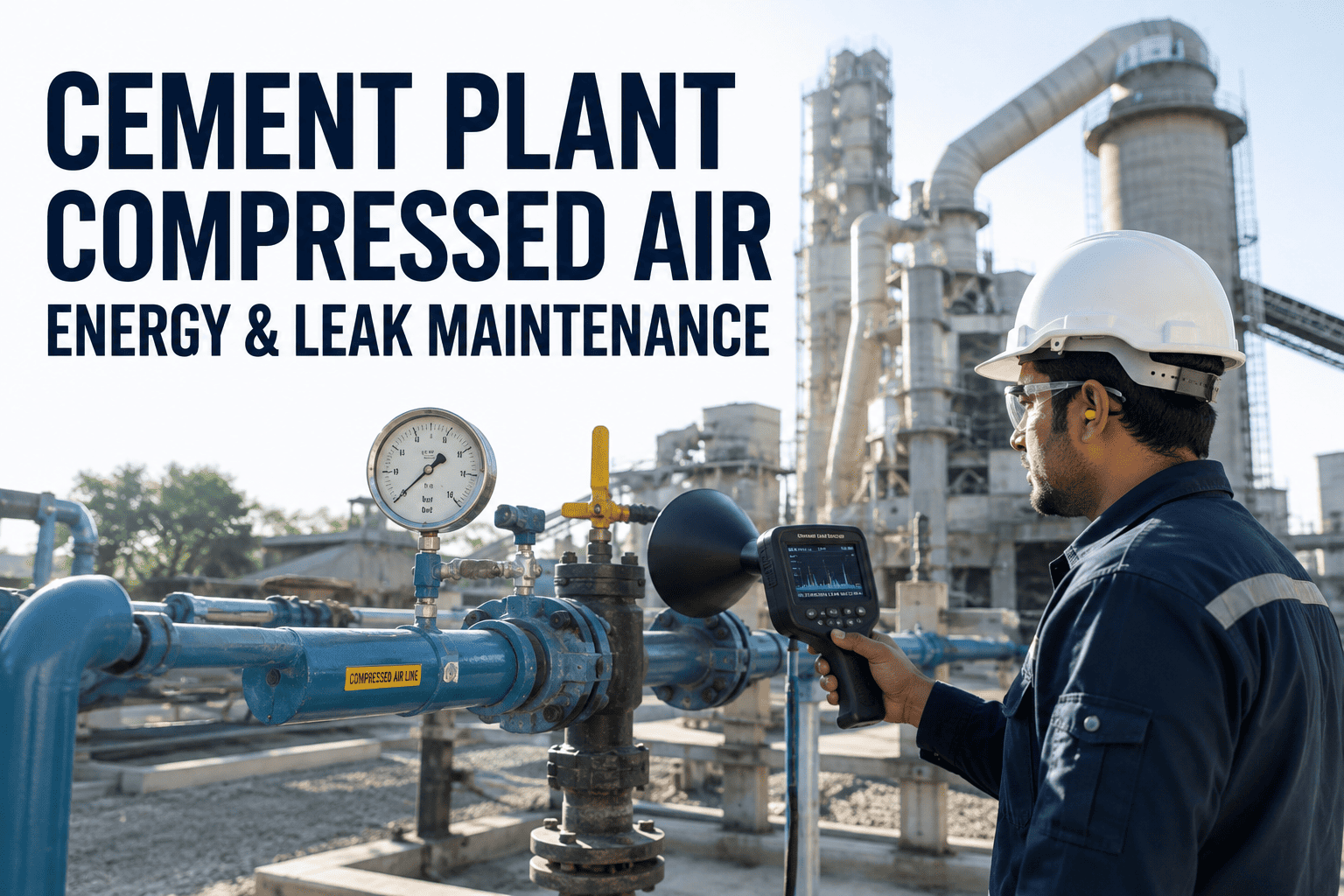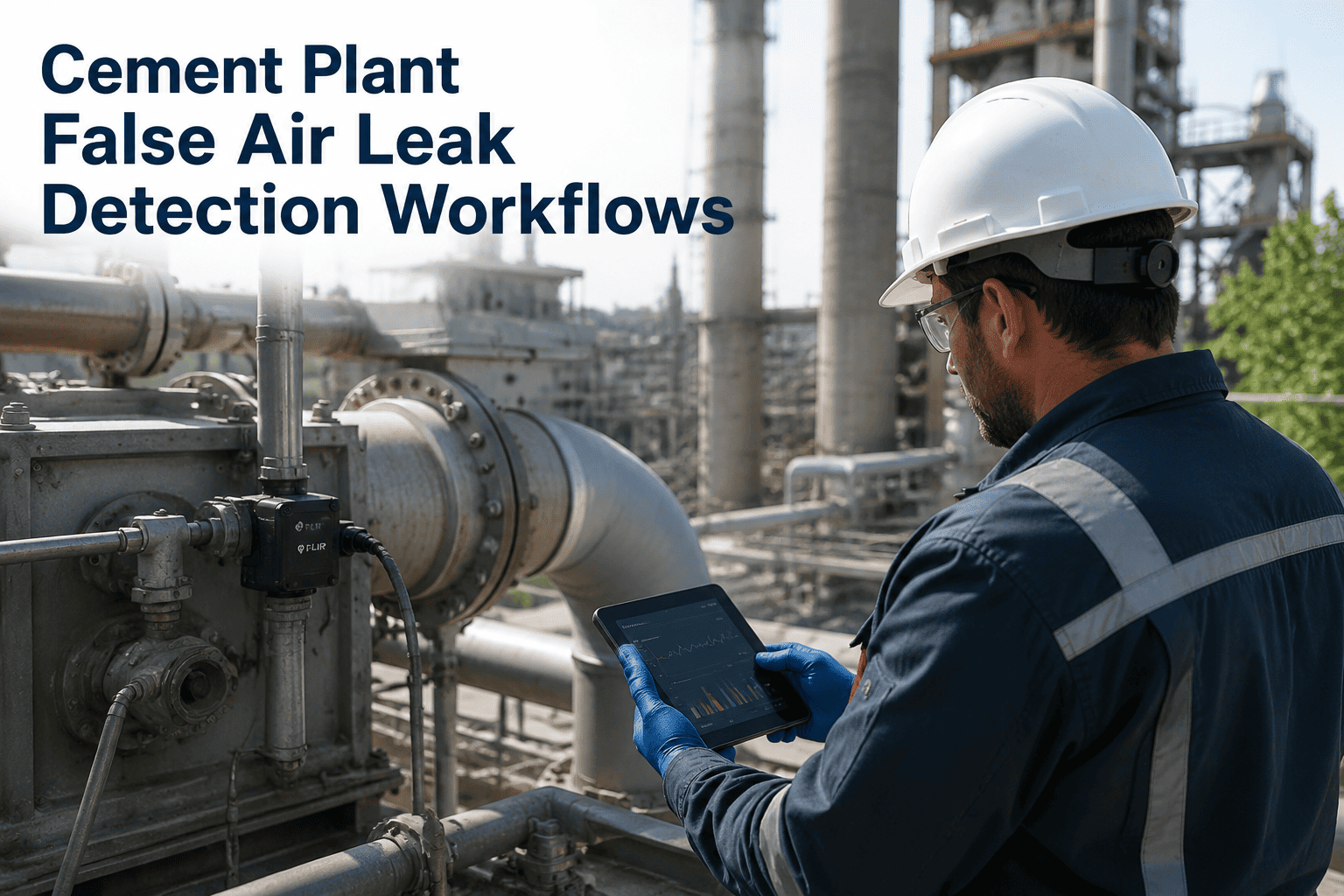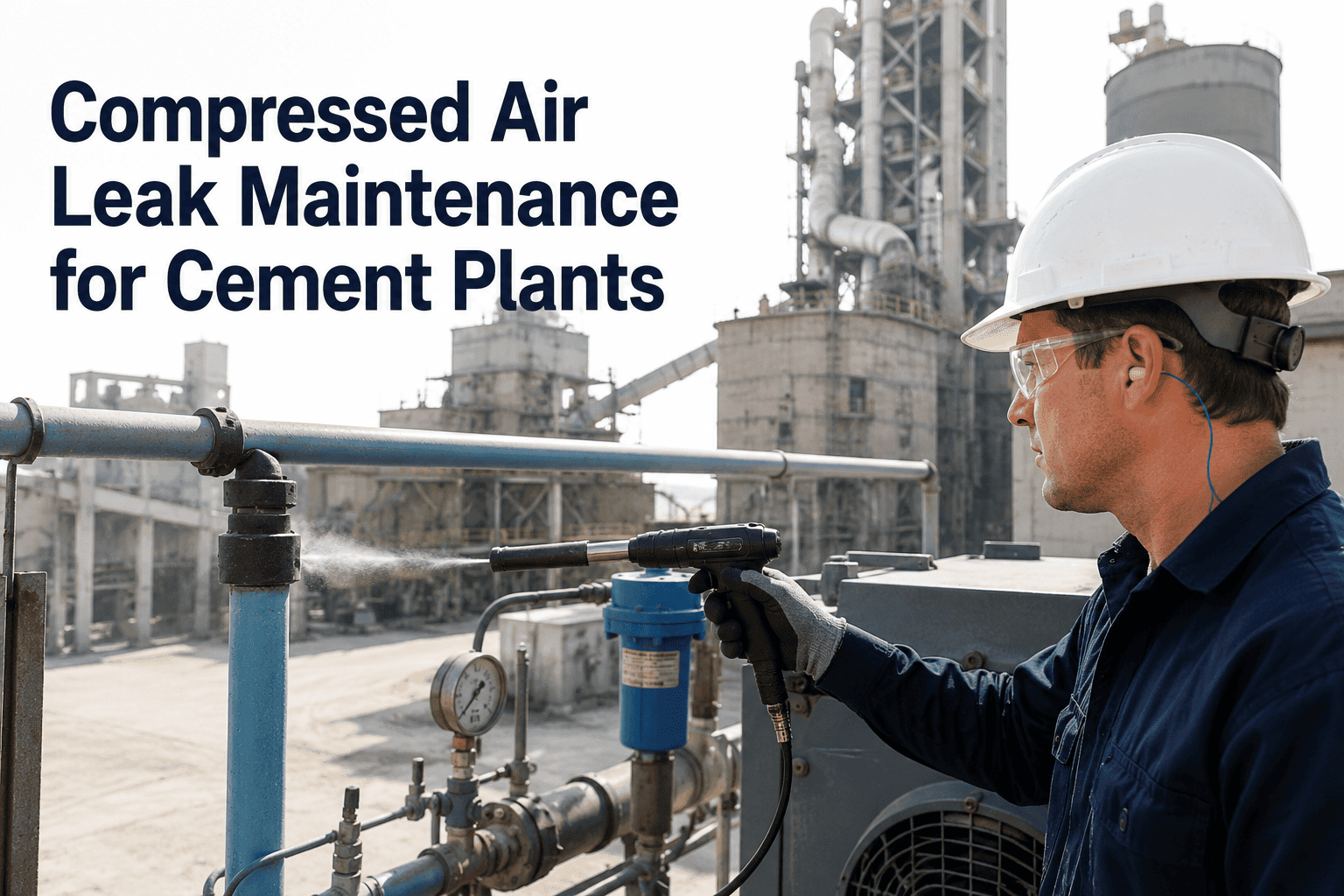
A single uncontrolled leak in a 6mm compressed air line can cost a cement plant over $1,500 a year in wasted electricity, and most plants have dozens of them running quietly behind mills, baghouses and pneumatic conveying systems. Compressed air is one of the most expensive utilities per unit of energy delivered, yet it is rarely inspected with the same discipline as kilns or mills. OxMaint turns leak detection into a tracked inspection routine instead of an occasional walk-around, with every find converted into an assigned, time-stamped repair job. Book a demo to see how leak tracking fits into your existing inspection rounds.
The Leaks You Can't Hear Are Still Costing You Every Hour
OxMaint structures compressed air leak inspections, repair work orders, and energy-saving reports into one routine — so leaks get found, fixed, and counted.
What a Leak Actually Costs, by Size
Leak size is usually invisible to the eye but very visible on the electricity bill once you put a number against it. Below is what an unrepaired leak running continuously typically costs in compressor energy over a year.
A plant with even fifteen leaks averaging 3-6mm can be losing $15,000–$25,000 a year in wasted compressor energy alone — before counting the extra wear on compressors running longer than necessary.
How OxMaint Tracks Leak Inspection to Repair
1. Scheduled Inspection Round
Ultrasonic or soap-test leak inspection rounds are scheduled by zone in OxMaint, with a checklist for each compressed air run.
2. Leak Logged with Location
Each find is logged with location, estimated leak size, and a photo, tagged to the nearest asset for traceability.
3. Work Order Auto-Created
OxMaint generates a repair work order automatically, prioritized by estimated annual energy cost of the leak.
4. Savings Verified
Once repaired, the avoided energy cost is logged against the utility maintenance report for the period.
Find Out What Your Leaks Are Really Costing
Set up a structured compressed air inspection routine in OxMaint and turn leak repair into measurable savings.
Frequently Asked Questions
Do we need ultrasonic detection equipment to use this?
Ultrasonic detectors find leaks faster and more accurately than soap testing, especially in noisy plant environments, but OxMaint's inspection checklists work with either method. Many plants start with soap-test rounds on known high-risk zones and add ultrasonic tools as the leak program matures.
How are leak repair work orders prioritized?
OxMaint ranks open leak repairs by estimated annual energy cost, calculated from leak size and current electricity rate, so maintenance teams fix the most expensive leaks first rather than working through a list in random order.
Can we report total compressed air savings to management?
Yes. Every verified repair logs its avoided energy cost, which rolls up into a utility maintenance report showing cumulative savings over any period — useful for justifying continued investment in inspection rounds. You can book a demo to see a sample report.
Does this work across multiple plant zones with different teams?
Inspection rounds and repair work orders can be assigned by zone and team in OxMaint, so leak ownership stays clear even in plants where compressed air runs span several departments. Sign up at app.oxmaint.ai to configure your first zone.
Stop Paying to Compress Air That Never Reaches Your Equipment
OxMaint turns compressed air leak management into a tracked, repeatable program — not a once-a-year walk-around.