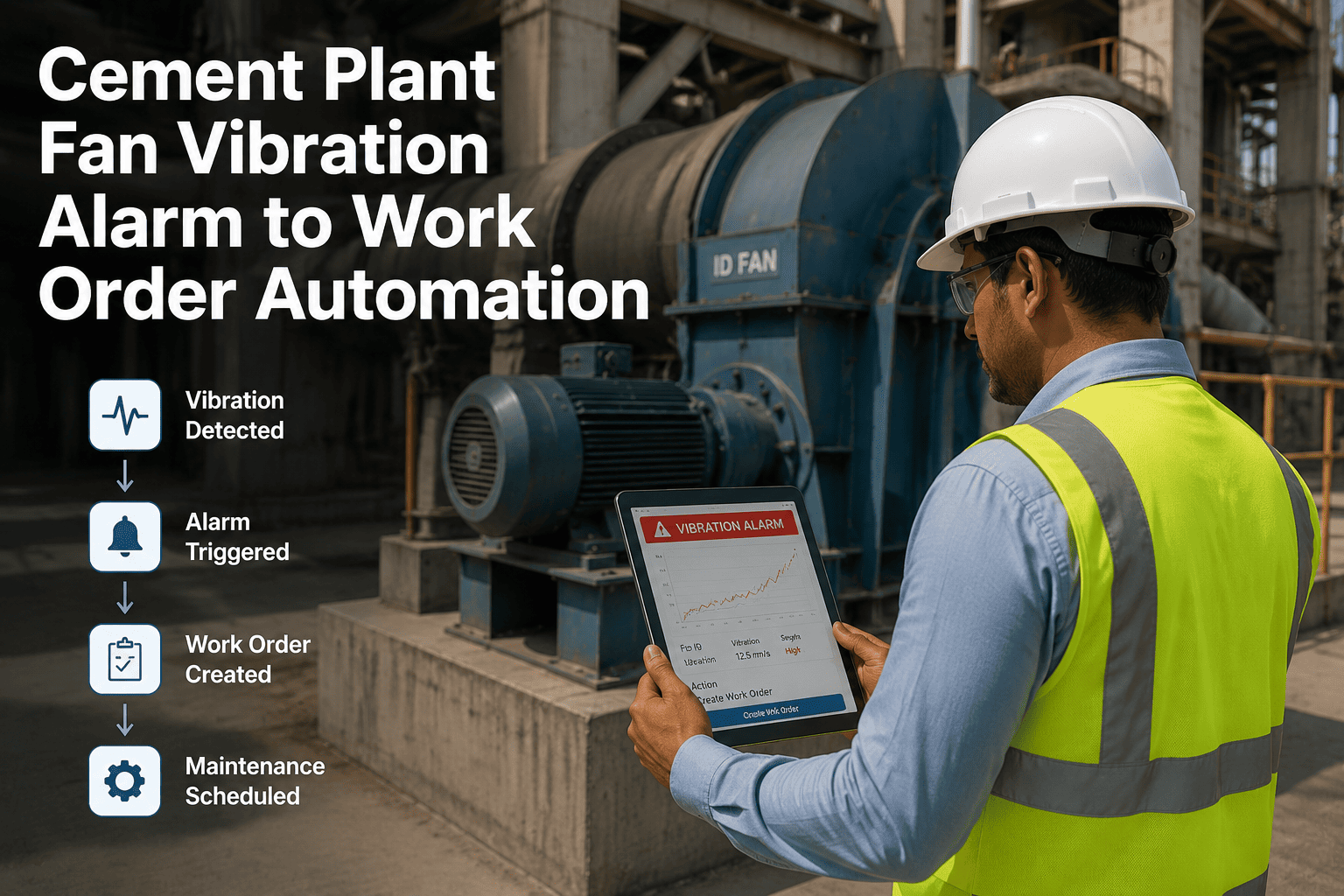
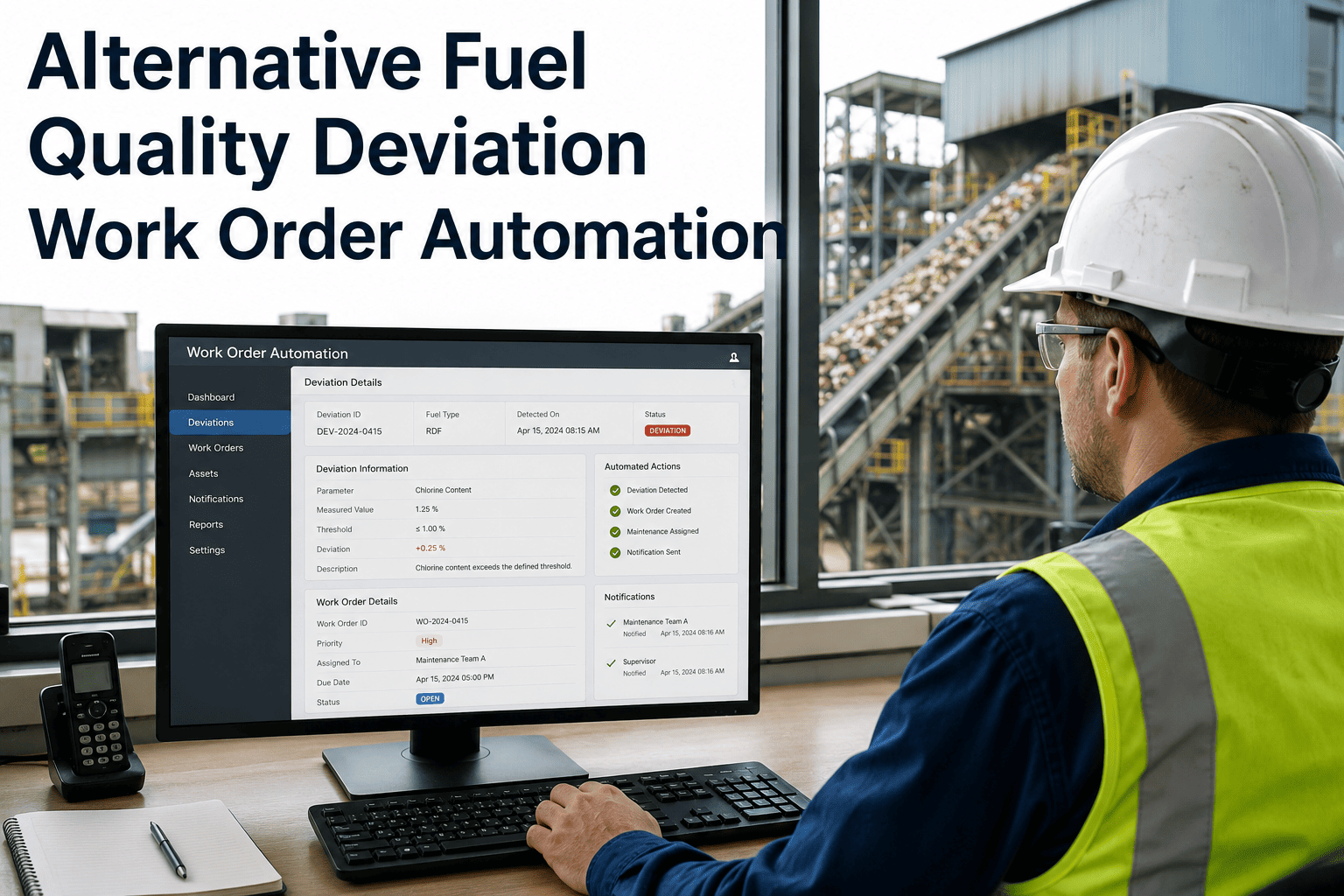
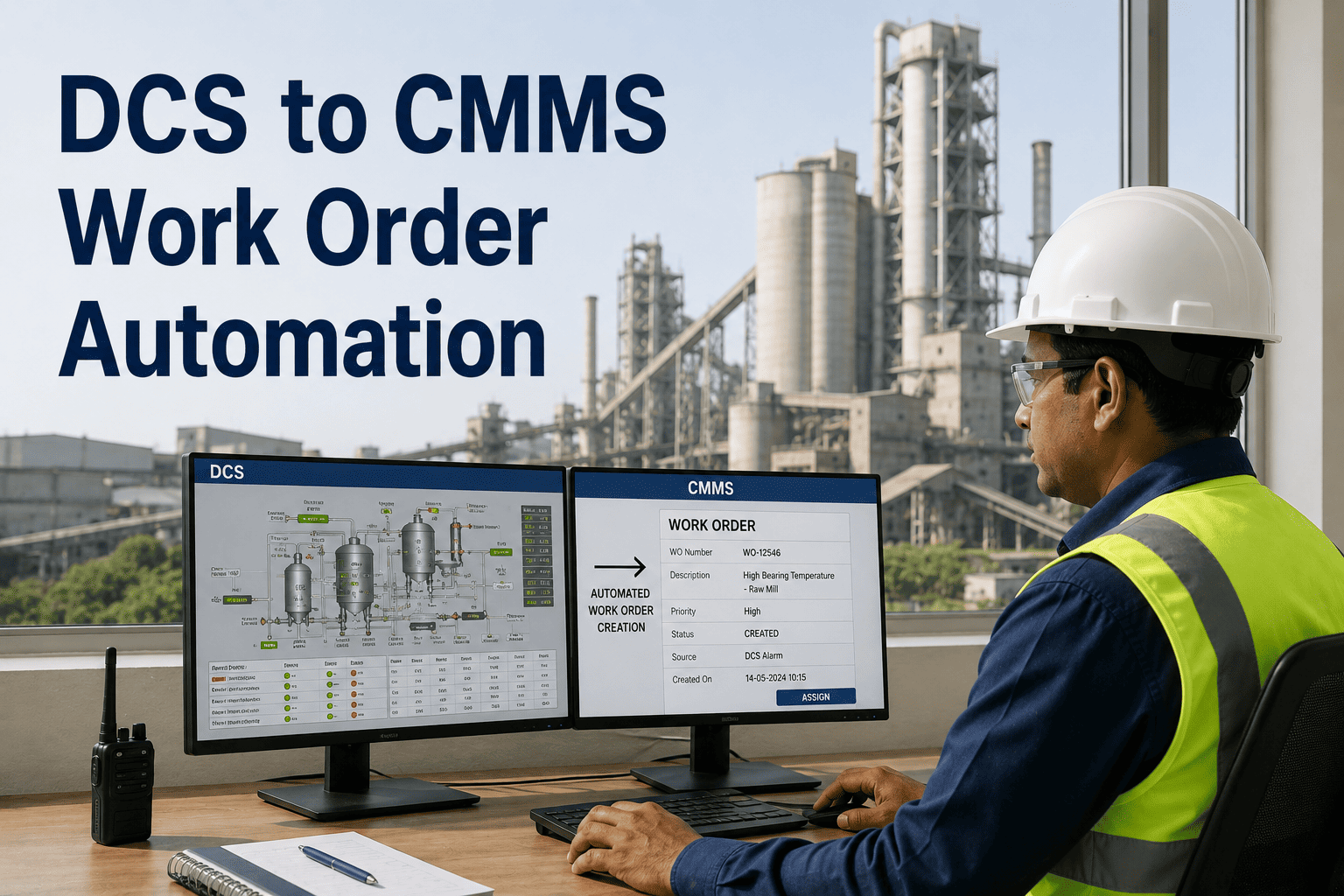
Whole-tire feed systems look simple from the control room: a conveyor, a timed gate, a tire dropping into the kiln every few minutes. What that view hides is a feed line built to swallow hundreds of tons of steel-belted rubber every month, and every component along the way wears on its own schedule. Sector valves warp from heat cycling, weigh feeders drift out of calibration, and separators built to reject oversized tires quietly start passing the ones they should be catching. By the time a jam actually stops the line, the wear has usually been building for weeks, which is exactly the gap a preventive maintenance program built around Oxmaint is designed to close.
Where TDF Feed Lines Actually Fail
Four components carry almost all of the wear in a whole-tire or shredded-TDF feed line. Knowing the early signal for each one is the difference between a planned part swap and an unplanned line stop.
Conveyor & Hook Elevator
Worn rollers and frayed belt edges
Tires ride a belt or hook elevator from the truck tipper to the kiln-end mechanism. Early wear shows up as uneven tire spacing on the belt, not as a stopped line.
Sector Valve / Feed Gate
Seal warping from heat cycling
The valve that releases one tire at a time into the kiln cycles through extreme heat hundreds of times a day. A warped seal lets ambient air leak in long before the valve fails outright.
Weigh Feeder
Calibration drift
Feed rate accuracy depends on a calibration that drifts with dust and vibration over time. A feeder running a few percent off target quietly shifts your thermal substitution rate.
Tire Separator
Rejection rate decline
Built to reject tires outside size and condition specs before they reach the feed gate. When the rejection rate quietly drops, oversized tires start reaching equipment that cannot handle them.
Most feed line jams give weeks of warning
A reliability program only works if every shift checks the same things, every time. Oxmaint turns that checklist into a mobile work order your team can't skip.
A Reliability Program In Three Phases
01
Inspect
Standardize what every shift checks. Mobile checklists capture sector valve cycle counts, weigh feeder drift, and belt tracking on a fixed schedule instead of when someone remembers.
02
Predict
Track wear by tonnage, not calendar days. A feed system wears according to how many tires have passed through it, so throughput-based thresholds flag parts before they fail.
03
Automate
When a threshold is crossed, a work order is generated automatically with the part, the technician, and the asset history attached, with no manual logging required.
Reactive Repair vs. Scheduled Repair
What's Actually Moving Through Your Feed Line
53M
Scrap tires consumed as kiln fuel across U.S. cement plants each year
2.5 lb
Recoverable steel per passenger tire, feeding directly into the raw mix iron content
30–50%
Typical reduction in unplanned downtime within the first year of structured preventive maintenance
Map your feed line's wear points before the next jam
A short walkthrough shows how Oxmaint would track cycle counts, calibration drift, and rejection rates across your existing TDF feed equipment.
Frequently Asked Questions
How is maintaining a TDF feed system different from a standard plant conveyor?
A standard conveyor mostly wears from continuous belt travel. A TDF feed line adds heat-cycled valves, weigh feeders that need ongoing calibration, and separation equipment carrying the weight and impact of whole tires, so the wear points and inspection intervals are different from a typical material-handling conveyor.
What's the most common cause of an unplanned TDF feed line jam?
A sector valve or feed gate that has lost its timing margin is the most frequent root cause, often preceded by a slow rise in cycle time that nobody was tracking. A tire separator passing oversized tires it should have rejected is the second most common cause, since the feed gate is not built to handle the variance.
How does tonnage-based maintenance work if we don't track tire counts manually today?
Oxmaint logs tire counts or tonnage automatically from your existing weigh feeder readings, so there is no separate manual count to maintain. Once a few weeks of throughput data accumulate, wear thresholds for each component are set against actual usage instead of calendar time. See how the setup works at
app.oxmaint.ai.
Can this run alongside the safety inspections we already do on the feed line?
Yes, mobile inspection checklists can include both reliability checks and safety verification points in the same form, so technicians complete one inspection instead of two separate ones. The completed checklist and any flagged item both feed into the same audit trail automatically.
What's a realistic timeline to see fewer feed-line jams?
Most plants start seeing fewer unplanned stops within the first one to two months, once cycle count and calibration thresholds are tuned to the specific equipment on site. Book a short call at
calendly.com/oxmaintapp/30min to map a realistic timeline against your current feed system.
Give your TDF feed line the inspection schedule it actually needs
Track sector valve cycles, weigh feeder drift, and separator performance from one mobile checklist, with work orders generated automatically before the next jam.