A failed fire safety inspection in a school is not an administrative inconvenience — it is a legal event with consequences for the district, the facilities director, and in some states the individual building principal. NFPA 72 requires documented annual testing of every fire alarm device. NFPA 25 requires quarterly sprinkler system inspections with retained records. NFPA 10 requires monthly extinguisher visual checks signed and dated on the tag. A fire marshal who arrives and finds incomplete records treats it identically to a failed test. This checklist covers every fire safety system in a school building — organised by frequency, referenced to the governing standard, and structured for direct import into a CMMS so every inspection generates a timestamped, signed, auditable record. Use it as a standalone reference or deploy it in OxMaint to auto-schedule every task and produce fire marshal-ready compliance records on demand.
1. Fire Alarm Systems — NFPA 72
NFPA 72 governs all fire alarm system inspections in school buildings. Every device must be tested individually on the NFPA 72 schedule and results documented with device location, test method, pass/fail result, and the technician's name and credentials. Records must be retained for 5 years.
2. Sprinkler Systems — NFPA 25
NFPA 25 requires a tiered inspection programme for school sprinkler systems — quarterly for control valves and water-flow devices, annual for all sprinkler heads, and 5-year internal pipe inspection. Every inspection must be documented by a licensed sprinkler contractor with records retained for 5 years.
3. Fire Extinguishers — NFPA 10
NFPA 10 requires monthly visual inspections (signed on the tag), annual maintenance by a licensed contractor, and 6-year internal inspection for stored-pressure types. Every extinguisher in the building must be in the asset inventory with its last service date tracked.
4. Fire Doors and Emergency Egress — NFPA 80
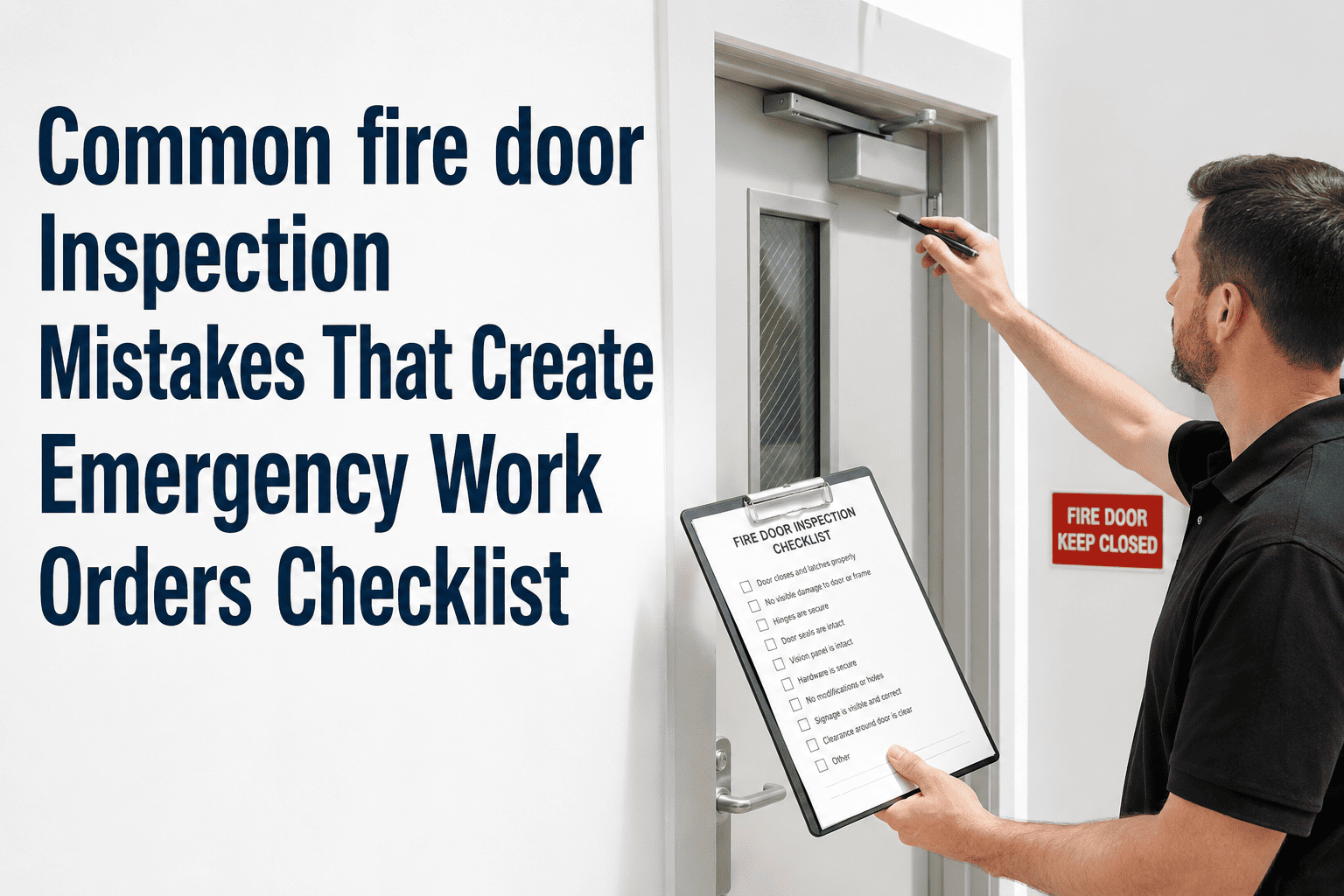
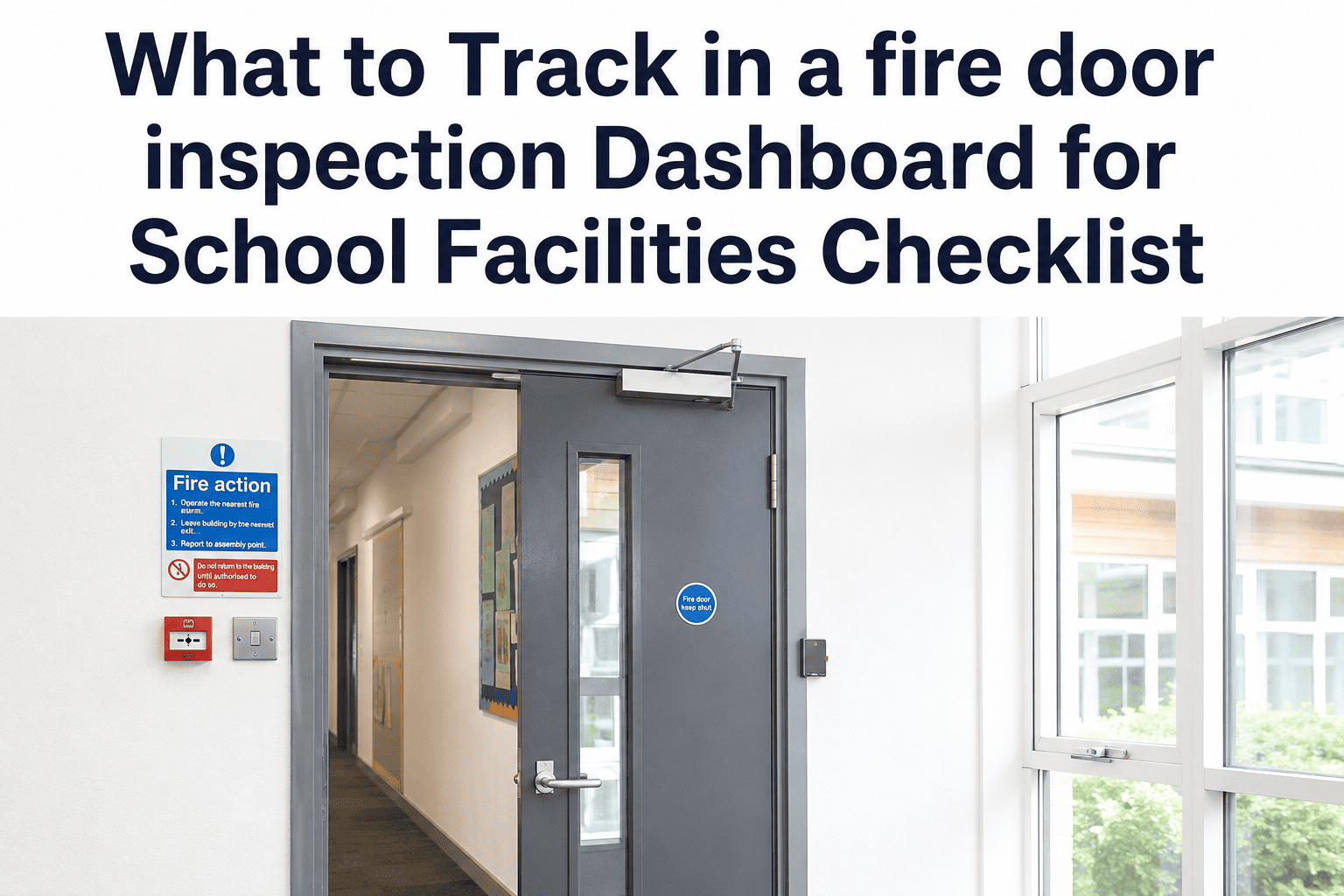
NFPA 80 requires annual inspection of all labeled fire door assemblies by a qualified person. Door assemblies include the door, frame, hardware, glazing, and seals — all must be inspected together. Fire doors that are held open by electromagnetic hold-opens must also be tested for release on alarm signal.
5. Emergency Lighting and Exit Signs — NFPA 101
NFPA 101 Life Safety Code requires emergency lighting to provide minimum 1 footcandle at floor level for 90 minutes on battery backup. All emergency lighting and exit signs must be tested monthly (30-second test) and annually (90-minute full duration test) with results documented.
6. Kitchen Hood Suppression Systems — NFPA 17A
Kitchen hood suppression systems in school cafeterias are governed by NFPA 17A and require semi-annual inspection by a licensed contractor. This is one of the most commonly cited fire safety deficiencies in school food service areas.