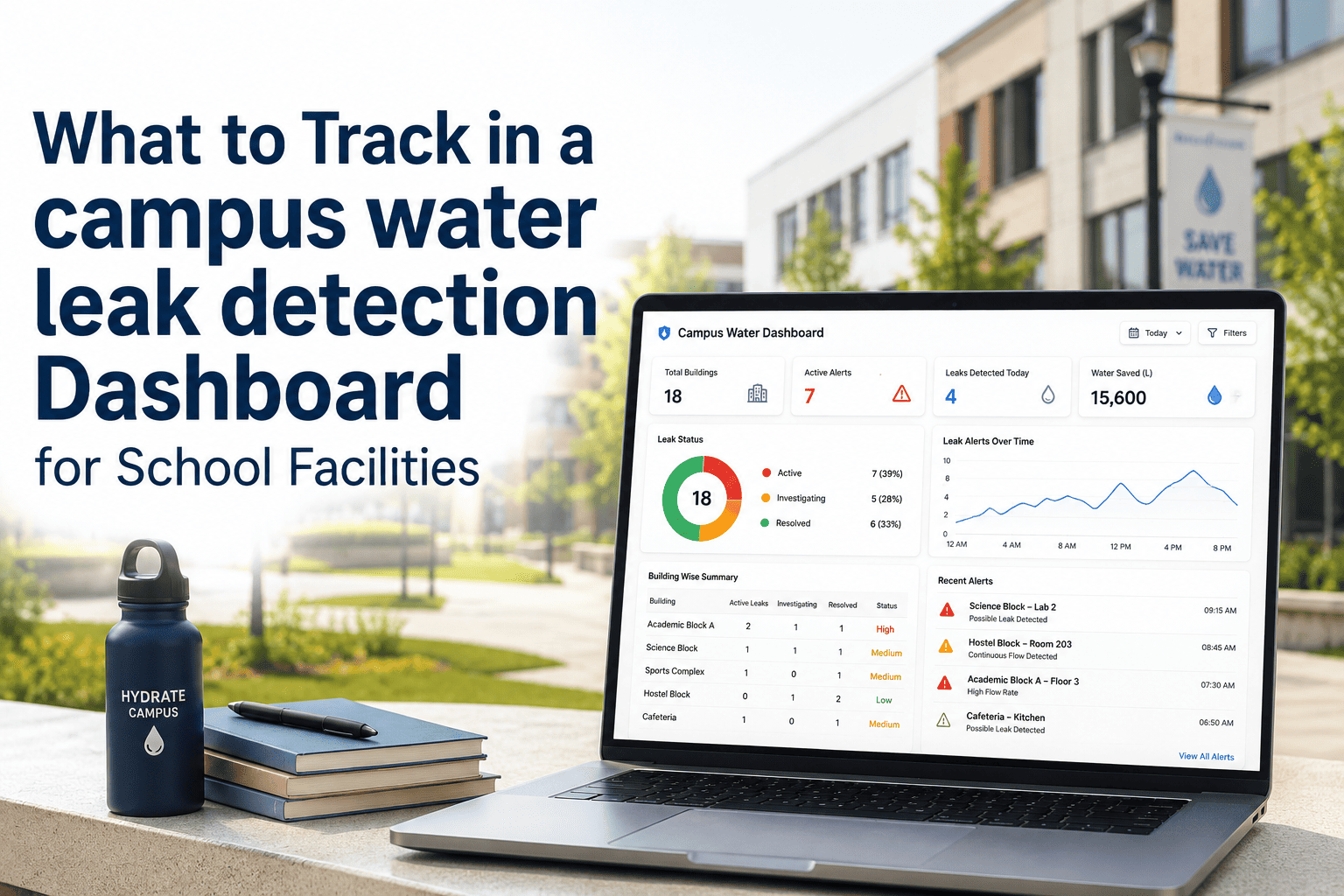
Water Leak Detection in Campus Buildings with IoT and CMMS
By Jamie lanister on April 7, 2026
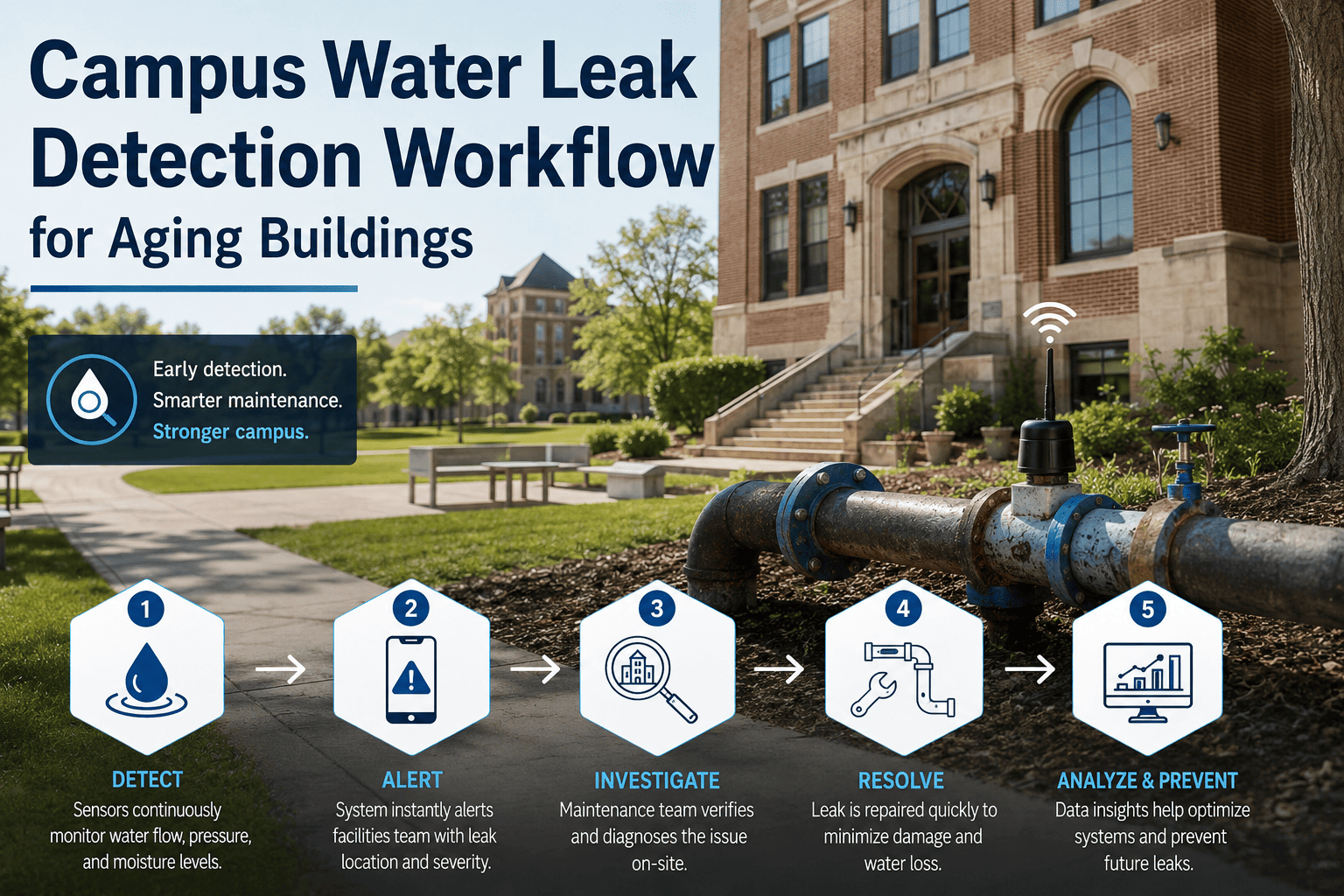
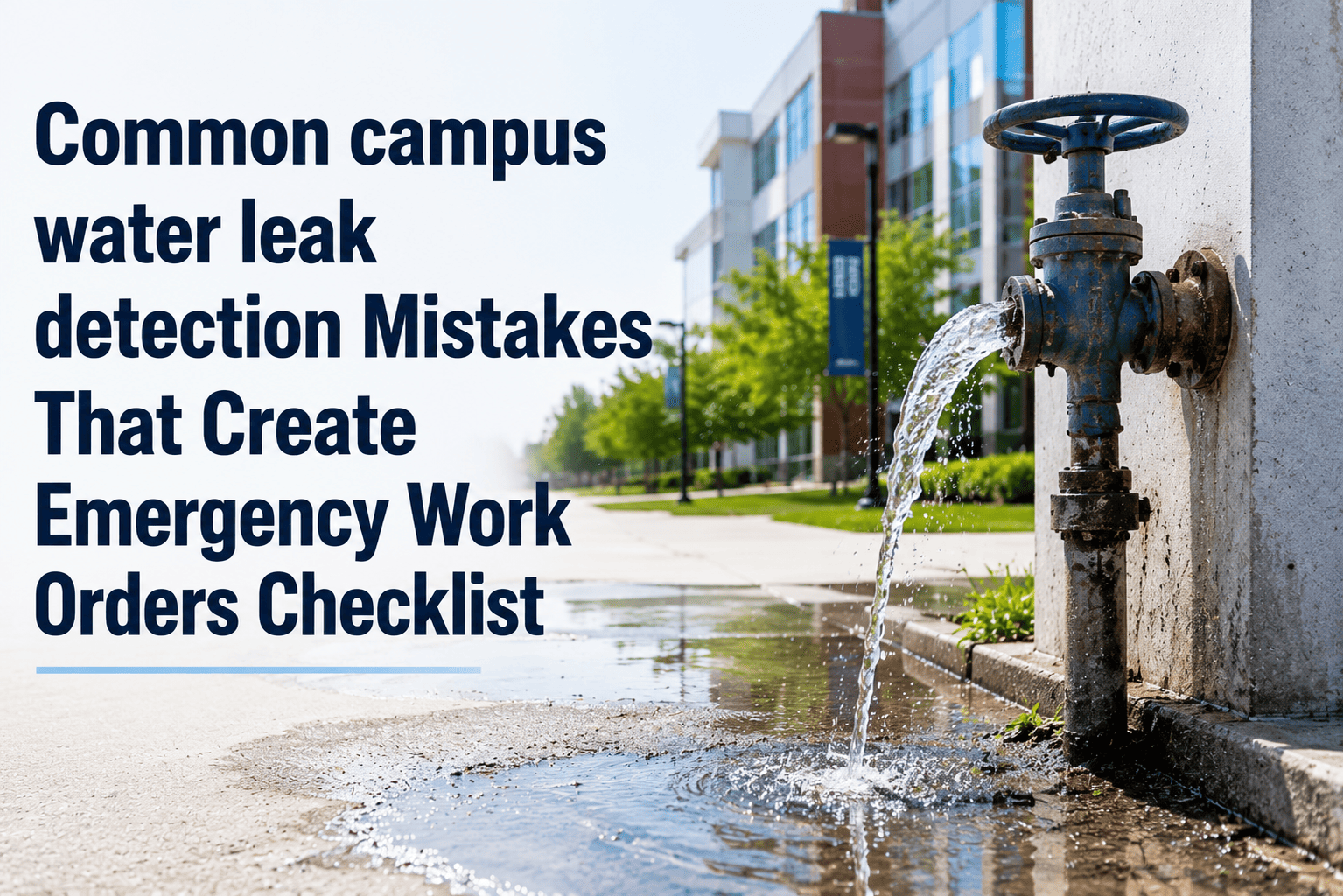
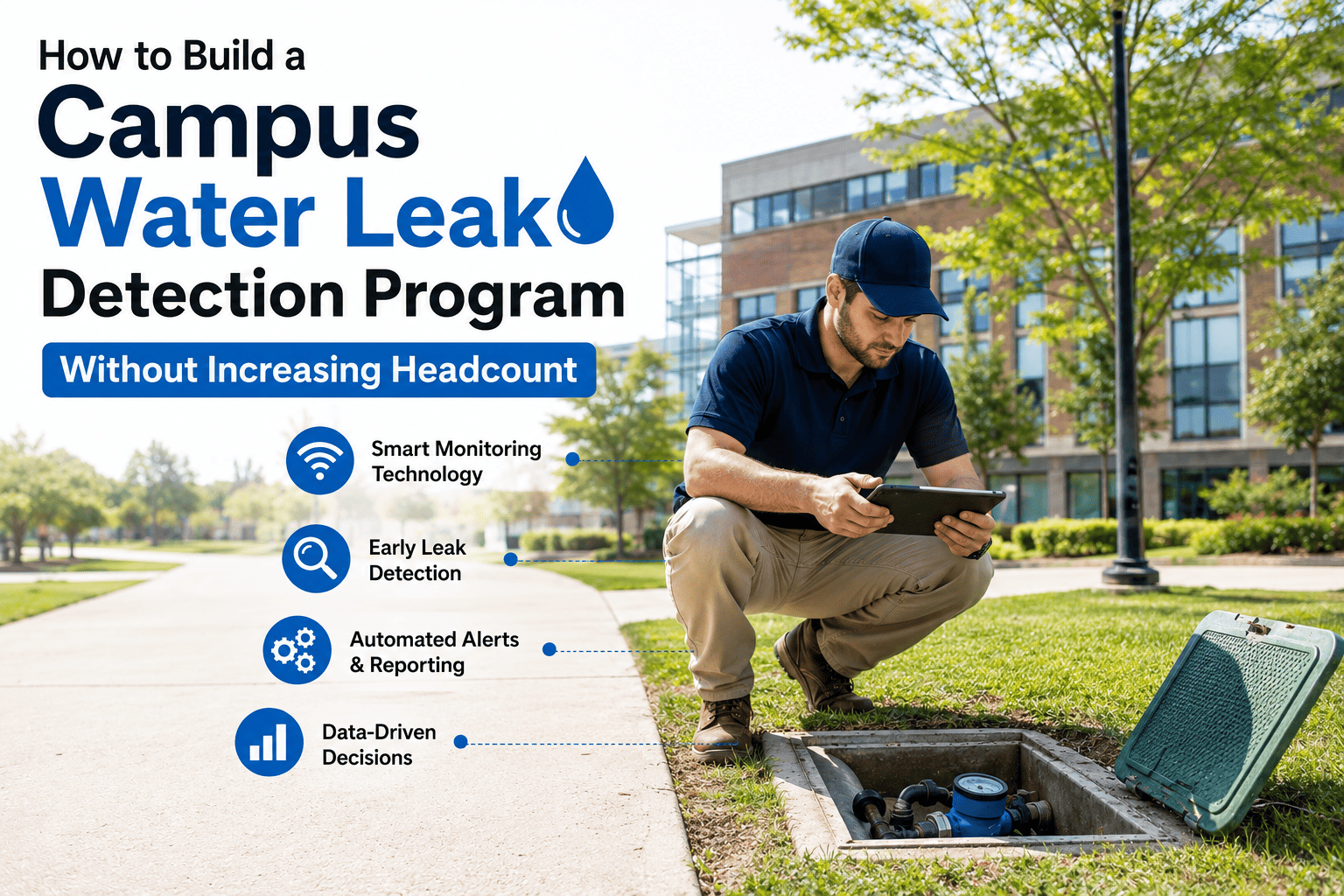
Undetected water leaks are among the most destructive and expensive failures in campus building management. A pinhole pipe leak behind a wall loses 3,000 gallons before it stains the ceiling. A slow roof membrane failure saturates insulation for six months before the water reaches a visible surface. A faulty irrigation valve runs continuously over a holiday weekend and floods a basement server room. In every case, the damage was not caused by the leak — it was caused by the time between the leak starting and the maintenance team finding it. IoT moisture and flow sensors now compress that discovery window from days or weeks to minutes: a sensor detects moisture at 2:47 AM on a Sunday, Oxmaint CMMS receives the alert and creates a prioritised work order, and a technician is on site before the water reaches the electrical panel in the floor below. This guide covers where to deploy IoT leak detection across campus buildings, how sensor data integrates with CMMS for automated work order creation, and the financial case for proactive leak monitoring vs reactive water damage restoration.
Average water damage restoration cost per campus building incident
4 min
IoT sensor alert to Oxmaint work order creation
78%
Reduction in water damage restoration costs with IoT monitoring
3,000 gal
Water lost before a typical hidden leak becomes visible
Response Time Comparison — IoT + CMMS vs Manual Inspection
The cost of water damage is almost entirely a function of how long water runs undetected. Every hour between leak start and discovery multiplies restoration cost. Oxmaint with IoT sensors collapses discovery time from days to minutes.
Time from Leak Start to Discovery — by Detection Method
Visual ceiling stain
Days to weeks
$45K+ avg
Weekly walkthrough
24–168 hrs
$18K avg
BMS flow monitoring
2–12 hrs
$4K avg
IoT sensors + Oxmaint
4–15 min
$800 avg
Restoration cost estimates based on ISSA/IICRC water damage classification data. IoT + CMMS response time based on Oxmaint production deployments.
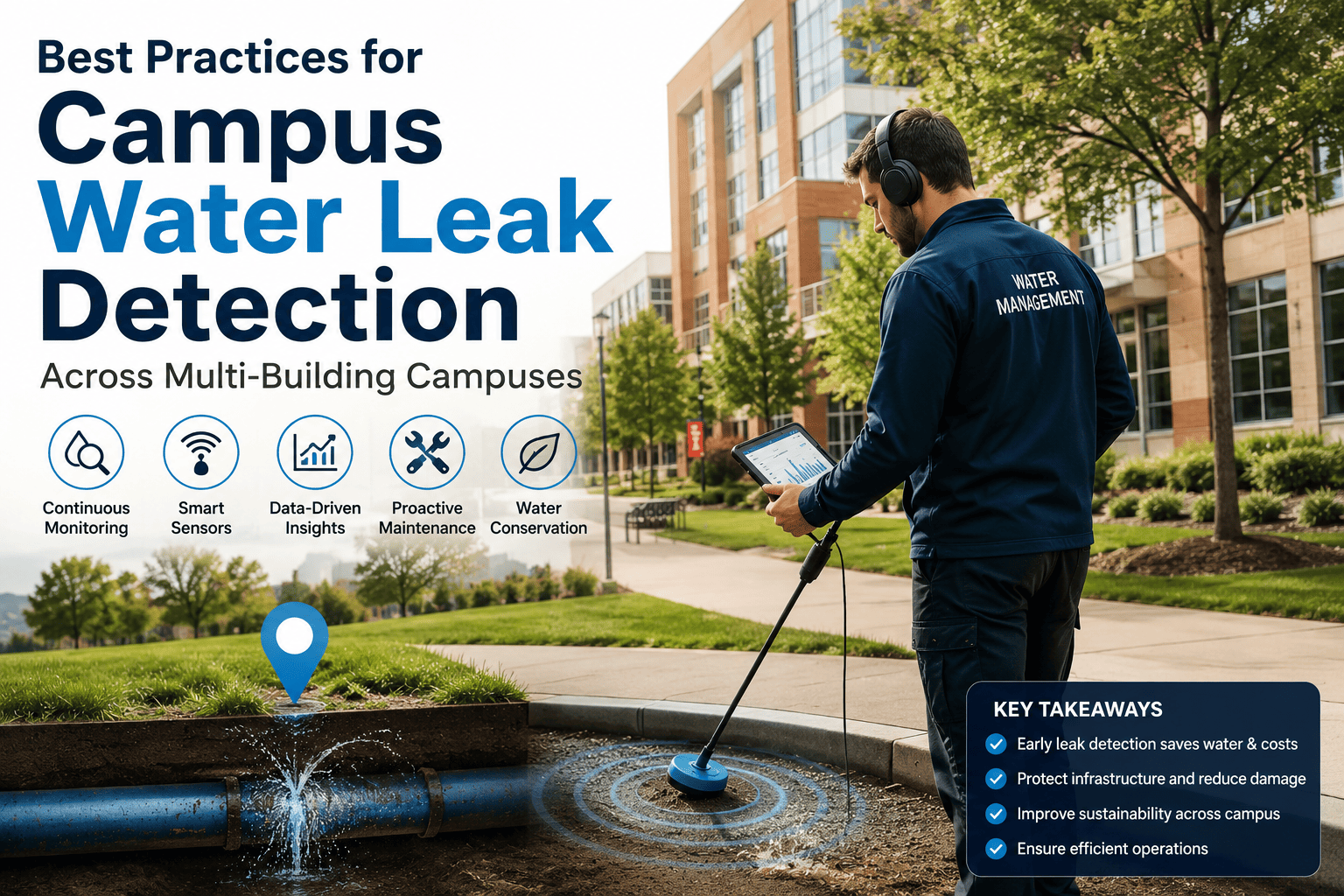
Where to Deploy IoT Leak Sensors Across Campus Buildings
Mechanical Rooms
Critical
Pipe manifolds, boiler connections, and PRV discharge points. Highest flow volume — sensor near floor drain and main supply manifold.
Server & Data Rooms
Critical
Raised floor sensors detect condensate or pipe leaks before equipment damage. Under-floor placement covers entire area. Any moisture triggers P1 alert.
Roof Drainage Points
High
Internal drain overflow sensors alert when roof drains block. Flow sensors on roof drain leaders detect surcharging during heavy rain events before interior flooding occurs.
Restroom Stacks
High
Sensors behind vanity walls and under WC supply connections in multi-storey restroom stacks. Overflow from blocked drains detected before water migrates to lower floors.
HVAC Drain Pans
Medium
Condensate drain pan overflow sensors. Blocked drain pans overflow into ceiling void — often undetected for weeks in above-ceiling AHU installations.
Electrical Switchgear Rooms
Critical
Any moisture near MV switchgear or transformers is a fire and outage risk. Sensors monitor perimeter walls and floor for ingress from adjacent wet areas or storm drainage backup.
IoT Integration with Oxmaint CMMS
Sensor Protocols
LoRaWAN · Zigbee · MQTT
Oxmaint connects to most major IoT platforms — Monnit, Sensata, Honeywell, and custom MQTT brokers. Sensor data mapped to building asset hierarchy.
Alert-to-WO
4 min avg
Threshold breach generates Oxmaint work order with sensor ID, building location, moisture reading, and photo from nearest camera — fully pre-populated.
Digital Twin
Building model
Sensor readings plotted on digital building model — showing moisture spread trajectory and at-risk adjacent assets (electrical panels, stored equipment, flooring systems).
AI Leak Analysis
Root cause
AI correlates sensor events with pipe age, maintenance history, and seasonal temperature data to identify highest-risk locations before next event occurs.
78%
Reduction in water damage restoration costs with IoT + CMMS
4 min
Sensor alert to technician assigned — vs days with manual inspection
$44K
Average damage prevented per incident caught within 15 minutes
"A sensor in our chemistry building mechanical room triggered at 3:20 AM — a supply line joint had failed. Oxmaint created the work order automatically, our on-call tech was on site by 3:58 AM. Total damage: one wet floor tile. Without the sensor, that same failure during Thanksgiving break would have been $60,000+ in damage and a two-week lab closure."
Facilities Operations Manager · Research University · Midwest, USA
Frequently Asked Questions
Q1Which IoT sensor protocols does Oxmaint support for leak detection integration?▾
Oxmaint integrates with IoT platforms using MQTT, REST API, and webhook protocols — supporting LoRaWAN sensors from Monnit, Dragino, and Milesight, Zigbee sensors from major building automation providers, and direct BACnet/IP integration with most BMS platforms for flow monitoring.
Q2How are sensor thresholds configured for different building locations?▾
Each sensor asset in Oxmaint is configured with location-specific thresholds — a server room sensor triggers P1 at any moisture detection, while a mechanical room floor sensor may tolerate condensation below a configurable level. Thresholds are set by facility manager and reviewed quarterly.
Q3What is the typical ROI period for campus IoT leak detection investment?▾
Most campus deployments show positive ROI within 12–18 months. A single prevented major water damage incident ($45K average) covers the cost of 50–80 sensor installations. Campuses with older plumbing infrastructure or server rooms typically see ROI within the first incident season.
Q4Can Oxmaint integrate with existing BMS systems for flow anomaly detection?▾
Yes — Oxmaint connects to Johnson Controls, Honeywell, Siemens, and Trane BAS platforms via BACnet/IP, MODBUS, or API. Flow anomaly conditions from BMS trigger Oxmaint work orders automatically, complementing point moisture sensors with building-wide flow monitoring.
Q5Does IoT leak detection reduce insurance premiums for campus buildings?▾
Many campus property insurers now offer premium reductions of 8–15% for buildings with documented IoT water monitoring and CMMS response protocols. Oxmaint generates the inspection and response documentation insurers require to qualify for these reductions. Check with your insurer for applicable programmes.
Stop Water Damage Before It Starts. IoT + CMMS.
Sensor integration live in 48 hours — free to start.