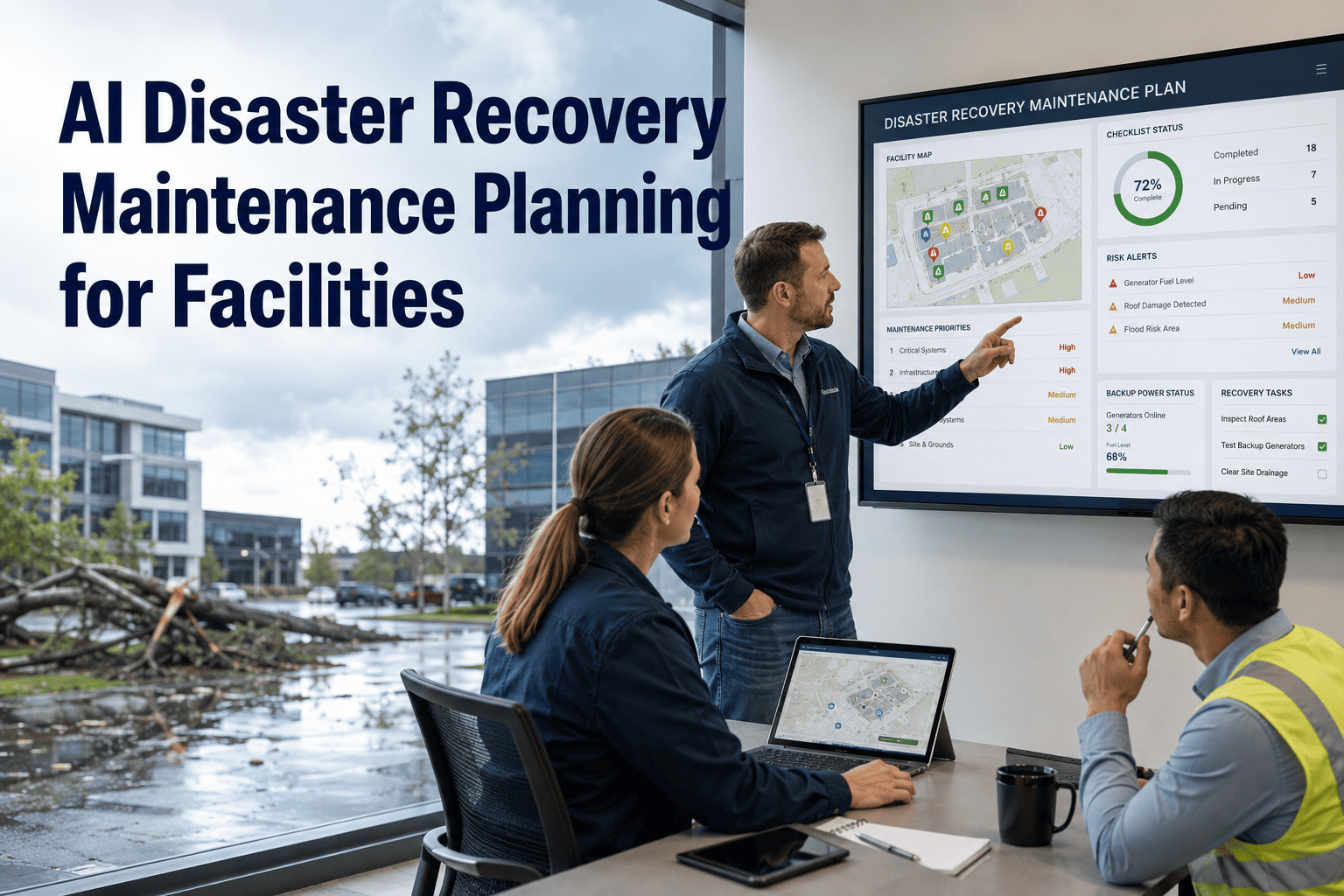
When a storm knocks out power, a flood reaches mechanical rooms, or critical HVAC fails mid-winter, facilities without a data-driven recovery plan face weeks of chaotic, uncoordinated response. AI-powered disaster recovery maintenance planning uses real asset data — equipment age, criticality ratings, maintenance history, and redundancy status — to build recovery sequences that prioritize the right systems in the right order. The difference between a 48-hour recovery and a 3-week operational shutdown is preparation, not luck. Book a Demo to see how Oxmaint builds your facility's recovery intelligence layer before disaster strikes.
Facility Risk Exposure Without a Recovery Plan
Power Outage
HIGH IMPACT
Avg Recovery: 4–72 hrs
Flood / Water Intrusion
CRITICAL
Avg Recovery: 2–6 weeks
HVAC System Failure
HIGH IMPACT
Avg Recovery: 3–10 days
Fire Suppression Failure
CRITICAL
Avg Recovery: 1–5 days
Wind / Structural Damage
VARIABLE
Avg Recovery: 1–12 weeks
Backup Generator Failure
HIGH IMPACT
Avg Recovery: 12–48 hrs
How Asset Data Transforms Disaster Recovery
Traditional disaster recovery plans are static documents that grow outdated within months of creation. AI-driven recovery planning uses live asset data — maintenance histories, equipment criticality scores, installed age, redundancy mapping, and vendor contacts — to generate dynamic recovery sequences. When a disaster occurs, your operations team receives a prioritized work order queue based on current asset status, not a printed binder from three years ago. Facilities using asset-intelligence recovery planning consistently reduce mean time to operations restoration by 40–60% compared to manual coordination.
01
Asset Inventory & Criticality Mapping
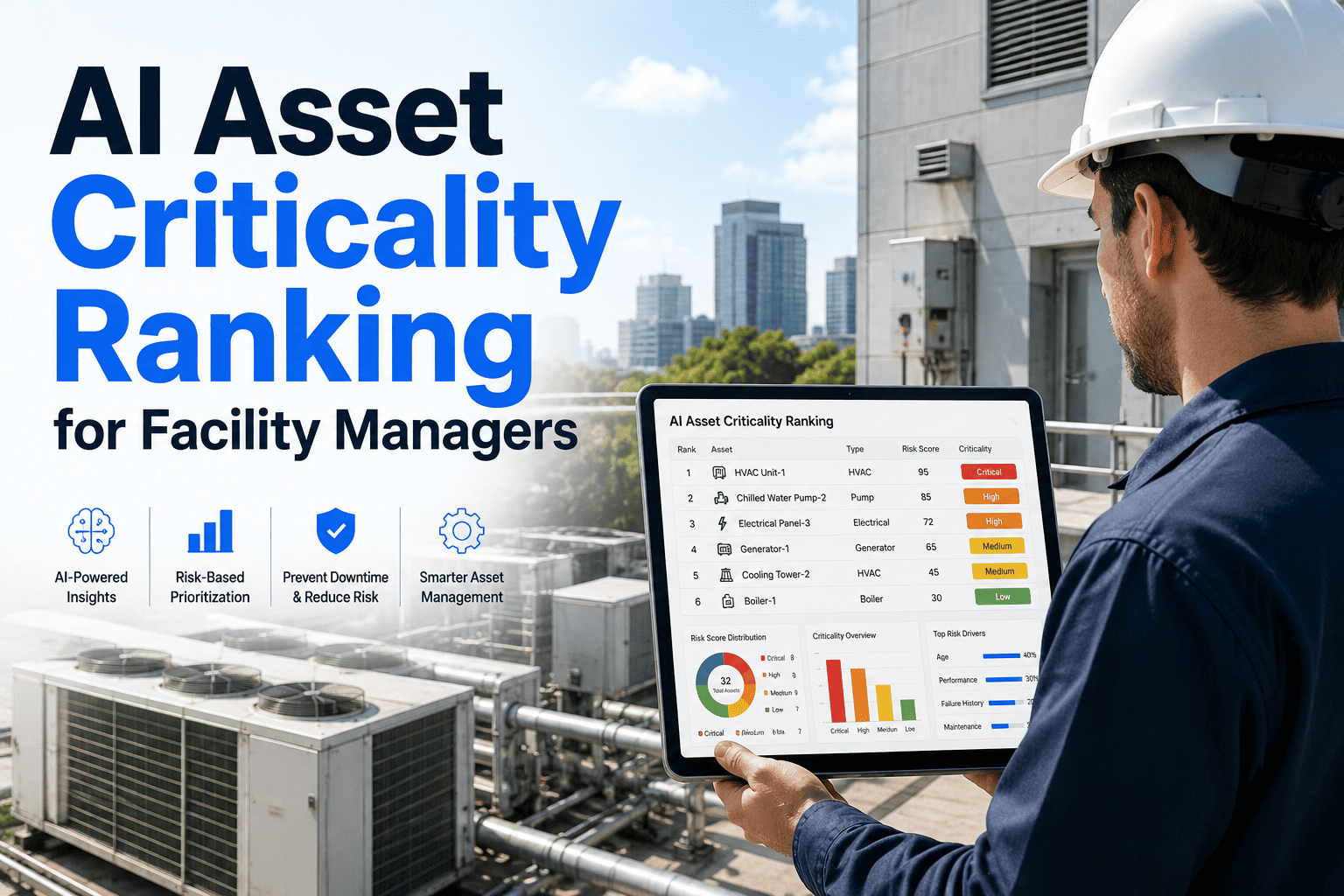
Every asset ranked by operational criticality, redundancy level, and recovery dependency.
02
Risk Scenario Planning
Pre-built response workflows for power outage, flood, HVAC failure, and structural events.
03
Vendor & Contractor Pre-qualification
Emergency vendor contacts, contract terms, and SLAs stored and accessible in minutes.
04
Real-Time Work Order Deployment
Mobile work orders dispatched in priority sequence as soon as the event is logged.
SHUTDOWN & RECOVERY MANAGEMENT
Your Recovery Plan Is Only as Good as Your Asset Data
Oxmaint uses your live maintenance records, equipment criticality scores, and vendor database to generate an intelligent, prioritized recovery sequence the moment a disaster is declared — not three days later.
Recovery Planning Data Requirements
| Data Category |
What to Capture |
Why It Matters in Recovery |
Oxmaint Module |
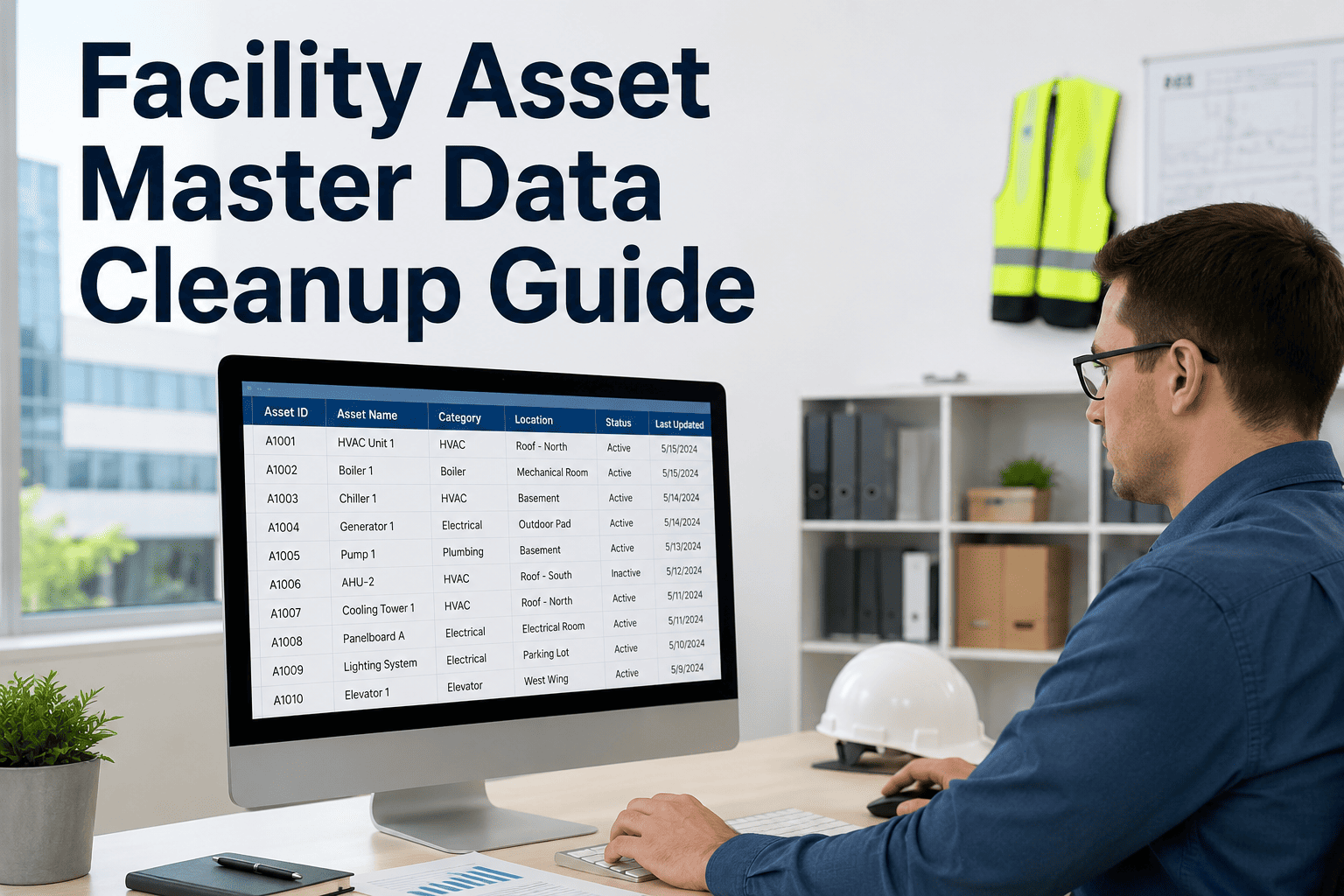
| Asset Inventory | Model, age, location, criticality | Determines recovery sequence and priority | Asset Registry |
| Maintenance History | Last PM, failure history, condition | Identifies pre-existing vulnerabilities | Work Order History |
| Vendor Contacts | Emergency contacts, response SLAs | Accelerates first-hour coordination | Vendor Management |
| Redundancy Map | Backup systems, failover paths | Prevents recovery sequence errors | System Dependencies |
| Insurance Data | Policy numbers, adjuster contacts | Speeds claims submission and approval | Document Storage |
| Floor Plans & Utilities | Shutoff locations, zone maps | Guides first responders and contractors | Site Documentation |
Expert Review
Carlos Reyes, PE, CFM
Principal, Facility Resilience Consulting — Former FEMA Infrastructure Advisor
"After Hurricane Ida, I assessed recovery operations at over forty commercial facilities across Louisiana. The single greatest differentiator between facilities that restored operations in days versus weeks was not the severity of physical damage — it was the quality of their asset data. Teams that could instantly identify which critical systems were affected, which vendors to call, and what the recovery sequence should be were operational in 72 hours. Facilities with paper records and no asset intelligence were still in triage mode three weeks later. The ROI of maintaining complete asset data is not theoretical — I've seen it save millions in lost revenue and prevent months of tenant disruption in real disaster scenarios."
Frequently Asked Questions
What is facility disaster recovery maintenance planning and why is it different from a BCP?
A Business Continuity Plan (BCP) addresses organizational operations broadly, while facility disaster recovery maintenance planning specifically focuses on the physical asset restoration sequence — which systems to recover first, which vendors to dispatch, what equipment condition was before the event, and how to document the recovery for insurance and compliance purposes. Oxmaint's approach links your
maintenance data directly to recovery workflows, creating an asset-intelligence layer that static BCPs cannot provide. This dramatically reduces the time between event occurrence and first vendor deployment.
How does AI improve disaster recovery planning compared to manual methods?
AI-driven recovery planning continuously analyzes your asset maintenance data to flag vulnerabilities before disasters occur — aging critical equipment without redundancy, overdue inspections on backup systems, vendors without current insurance. When a disaster is logged, the system generates a prioritized recovery work order queue based on asset criticality and current condition data, eliminating the judgment calls that delay recovery during high-stress situations.
Book a demo to see how Oxmaint's AI recommendations work for your facility type.
What types of disaster scenarios should a commercial facility plan for?
Every commercial facility should have documented response workflows for extended power outages (24+ hours), water intrusion events, HVAC and mechanical system failures, fire suppression system compromise, external network and communications loss, and severe weather structural impacts. The priority and recovery sequence will differ by facility type, tenant requirements, and geographic risk profile. Oxmaint's scenario planning templates cover all major event categories and can be customized to your specific asset inventory and operational requirements.
How long does it take to build a data-driven recovery plan in Oxmaint?
For facilities with existing asset records in any format, Oxmaint's implementation team typically completes the initial criticality mapping and recovery scenario setup within 30–45 days. Facilities starting from scratch with a new asset inventory can complete a foundational recovery-ready program in 60–90 days. The
platform's asset import tools accelerate data migration from spreadsheets, legacy CMMS platforms, or paper records, so you're not starting with a blank screen. Every day of implementation brings your facility closer to recovery readiness.
P1 CRITICAL — ACT NOW
Build Your Recovery Intelligence Before the Next Event
Facilities that prepare with Oxmaint recover faster, spend less on emergency contractors, and maintain tenant trust through disruptions that cripple unprepared competitors.