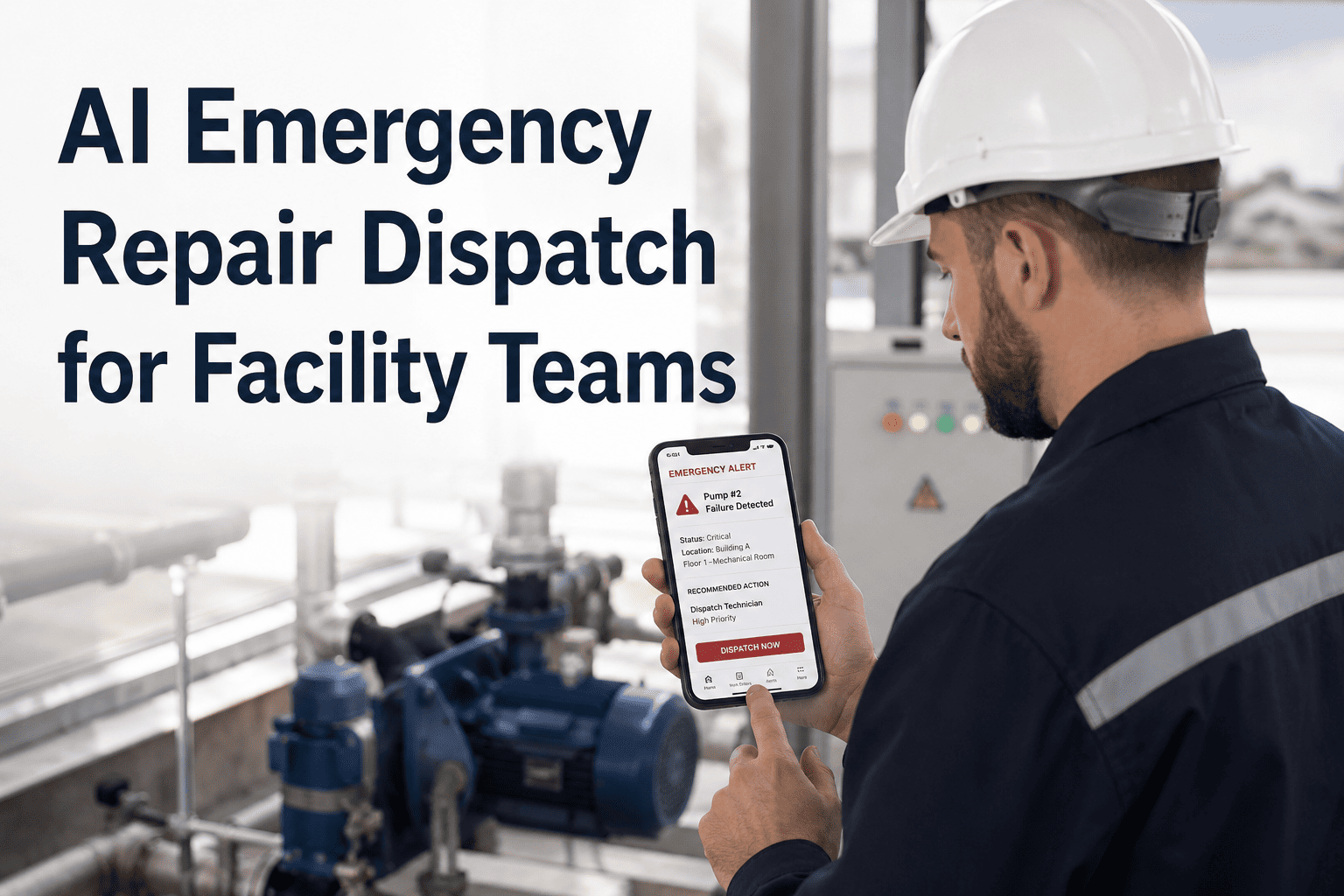
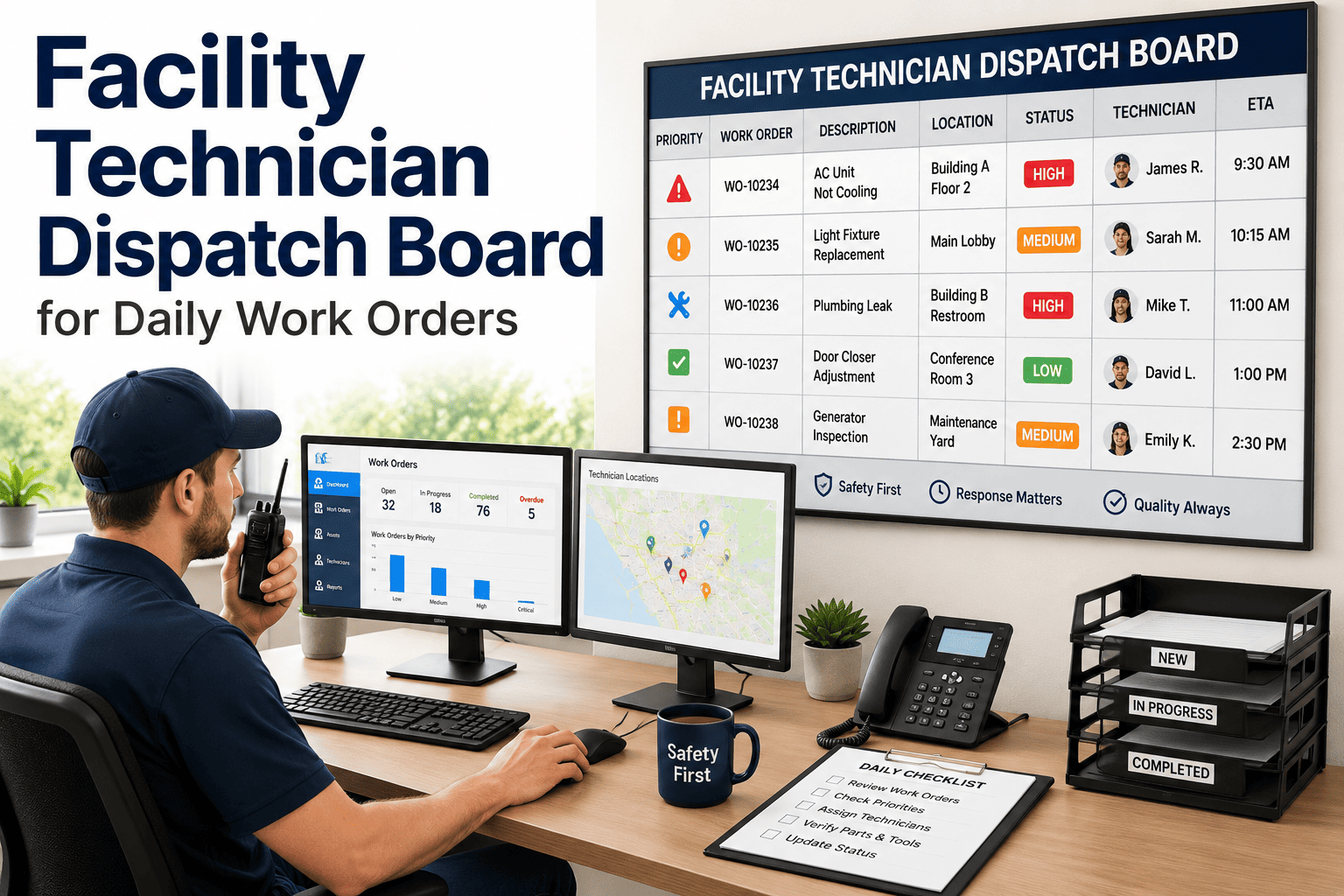
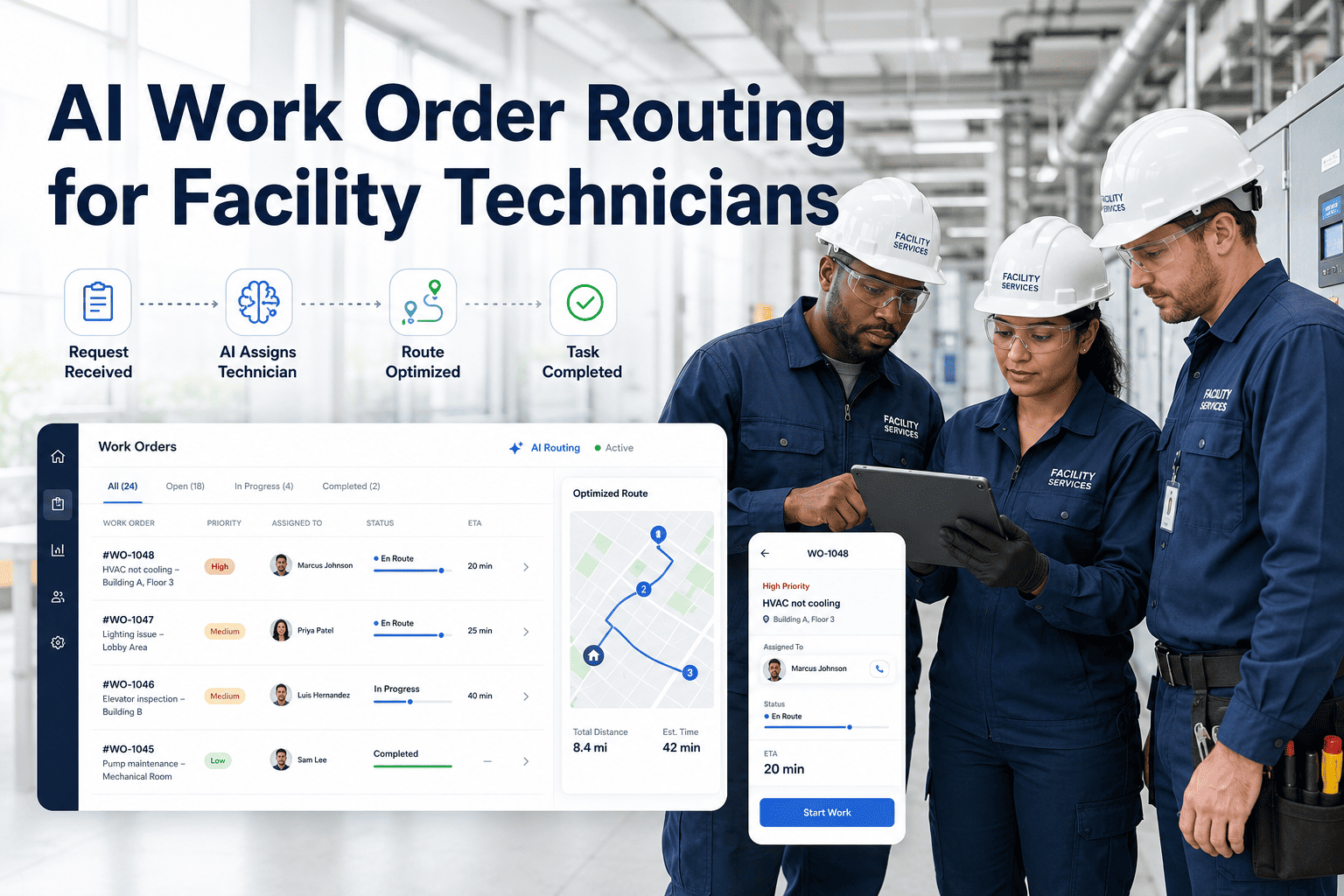
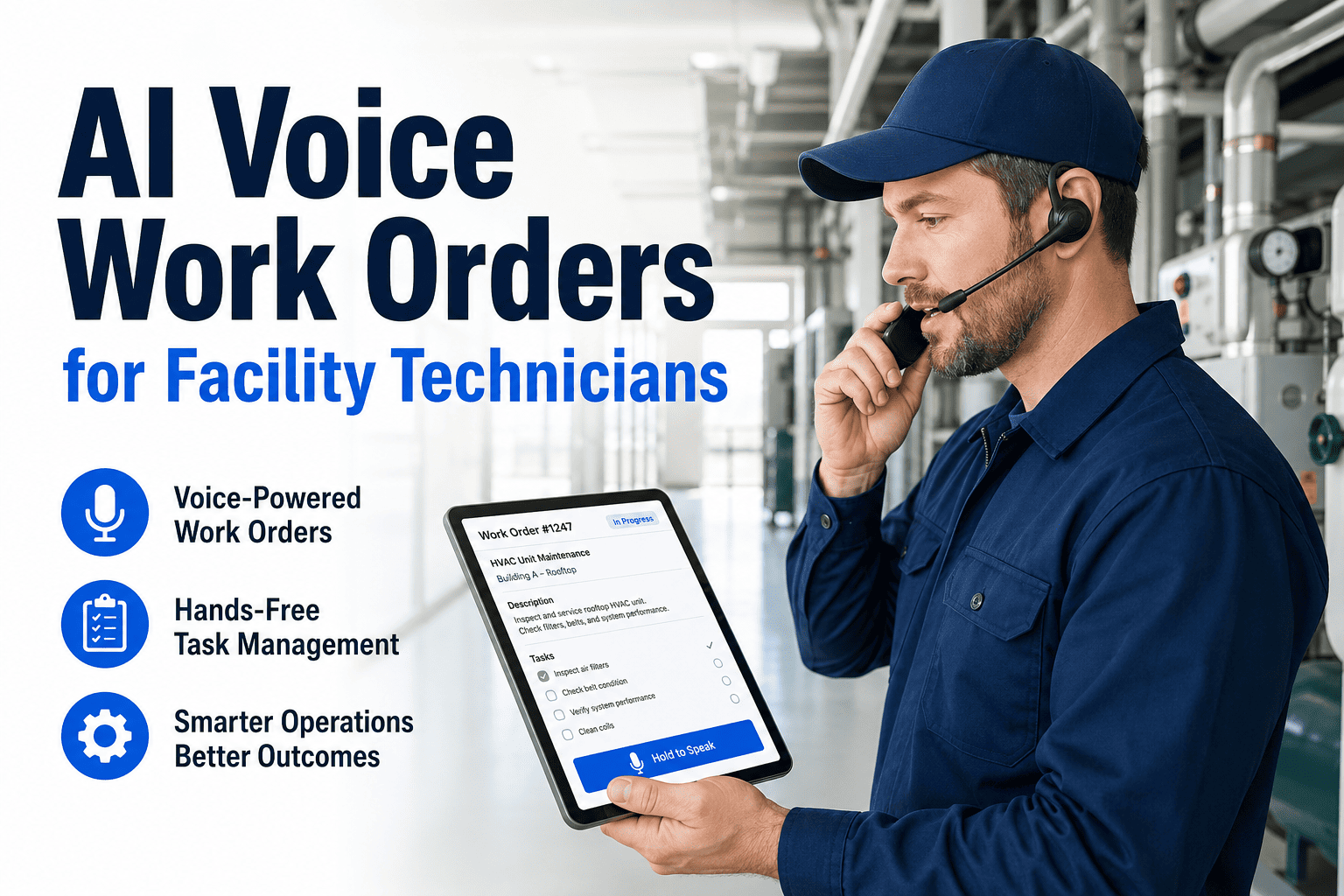
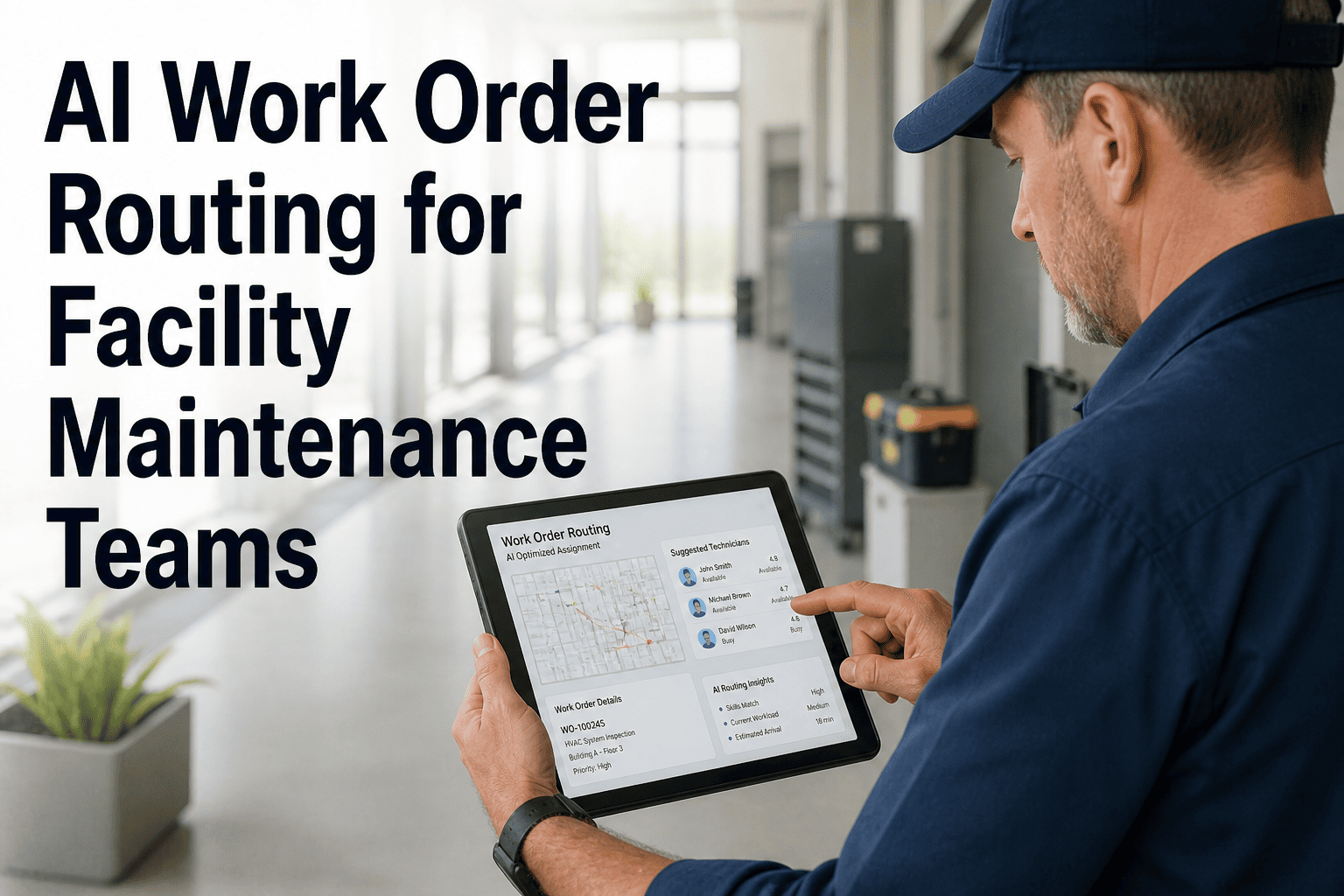
When a critical system fails in your building — HVAC in peak summer, a water leak on the third floor, a power fault in the server room — every minute of delay has a real cost. OxMaint's AI emergency repair dispatch automatically routes urgent repair requests to the right technician based on skill match, location, asset history, and real-time availability, cutting response times by up to 60 percent. Forget manual calls and radio chains — let AI handle the dispatch logic so your team handles the repair.
AI-POWERED DISPATCH
Average Response Time Reduction: 58%
Auto-Routing Accuracy: 94%
SLA Breach Prevention: 3x improvement
The Real Cost of Slow Emergency Dispatch
Manual emergency dispatch is broken by design. A facility manager gets a complaint, tries to remember which technician knows that asset, makes a call, waits, makes another call, and eventually someone shows up — often without the right parts or context. By the time the repair begins, the damage has compounded and the tenant is already filing a complaint. AI dispatch eliminates every one of these steps with automated logic that acts in seconds, not minutes.
01
Emergency Detected
Request submitted via mobile, QR scan, or sensor alert — instantly classified as emergency priority.
02
AI Scores & Matches
AI evaluates asset history, technician skill set, proximity, and current workload in real time.
03
Auto-Dispatch Fires
Best-matched technician receives instant mobile notification with asset context and location pin.
04
Live Response Tracking
Managers see technician en-route status and estimated arrival — escalation fires if response lags.
SEE AI DISPATCH IN ACTION
Your Next Emergency Can Be Routed, Dispatched, and Tracked Before You Finish Reading This Sentence.
OxMaint's AI dispatch engine runs 24/7, learns from your asset history, and never forgets which technician fixed that compressor last time. Book a live demo to see it route a real emergency scenario.
What AI Dispatch Considers in Under 3 Seconds
A
Asset History
Pulls previous repair records for the asset — assigns technicians who have successfully resolved the same issue before.
B
Technician Skill Profile
Matches certified skills and trade qualifications to the repair type — plumbing jobs go to plumbers, not electricians.
C
Location & Proximity
Routes to the nearest available technician to minimize travel time and get boots on site faster.
D
Current Workload
Checks active job assignments to avoid dispatching an already-overloaded technician to a new emergency.
E
Priority Score
Weights asset criticality, floor/area impact, tenant escalation risk, and SLA window remaining.
F
Escalation Logic
If primary technician doesn't acknowledge within 3 minutes, AI auto-escalates to the next best match.
Response Time Comparison: Manual vs AI Dispatch
| Stage |
Manual Dispatch |
AI Dispatch (OxMaint) |
| Issue reported to manager |
2 — 8 min |
Instant (auto-captured) |
| Identify right technician |
5 — 15 min |
Under 3 seconds |
| Notify technician |
3 — 10 min (calls/texts) |
Instant push notification |
| Technician briefed on asset |
5 — 20 min (verbal, paper) |
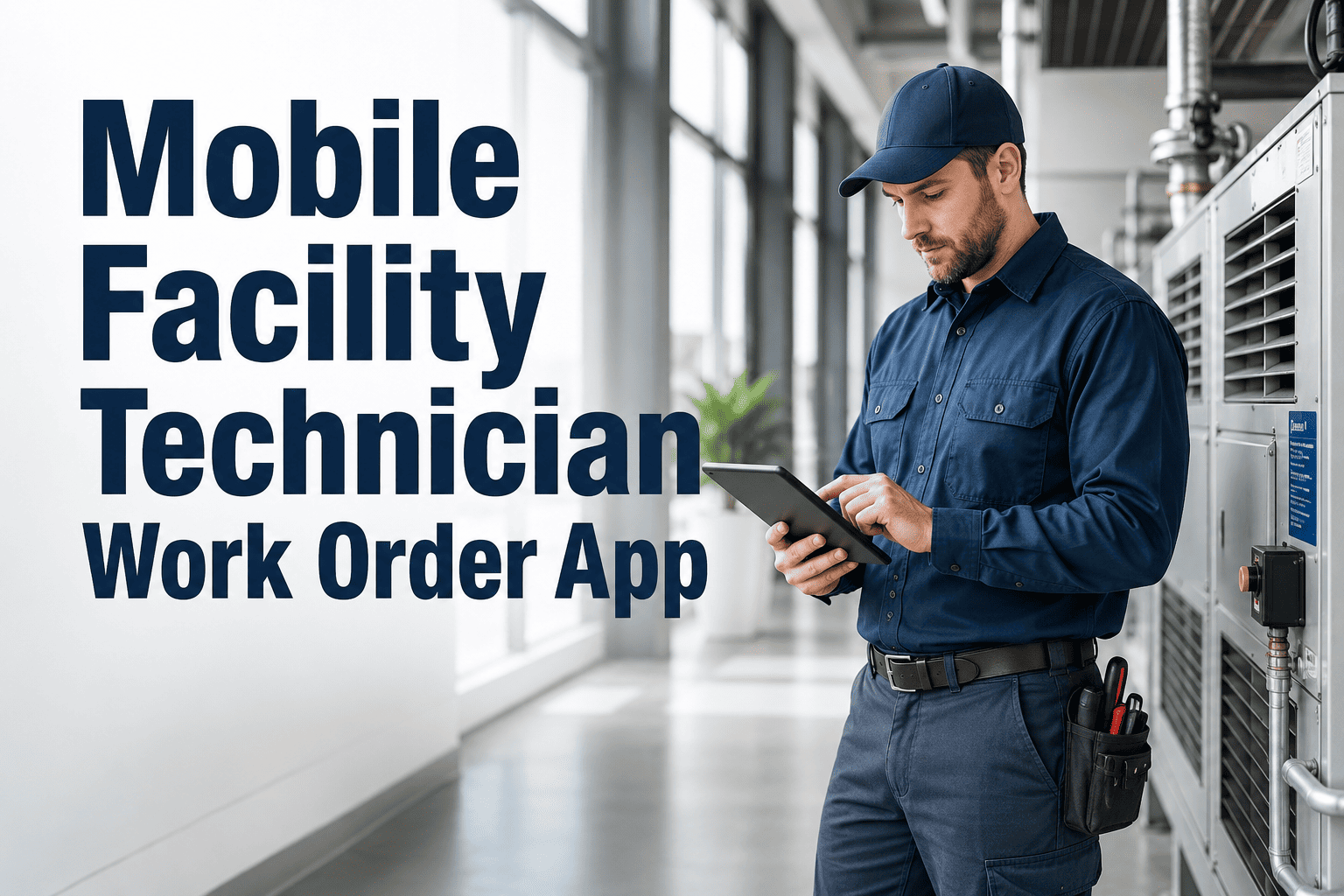
Delivered on mobile (full history) |
| Total dispatch-to-en-route |
15 — 53 min |
Under 5 min |
| Manager visibility during job |
None until follow-up call |
Live status on dashboard |
Expert Review
Priya Nair — Head of Facilities, Multi-Property Hospitality Group, 14 Years Experience
"Our biggest emergency dispatch failure was always the same: the right technician wasn't reached in time because someone made three wrong calls first. After deploying AI dispatch with OxMaint, our average emergency response dropped from 47 minutes to under 19 minutes. The AI pulls the asset history and pre-loads it into the technician's mobile app before they even reach the site. That context alone eliminates the 10 to 15 minutes of on-site diagnostic time that used to slow every job down."
SEE AI DISPATCH IN ACTION
Your Next Emergency Can Be Routed, Dispatched, and Tracked Before You Finish Reading This Sentence.
OxMaint's AI dispatch engine runs 24/7, learns from your asset history, and never forgets which technician fixed that compressor last time. Book a live demo to see it route a real emergency scenario.
Frequently Asked Questions
How does the AI know which technician is best for a specific emergency?
OxMaint's AI dispatch engine evaluates six factors simultaneously: asset repair history, technician skill certification, physical proximity, current job load, response time track record, and real-time availability. The system learns from each completed dispatch, improving match accuracy over time. Facilities typically see dispatch accuracy improve by 20 to 30 percent within the first 60 days as the AI builds familiarity with your team's patterns.
Sign up free to configure your technician skill profiles today.
What happens if the dispatched technician cannot respond to the emergency?
OxMaint has a built-in escalation chain. If the primary technician does not acknowledge the dispatch within a configurable window (default 3 minutes), the system automatically routes the job to the next best-matched available technician. If that fails, an escalation alert is sent directly to the supervisor or on-call manager. Every escalation event is logged with timestamps for SLA reporting and post-incident review.
Book a demo to see the escalation workflow in action.
Can the AI dispatch system handle after-hours and weekend emergencies?
Yes. OxMaint supports on-call scheduling integration so after-hours and weekend emergencies are routed to the designated on-call technician or supervisor automatically. The system distinguishes between business-hours and after-hours routing rules, ensuring that emergency notifications reach the right person at any time without manual intervention from facility management. All after-hours dispatches are tracked the same way as regular job assignments for full audit trail compliance.
How is emergency repair data used after the job is completed?
Every emergency dispatch event feeds into OxMaint's asset history and maintenance analytics. Managers can review which assets trigger the most emergency calls, which buildings have the highest emergency frequency, and how long different repair types actually take. This data directly informs preventive maintenance scheduling — facilities using OxMaint analytics typically reduce emergency call volume by 30 to 45 percent over 12 months by converting reactive repairs to planned maintenance.