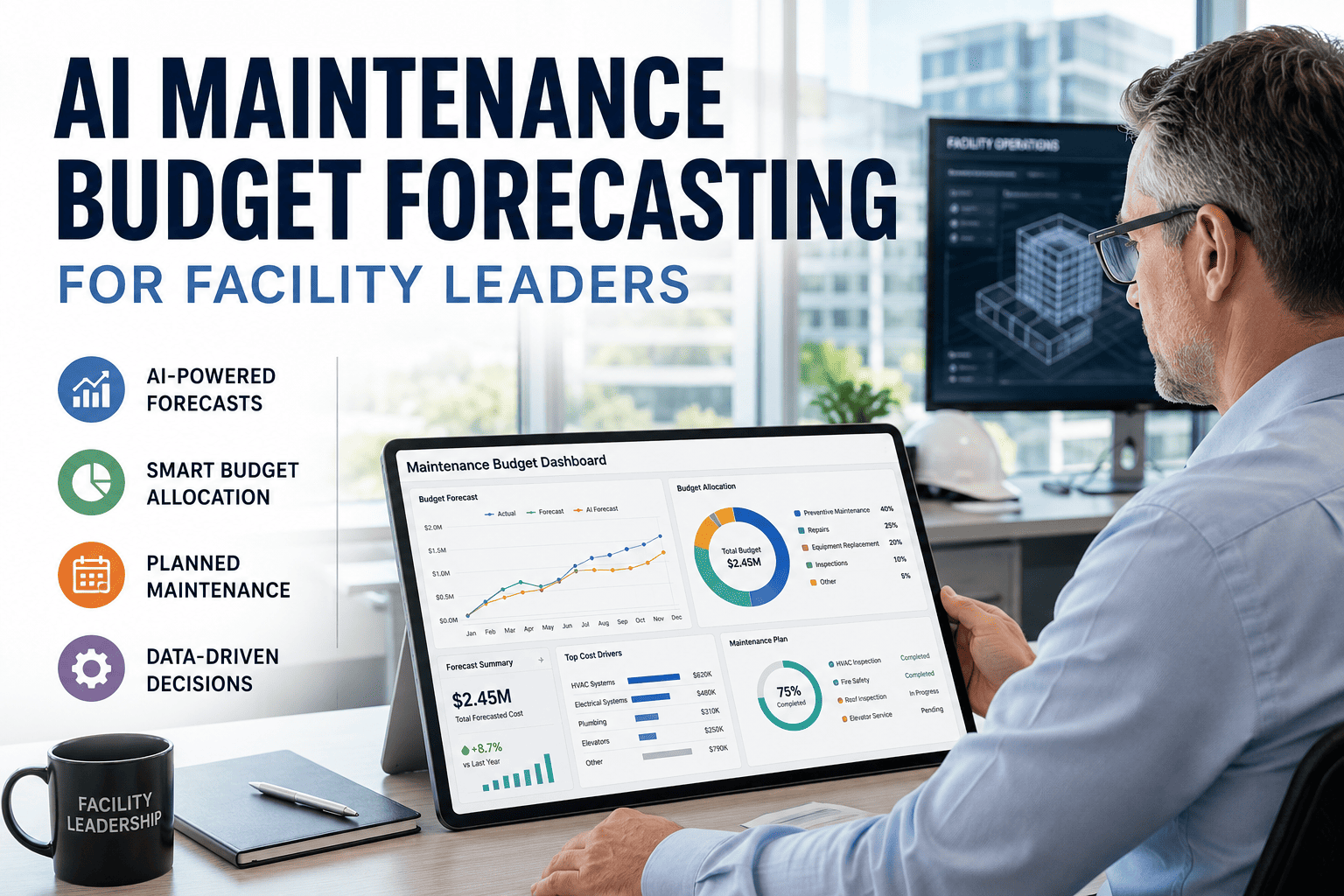
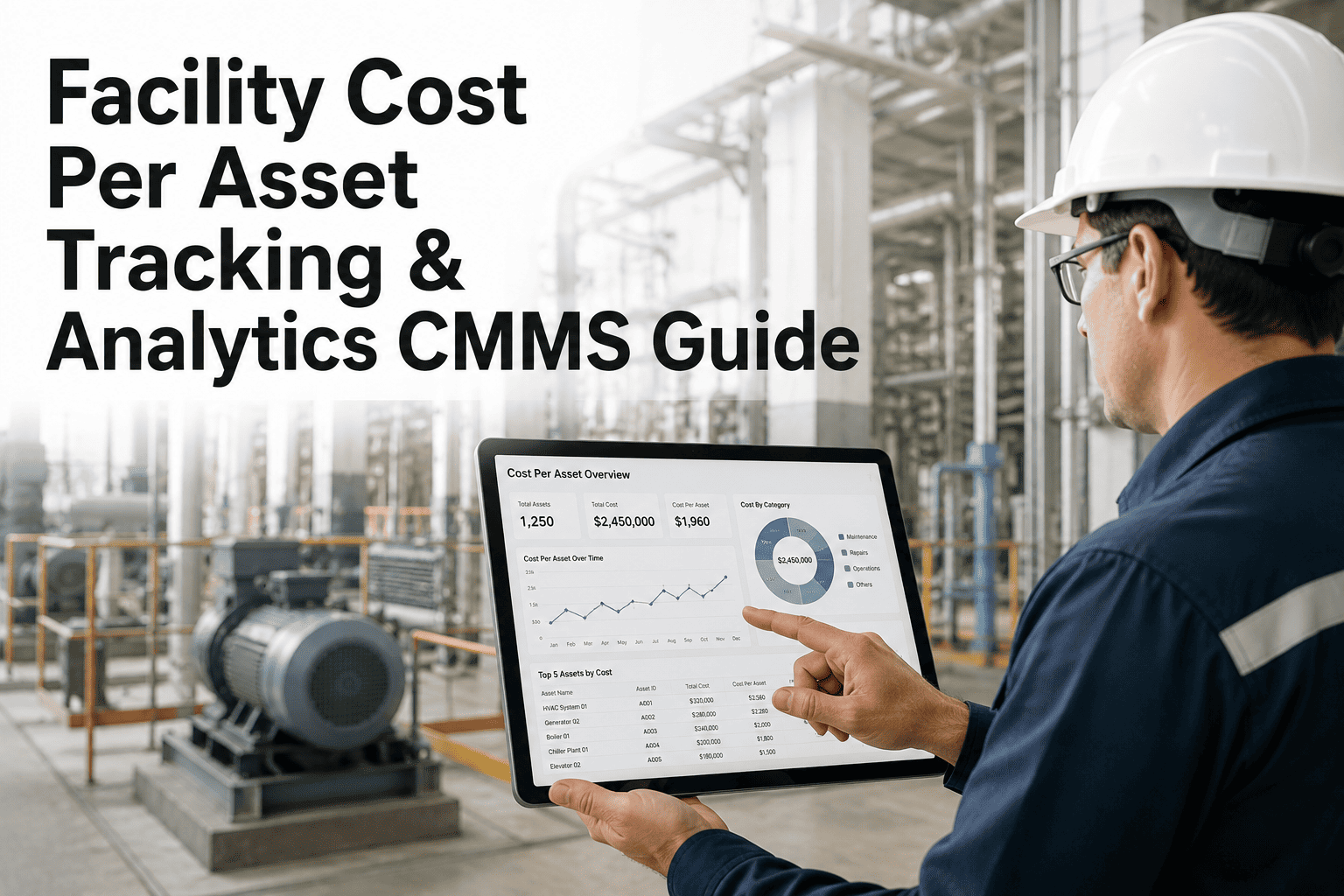
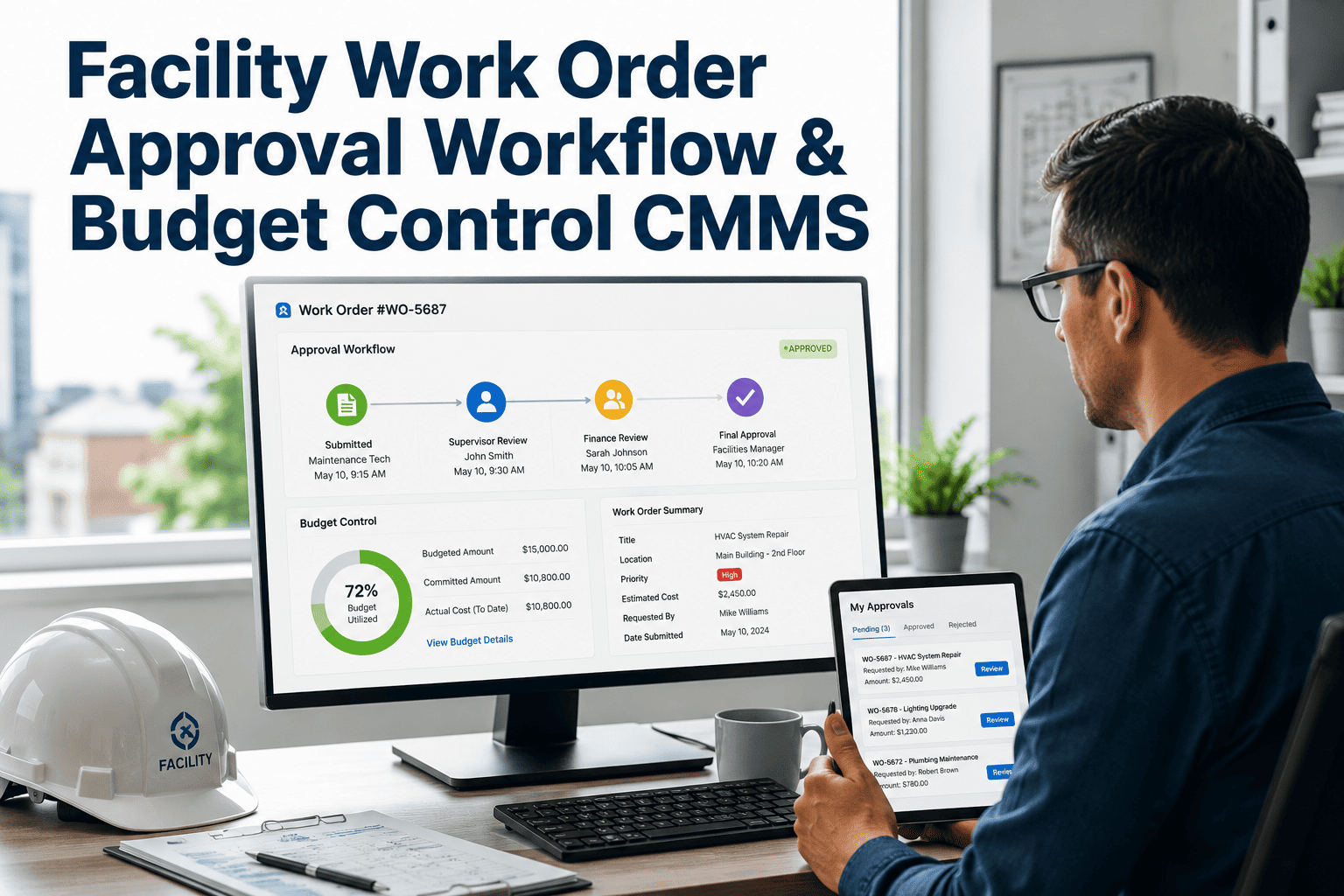
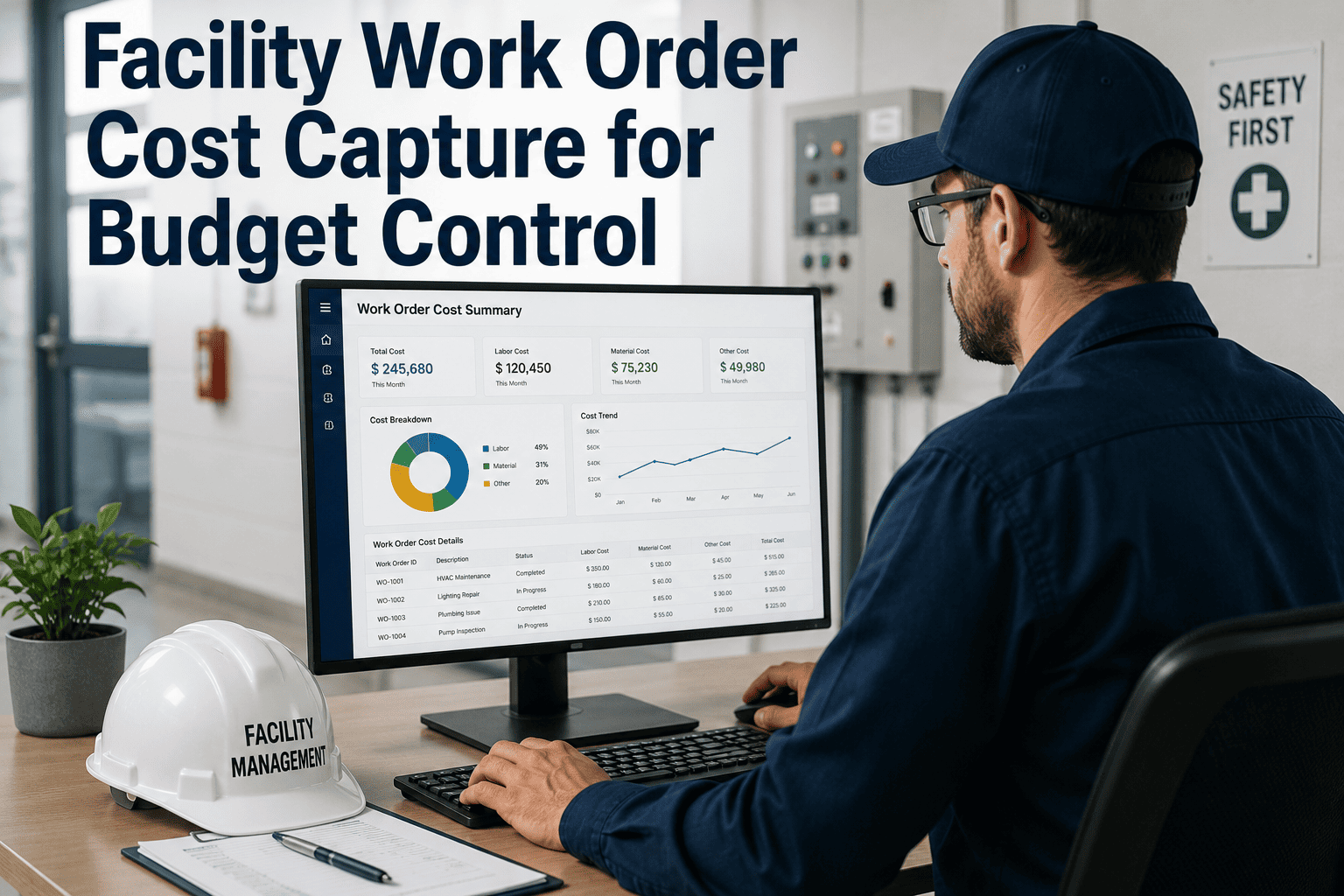
Facility leaders who still rely on gut instinct and last year's numbers for maintenance budgets are leaving real money on the table — and exposing their organizations to unpredictable cost spikes. Oxmaint's AI-powered analytics platform transforms raw asset data, work order history, and vendor costs into accurate, defensible maintenance budgets that CFOs actually trust. If your current forecasting process starts with a spreadsheet and ends with a guess, book a 30-minute budget analysis session to see exactly where your numbers are coming from — and where they're going.
AI Budget Forecasting
Stop Guessing Your Maintenance Budget. Start Predicting It.
Asset health scores, work order trends, vendor costs, and risk data — unified into one forecast your leadership team can act on.
18%
Average budget variance reduced with AI forecasting
3x
Faster budget cycle completion
$240K
Avg. annual overspend caught by AI cost prediction
Why Traditional Budget Forecasting Fails Facility Teams
Most maintenance budgets are built on three flawed inputs: last year's actuals, gut feel, and vendor invoices no one audited. Here's where the process breaks down — and what it costs.
01
No Asset Health Signal
Budget planners rarely know which assets are degrading until they fail. Without real-time health scores, high-risk assets are treated the same as healthy ones — until a surprise capital event hits.
02
Ignored Work Order Patterns
Years of work order history hold the clearest signal of future cost — but most facilities never analyze it. Recurring labor, repeat parts, and seasonal failure spikes stay invisible on a spreadsheet.
03
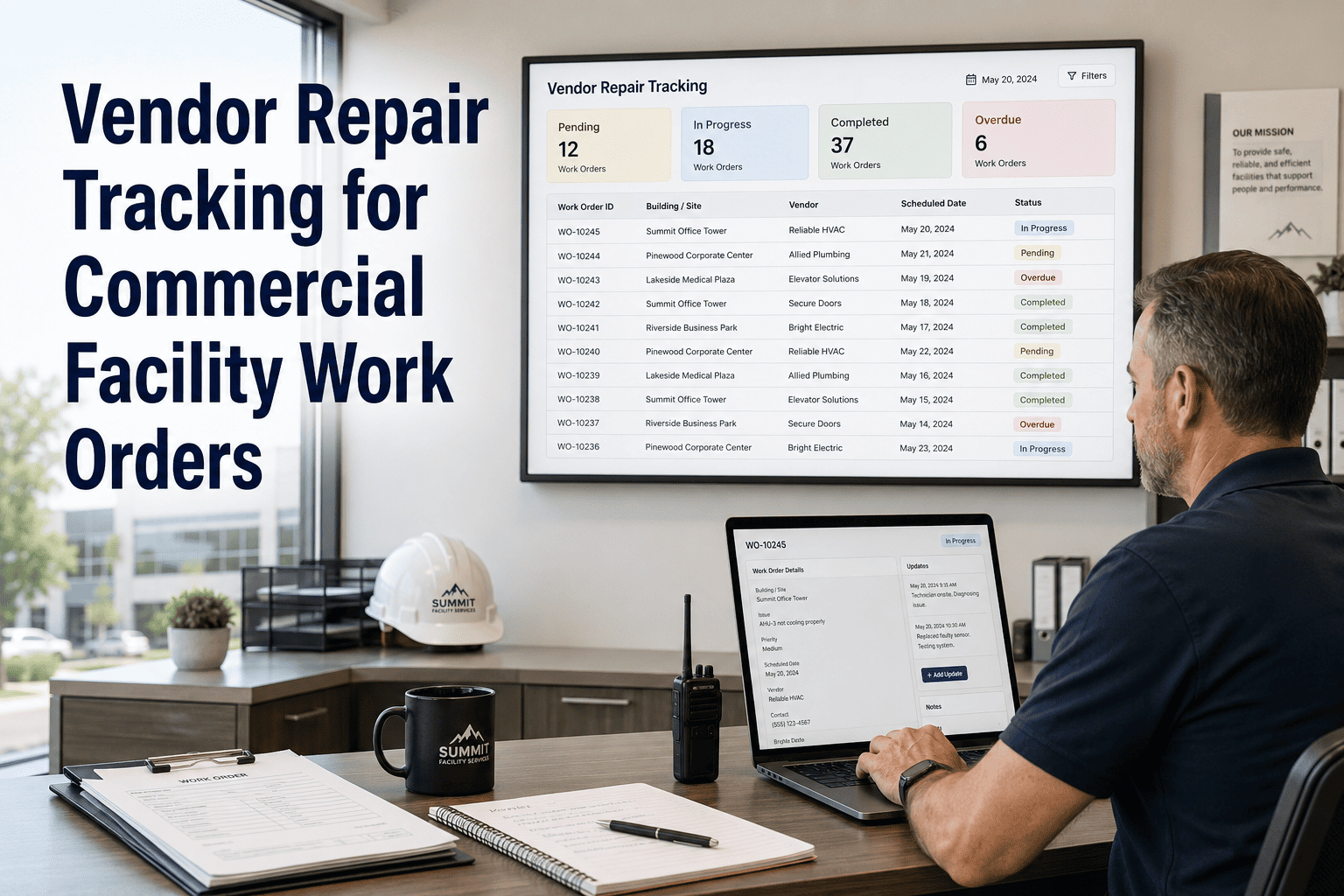
Vendor Cost Blind Spots
Contractor invoices grow 8–12% per year without negotiation leverage. Without aggregated spend visibility, facility leaders lack the data to push back or consolidate vendors for better pricing.
04
Risk Is Never Priced In
A single HVAC failure in a data center or hospital costs far more than the repair bill. Risk-adjusted budgets account for consequence severity — but require AI scoring to build reliably.
Ready to build a budget that actually holds? Oxmaint turns your asset data and work order history into a forecast your finance team will sign off on.
How Oxmaint AI Builds Your Maintenance Budget
Four data layers combine to produce a forecast that's accurate, auditable, and ready to present to leadership.
Step 1
Asset Health Scoring
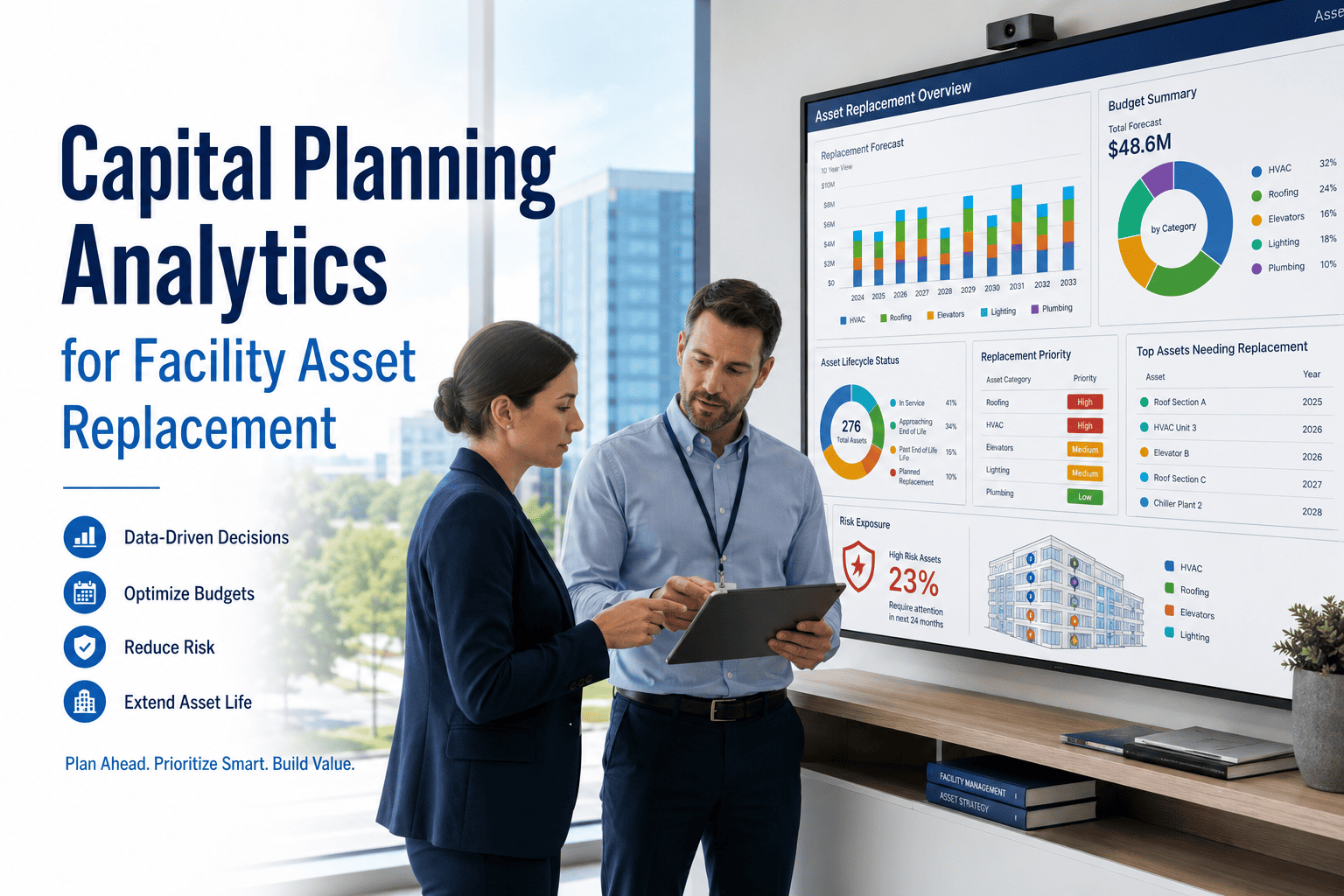
Every asset receives a real-time condition score based on sensor data, maintenance frequency, and age. High-risk assets automatically receive higher budget allocations.
Step 2
Work Order History Analysis
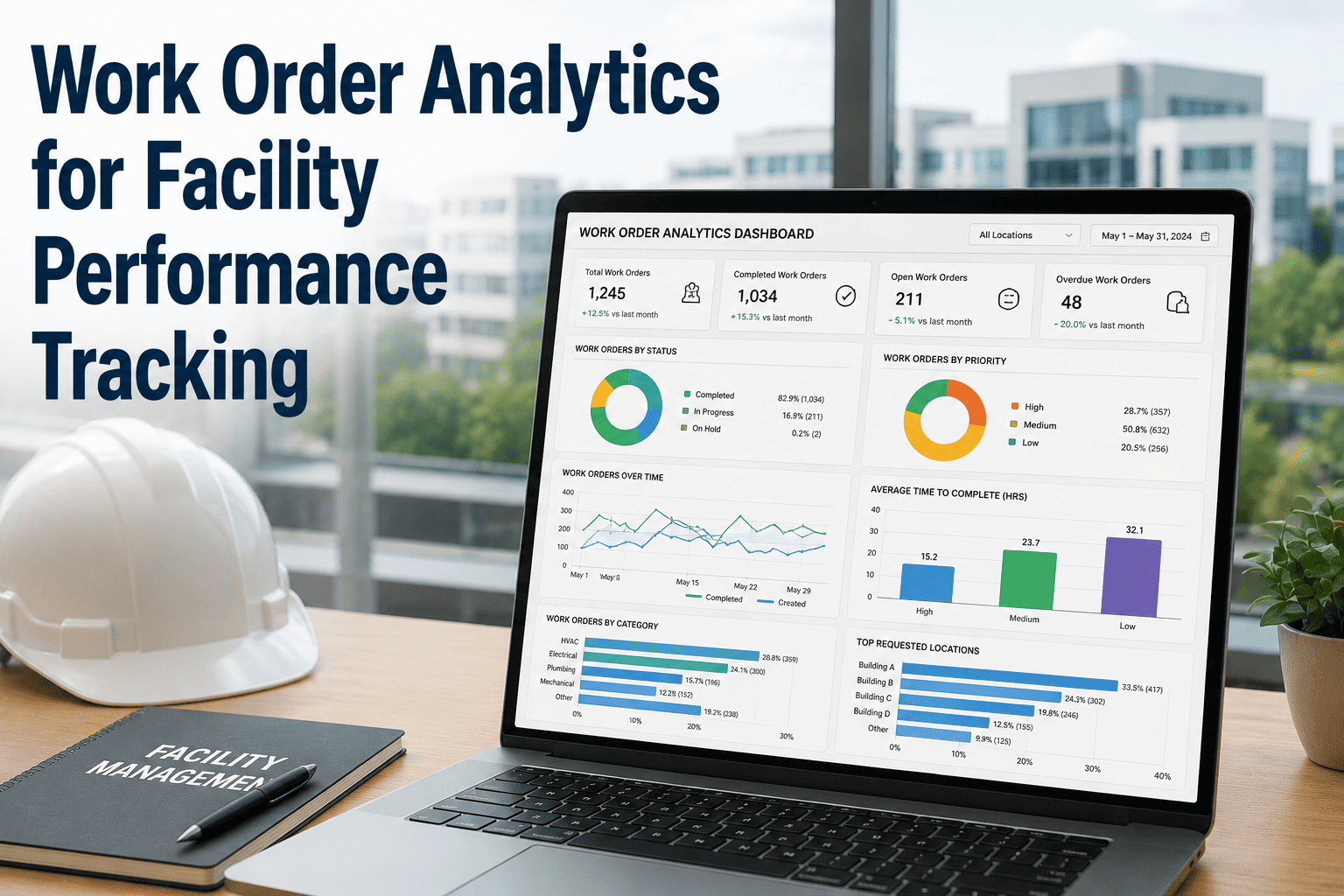
AI surfaces 12–36 months of labor, parts, and contractor spend patterns — flagging seasonal peaks, repeat failures, and outlier costs that skew future projections.
Step 3
Vendor Cost Benchmarking
Contractor and supplier spend is aggregated, benchmarked against industry rates, and flagged for consolidation — giving you negotiation leverage before budget season ends.
Step 4
Risk-Adjusted Forecast Output
Final budget output includes a base forecast, high-risk reserve, and confidence interval — so your leadership team sees the range, not just a single number.
AI Forecasting vs. Traditional Budgeting: By the Numbers
| Metric |
Traditional Budgeting |
Oxmaint AI Forecasting |
| Budget Variance |
15–25% |
Under 7% |
| Cycle Time to Finalize Budget |
4–6 weeks |
Under 2 weeks |
| Vendor Overspend Detection |
Rarely identified |
Auto-flagged with data |
| Risk-Based Reserves |
Flat % assumption |
Asset-specific risk score |
| Board Presentation Quality |
Single number, no context |
Range, confidence, evidence |
"
Facilities that implement AI-driven maintenance budget forecasting consistently report 15–20% reductions in unplanned expenditure within the first year. The key is connecting asset health data to financial planning cycles — something legacy CMMS platforms and spreadsheets simply cannot do at scale.
Frequently Asked Questions
How does Oxmaint AI generate a maintenance budget forecast?
Oxmaint pulls from four data sources — asset health scores, historical work order costs, vendor spend, and risk ratings — to model both expected and worst-case maintenance costs. The output is a structured forecast with confidence ranges, not a single guess. Most facility teams complete their first AI-generated draft budget within the first two weeks on the platform.
Start your free trial to see the forecast module in action.
What data does Oxmaint need to start generating budget forecasts?
Oxmaint can begin forecasting with asset registry data, work order history, and vendor invoices — all of which can be imported from Excel or CSV in the first session. The more historical data available (12+ months of work orders), the higher the forecast accuracy. Sensor and IoT data further improves health scoring, but it is not required to start.
Book a demo to walk through your data readiness.
Can Oxmaint's budget forecast integrate with our ERP or finance systems?
Yes. Oxmaint offers bidirectional connectors for major ERP platforms including SAP and Oracle. Budget forecast outputs can be exported in formats compatible with standard financial planning tools, eliminating manual re-entry and reconciliation work. Teams using ERP integration report saving 10–15 hours per budget cycle on data assembly alone.
Sign up to explore the integration options for your environment.
How accurate are AI maintenance budget forecasts compared to manual methods?
Facilities using AI-powered forecasting typically reduce budget variance from 15–25% (manual methods) to under 7%. The improvement comes from pattern recognition across thousands of work orders — something no human analyst can do manually at scale. Risk-adjusted reserves replace flat percentage assumptions, so high-consequence assets are properly funded.
Book a 30-minute session to see a sample forecast built on your asset class.
Build a Maintenance Budget Leadership Will Actually Trust
Oxmaint AI connects asset health, work order history, vendor costs, and risk scores into one forecast — ready for your next board meeting.