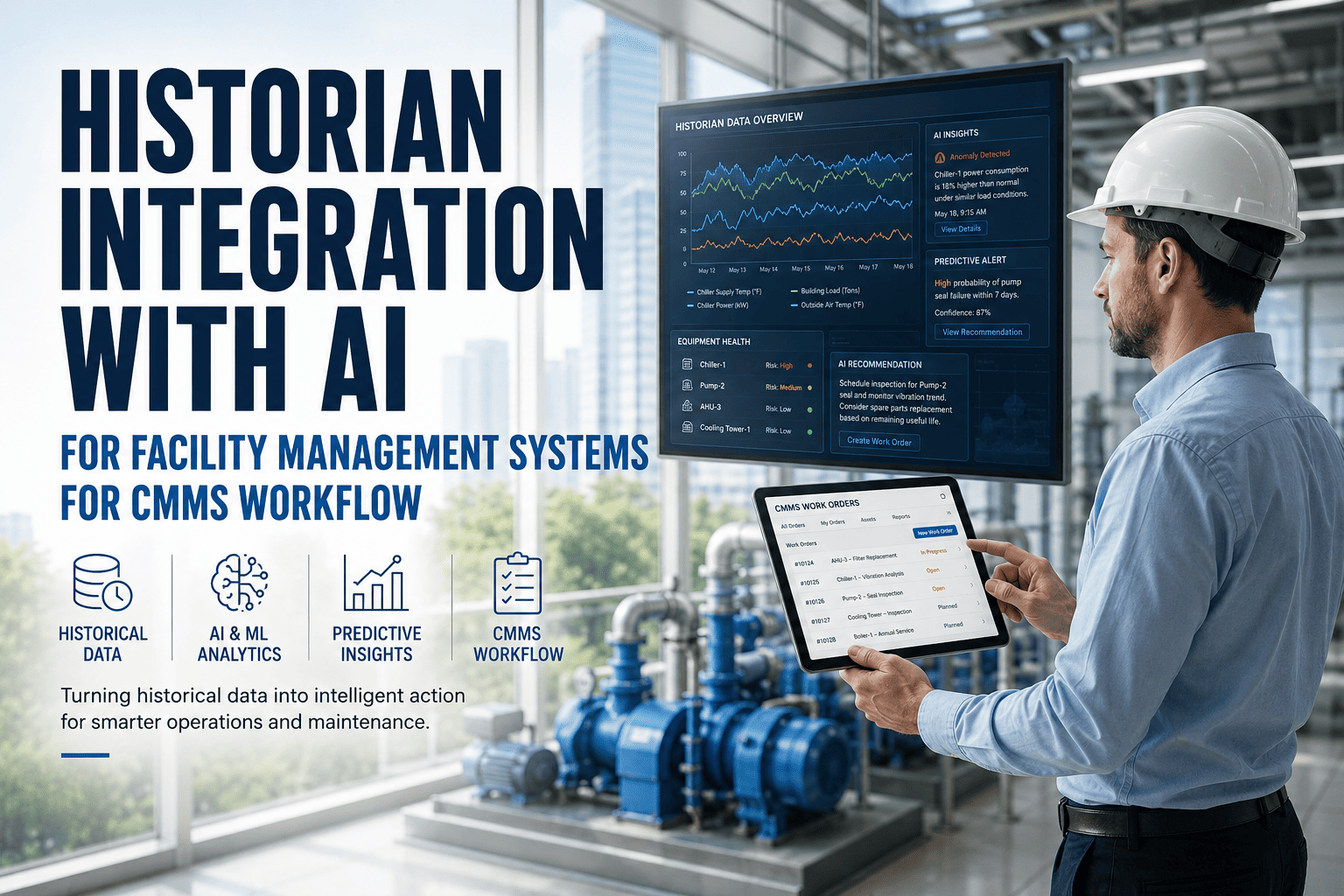
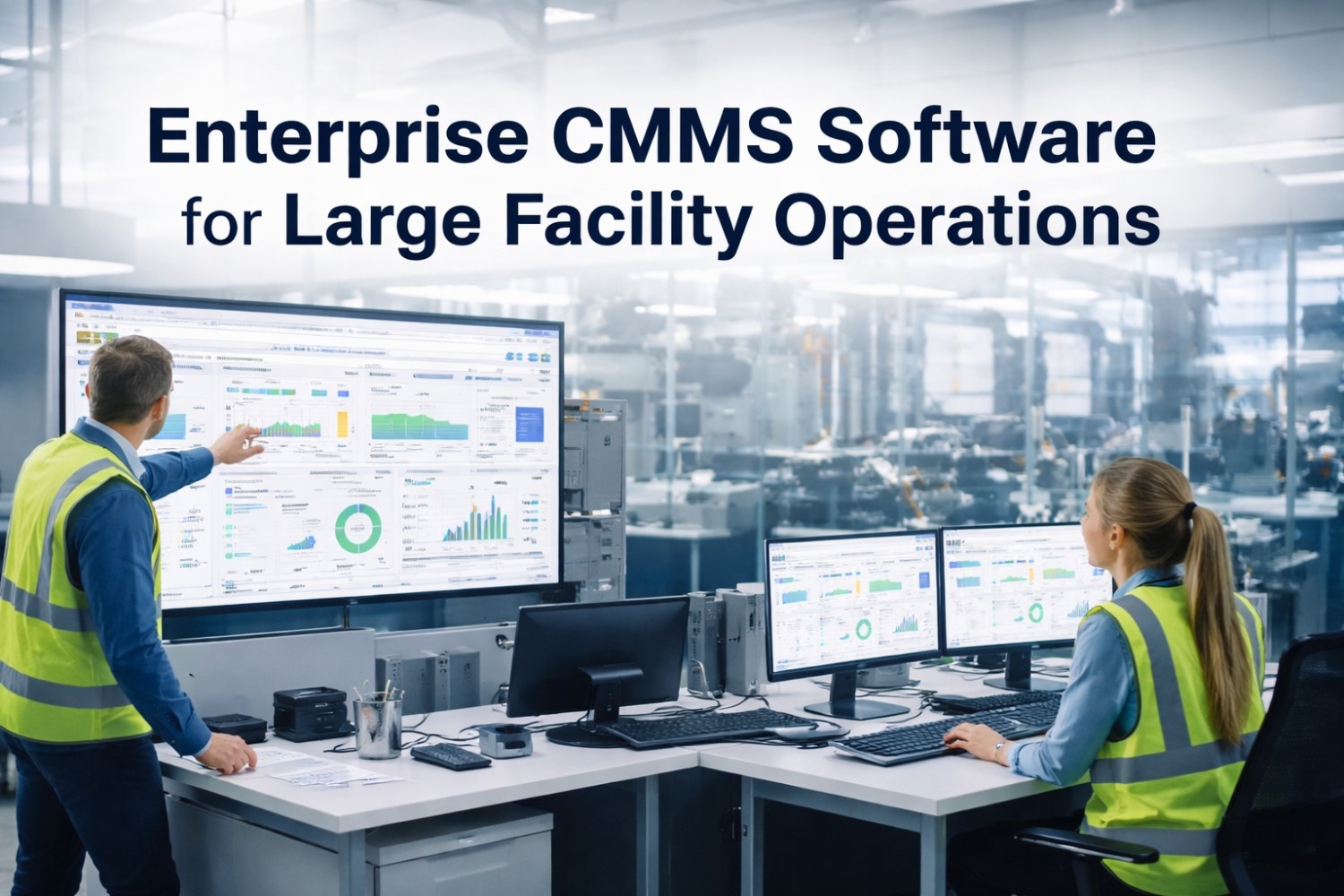
Facility managers evaluating technology platforms consistently encounter three categories of systems that appear to overlap in scope but serve fundamentally different operational roles: the Building Management System (BMS) that controls building infrastructure in real time, the Computerized Maintenance Management System (CMMS) that manages the people and work orders that service that infrastructure, and the Enterprise Asset Management (EAM) platform that tracks the financial and lifecycle position of every asset across the portfolio. Buying the wrong system, or deploying them without understanding how they integrate, is one of the most expensive mistakes in facility technology procurement. This guide defines each system precisely, explains when each is required, and shows how all three work together in a fully integrated facility management technology stack. Book a demo to see how Oxmaint functions as the CMMS and EAM layer in your existing building technology stack.
CMMS Solutions
8-10 min read
67%
of facility managers report using at least two of the three system types without a formal integration between them
41%
of CRE technology budget is spent on systems that duplicate functionality due to unclear role boundaries between BMS, CMMS, and EAM
3.1x
greater operational ROI from integrated BMS-CMMS-EAM stacks versus the same systems deployed independently without data sharing
14 days
typical deployment time for Oxmaint as the CMMS and EAM layer in an existing building technology stack with BAS integration
The Three Systems Defined
BMS / BAS
Building Management System
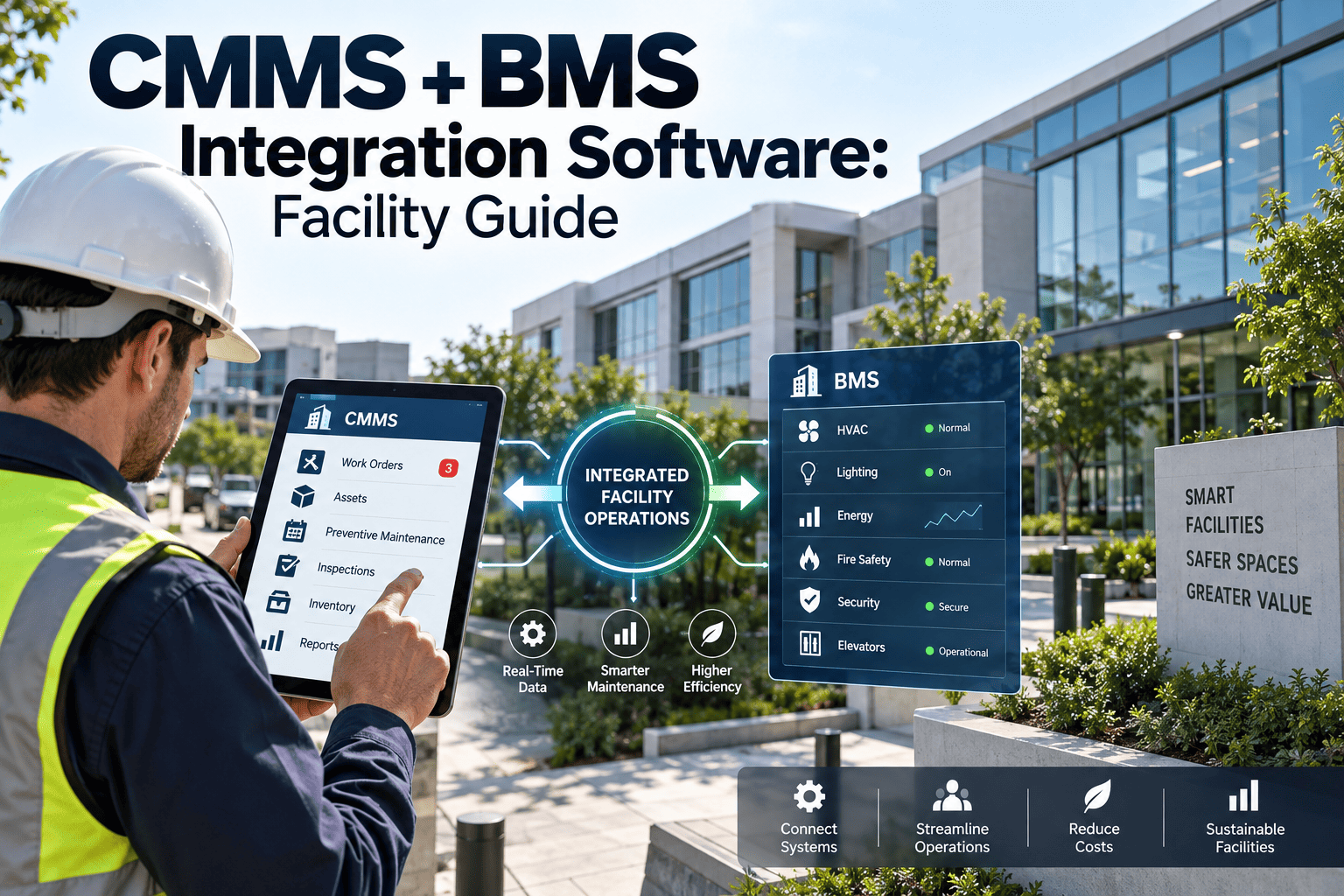
A BMS (also called Building Automation System or BAS) is a control system that monitors and manages building mechanical and electrical equipment in real time. It controls HVAC setpoints, lighting schedules, access control, fire suppression, and energy management - executing automated responses to sensor data without human intervention. A BMS is primarily a control and monitoring system, not a maintenance management or asset tracking system. It tells you what is happening in the building right now; it does not manage the people and processes that fix things when they go wrong.
Siemens Desigo CC
Honeywell EBI
Johnson Controls Metasys
Schneider EcoStruxure
CMMS
Computerized Maintenance Management System
A CMMS manages the maintenance execution layer - work orders, PM scheduling, technician dispatch, parts inventory, and maintenance history documentation. Where a BMS detects a fault, a CMMS creates the work order, assigns the technician, tracks the repair, and records the outcome as a permanent asset maintenance record. A CMMS is the operational system of record for everything that happens after a BMS alert fires. It does not control building systems; it manages the human response to building system conditions.
Oxmaint
Maximo
Fiix
MaintainX
EAM
Enterprise Asset Management
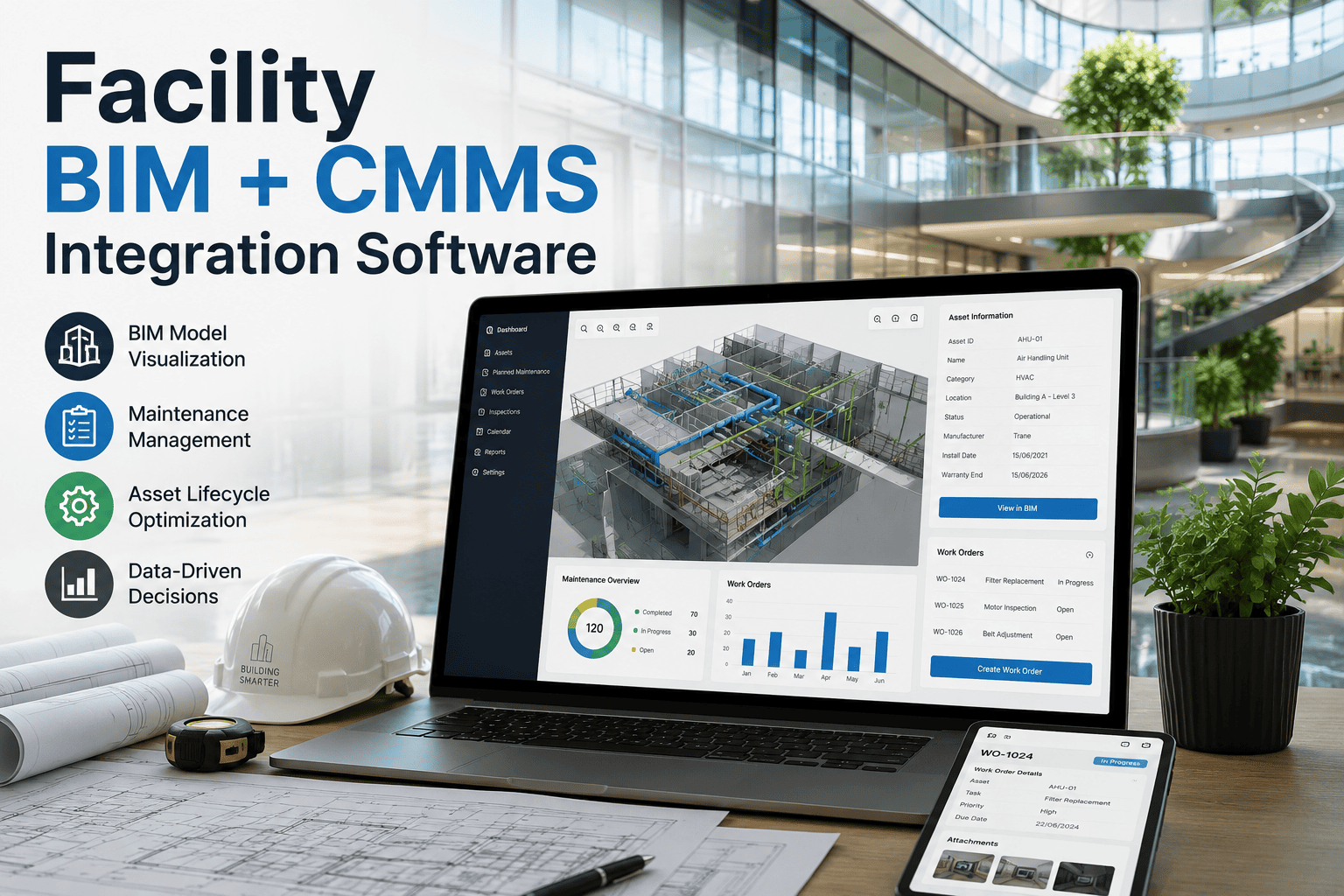
An EAM system manages the full financial and operational lifecycle of physical assets - from acquisition and commissioning through depreciation, maintenance cost tracking, condition assessment, and replacement planning. Where a CMMS tracks what maintenance tasks were completed, an EAM tracks what those tasks cost over the asset's lifecycle, what condition the asset is in today, and when it should be replaced based on remaining useful life calculations. EAM outputs capital forecasts and FCI scores; CMMS outputs work order completion records.
Oxmaint (built-in)
IBM Maximo
SAP PM
Infor EAM
Feature Boundary Comparison
| Capability |
BMS |
CMMS |
EAM |
| Real-time equipment monitoring |
Primary function |
Via sensor integration |
Not a function |
| Automated HVAC, lighting control |
Primary function |
Not a function |
Not a function |
| Work order creation and dispatch |
Not a function |
Primary function |
Partial - strategic work |
| PM scheduling and execution |
Not a function |
Primary function |
Schedule view only |
| Technician dispatch and mobile |
Not a function |
Primary function |
Not a function |
| Asset condition scoring |
Sensor data only |
Via work order history |
Primary function |
| Remaining useful life calculation |
Not a function |
Basic trending |
Primary function |
| CapEx forecasting |
Not a function |
Basic (via Oxmaint) |
Primary function |
| Compliance documentation |
Alarm logs only |
Full work order audit trail |
Asset-level compliance |
| Spare parts inventory |
Not a function |
Primary function |
Procurement integration |
Oxmaint: CMMS and EAM in One Platform
Oxmaint delivers full CMMS functionality (work orders, PM scheduling, mobile dispatch) plus built-in EAM capabilities (FCI scoring, RUL calculation, CapEx forecasting) in a single platform that integrates with your existing BMS. Start free or book a demo to review the integration options for your current building technology setup.
Which System Do You Need?
You need a BMS if...
Your building has no automated HVAC, lighting, or access control and you are spending 20%+ of energy costs on manually-managed systems
You manage a building over 50,000 sq ft where manual equipment monitoring is not operationally feasible without automation
You have energy reporting requirements (LEED, ENERGY STAR, local benchmarking ordinances) that require sub-meter data collection
You want sensor-to-maintenance-action automation that requires real-time equipment state data to trigger conditional work orders
You need a CMMS if...
More than 20% of your maintenance spend goes to emergency reactive repairs that a PM program would have prevented with advance scheduling
You cannot answer "which assets are past their PM date?" without reviewing paper logs or making calls to site managers across your portfolio
Your compliance inspections are tracked on paper and audit preparation takes more than 2 weeks per regulatory cycle
Your technicians receive work assignments by phone or radio and complete work orders on paper that is transcribed later into a spreadsheet
You need EAM if...
Your CapEx budget requests are declined because you cannot provide condition evidence for asset replacement - only cost estimates without data backing
You manage assets worth over $10M and need accurate remaining useful life data for financial reporting, insurance valuation, or investor reporting
You have a portfolio of 5+ properties and need FCI scores and replacement cost forecasts to prioritize capital allocation across sites
Your organization uses total cost of ownership analysis for asset decisions and needs a system that tracks acquisition, maintenance, and disposal costs together
How BMS, CMMS, and EAM Work Together
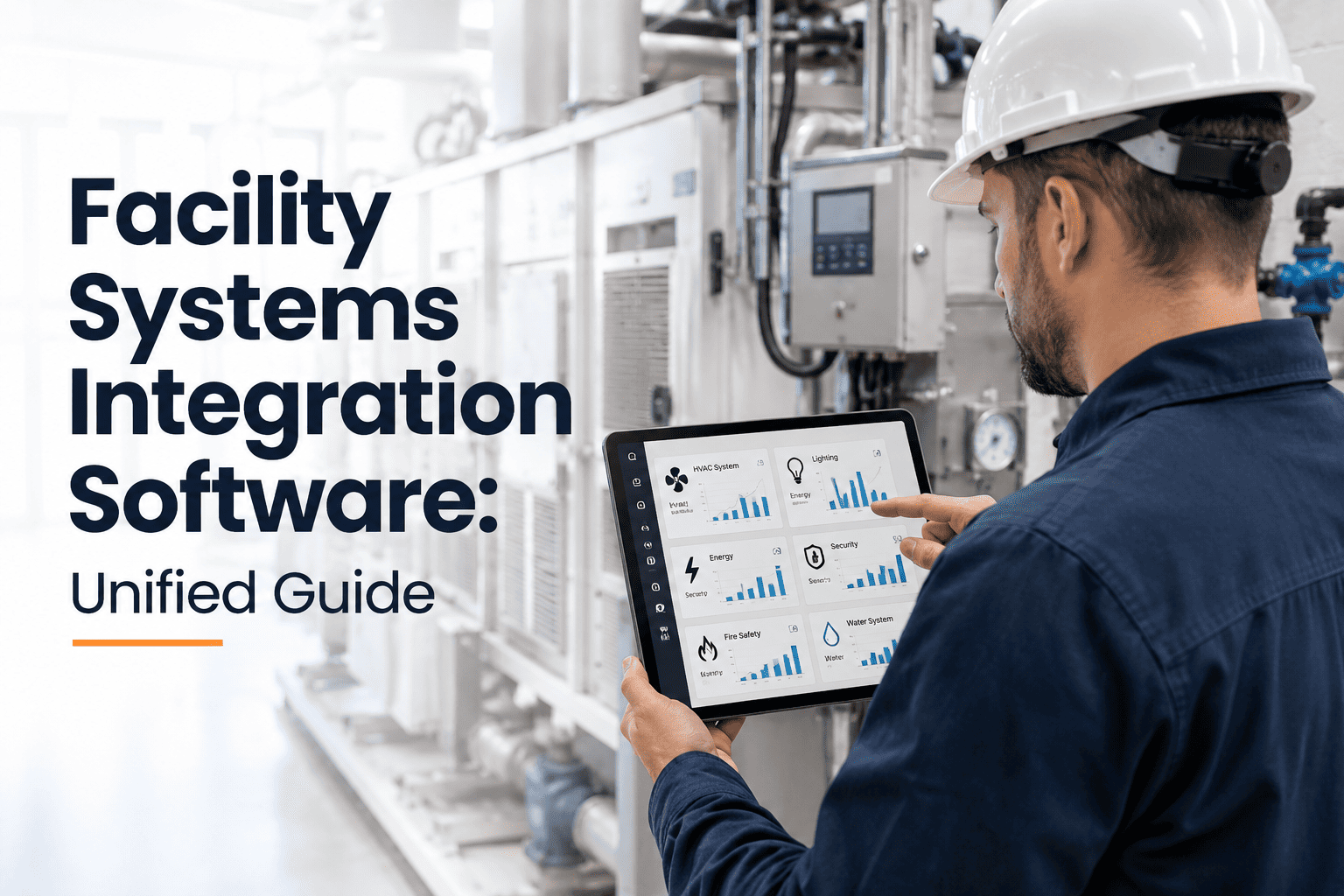
The maximum operational and financial value from all three systems comes from integration rather than independent deployment. The three systems form a sequential operational loop that begins with sensor data and ends with capital decisions backed by real conditions.
01
BMS: Detect and Alert
The BMS detects a chiller fault - bearing temperature 12 degrees above normal threshold. An alert fires to the BAS dashboard and, through the CMMS integration, triggers an automatic work order creation in Oxmaint with the asset ID, fault code, and priority level pre-populated. No human manually bridges the BMS alert to the CMMS work order queue.
02
CMMS: Execute and Document
Oxmaint assigns the chiller work order to the optimal available technician based on skill set and proximity. The technician accesses the asset record, historical fault pattern, and OEM maintenance specs from the mobile app at the equipment. After repair, the technician closes the work order with timestamped completion, photo evidence, and parts used. The repair is permanently documented in the asset's maintenance history.
03
EAM: Score and Forecast
The completed work order updates the chiller's condition score and maintenance cost accumulation in the EAM module. After 3 bearing faults in 18 months, the remaining useful life calculation flags the chiller for replacement in year 2 of the 5-year CapEx forecast. The asset director sees this in the portfolio dashboard 24 months before the failure - enabling a planned replacement at $180,000 versus an emergency replacement at $340,000 with 2 weeks of disruption.
Frequently Asked Questions
QCan Oxmaint replace both a standalone CMMS and a separate EAM platform?
Yes. Oxmaint includes full CMMS functionality (work orders, PM scheduling, mobile dispatch, parts inventory) plus built-in EAM capabilities (FCI scoring, RUL calculation, 5-10 year CapEx forecasting) in a single platform without requiring a separate EAM purchase.
Start free or
book a demo to review the EAM feature set for your portfolio size.
QWhich building types need all three systems versus just one or two?
Buildings over 100,000 sq ft with complex mechanical systems benefit from all three. Smaller commercial buildings (under 50,000 sq ft) typically start with CMMS and add BMS integration as the portfolio grows. Single-asset owners with simple mechanical systems often start with CMMS only.
Book a demo to map the right system combination to your building profile and portfolio size.
QWhat is the integration complexity between BMS and CMMS systems?
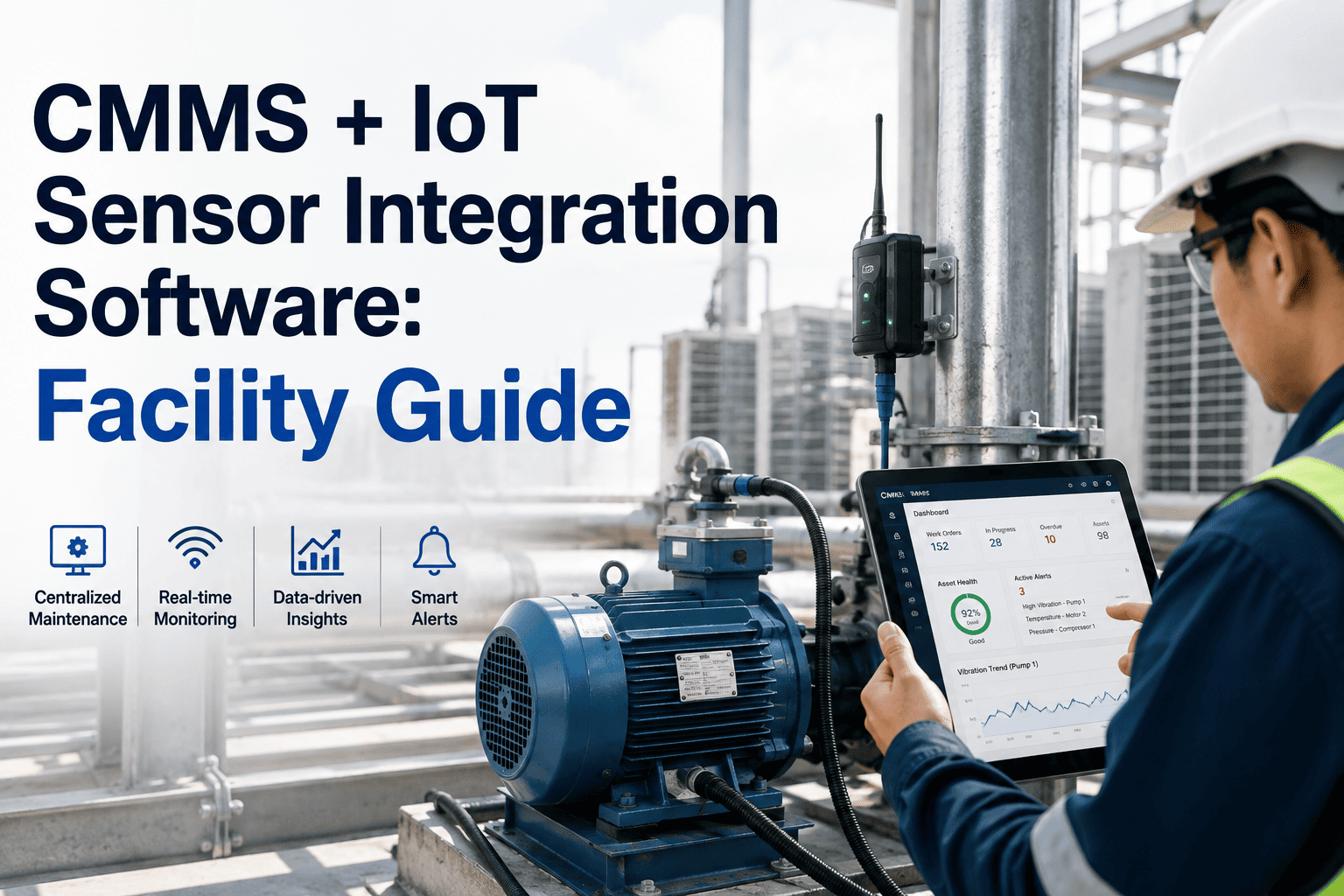
Modern BMS platforms support BACnet, Modbus, and REST API integration that connects to Oxmaint in 3-7 days without IT project work. Legacy BMS systems may require a gateway device, adding 1-2 weeks. Most commercial BMS vendors from the past 15 years support at least one integration protocol natively.
Start free and confirm compatibility with your specific BMS before purchase.
QHow does the decision between CMMS and EAM affect CapEx request approval rates?
Organizations submitting CapEx requests backed by FCI scores and condition data from an EAM module achieve an 88% approval rate. Estimate-based requests without condition evidence achieve 47%. Oxmaint's built-in EAM eliminates the need to buy a separate system to access this reporting capability.
Book a demo to see the CapEx forecast report format accepted by councils and investment committees.
CMMS and EAM in One Platform, BMS-Ready from Day One
Oxmaint delivers the maintenance execution layer (CMMS) and the asset lifecycle intelligence layer (EAM) in a single platform that connects to your existing BMS without replacement or extended implementation. Start your free trial or book a 30-minute demo to see the full platform configured for your building portfolio today.
Continue Reading
Smart Building Technology Stack: IoT, AI & CMMS Integration Guide
Build a complete smart building stack from IoT sensors to AI analytics. Integration protocols, architecture patterns, and ROI benchmarks for facility managers.
Read the Article
AI-Powered Lease Abstraction: Automate Real Estate Document Management
Extract lease terms, dates, and clauses at scale with AI. How Document AI eliminates manual lease review and automates critical date tracking across the portfolio.
Read the Article
AD
Case Study
10 min read
How AI Document Abstraction Saves 80% of Manual Data Entry Time
Real ROI case study showing how AI document abstraction eliminates manual data entry for maintenance logs, contracts, and compliance documentation at scale.
Read the Case Study
Commercial Lease Management Best Practices for Facility Managers
Track critical dates, CAM charges, renewal options, and compliance clauses with proven FM strategies for commercial lease portfolio management.
Read the Blog
Stop Choosing Between CMMS and EAM. Oxmaint Is Both.
Oxmaint delivers work order management, PM scheduling, asset condition scoring, FCI calculation, and CapEx forecasting in one platform that connects to your BMS without replacement or extended implementation. Live in 14 days. Book a 30-minute demo to see the full platform for your building portfolio.