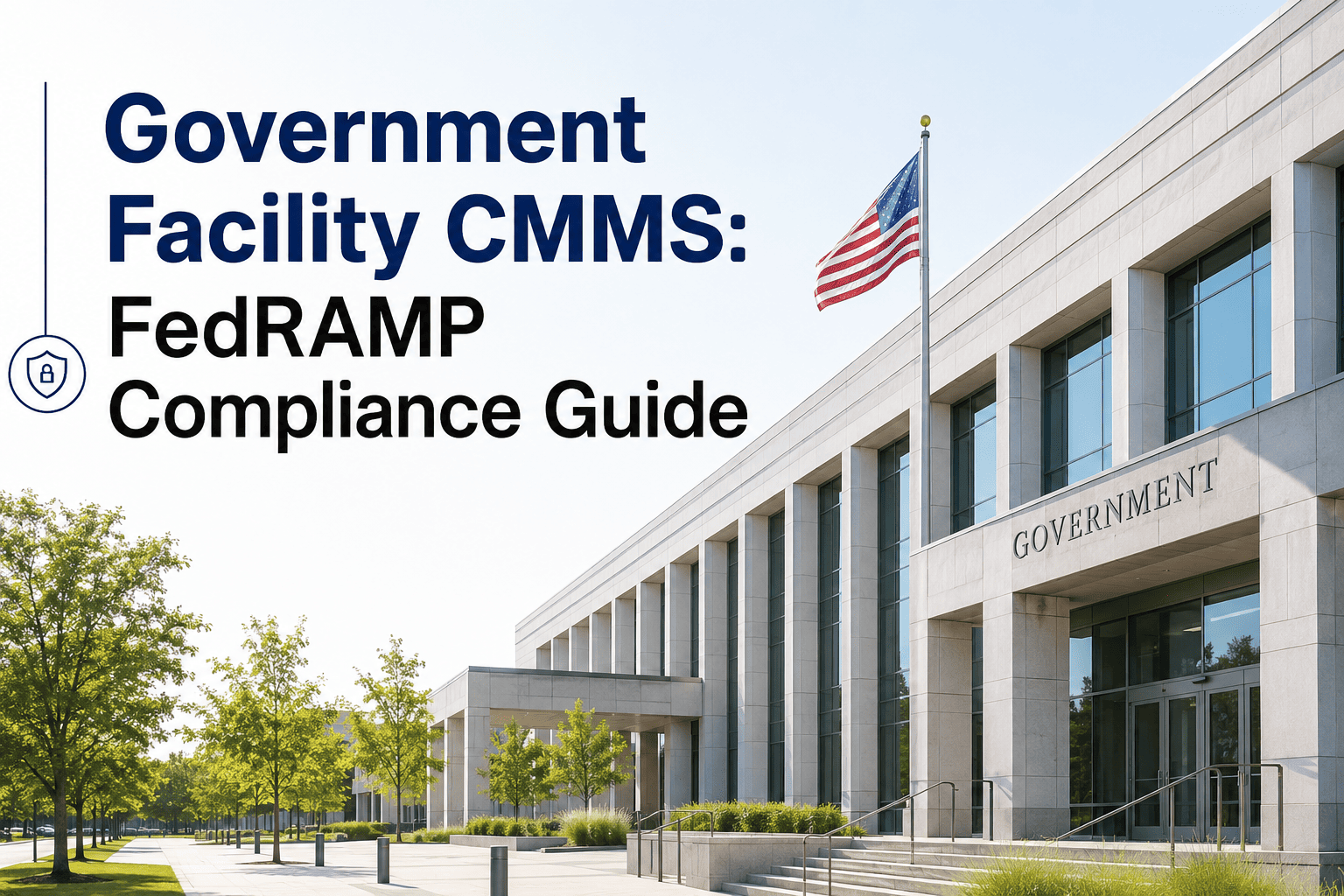
Government facilities — courthouses, municipal buildings, public schools, water treatment plants, transit infrastructure — carry a maintenance obligation that extends beyond cost control. Every deferred inspection, every undocumented repair, and every untracked asset is a public accountability gap. Public sector facility managers face simultaneous pressure from ageing infrastructure, shrinking maintenance budgets, and rising compliance audit requirements — and paper-based or spreadsheet systems cannot keep pace with any of them. A CMMS built for government operations delivers the transparency, asset traceability, and compliance documentation that public agencies need to protect infrastructure investment and satisfy auditors. Start managing your public facility assets in OxMaint — free.
40%
of US public buildings are over 50 years old and require accelerated maintenance investment
$2.6T
Infrastructure investment gap identified in the US alone (ASCE 2021 Report Card)
78%
Of data center and critical facility managers say downtime is preventable with better process controls
3–5x
Higher cost of reactive vs planned maintenance — the gap most public agencies never close
Core Challenges
Why Government Facility Management Is Uniquely Difficult
01
Public Accountability
Every maintenance spend is subject to audit. Government agencies must demonstrate that public funds were spent on legitimate, documented work — not undocumented reactive repairs with no audit trail.
02
Multi-Site Asset Complexity
A municipal government may manage hundreds of assets across schools, parks, offices, water infrastructure, and transit — with no unified register and no consistent maintenance record format.
03
Compliance Across Multiple Frameworks
Public facilities must comply with fire safety, building codes, environmental regulations, occupational health standards, and — depending on jurisdiction — specific government facility maintenance standards simultaneously.
04
Budget Justification
Capital maintenance budgets in the public sector require detailed historical justification. Without a CMMS tracking asset condition trends and maintenance spend per asset, budget requests lack the evidence base to compete for allocation.
CMMS Value Map
How CMMS Addresses Each Government FM Challenge
← Swipe to see full table →
| Challenge |
CMMS Capability |
Outcome |
Audit Evidence Produced |
| Public accountability |
Timestamped work order records linked to technician, asset, cost, and completion status |
Every spend is traceable and documentable on demand |
Work order history, cost logs |
| Asset tracking across sites |
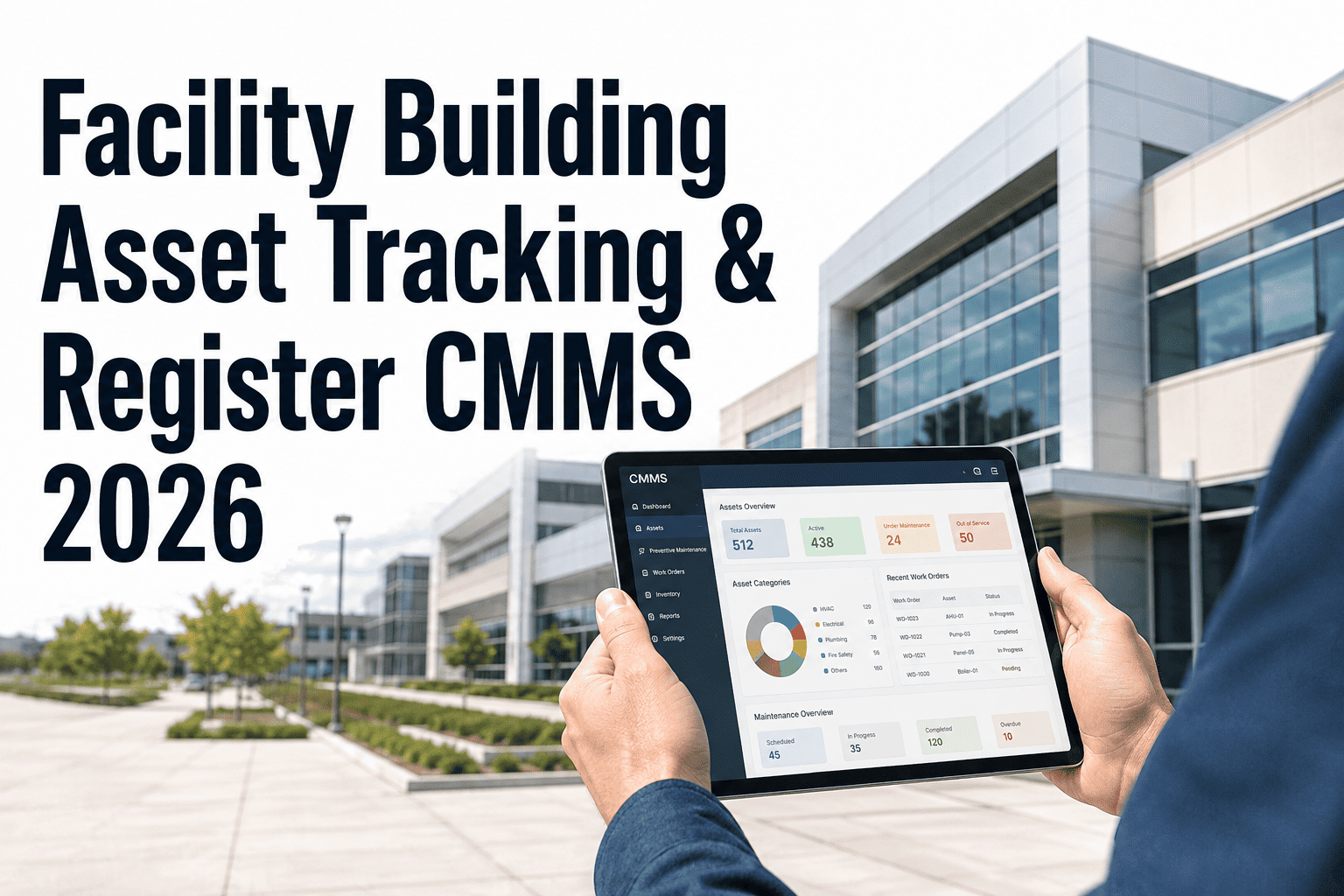
Centralised asset register with location, condition, service history, and lifecycle data |
Full inventory visibility from one dashboard |
Asset register, condition reports |
| Compliance management |
Scheduled inspection work orders with mandatory sign-off; certification expiry tracking |
No compliance deadline missed; auditor-ready evidence produced automatically |
Inspection logs, certification records |
| Budget justification |
Asset spend analysis; reactive vs preventive cost breakdown; lifecycle cost modelling |
Data-backed capital budget submissions with historical evidence |
Cost-per-asset reports, trend analysis |
| Contractor management |
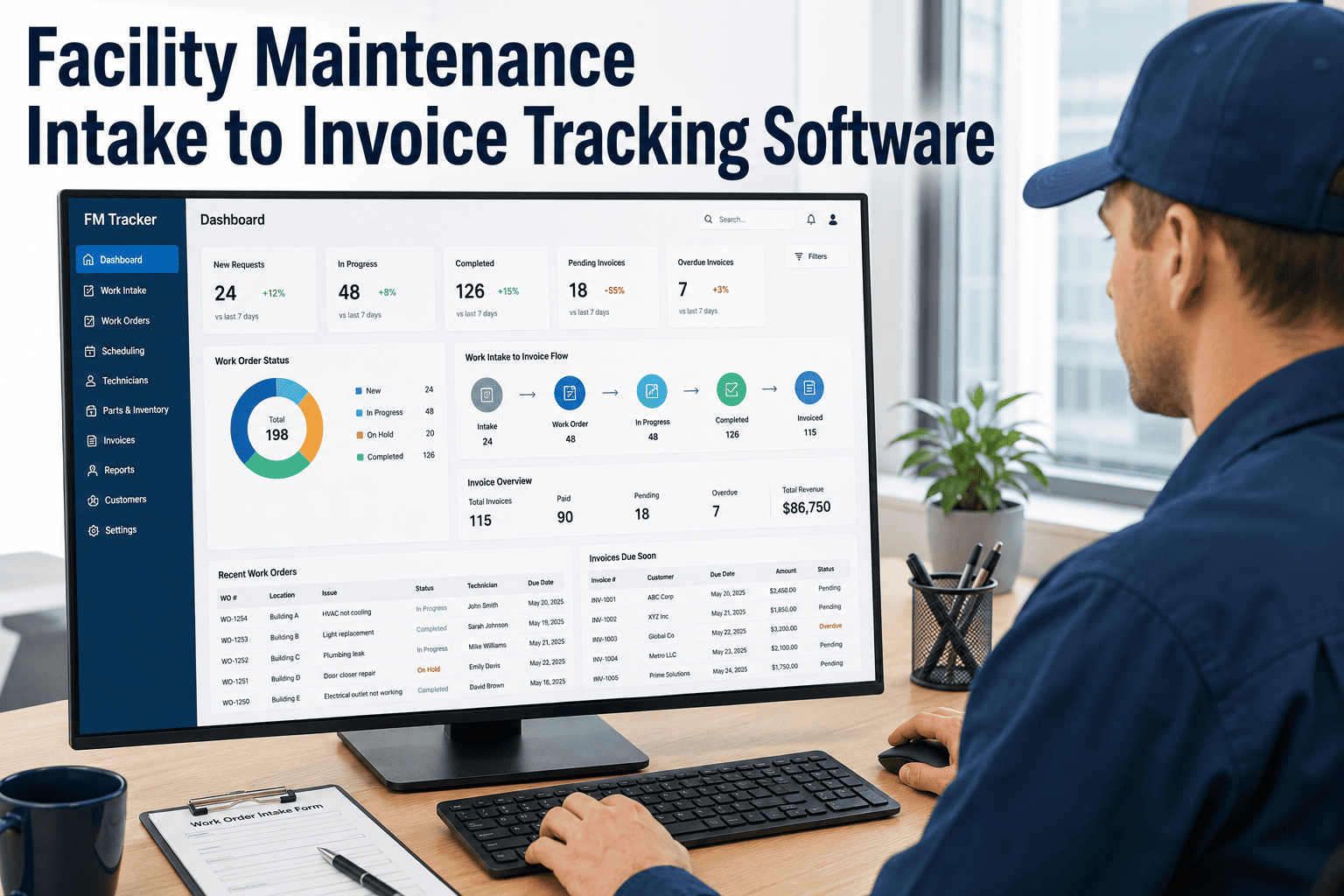
Vendor work order assignment, SLA tracking, and invoice documentation in the same system |
Contractor performance accountable to the same standards as internal teams |
Vendor performance records, SLA reports |
Compliance Frameworks
Key Standards Government Facilities Must Document
Fire Safety
NFPA 101 / Local Building Codes
Annual fire system inspection, exit route verification, sprinkler testing — all with signed completion records
Electrical
NFPA 70E / NEC
Panel inspection, thermographic scanning, arc-flash hazard analysis — documented per asset and location
Accessibility
ADA / Equality Act
Lift, ramp, and accessible facility inspection schedules — recurring work orders with photographic sign-off
Environmental
EPA / Local EHS Regulations
Waste management records, chemical storage inspections, water treatment compliance logs
Structural
Building Safety Act / Local Codes
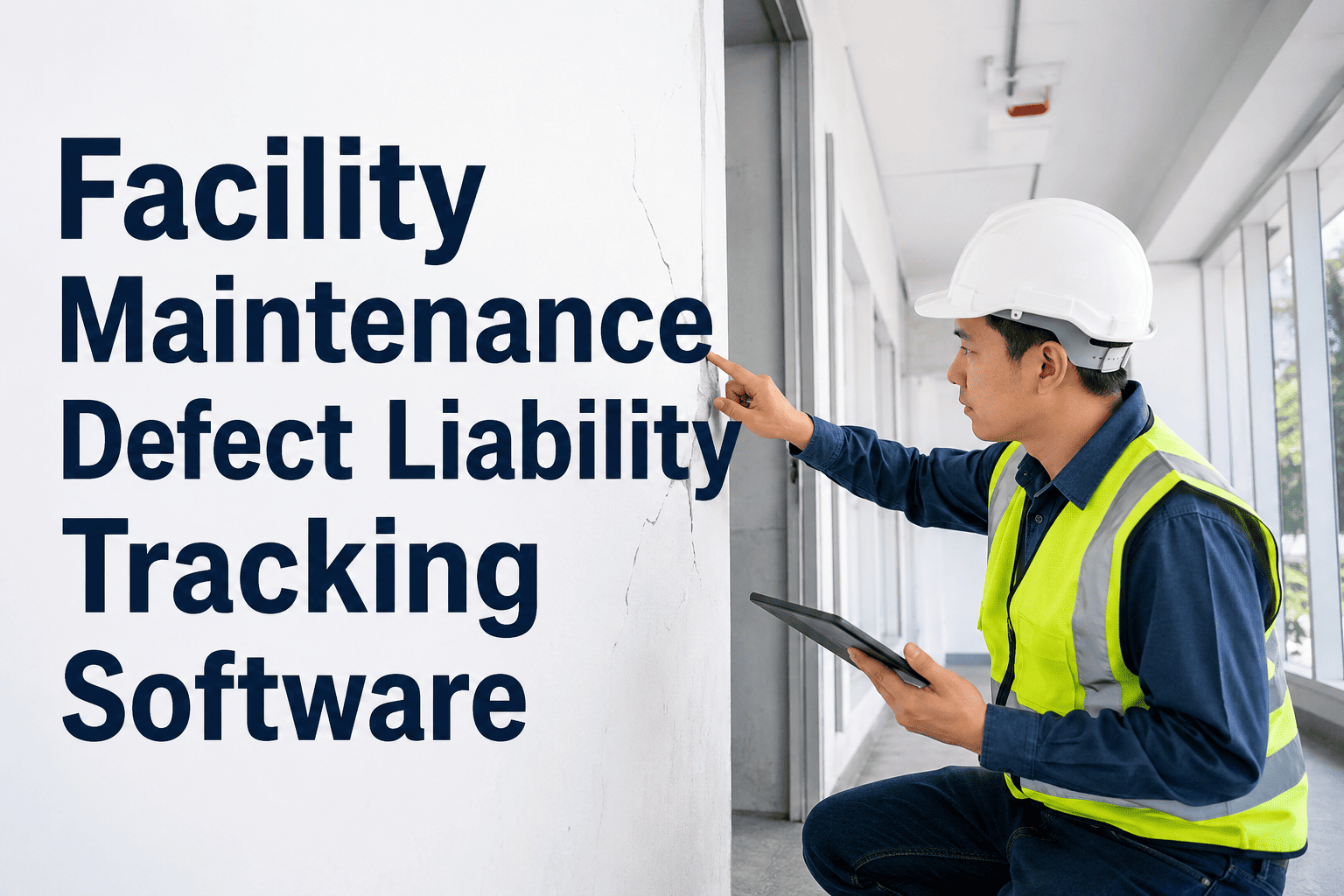
Periodic structural inspection records, façade and roof condition assessments with photographic evidence
Security
ISO 27001 / HSPD-12
Access control system testing, CCTV maintenance logs, physical security audit trail
OxMaint auto-schedules every compliance inspection, tracks certification expiry dates, and produces the audit documentation your next review will require.
Asset Tracking
What a Government Asset Register Should Capture
A CMMS asset register for government facilities goes beyond serial numbers and locations. Each asset record should be a complete operational history that supports both maintenance decisions and financial reporting to oversight bodies.
← Swipe to see full register →
Asset ID & Location
Links work orders to specific public assets — traceable to physical location and responsible department
Physical audit cross-reference
Acquisition Date & Cost
Supports depreciation tracking and replacement planning for public asset stewardship reporting
Capital budget justification
Maintenance History
Complete record of every repair, inspection, and PM — demonstrates due diligence to auditors
Compliance audit evidence
Warranty & Contract Terms
Prevents spending public funds on repairs covered by active warranties or service contracts
Procurement audit
Condition Rating
Current condition score supports prioritised maintenance budget allocation and replacement planning
Infrastructure investment reports
Expert Perspective
What Public Sector FM Professionals Say
"Public facility managers are always one audit away from a difficult conversation. The question is never whether inspections were done — it is whether there is a documented, timestamped record that proves they were done, who did them, and what was found. Paper logs and spreadsheets cannot answer that question reliably. A CMMS can, and it can answer it in seconds."
Director of Public Works, municipal government — 16 years managing civic infrastructure and compliance
"The budget argument for preventive maintenance in government is straightforward when you have the data. Show the council that reactive repairs on a given asset cost three times what scheduled PM costs — backed by three years of CMMS records — and the capital allocation conversation changes entirely. Without that data, you are asking for trust. With it, you are presenting evidence."
Government Facilities Asset Manager, state infrastructure authority — 20 years in public sector asset management
FAQs
Frequently Asked Questions
What makes a CMMS different for government facilities vs private sector?
Government CMMS deployments place a higher emphasis on audit trail integrity, public accountability documentation, and multi-agency asset tracking than private sector implementations. The ability to produce timestamped, tamper-evident maintenance records on demand — for compliance audits, freedom of information requests, or capital budget reviews — is essential in the public sector. OxMaint provides role-based access controls, immutable work order history, and compliance-ready reporting built for these requirements.
Start your government facility asset register in OxMaint free.How does CMMS help with government facility compliance across multiple regulatory frameworks?
OxMaint manages compliance by converting each regulatory requirement into a scheduled, mandatory work order with a defined completion standard. Certification expiry dates are tracked per asset — the system alerts facility managers 30, 60, and 90 days before a deadline. Every completed inspection generates a signed, timestamped record that can be exported for an auditor immediately. This replaces the manual tracking burden that causes most compliance gaps in public facilities.
Book a demo to see the compliance tracking workflow.Can OxMaint support multi-department or multi-agency government facility management?
Yes. OxMaint supports multi-site, multi-department configurations where each department or agency maintains its own asset register and work order history, while central facilities management has consolidated visibility across all sites. Role-based access ensures that department-level technicians and managers only see their own data, while central FM and audit functions can access the full portfolio. This structure supports both operational autonomy and central oversight.
Create your government facility account free and configure multi-site access.
Public Accountability Starts with a Complete Maintenance Record.
OxMaint gives government facility teams the asset tracking, compliance scheduling, and audit documentation tools to meet every accountability standard — with zero paper and full transparency.


.jpeg)
