Every fleet facility manager knows the morning ritual: drivers climbing into cabs, engines turning over, and vehicles rolling out to meet the day's demands. But between the ignition and the open road sits a critical compliance checkpoint that separates safe, profitable fleets from those hemorrhaging money on fines, breakdowns, and preventable accidents. The Driver Vehicle Inspection Report (DVIR) is federally mandated under FMCSA regulation 49 CFR 396.11, requiring every commercial motor vehicle driver to conduct pre-trip and post-trip inspections and formally document the condition of their vehicle. Yet across thousands of fleet facilities, DVIRs are still managed with paper clipboards, illegible handwriting, and filing cabinets that no one opens until an auditor shows up. The result? Fines ranging from $1,270 to over $15,000 per violation, missed defects that escalate into costly breakdowns, and CSA scores that quietly erode your operating authority. Oxmaint CMMS digitizes the entire DVIR workflow — from pre-trip checklists to defect resolution tracking — giving fleet managers real-time visibility into every vehicle's inspection status, compliance posture, and maintenance needs. Schedule a demo to see how it works for your fleet.
Start of Shift
Vehicle in Service
End of Shift
Fix Defects
Mechanic Sign-off
The DVIR Checklist: What Drivers Must Inspect
Federal regulations under 49 CFR 396.11 specify the minimum vehicle components that every driver must inspect before and after each trip. Missing even a single item can trigger a violation during a DOT roadside inspection, lower your CSA score, and put your fleet's operating authority at risk. Here is the complete FMCSA-mandated DVIR inspection checklist that your digital inspection management system should cover:
- Service brakes and pads
- Parking brake operation
- Trailer brake connections
- Air brake pressure / leaks
- ABS indicator lights
- Headlights / tail lights
- Turn signals / hazards
- Clearance and marker lights
- Reflectors and reflective tape
- Windshield wipers / washers
- Tire pressure and tread depth
- Lug nut tightness
- Rim damage or cracks
- Valve stems and caps
- Spare tire condition
- Fifth wheel / coupling devices
- Cargo securement
- Doors and latches
- Landing gear
- Kingpin condition
- Oil level and leaks
- Coolant level
- Power steering fluid
- Exhaust system integrity
- Belt and hose condition
- Fire extinguisher
- Warning triangles / flares
- Horn operation
- Mirrors and glass
- Seat belt functionality
Digitize Your Entire DVIR Checklist
Oxmaint provides customizable pre-trip and post-trip inspection templates with photo capture, pass/fail checkboxes, and instant defect alerts — all from your driver's phone.
Paper vs. Digital DVIRs: The Real Cost Comparison
Most fleet facilities still rely on paper-based DVIR processes — carbon-copy forms stacked in filing cabinets, defect reports that take hours to reach the maintenance bay, and inspection records that disintegrate before the 90-day retention period ends. Transitioning to a digital DVIR system through a platform like eliminates these inefficiencies and transforms compliance from a burden into a competitive advantage.
The DVIR Compliance Penalty Escalation
Non-compliance with DVIR regulations does not stay small. What begins as a single missed inspection report can quickly cascade into compounding penalties, out-of-service orders, and degraded CSA scores that affect your entire operation. The FMCSA updated civil penalty amounts for 2025, and enforcement has become more aggressive — offsite audits surged 400% between 2019 and 2020, with carriers sometimes receiving as little as 48 hours' notice to produce all records digitally.
Missed or Incomplete DVIR
Driver fails to complete or sign a required inspection report. Each occurrence is a separate violation.
Falsified DVIR Records
Providing false information on an inspection report — including marking items as "pass" without actually inspecting.
Failure to Repair Reported Defects
Motor carrier fails to repair and certify defects identified in DVIR before returning the vehicle to service.
Pattern of Non-Compliance
Repeated violations compound into higher per-incident fines, lower CSA scores, increased audit frequency, and potential out-of-service orders.
What Oxmaint Tracks for Every Vehicle, Every Shift
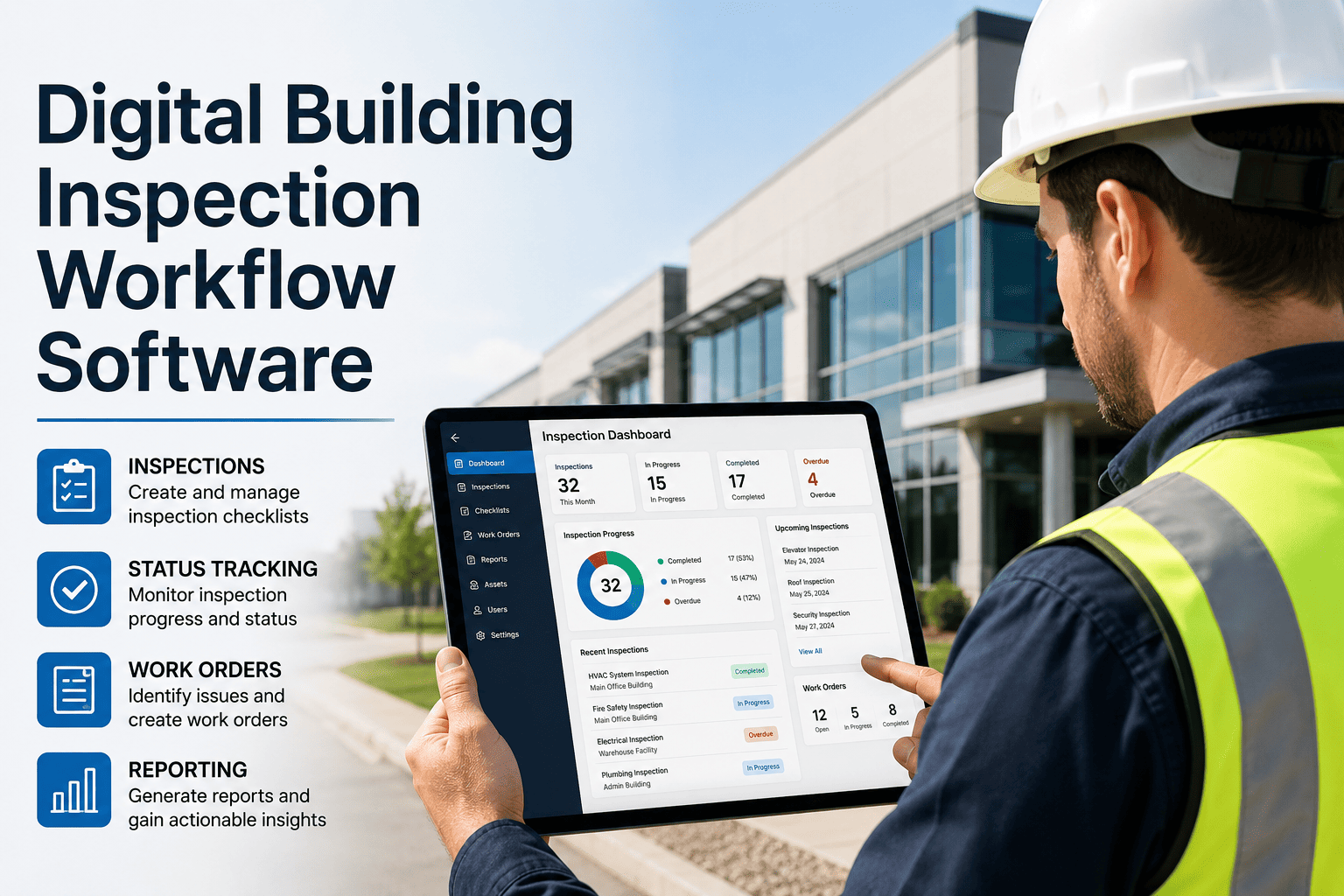
A digital DVIR system is only as good as the data it captures and the actions it triggers. Oxmaint's asset management platform creates a complete digital record for every vehicle in your fleet, linking inspection data directly to work orders, parts inventory, and compliance reporting:
- Pre-trip and post-trip DVIR submissions
- Driver signature and timestamp
- GPS location at time of inspection
- Photo and video evidence of defects
- Time spent on each inspection
- Pass/fail status per checklist item
- Defect severity classification
- Automatic work order generation
- Mechanic assignment and tracking
- Repair completion certification
- Parts used for each repair
- Time from defect to resolution
- Fleet-wide DVIR completion rate
- Vehicles with overdue inspections
- Open defects by severity
- Driver compliance scorecards
- Audit-ready report generation
- 90-day retention auto-archive
- Vehicle uptime percentage
- Most common defect types
- Average repair turnaround time
- Maintenance cost per vehicle
- Driver inspection accuracy trends
- Preventive vs. reactive repair ratio
Automate Defect-to-Work-Order in One Click
When a driver flags a defect, Oxmaint instantly creates a work order, notifies the mechanic, and tracks resolution — closing the loop before the next shift begins. Learn more about automated work orders.
The DVIR Workflow: From Inspection to Resolution
A well-designed DVIR process ensures that no defect slips through the cracks. Here is how the complete inspection-to-resolution cycle works when powered by Oxmaint's preventive maintenance platform:
Driver Opens Mobile App
Before starting their shift, the driver opens the Oxmaint app and selects their assigned vehicle. The system automatically loads the correct inspection template for that vehicle type.
Guided Pre-Trip Inspection
The driver walks through the 360-degree inspection using the guided checklist. Each item is marked pass or fail, with mandatory photo capture for any failed items.
Digital Signature and Submission
The driver signs the completed DVIR electronically. The report is timestamped, geotagged, and instantly uploaded to the Oxmaint cloud.
Instant Defect Alerts
If any defect is flagged, the fleet manager and maintenance team receive immediate push notifications. Critical defects trigger automatic out-of-service holds.
Work Order and Repair
Oxmaint auto-generates a work order with defect details and photos. The mechanic completes the repair and certifies resolution within the system.
Next Driver Acknowledgment
The next driver to use the vehicle sees the repair certification and confirms the issue is resolved — completing the FMCSA-compliant documentation chain.
Stop Paper-Based DVIRs — Go Digital Today
Oxmaint gives your fleet facility a complete digital DVIR solution: customizable checklists, instant defect alerts, automated work orders, mechanic sign-off tracking, and audit-ready compliance reports — all from one platform.
Frequently Asked Questions
What is a DVIR and who is required to complete one?
A DVIR (Driver Vehicle Inspection Report) is a formal document confirming that a commercial motor vehicle driver has inspected their vehicle before and after each shift. It is mandated by the FMCSA under 49 CFR 396.11 for all commercial motor vehicles with a gross vehicle weight rating (GVWR) of 10,001 pounds or more. Drivers must conduct both a pre-trip inspection at the start of their shift and a post-trip inspection at the end, documenting any mechanical defects or safety issues found. Passenger-carrying vehicle drivers must submit a DVIR after every shift regardless of whether defects are found, while other CMV drivers are only required to submit when defects are present or previously reported.
What are the penalties for DVIR non-compliance?
FMCSA penalties for DVIR violations can be significant. Failing to complete or sign a DVIR carries a fine of approximately $1,270 per occurrence. Providing false information on an inspection report — including marking items as passing without actually checking them — can result in a fine of around $12,700. Failing to repair reported defects before returning a vehicle to service can cost approximately $15,420 per violation. Beyond direct fines, DVIR violations negatively impact your CSA (Compliance, Safety, Accountability) score, which can trigger increased audit frequency, higher insurance premiums, and in severe cases, suspension of operating authority.
How long must DVIR records be retained?
Federal regulations require motor carriers to retain DVIR records for a minimum of 3 months (90 days) from the date the report was submitted. This includes the original inspection report, any repair certifications, and the next driver's acknowledgment of the vehicle's condition. With FMCSA's increased use of offsite audits — which surged 400% between 2019 and 2020 — carriers may receive as little as 48 hours' notice to produce records digitally. A digital DVIR system like Oxmaint automatically archives all records with 12+ months of searchable history, making audit response immediate rather than a scramble through filing cabinets.
What items must be included on a DVIR checklist?
The FMCSA mandates inspection of specific vehicle components under 49 CFR 396.11. The minimum checklist includes: service brakes (including trailer brake connections), parking brake, steering mechanism, lighting devices and reflectors, tires, horn, windshield wipers, rear vision mirrors, coupling devices, wheels and rims, and emergency equipment. The report must also include the date, vehicle identification (license plate, fleet ID, or VIN), and the driver's signature. If defects are found and repaired, a mechanic's certification of the repair and the next driver's acknowledgment are also required.
How does digital DVIR software improve fleet compliance?
Digital DVIR software transforms compliance from a paper-based burden into an automated workflow. Key advantages include: guided checklists that ensure no inspection items are skipped, photo and video documentation that provides evidence of actual inspection (reducing pencil whipping), automatic timestamps and GPS tagging that verify when and where inspections occurred, instant defect notifications to fleet managers and mechanics for faster resolution, and automated record retention that eliminates lost or damaged paperwork. Oxmaint also tracks inspection completion rates across your entire fleet, flagging drivers or vehicles that miss DVIRs before they become compliance violations.