A fire safety inspection failure at a commercial building is not just a regulatory citation - it is a coverage exclusion trigger, a lease violation, and in the event of an actual fire, personal liability for the facility manager who signed the last inspection log. 86% of commercial building fire fatalities occur in structures where at least one fire safety system was found non-compliant at the most recent inspection. This checklist covers every fire safety system category required for NFPA 72, NFPA 101, and local fire code compliance in commercial buildings with item-level severity ratings and documentation requirements at each step. Book a demo to see how Oxmaint digitizes this checklist with photo documentation, auto-generated compliance records, and corrective action work orders on every flagged item.
Checklist - Compliance & Reporting
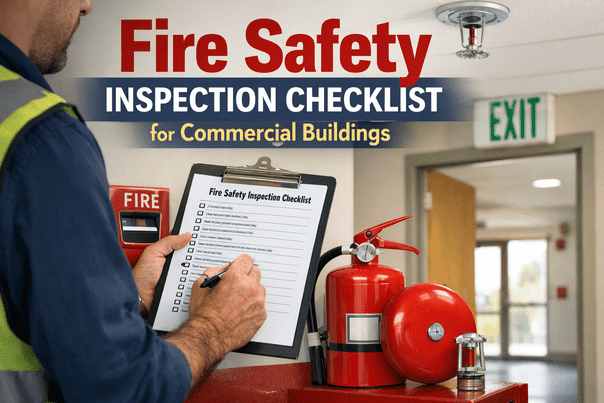
Fire Safety Inspection Checklist for Commercial Buildings
6 Sections - 48+ Items - NFPA 72/101 Aligned
86%
of commercial building fire fatalities occur in structures with at least one non-compliant fire safety system at last inspection
$156K
maximum OSHA penalty per serious fire safety violation at commercial facilities under 2026 enforcement levels
Monthly
minimum fire extinguisher inspection frequency under NFPA 10 for all commercial occupancy types without exception
Annual
fire alarm system inspection requirement under NFPA 72 with full device-level test records retained on file
How to Use This Checklist
1Complete each section in sequence. Mark each item Pass, Action Required, or Critical before moving to the next item in the section.
2Photograph every item marked Action Required or Critical with the asset clearly visible before marking it on the inspection form.
3Record inspector name, date, building name, and occupancy type as header data before starting any inspection section.
4Any Critical item requires immediate escalation to the facility manager before leaving the inspection location.
Severity Key
CriticalImmediate action required
ActionSchedule within 30 days
MonitorLog and reinspect next cycle
PassMeets acceptance criteria
Section 1
Fire Alarm System
NFPA 72Annual Inspection
Control Panel and Detection Devices
Notification Devices and Monitoring
Section 2
Sprinkler System
NFPA 25Quarterly Flow Test
Sprinkler Heads and Piping
Control Valves and Water Supply
Section 3
Fire Extinguishers
NFPA 10Monthly Inspection
Placement, Condition, and Service Records
Digitize This Checklist with Photo Documentation and Auto Compliance Records
Oxmaint converts every item in this checklist into a digital inspection form - photo capture for each flagged item, auto-generated compliance records, and corrective action work orders created automatically for every Critical or Action finding. Start free or book a demo to see the fire safety inspection module in action for your buildings.
Section 4
Emergency Egress and Exit Signage
NFPA 101Monthly Inspection
Exit Signs and Emergency Lighting
Exit Doors and Egress Paths
Inspection Sign-Off Record
How Oxmaint Digitizes This Fire Safety Inspection Checklist
Feature 01
Section-Based Digital Forms on Mobile
Each of the 6 sections in this checklist is a separate digital inspection form in Oxmaint, with all line items pre-loaded. Inspectors complete items on mobile at the equipment location, with mandatory photo capture required for any item rated Action or Critical before the item can be saved and the section closed.
Feature 02
Auto Corrective Action Work Orders
Every item rated Critical or Action automatically generates a linked corrective action work order with the finding description, photo evidence, and asset location pre-populated. Work orders are assigned priority and target completion date from the inspection screen without additional data entry required from the inspector completing the field inspection.
Feature 03
NFPA-Tagged Compliance Records
Every completed inspection generates a timestamped, inspector-attributed compliance record tagged to the applicable NFPA standard - 72, 25, 10, 101, or 80. Records are searchable by standard, date, building, or item type and exportable for fire marshal, insurance auditor, or OSHA review within seconds of inspection completion with no additional preparation.
Feature 04
Deadline Alerts Across All Buildings
Monthly extinguisher, quarterly sprinkler, and annual alarm inspection deadlines are scheduled automatically across all buildings. Automated alerts fire at 30, 14, and 3 days before each deadline. Portfolio compliance health score shows which buildings are current, which are approaching deadlines, and which have open corrective actions on one dashboard view.
Frequently Asked Questions
QHow often must fire extinguishers be inspected at commercial buildings?
NFPA 10 requires monthly visual inspection by building staff and annual maintenance by a certified technician. Hydrostatic testing intervals vary by extinguisher type.
Start free or
book a demo to see Oxmaint's extinguisher inspection scheduling configured automatically by building and occupancy type.
QWhat fire safety documentation does a fire marshal require at a commercial building?
Fire marshals typically require the most recent fire alarm inspection report, sprinkler test records, extinguisher inspection logs, and fire door inspection records. Oxmaint generates all four in a single exportable package in under 60 seconds.
Book a demo to see the fire marshal documentation export for your building type.
QCan Oxmaint track fire safety inspections across multiple buildings on one dashboard?
Yes. Oxmaint's compliance dashboard shows fire safety inspection status, upcoming deadlines, and open corrective actions across every building in the portfolio on one view. Portfolio managers see all buildings; site managers see only their building.
Start free to begin tracking multi-building fire compliance immediately.
QWhat happens when a Critical item is found during the fire safety inspection?
In Oxmaint, marking an item Critical automatically generates a corrective action work order and sends an alert to the facility manager and designated supervisor. The inspection record is flagged as requiring resolution before the next compliance cycle closes.
Book a demo to see the Critical item escalation workflow for your team.
Run This Fire Safety Inspection Digitally on Your Next Round
Oxmaint deploys digital fire safety inspection forms with photo documentation, auto-generated NFPA-tagged compliance records, and corrective action work orders for every commercial building in your portfolio. Start your free trial or book a 30-minute demo to see the fire safety inspection module configured for your building types today.
Continue Reading
The Complete Facility Manager's Guide to Digital Transformation
Step-by-step roadmap covering CMMS, IoT, AI, and mobile-first maintenance strategies for transitioning from paper to digital facility operations.
Read the Article
Facility Compliance Management: OSHA, Fire Codes & Insurance Requirements
Navigate OSHA, NFPA, and insurance compliance with AI-driven tracking that ensures you never miss a critical inspection deadline across your portfolio.
Read the Article
OSHA Facility Maintenance Compliance Checklist 2026
Free OSHA compliance checklist covering lockout/tagout, electrical safety, fall protection, and hazard communication for facility maintenance teams in 2026.
View the Checklist
Building Code Compliance Tracking with AI: Automate Audit Readiness
Automate building code compliance with AI - real-time dashboards, auto-alerts, and digital inspection records that keep your facility audit-ready year-round.
Read the Blog
Never Miss a Fire Safety Inspection Deadline Again
Oxmaint automates fire safety inspection scheduling, digitizes every checklist item with photo documentation, and generates NFPA-tagged compliance records at every inspection completion across your entire building portfolio. Book a 30-minute demo to see the fire safety module configured for your buildings today.


.jpeg)