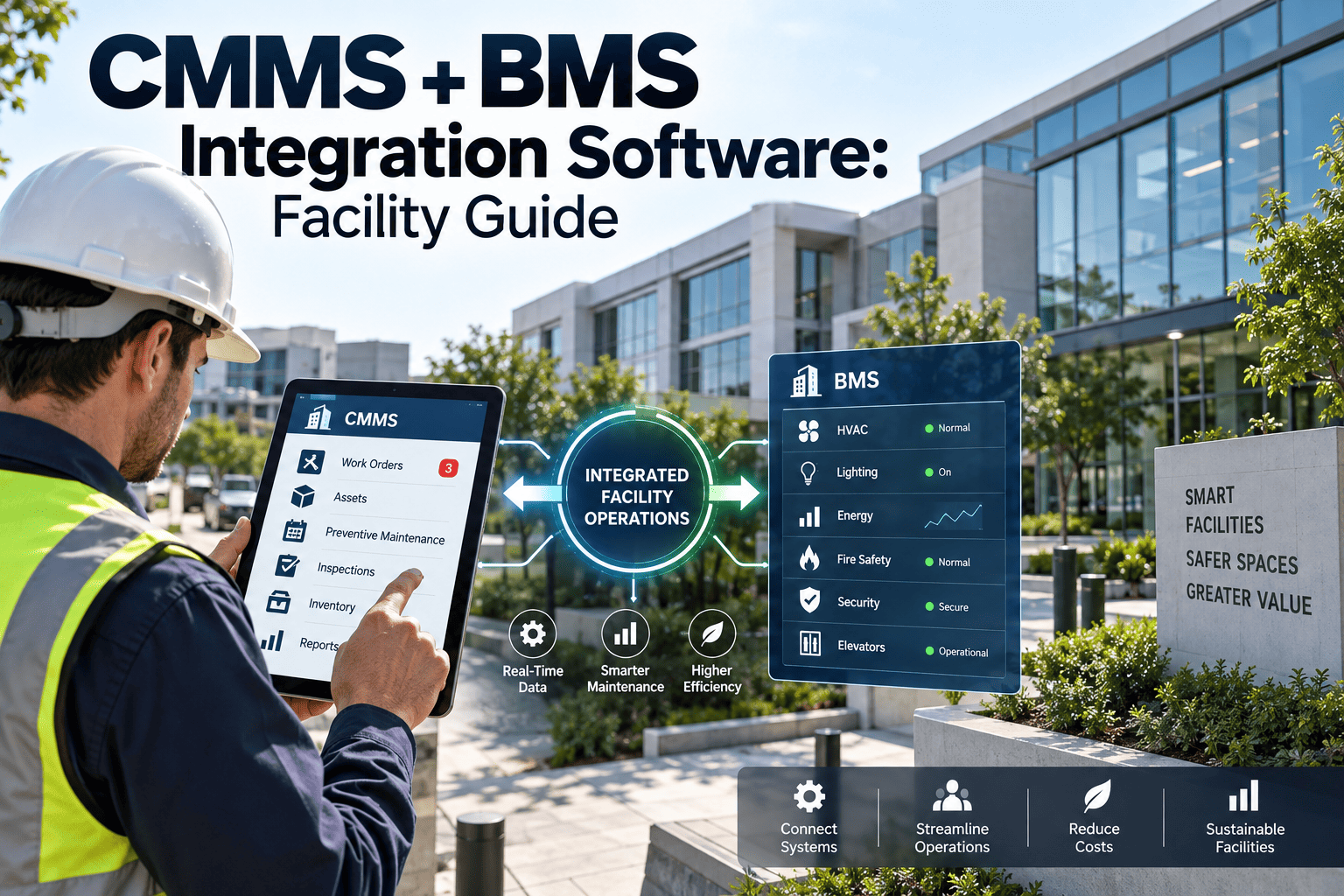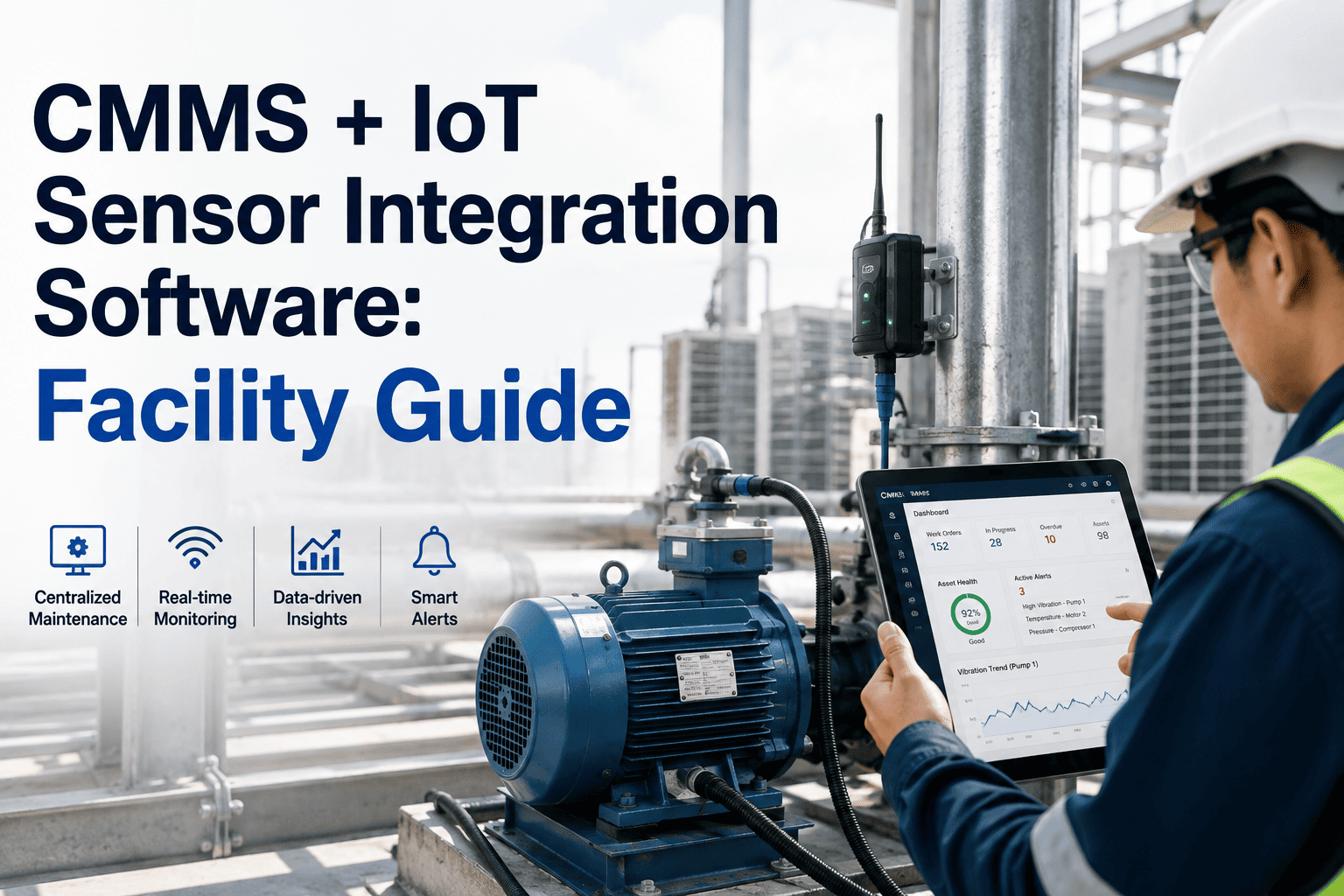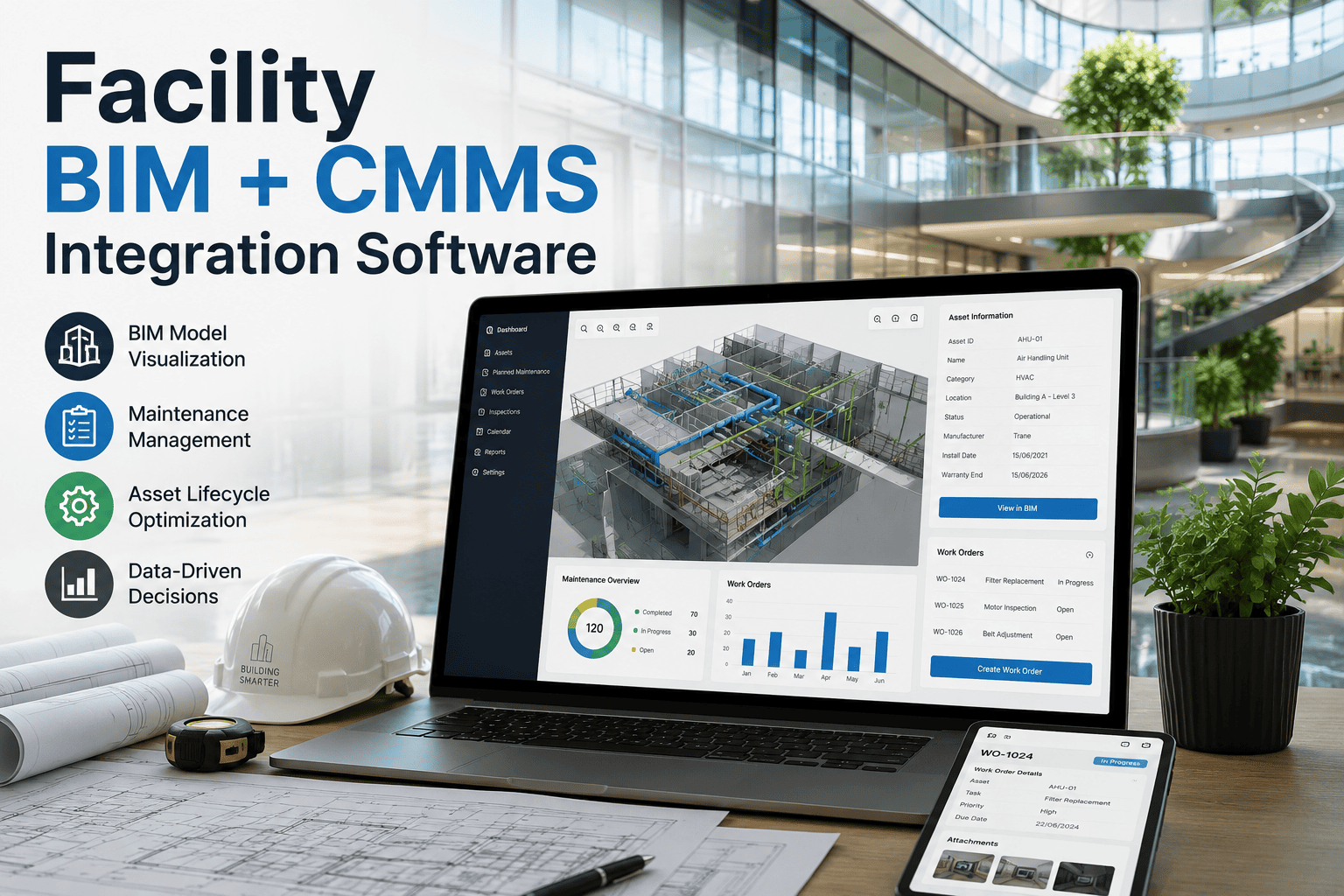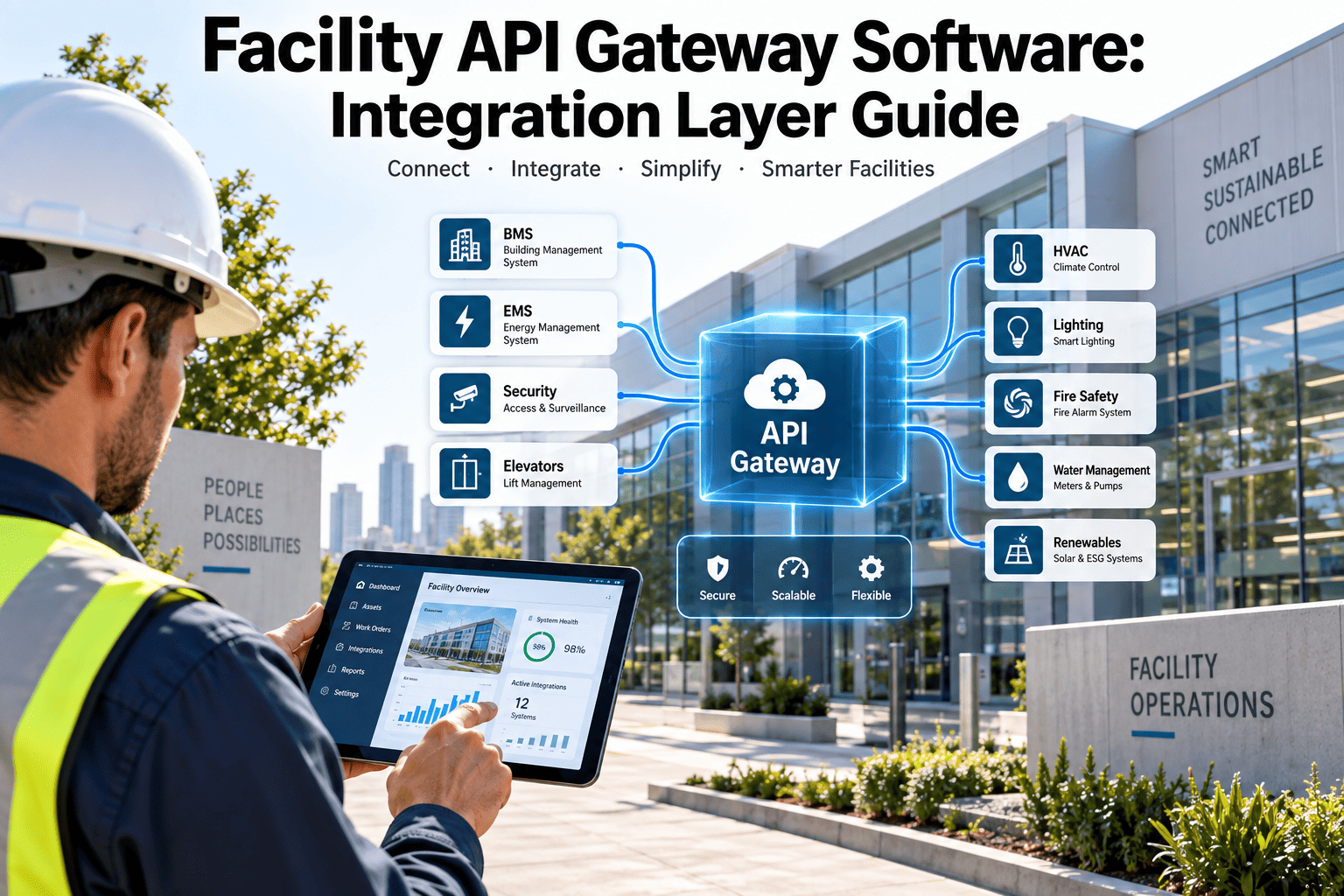
Most facility technology stacks grow the same way: a BMS gets installed, then a metering platform, then an access control system, then a CMMS, each added a few years apart with no shared integration plan. An API gateway is the layer that stops that pile of point-to-point connections from becoming unmanageable, giving IT and facility engineering one controlled path between systems instead of a dozen fragile ones. This guide covers what a facility integration layer actually needs to do and how to plan one.
How many point-to-point connections does your facility stack actually have?
An API gateway replaces a tangle of direct BMS, IoT, and third-party integrations with one authenticated, monitored layer — so a single vendor change doesn't mean rebuilding half your stack.
Why direct integrations stop scaling around the fourth or fifth system
Every facility stack starts simple: one system talking to another. The trouble compounds once a third, fourth, and fifth system join the environment.
- IssueEach new system requires its own custom connector, built and maintained by whoever has time — often nobody, once the person who built it leaves.
- IssueAuthentication credentials are scattered across a dozen integration scripts with no central place to rotate or revoke them.
- IssueA single vendor's API change breaks one connector silently, and nobody notices until a work order or sensor feed stops updating.
- IssueIT security has no single point to audit, throttle, or log facility system traffic, which becomes a real problem during a security review.
- IssueReplacing any one system in the stack means rebuilding every connector that touched it, discouraging teams from ever modernizing.
Where the gateway sits in the facility stack
An API gateway doesn't replace any existing system — it sits between them, so every connection is routed through one controlled, observable layer instead of a direct line.
The five functions an integration layer needs to perform
Not every gateway implementation needs every capability on day one, but these five are what separate a real integration layer from a single custom connector.
Centralized Authentication
One place to issue, rotate, and revoke API keys or OAuth tokens for every connected system, instead of credentials buried in individual scripts.
Data Normalization
Translating each source system's native format into one consistent schema so downstream tools like a CMMS or reporting dashboard don't need custom parsers per source.
Rate Limiting & Throttling
Protecting older BMS or PLC systems that weren't designed for high-frequency polling from being overwhelmed by newer analytics tools.
Logging & Monitoring
A single audit trail of every request between systems, so a broken feed or failed sync is caught in minutes instead of discovered by a technician days later.
Version & Contract Management
Isolating downstream systems from upstream API changes, so a vendor updating their API doesn't silently break every tool that depends on it.
Webhook & Event Routing
Pushing real-time events — a fault alarm, a sensor threshold breach — into the CMMS as a work order automatically, rather than relying on scheduled polling.
Stop maintaining a dozen fragile connectors by hand
Route your BMS, IoT, and third-party facility systems through one authenticated, monitored integration layer connected to your CMMS.
What changes once integrations move behind a gateway
| Dimension | Point-to-point integrations | API gateway architecture |
|---|---|---|
| Number of connections | Grows with every new system — n systems can mean dozens of direct links | Each system connects once, to the gateway |
| Credential management | Scattered across individual scripts and services | Centralized issuance, rotation, and revocation |
| Vendor API changes | Break connectors silently, discovered late | Isolated at the gateway layer, caught by monitoring |
| Security auditability | Requires reviewing every individual connector | One log, one audit surface for all facility traffic |
| Replacing a system | Requires rebuilding every connector that touched it | Requires updating one adapter behind the gateway |
What IT and security teams typically require before sign-off
Facility integrations increasingly fall under the same review as any other enterprise data flow. These are the requirements gateway rollouts most often need to satisfy.
Facility API gateway — common questions
Does an API gateway replace our BMS or CMMS?
No — it sits between existing systems, routing and normalizing the data that already flows between your BMS, IoT devices, CMMS, and reporting tools.
When does a facility actually need a gateway instead of direct integrations?
Once a third or fourth system needs to exchange data reliably, the maintenance cost of individual connectors usually outweighs the effort of centralizing them behind one layer.
Can a gateway work with a legacy BMS that only supports older protocols?
Yes — most gateway implementations include an adapter layer that translates older protocols like BACnet or Modbus into a standard API format the rest of the stack can consume.
How does the gateway handle a vendor changing their API?
The change is absorbed at the adapter for that one system, so downstream tools connected to the gateway keep working without needing their own updates.
What's the first integration most teams route through the gateway?
Usually the CMMS connection, since routing work orders, asset data, and sensor alerts through one layer delivers the clearest immediate value. Book a Demo to map your own integration priorities.
Give your facility stack one controlled path instead of a dozen fragile ones
Connect your BMS, IoT feeds, and third-party tools to a CMMS-integrated gateway your IT team can actually audit.
Free 14-day trial · No credit card