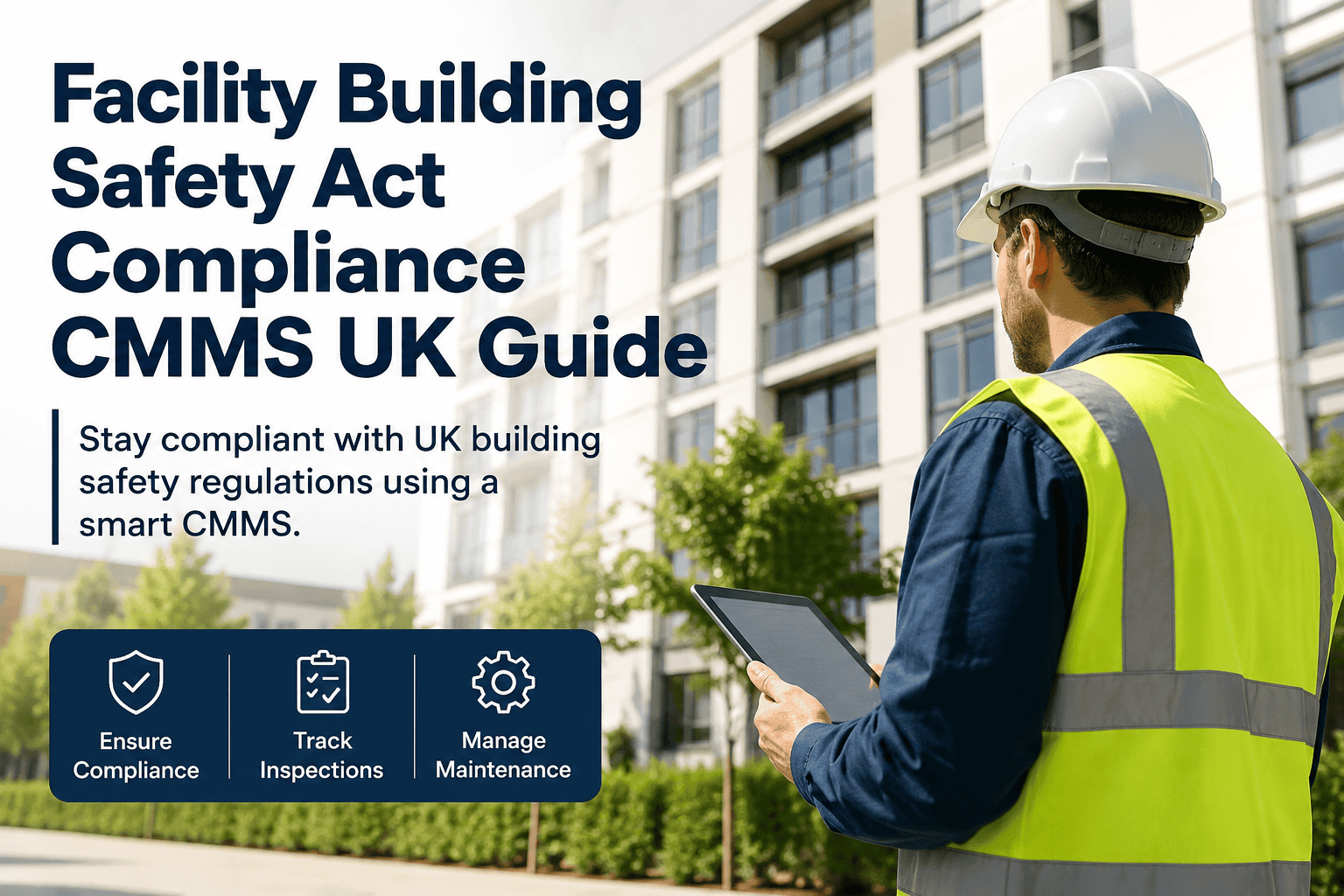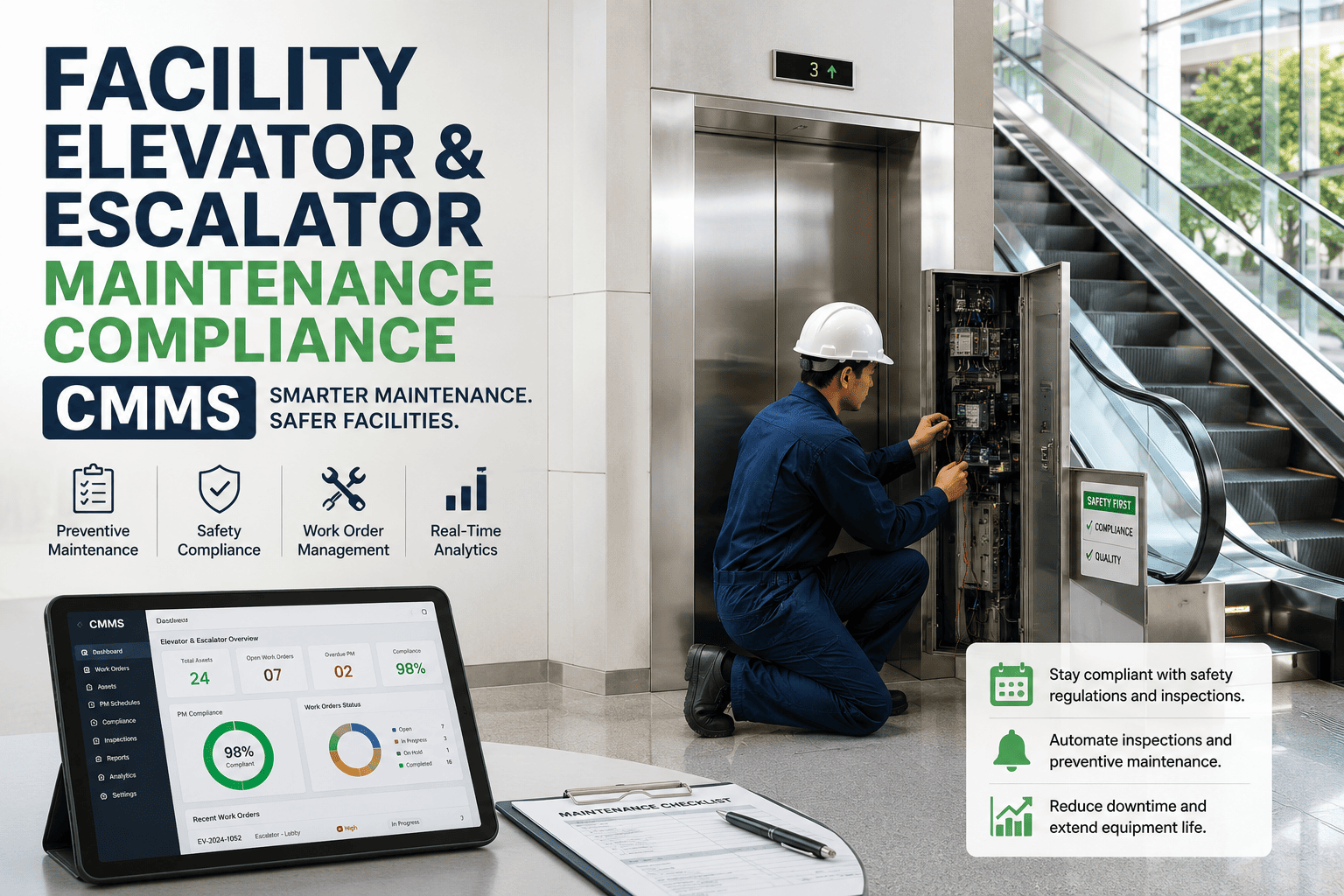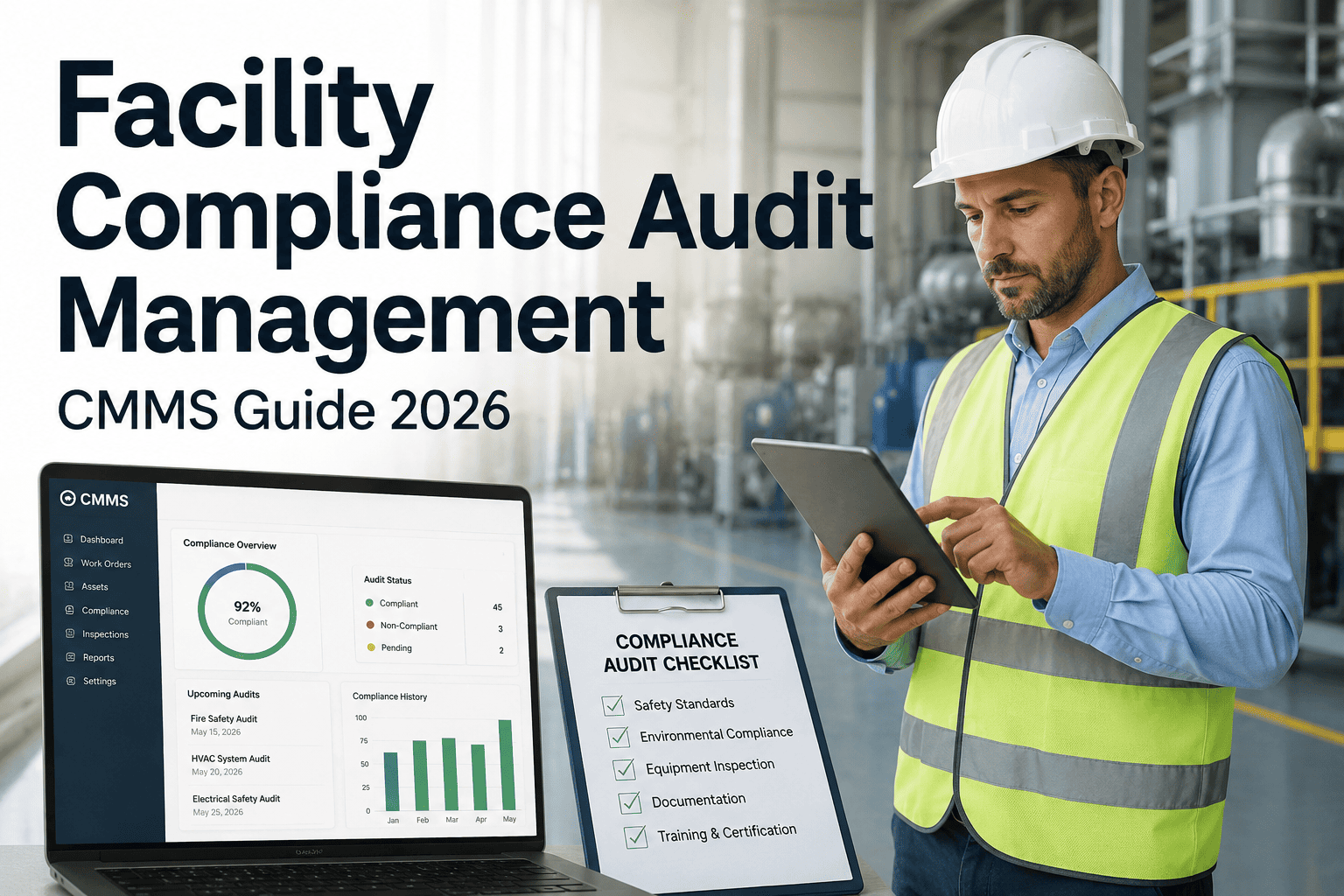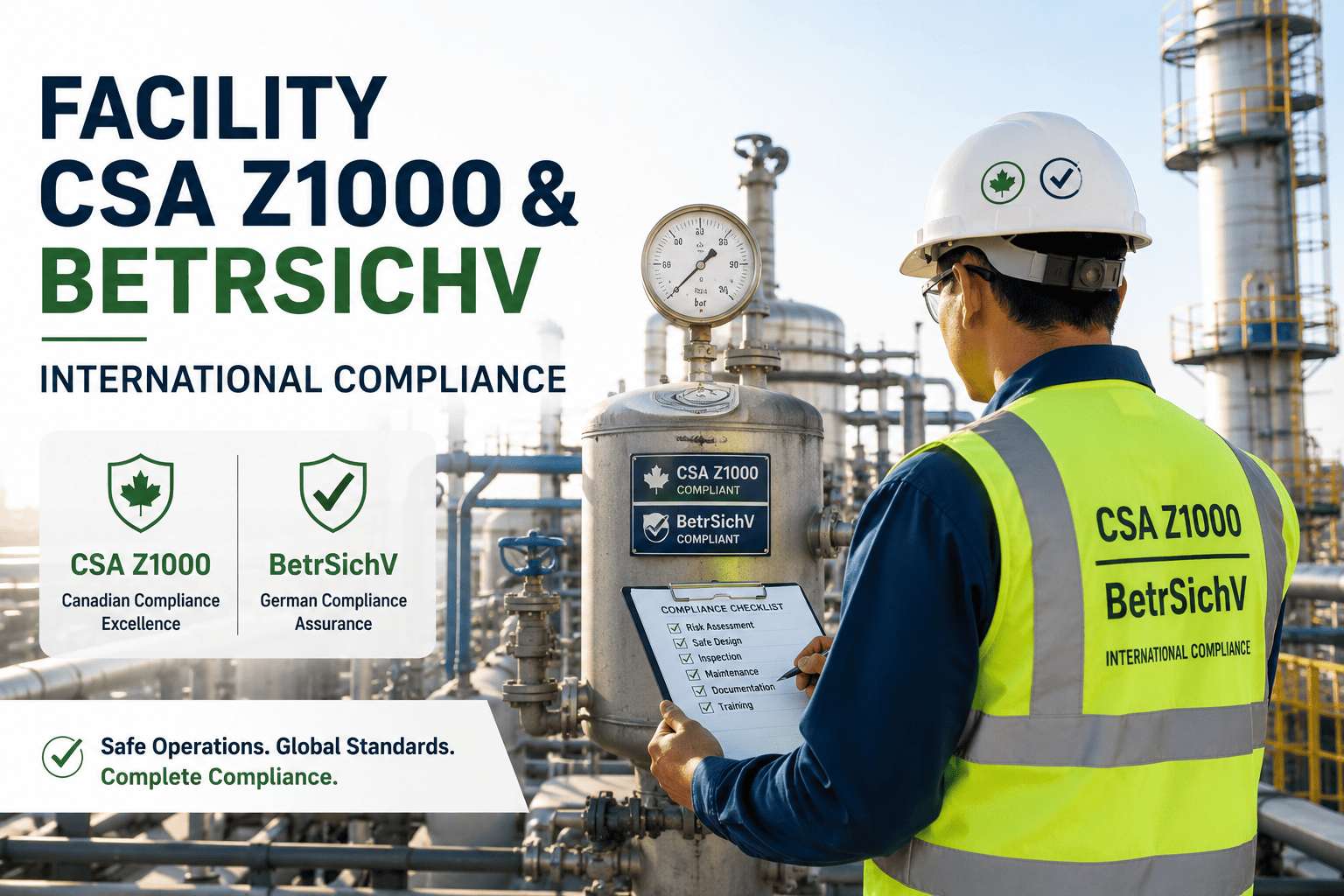
Operating facilities across Canada and the European Union means navigating two of the world's most rigorous occupational safety frameworks: CSA Z1000 and the German BetrSichV. CSA Z1000 mandates a structured occupational health and safety management system aligned with ISO 45001 principles, while BetrSichV requires systematic testing of work equipment under specific German regulatory intervals. Bridging these multi-jurisdictional demands manually consumes up to 18% of facility management budgets in compliance overhead. A centralized computerized maintenance management system eliminates redundant audits, standardizes documentation, and ensures dual compliance; you can Start Free Trial to unify your international safety workflows today.
Are Your Facilities Audit-Ready Across Both Canada and Germany?
Managing CSA Z1000 documentation alongside BetrSichV testing intervals demands a unified CMMS. Without one, multi-national facilities face fragmented audits, voided insurance, and severe operational downtime.
Two Frameworks, One Unified Compliance Strategy
CSA Z1000 and BetrSichV govern different geographies but share a core demand for documented, systematic safety management. Here is how they compare in scope and enforcement.
| Compliance Dimension | CSA Z1000 (Canada) | BetrSichV (Germany) |
|---|---|---|
| Primary Focus | Occupational Health & Safety Management Systems (OHSMS) | Testing and inspection of work equipment |
| Regulatory Alignment | Aligned with ISO 45001 frameworks | German Occupational Health and Safety Act (ArbSchG) |
| Core Requirement | Hazard identification, risk control, continual improvement | Defined recurring inspection intervals before equipment use |
| Enforcement Mechanism | Provincial Ministries of Labour and internal audits | Berufsgenossenschaft (BG) safety authorities |
| Documentation Burden | High: Requires comprehensive OHSMS policy manuals | High: Prüfnachweise (proof of testing) for every asset class |
The Cost of Fragmented Compliance
Consider a 180-asset manufacturing plant operating in Ontario and Bavaria. Spreadsheets cost them $42,000 annually in compliance overhead.
- Two separate spreadsheet systems maintained by regional teams
- 112 hours lost annually to manual cross-referencing during audits
- $42K spent on redundant compliance overhead and consultancy
- 14% of equipment missed critical BetrSichV re-testing dates
- Single dashboard mapping CSA hazards to BetrSichV test intervals
- Automated triggers reduce audit prep time to under 6 hours
- Compliance costs reduced to $11.5K annually
- Zero missed equipment inspections across both jurisdictions
The ROI of a Unified International CMMS
Quantifying the value of consolidating your compliance workflows into one system.
Where T is time saved annually, A is audit hours (manual vs CMMS), and R is hourly rate of compliance staff ($85/hr average).
Calculate mitigated risk by multiplying missed BetrSichV inspections by average $4,500 fine, minus CMMS subscription cost.
| Compliance Metric | Manual Process | Unified CMMS | Net Improvement |
|---|---|---|---|
| Annual Audit Prep Time | 112 hours | 6 hours | 94% faster |
| Annual Cost Overhead | $42,000 | $11,500 | $30.5K saved |
| Missed Inspection Rate | 14% | 0% | 100% resolved |
| Insurance Premium Impact | Baseline | -8% | Lower premiums |
Ready to Consolidate Your International Compliance?
Join hundreds of multi-jurisdictional facilities using Oxmaint to automate CSA Z1000 and BetrSichV workflows.
6-Month Path to Full Dual Compliance
A phased rollout ensures minimal operational disruption while mapping your assets to both Canadian and German regulatory requirements.
Asset Register Unification
Consolidate all equipment into a single database, mapping CSA Z1000 hazard categories to BetrSichV testing classes.
Risk Assessment Digitization
Digitize existing risk matrices. Configure automated workflows for hazard reporting aligned to ISO 45001 standards.
Inspection Scheduling
Deploy automated BetrSichV Prüffristen (test intervals) based on equipment type, usage, and manufacturer specifications.
Technician Mobile Rollout
Equip maintenance teams with mobile devices to log CSA hazards and BetrSichV checks directly into the CMMS in real-time.
Audit Documentation
Generate dual-jurisdiction compliance reports with one click, providing instant proof for provincial and BG inspectors.
Continuous Improvement
Leverage CMMS analytics to identify high-risk assets and optimize future inspection intervals for cost efficiency.
CSA Z1000 & BetrSichV CMMS Answers
Addressing the most common concerns regarding multi-jurisdictional compliance management.
What is the primary difference between CSA Z1000 and BetrSichV?
CSA Z1000 is a Canadian standard focused on establishing a comprehensive Occupational Health and Safety Management System (OHSMS), emphasizing continual improvement. BetrSichV is a German regulation strictly governing the testing, inspection, and maintenance intervals of specific work equipment to ensure operational safety.
How does a CMMS automate BetrSichV inspection intervals?
A CMMS stores asset-specific data and automatically triggers work orders based on prescribed Prüffristen (testing periods). To see how this automation works in practice, you can Book a Demo and our team will map your equipment hierarchy live.
Can a single CMMS handle documentation for both Canadian and German facilities?
Yes. Modern multi-jurisdictional CMMS platforms allow you to configure regional compliance modules. A single asset can simultaneously carry a CSA Z1000 hazard rating and a BetrSichV testing schedule, generating localized reports for whichever inspector arrives on-site.
What are the financial risks of non-compliance with these standards?
Beyond immediate fines that can exceed $15,000 per violation under BetrSichV, non-compliance voids operational insurance and halts production. A unified CMMS mitigates this risk by ensuring zero missed inspections and maintaining an immutable audit trail for all regulators.
How long does it take to deploy an international compliance CMMS?
A standard deployment takes 4 to 6 weeks for basic asset mapping, with full dual-jurisdiction integration completed within 90 days. You can initiate your setup immediately when you Start Free Trial and import your existing asset spreadsheets directly into the platform.
Unite Your Facility Safety Standards Today
Stop juggling spreadsheets and manual audit logs. Transition to a unified CMMS built for international regulatory success.
Free 14-day trial · No credit card