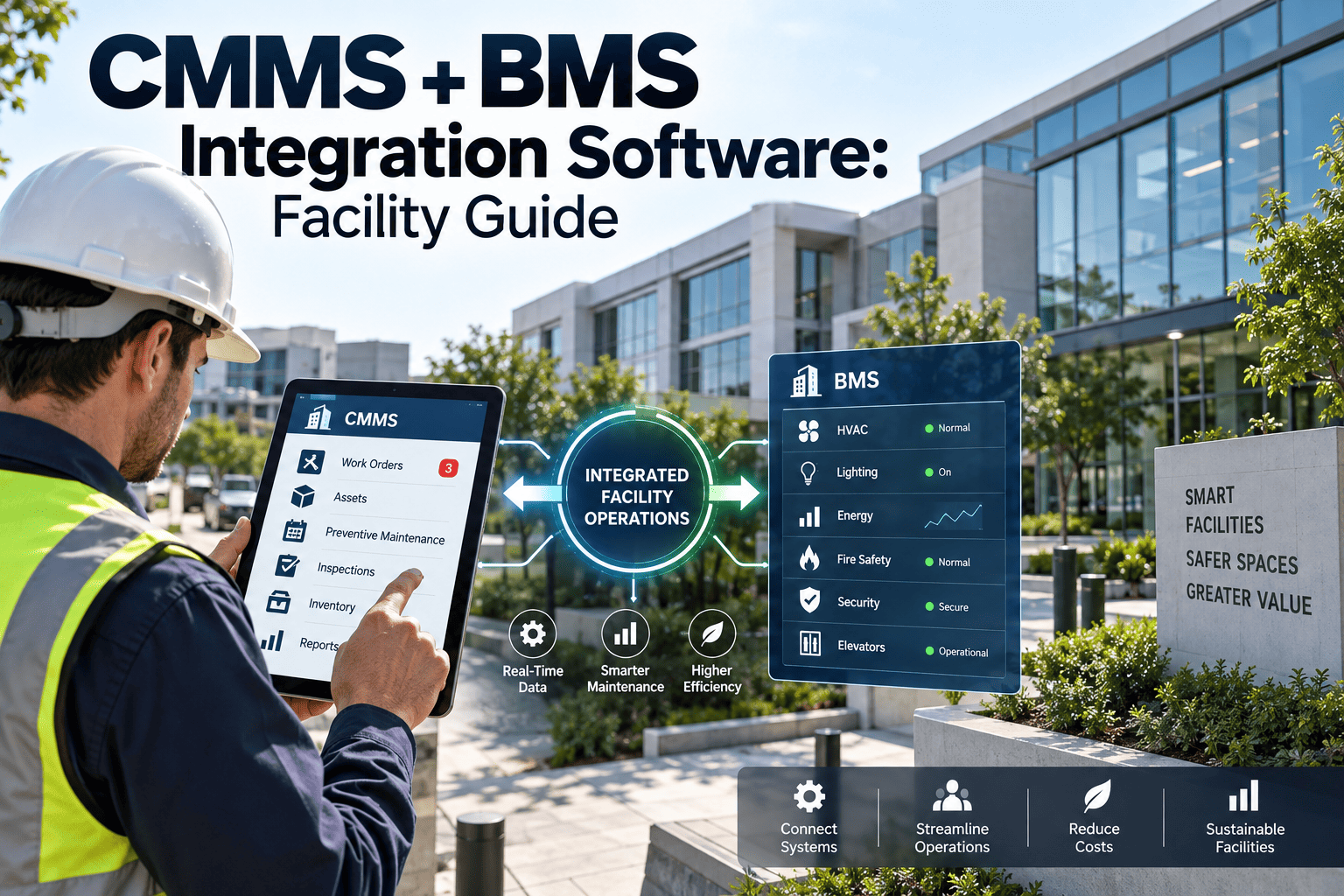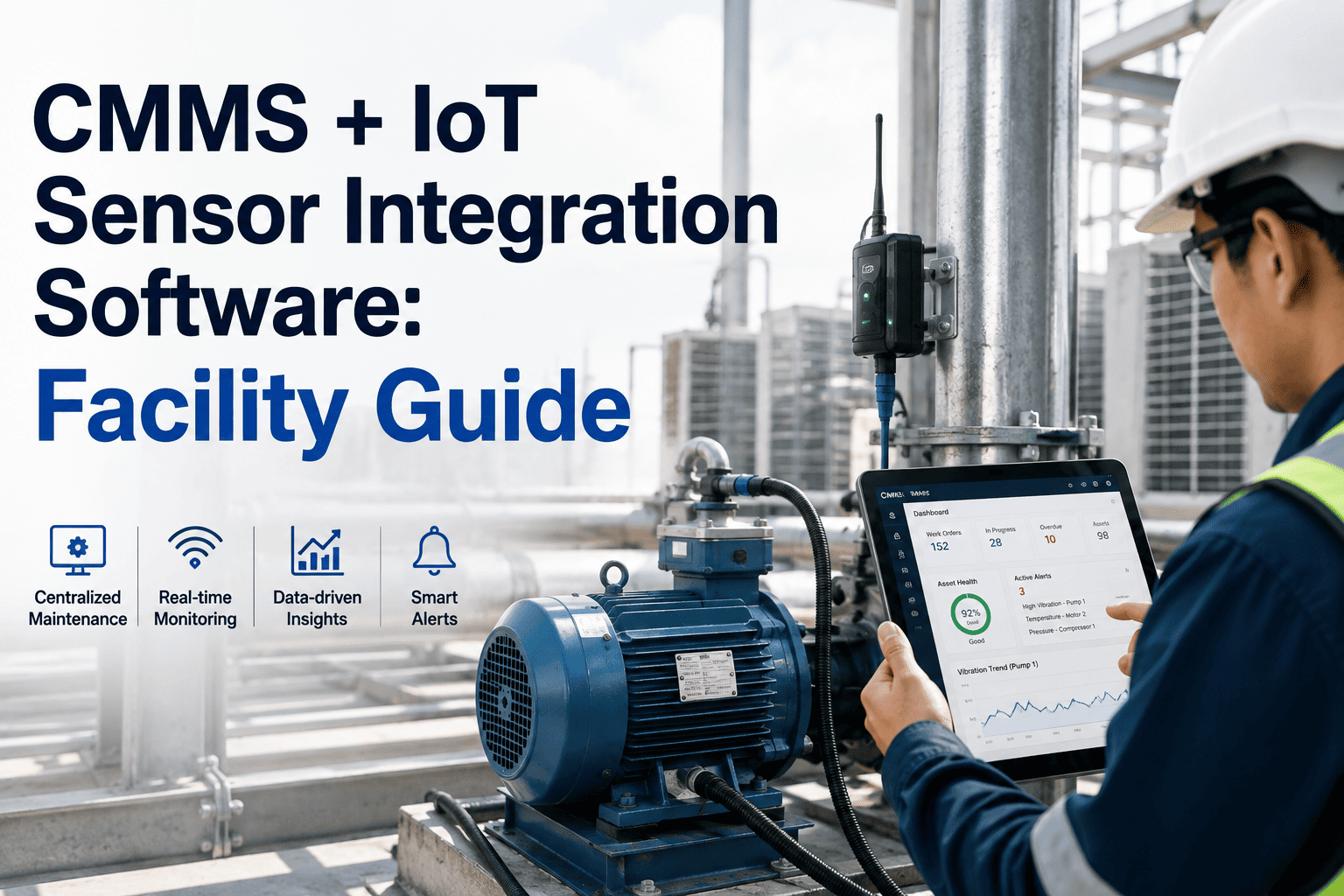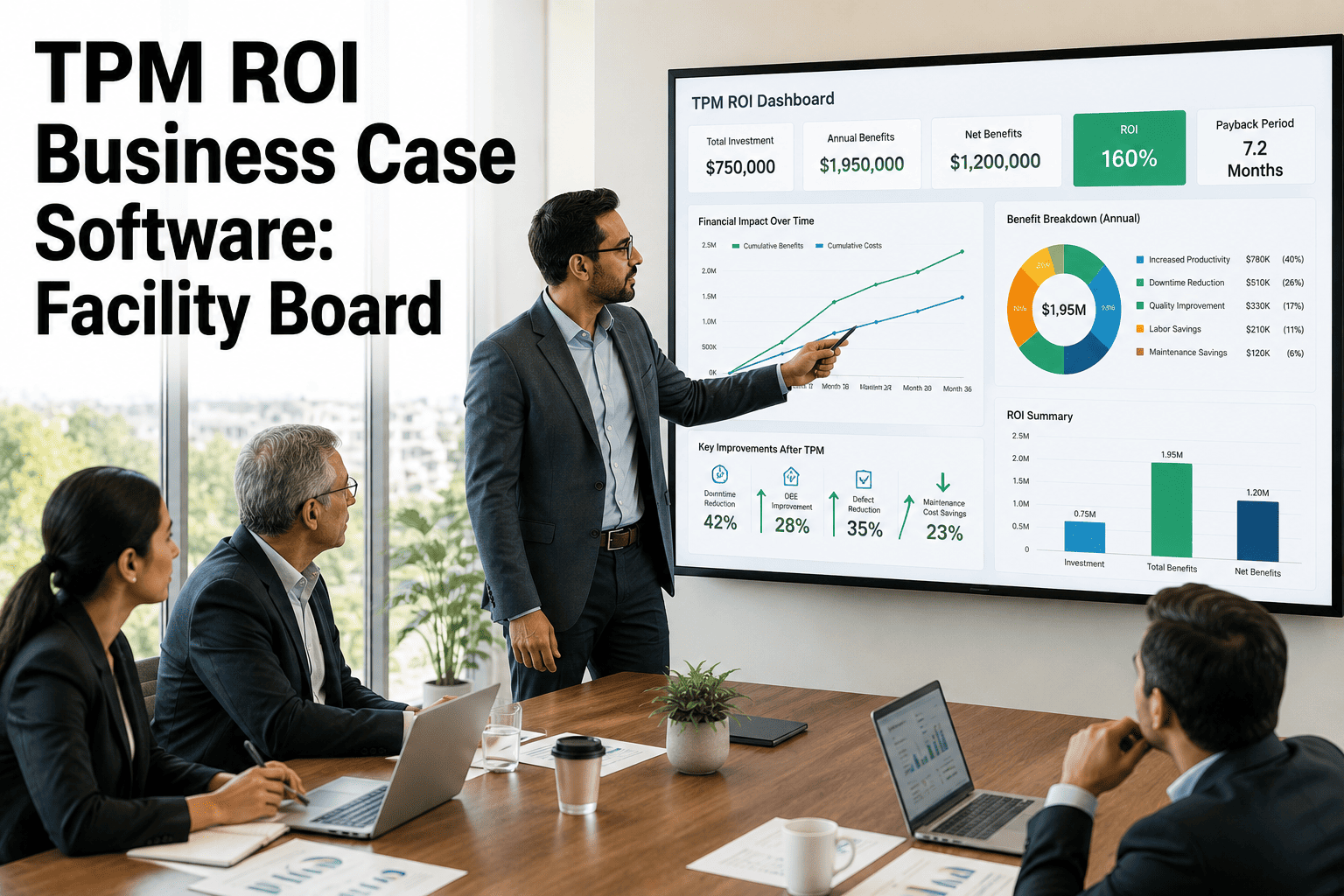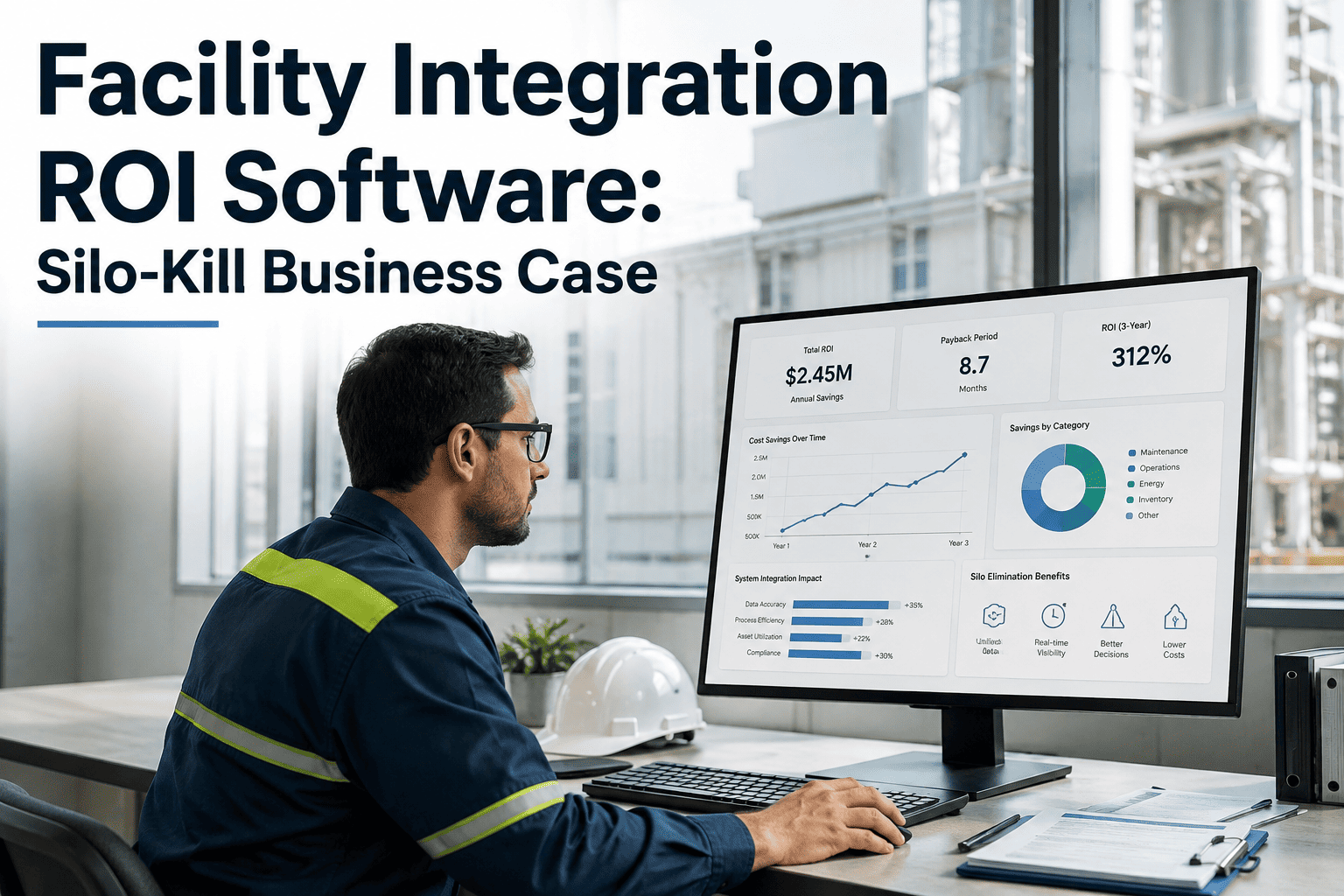
Most facilities teams do not run one system — they run five: a CMMS for work orders, a BMS for HVAC and controls, a spreadsheet for vendor spend, a separate ticketing tool for tenant requests, and an inbox for everything that falls between the cracks. Each one works fine on its own, which is exactly why the case for changing anything is so hard to make — the pain is not in any single tool, it is in the hours technicians and managers spend reconciling data between them, and the failures that slip through because no one system sees the whole picture. A facilities director can usually describe the frustration in a sentence but struggles to put a dollar figure on it, and without that figure, the integration project stays at the bottom of the capital request list every single year. OxMaint's unified facility platform replaces the reconciliation work with one system of record, giving facility leaders the hard-dollar case their CFO actually signs off on.
Facility Integration ROI: The Silo-Kill Business Case
Disconnected work order, asset, and vendor systems do not fail loudly — they fail quietly, in reconciliation hours and missed patterns. Here is how to quantify that cost and build the case an integrated platform is measured against.
Three Silos Draining Your Facility Budget
Integration ROI is easiest to see once the silo is broken into its parts. Each one has a different symptom, a different owner, and a different dollar figure attached to it — which is exactly what a CFO needs to approve the project.
Where Integration Unlocks Measurable ROI
The table below maps each silo to the specific integration point that closes it, and the category of return a facilities director can present in a capital request.
| Silo Type | Visible Symptom | Typical Annual Cost Impact | Integration Point | ROI Unlocked |
|---|---|---|---|---|
| Work Order / Asset | Technicians re-diagnose issues already logged elsewhere | $40–90K per 100 assets | Single asset record linked to full maintenance history | Reduced repeat visits and diagnosis time |
| BMS / CMMS | Alerts sit unactioned until a manual escalation | $150–250K per portfolio | Automatic work order creation from BMS fault codes | Fewer reactive repairs, extended equipment life |
| Vendor / Spend | Same part purchased at different prices by building | $60–120K per 50 buildings | Portfolio-wide procurement and vendor spend dashboard | Consolidated purchasing power, negotiated rates |
| Compliance / Reporting | Audit prep takes weeks pulling data from five sources | $25–55K per audit cycle | Compliance reporting generated from live system data | Audit prep time cut from weeks to days |
| Tenant / Helpdesk | Requests logged twice, technicians dispatched blind | $20–45K per 100 units | Shared ticket-to-work-order pipeline with tenant visibility | Faster response time, higher tenant satisfaction |
Four Steps to Build a CFO-Ready Integration Case
I spent three years pitching "system consolidation" to leadership and getting nowhere, because the pitch was about the tools, not the money. The pitch that finally worked took our facilities managers' own timesheets and showed nine hours a week, per manager, spent moving data between four systems that should have been one. Multiplied across a twenty-building portfolio, that was a full-time position's worth of labour doing nothing but data entry. Once the case was framed as a headcount-equivalent cost rather than an efficiency argument, the integration budget was approved in a single meeting. The lesson was not about the software — it was about translating operational pain into a number finance already knows how to evaluate.
Frequently Asked Questions
How does OxMaint connect BMS alerts to maintenance work orders?
OxMaint ingests fault codes and sensor thresholds from connected building systems and automatically generates a work order against the linked asset, so an alert is never left sitting in a dashboard no one checks. Start a free trial to connect your building systems.
Can OxMaint show duplicate vendor spend across a whole portfolio?
Yes. Every purchase order and vendor invoice is logged against the part and building, so the procurement dashboard surfaces price variance for the same item across sites — the exact data point most integration business cases are missing. Book a demo to see the spend dashboard.
How long does a typical facility integration project take?
Most portfolios move core work order and asset data into OxMaint within four to six weeks, with BMS and procurement integrations following in phases so operations are never disrupted mid-project.
What is a realistic payback period for integrating facility systems?
Facilities teams most commonly report a four to seven month payback, driven primarily by recovered reconciliation labour and reduced reactive repairs rather than any single large one-time saving. Start your free trial to model payback against your own portfolio size.
Does integration require replacing every existing system at once?
No. Most facilities teams start by consolidating work order and asset data, then connect BMS alerts and vendor procurement in later phases — each phase produces its own measurable return before the next begins.
The Silo Is Not a Tooling Problem. It Is a Line Item You Have Not Measured Yet.
OxMaint unifies work orders, asset history, BMS alerts, and vendor spend into one system of record, so the ROI case for integration is not a projection — it is a number pulled straight from your own operating data.