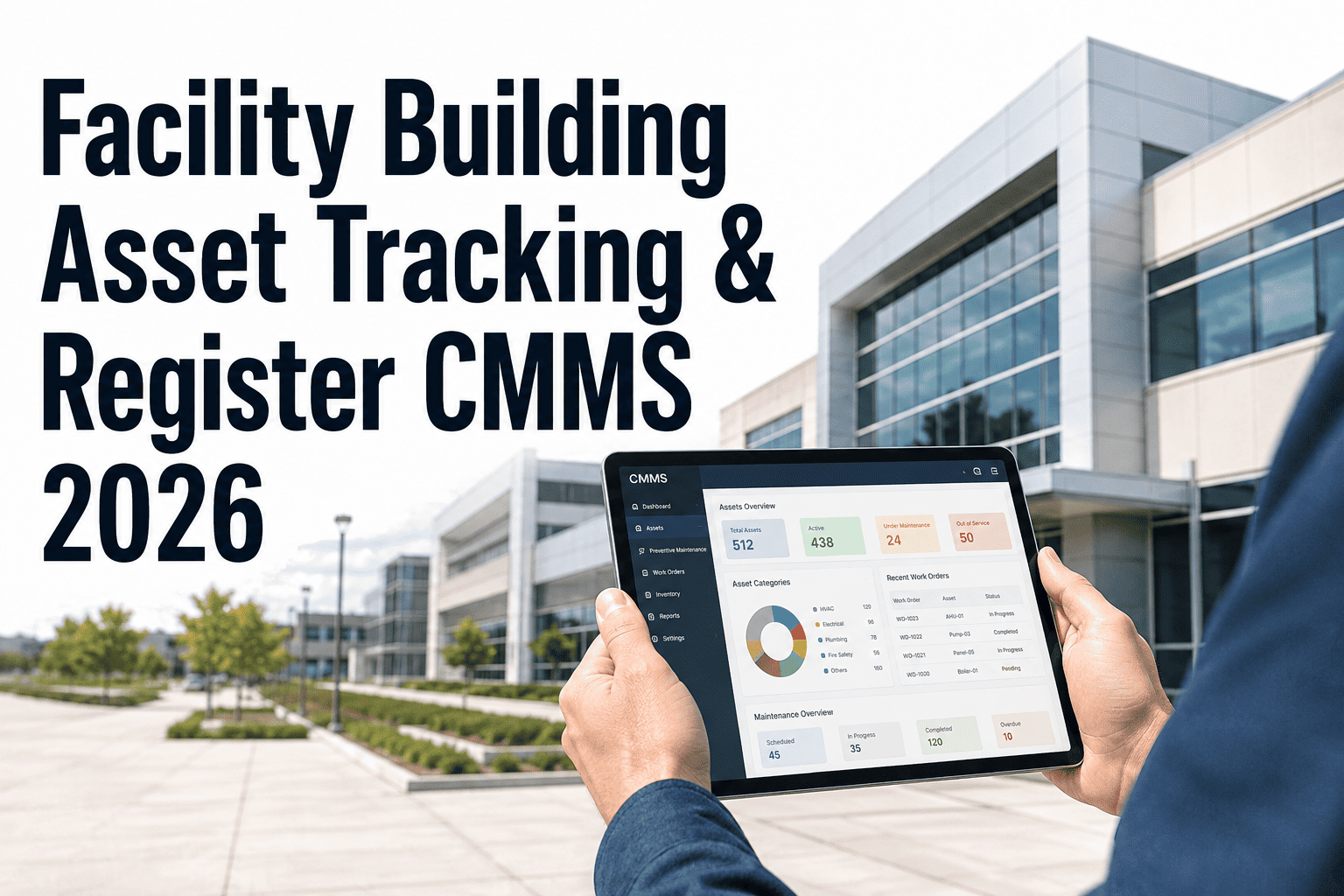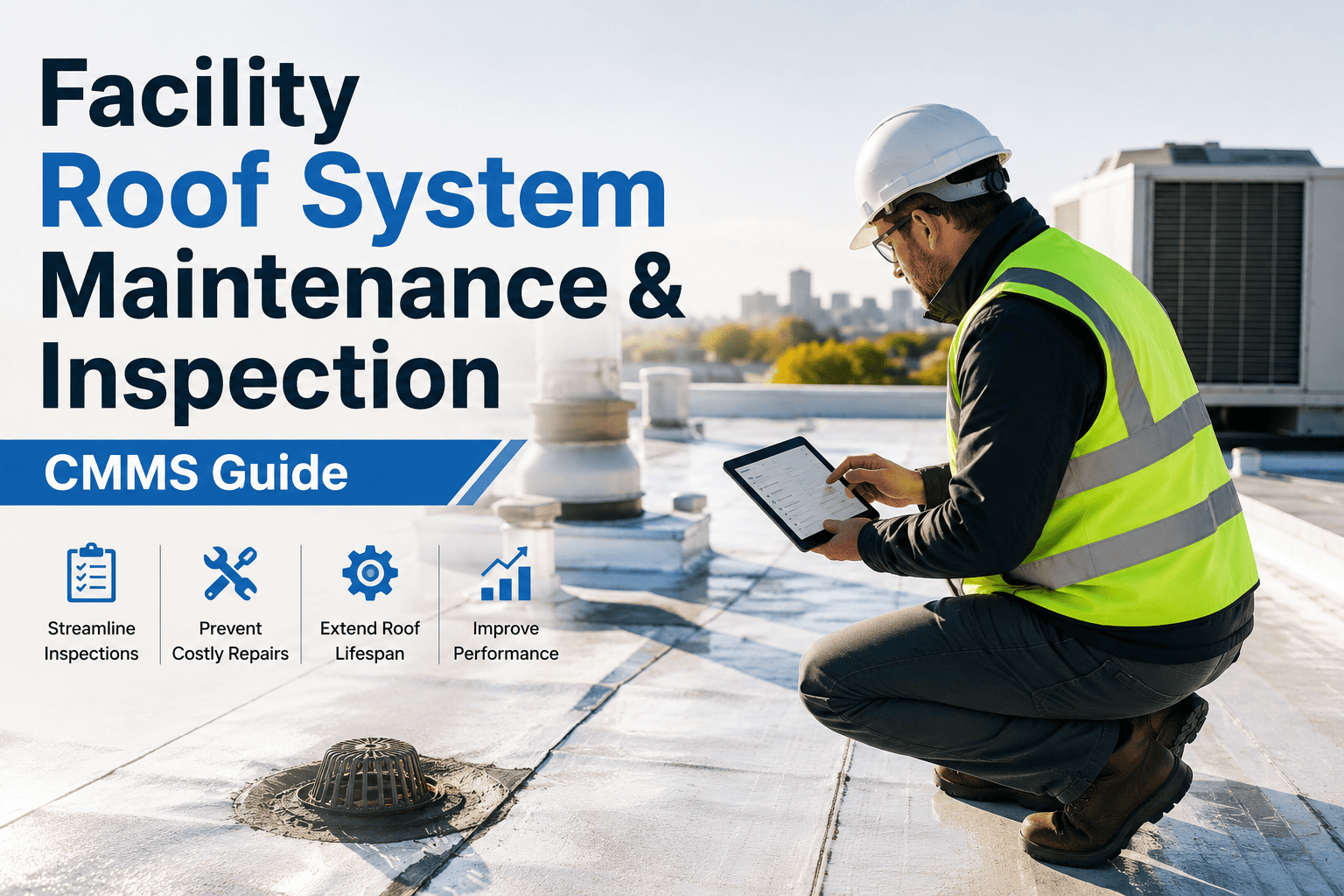
Most commercial roofs are not designed to fail early — they are engineered for twenty to thirty years of service. Yet across the industry, the average low-slope commercial roof reaches the end of its usable life at around fourteen years, undone less by the membrane itself than by the absence of a documented inspection and maintenance record. A single unplanned roof failure on a mid-size facility can generate repair, business-interruption, and insurance costs that outweigh a decade of preventive care. Carriers are increasingly denying storm-damage claims where no inspection history exists, and membrane manufacturers void coverage under the same condition. Closing that gap between designed and actual lifespan is exactly the discipline OxMaint's asset management platform was built to support.
Close the Gap Between Designed and Actual Roof Lifespan
Every roof system has a designed service life printed in its warranty documents. Very few reach it. The difference is not the membrane — it is whether inspections happened, deficiencies were tracked, and repairs closed the loop before small problems became capital events.
Build a Documented Inspection Calendar, Not a Reactive One
A roof does not fail on a schedule that is convenient for anyone. It fails during the storm, during the heat wave, during the week the facility team is short-staffed. The only defense is a standing calendar of inspections that runs whether or not anyone remembers to book them — biannual professional evaluations, monthly internal walks, and a mandatory check inside 72 hours of any severe weather event.
Roof System Comparison: Lifespan, Failure Points, and Restoration Windows
Every membrane type ages differently, and the inspection priorities that protect a TPO roof are not the ones that protect a built-up roof. The table below maps the five most common commercial systems to their expected lifespan, their most frequent failure point, and the window in which a restoration coating remains a viable alternative to full replacement.
| Roof System | Designed Lifespan | Most Common Failure Point | Restoration Window | Inspection Priority |
|---|---|---|---|---|
| TPO (Single-Ply) | 20–25 years | Seam separation, UV-driven embrittlement | Years 15–18 | Seam and fastener check every 6 months |
| EPDM | 20–30 years | Seam adhesive failure, punctures | Years 15–20 | Annual seam and flashing audit |
| Modified Bitumen | 15–20 years | Blistering, granule loss | Years 10–14 | Biannual surface condition check |
| Standing Seam Metal | 30–40 years | Fastener backout, corrosion at penetrations | Years 20–25 | Annual fastener torque and seam check |
| Built-Up Roof (BUR) | 15–20 years | Ponding water, membrane cracking | Years 10–15 | Post-storm drainage inspection |
OxMaint auto-generates seasonal inspection work orders per roof system, converts findings into tracked repairs with photo evidence, and keeps a warranty-ready record for every building in the portfolio.
When to Maintain, Restore, or Replace
The decision to coat, restore, or tear off a roof depends almost entirely on where the asset sits in its lifecycle — and that window closes permanently once a membrane is saturated or structurally compromised. Tracking roof age against condition score is what keeps that decision proactive instead of forced.
From Inspection Finding to Closed Work Order
The roofs that fail early almost never fail because of bad material. They fail because the inspection that would have caught the failing seam got skipped two years running, and nobody had a record to prove otherwise when the warranty claim was denied. A roof asset costs more than almost anything else on the building envelope, and it is routinely the least documented. The fix is not complicated — a calendar that fires on its own, a photo attached to every finding, and a closed loop between what the inspector saw and what the technician fixed. Portfolios that run that discipline are the ones still coating roofs at year eighteen instead of tearing them off at year twelve.
Frequently Asked Questions
How often should a commercial roof be professionally inspected?
Twice a year at minimum — spring and fall — plus an additional inspection within 72 hours of any major wind, hail, or snow event. Start a free trial to put that calendar on autopilot.
Does OxMaint track roof warranty compliance automatically?
Yes. OxMaint stores the manufacturer's required inspection interval against each roof asset and flags any roof approaching a lapse before it voids coverage. Book a demo to see warranty tracking configured for your portfolio.
What decides restoration versus full replacement?
Roof age, condition score, and membrane saturation together determine the window. A roof inspected and documented consistently stays a restoration candidate years longer than one with no maintenance history.
Can OxMaint manage roof assets across multiple buildings?
Yes, a single portfolio dashboard shows every roof's last inspection date, next scheduled visit, open deficiencies, and condition score across all sites. Start your free trial to set up a multi-site roof register.
How does OxMaint prevent missed inspections that void a warranty?
Every seasonal and post-storm inspection is generated automatically as a scheduled work order rather than relying on someone remembering to book a contractor, closing the most common gap in roof programs.
Fourteen Years or Thirty. The Difference Is the Record.
OxMaint schedules every seasonal and storm-triggered roof inspection automatically, converts findings into tracked work orders with photo evidence, and keeps a warranty-ready history for every roof in your portfolio.