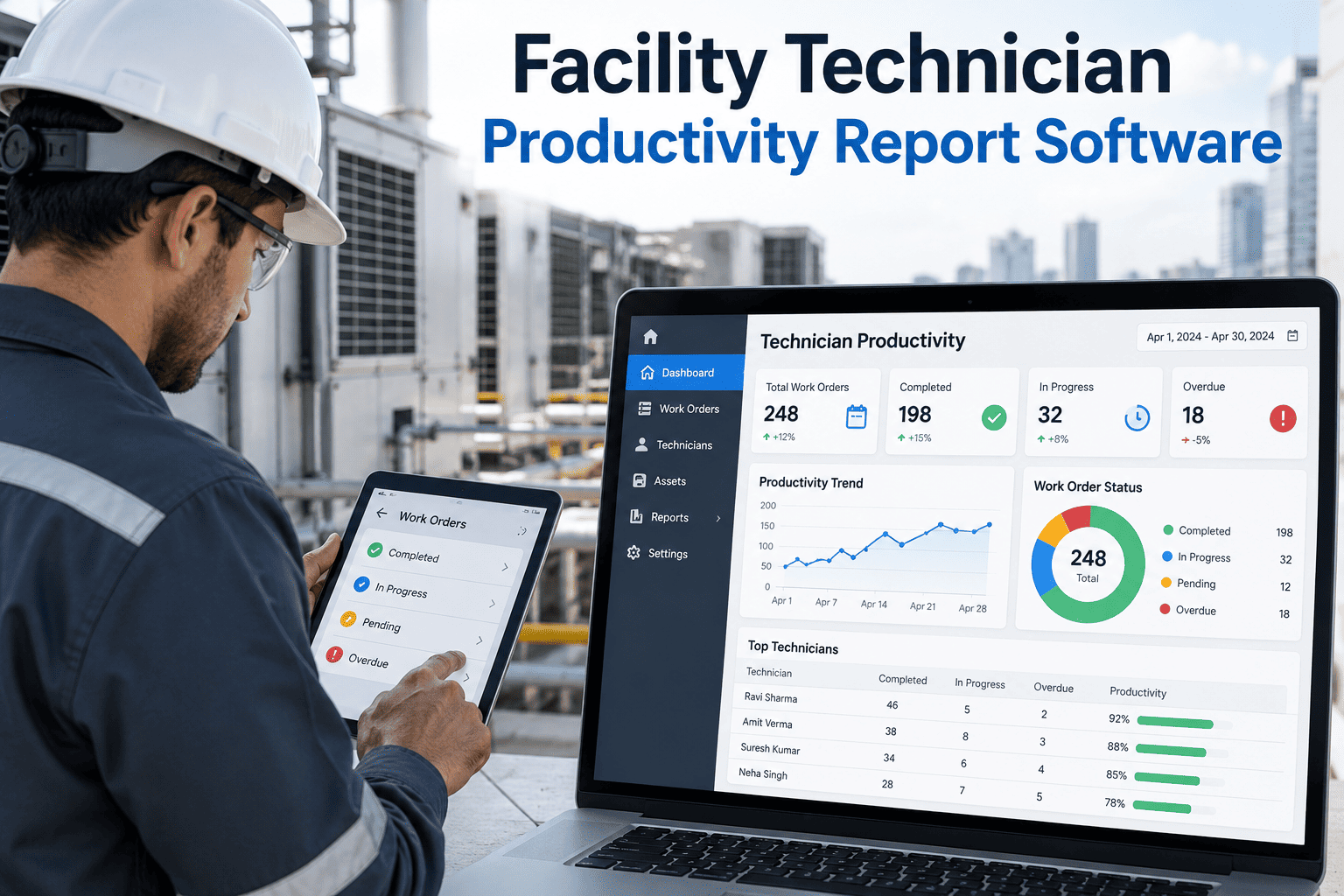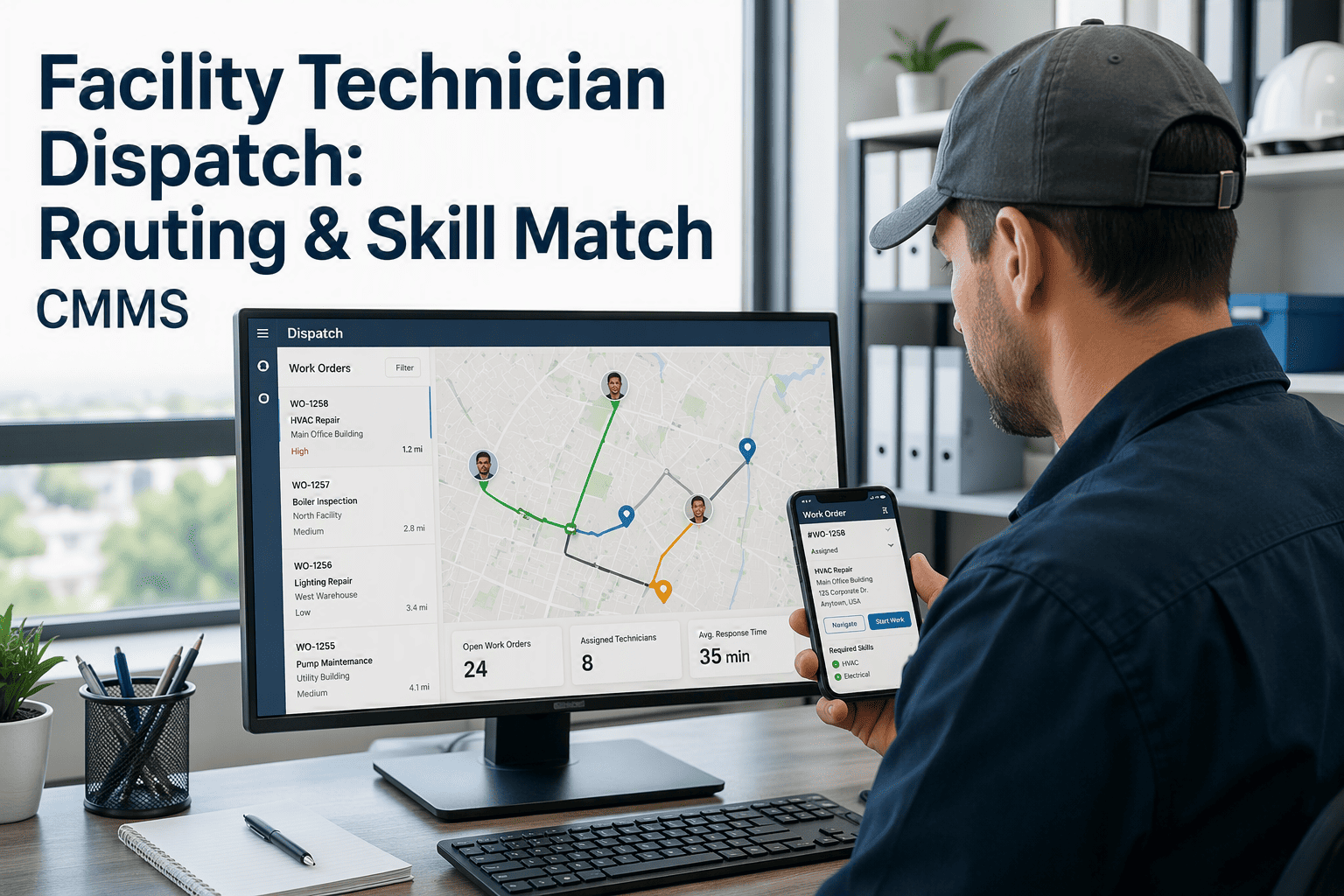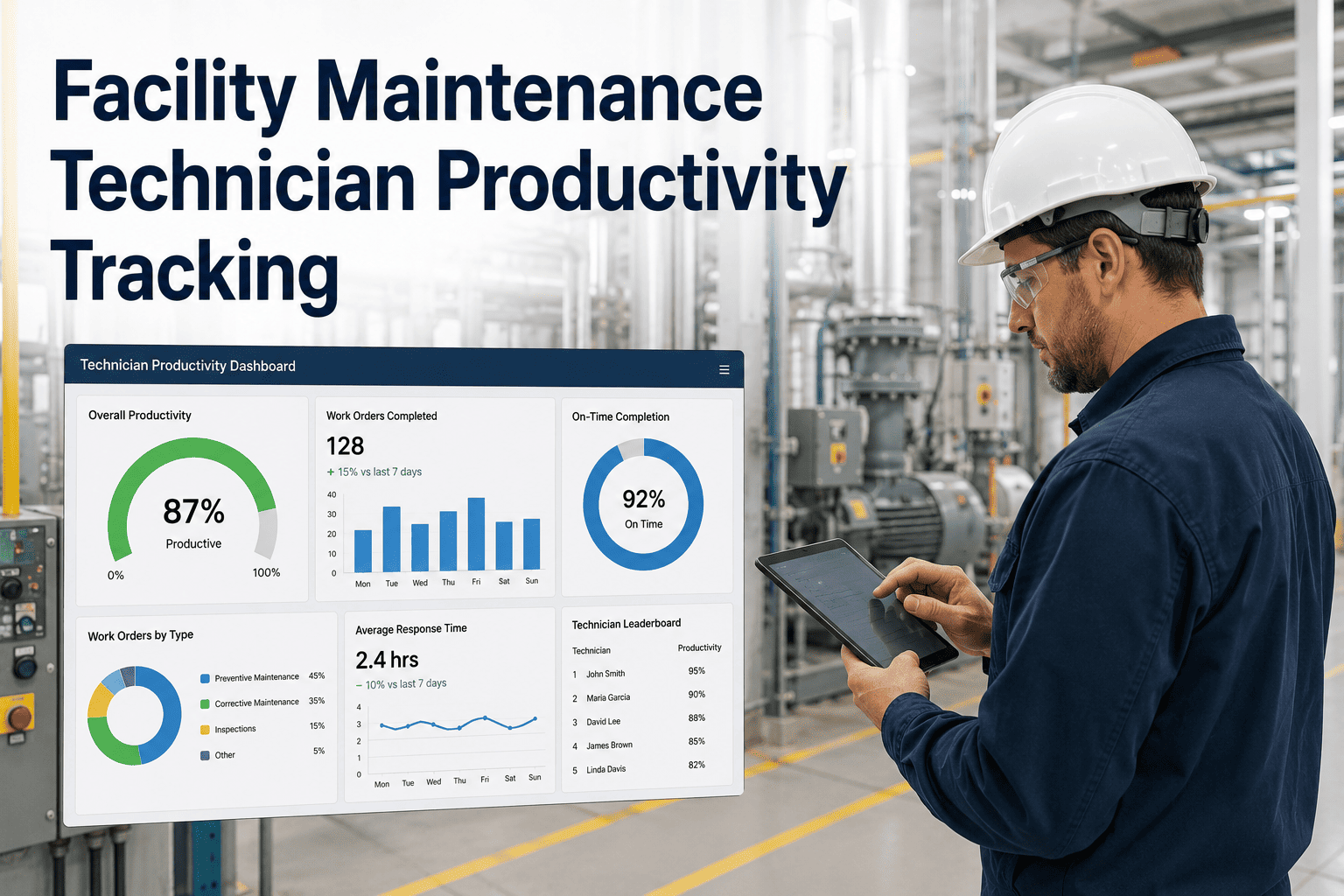
Facility managers lose good technicians and assume the answer is a raise. Sometimes it is. More often the exit interview mentions scheduling that never lets up, tools that do not work, a boss who does not listen, or no visible next step. Workforce research from SHRM and IFMA points the same way: pay gets people in the door, while the day-to-day experience decides whether they stay. This guide lays out eight levers that do not depend on pay, with practical actions for each, and shows how Oxmaint maintenance management software supports several of them.
Facility Technician Retention: 8 Levers Beyond Pay
Replacing an experienced technician costs time, knowledge and morale. Fix the working conditions that push people out before the resignation letter.
Why People Leave: What Exit Conversations Often Reveal
Treat these as patterns to test in your own team, not as universal facts. Ask your technicians directly.
The 8 Levers
Schedule flexibility
Technicians value predictable shifts, swap options and fair on-call rotation. Publish schedules early and make rotations visible so no one carries the weekend alone.
Respect and voice
Ask technicians how a repair should be done, and act on the answer. Short weekly huddles work better than annual surveys.
Tools and equipment that work
Nothing signals disrespect like a worn meter or a van with no parts. Track tool condition and stock the common spares so jobs finish on the first visit.
A visible career path
Define levels from helper to lead to specialist or supervisor, with the skills each requires. People stay when they can see the next step.
Paid training and certification
Fund certifications in HVAC, controls, electrical or boiler operation, and give time to study. Skills that employers pay for build loyalty, not just resumes.
Predictable workload
A planned preventive program shrinks the emergencies that wreck evenings. Reactive-heavy teams burn out faster.
Recognition that is specific
Name the job, the problem solved and the impact. Generic thanks fades, while credit for a specific save is remembered.
Safety and supportive supervision
Enforce lockout and tagout, supply proper protective equipment and make it safe to report near misses. A supervisor who backs the crew keeps the crew.
Pay Versus the Rest: What Each Can and Cannot Do
| Factor | Helps attract | Helps retain | Cost to the team |
|---|---|---|---|
| Competitive pay | Strong | Moderate, until the next offer | Recurring payroll |
| Scheduling and workload | Moderate | Strong | Planning discipline |
| Tools and parts | Low | Strong | Modest, often one-time |
| Training and career path | Moderate | Strong | Time and course fees |
| Respect and recognition | Low | Strong | Almost none |
Give Your Team a Calmer, Better Planned Week
Schedule preventive work, balance assignments and see who is overloaded before they burn out.
The Reactive Maintenance Trap
Emergency work is the single biggest source of unpredictability. Moving effort toward planned work changes the technician experience, not just the cost.
- Calls at shift end and on weekends
- Parts hunted down mid-job
- Paper tickets finished after hours
- Blame when something fails again
- Work scheduled around occupancy
- Parts kitted before the visit
- Records closed on the phone
- Failures analyzed to fix the cause
How Oxmaint Supports the Levers
- Preventive maintenance scheduling reduces emergencies, which supports predictable workload.
- Work order assignment and workload views support fair distribution and on-call planning.
- Mobile work orders cut after-hours paperwork.
- Inventory tracking keeps common parts in stock, so tools and parts stop being an excuse.
- Reports show completed work by technician, giving you facts for specific recognition.
- Asset history helps newer technicians learn equipment faster.
Retention Self-Check
Each no is a starting point. Fix one lever at a time and ask the team whether it helped.
A 90-Day Retention Plan
Metrics Worth Watching
- Voluntary turnover by role and tenure band.
- Planned versus reactive work hours.
- Overtime hours per technician.
- First-visit completion rate.
- Training hours and certifications earned.
What to Do This Month, Lever by Lever
Strategy only helps if someone acts. These are practical first moves for each lever.
Flexibility
- Post the next month's schedule at least two weeks ahead.
- Allow shift swaps between qualified technicians with simple approval.
- Rotate on-call fairly and track it so no one carries more than a share.
Respect and voice
- Start a ten-minute weekly huddle where technicians raise problems.
- Report back on what changed because of their suggestions.
- Consult the crew before buying tools, parts or software they will use.
Tools and equipment
- Ask each technician for their top three tool frustrations and fix at least one.
- Stock the twenty most used spares on every service vehicle or cart.
- Keep calibration records for meters and gauges.
Career path
- Write one page per level that lists skills, responsibilities and typical timelines.
- Discuss each technician's goals in a yearly conversation.
- Offer lead roles for projects, not only for permanent promotions.
Training and certification
- Budget certification fees and paid study time.
- Pair newer technicians with experienced mentors on real jobs.
- Record each person's certifications and renewal dates in one place.
Predictable workload
- Review which assets cause the most emergency calls and plan preventive work for them.
- Schedule routine tasks during quiet periods, not at shift end.
- Track overtime by person so spikes are visible early.
Recognition
- Share one specific success in each team meeting.
- Credit the technician in front of the client or manager affected.
- Pass on positive tenant feedback by name.
Safety and supervision
- Audit lockout and tagout practice and fix the gaps found.
- Review near misses without blame and share the lessons.
- Train supervisors to coach, not just assign.
Stay Interview Questions
Stay interviews ask current employees what keeps them, before anyone leaves. Keep them short and conversational.
- What part of your week do you look forward to?
- What part of your week frustrates you most?
- What would make your job easier tomorrow?
- Which skill would you like to learn next?
- When did you last feel your work was noticed?
- What might tempt you to look at another job?
- What should I start, stop and continue doing as your manager?
The Real Cost of Losing a Technician
The cost of turnover is more than a recruiting fee. Count each component using your own figures.
- Recruiting time, advertising and agency fees.
- Training time for the new hire and the mentor's lost productivity.
- Overtime and contractor cost while the role stays open.
- Lost equipment knowledge that was never written down.
- Slower response and more repeat repairs during the gap.
- Pressure on the remaining team, which raises the risk of further departures.
Onboarding That Keeps New Hires
Capturing Knowledge Before It Walks Out
Many facility teams depend on a few veterans who know the quirks of every building. Losing one without a handover is costly.
- Record repair notes and photos against each asset, not in personal notebooks.
- Ask experienced technicians to document known quirks and workarounds.
- Turn recurring fixes into checklists that newer staff can follow.
- Pair veterans with junior staff and value mentoring in reviews.
Manager Behaviors That Make or Break It
| Instead of | Try | Why it helps |
|---|---|---|
| Announcing schedules the day before | Posting schedules weeks ahead | People can plan their lives |
| Assigning blame after a failure | Reviewing the root cause together | Builds trust and prevents repeats |
| Saying thanks in general | Naming the job and its impact | Recognition feels real |
| Deciding tools and software alone | Asking the crew first | Raises adoption and respect |
| Promising growth vaguely | Writing the criteria for each level | Makes progress visible |
Pitfalls to Avoid
- Launching a perk program while ignoring broken tools and schedules.
- Running surveys and taking no visible action.
- Promoting the best technician into a supervisor role without leadership training.
- Treating retention as an HR task instead of a daily management habit.
- Expecting results in a week. Trust builds over quarters.
See How Planning Tools Lighten the Load
Walk through scheduling, mobile work orders and parts tracking from a technician's point of view.
What Keeps Different Roles
Not everyone wants the same thing. Adjust the levers to the role.
| Role | Often values | Easy first action |
|---|---|---|
| Helper or apprentice | Structured learning and patient mentors | Assign a mentor and a skills checklist |
| Journeyman technician | Respect, tools and fair scheduling | Fix the top tool frustration |
| Controls or HVAC specialist | Technical challenge and training budget | Fund an advanced certification |
| Lead technician | Autonomy and a voice in planning | Involve them in PM scheduling |
| Supervisor | Support from senior management | Give leadership training and clear authority |
Multi-Site and On-the-Road Realities
Technicians who cover several buildings face problems that single-site staff do not.
- Group work orders by location to reduce driving between sites.
- Give each vehicle a standard parts kit and tool list.
- Make sure site access, keys and contact details are in the work order.
- Treat travel time as work time in planning and reviews.
Working With Contractors
- Use contractors for peaks and specialist jobs, not to cover a permanent shortage of staff.
- Make sure in-house technicians still handle the interesting work, so skills grow.
- Share asset history with contractors, so they do not repeat past repairs.
- Avoid creating a sense that contractors earn more for the same work without explaining why.
Early Warning Signs
People rarely resign without signals. Watch for changes in behavior.
- Rising absence or late arrivals from a reliable technician.
- Fewer suggestions in meetings.
- Repeated complaints about the same tool, part or process.
- Declining interest in training or new projects.
- Growing overtime for one person while others stay level.
Communication Rhythm That Works
Using Maintenance Data to Spot Overload
A work order system shows workload imbalance long before someone complains.
- Compare open and overdue work orders per technician.
- Look for repeat call-outs on the same assets and fix the root cause.
- Track after-hours work by person and by site.
- Review the ratio of planned to reactive work each month.
Building a Culture People Want to Stay In
Culture is the sum of daily behavior. Small, consistent habits matter more than slogans.
- Share credit publicly and take responsibility for failures privately.
- Be honest about constraints, such as budget limits, instead of promising what you cannot deliver.
- Treat learning as part of the job, with time set aside to practice new skills.
- Celebrate completed projects and prevented failures, not only emergency heroics.
- Keep promises about schedules, training and promotions.
Measuring Whether Retention Efforts Work
Track a small set of measures each quarter and discuss them with the team.
- Voluntary turnover and average tenure by role.
- Results from a short pulse survey on workload, tools and support.
- Time to fill open roles and time for new hires to work independently.
- Internal promotions compared with external hires.
Handling Counteroffers and Exit Conversations
When a valued technician resigns, the response matters for the people who stay.
- Hold a candid exit conversation and ask what would have changed the decision.
- Record the reasons in a simple log and look for patterns across several departures.
- Be cautious with counteroffers. If pay was not the real problem, the same issues will return.
- Keep the door open. Former technicians sometimes return, and they refer others.
- Share what you changed as a result, so the team sees that leaving feedback leads to action.
Where to Start If You Can Only Do Three Things
- Fix the tools and parts problems your crew names first, because the results are visible within weeks.
- Move work from reactive toward planned, which protects evenings and weekends.
- Publish a clear career ladder, with the skills and training required at each level.
Frequently Asked Questions
Keep the Technicians Who Keep Your Buildings Running
Reduce firefighting, remove paperwork friction and make good work visible with Oxmaint.