Insurance carriers do not accept good intentions as proof of maintenance. When a property survey or a claim review asks for inspection and service records on fire protection, boilers, elevators and electrical systems, a missing paper trail can put coverage at risk. This composite case study follows a facility management team responsible for 12 buildings, five years of fragmented records and a 45-day window to prove compliance. It shows how they rebuilt a defensible history, and how modern maintenance management software keeps that history audit-ready from the start.
Case Study: FM Team Passes Insurance Audit in 45 Days
A 12-building portfolio, five years of scattered maintenance records and an insurer's deadline. This composite case shows how the team rebuilt a defensible service history without inventing a single record.
How to read this case
This is a composite scenario built from situations facility teams commonly describe and from published insurance risk guidance such as IRMI facility insurance resources. Identifying details are removed, and only the portfolio size, history window and timeline are stated as figures.
The portfolio at a glance
The situation: history spread across five places
The insurer's survey request was simple. Show inspection, testing and maintenance evidence for protective and critical systems across all 12 buildings for the last five years. The difficulty was not the maintenance itself, which had largely been performed. The difficulty was proving it.
Where the evidence actually lived
- Binders in building engineer offices, some water damaged or missing years
- Vendor portals and email inboxes tied to former employees
- Three different spreadsheets used by regional teams for preventive schedules
- Invoices in accounting software with vague descriptions such as "quarterly service"
- Panel and controller logs on equipment that nobody exported regularly
Two buildings had been acquired during the five-year window, so their earlier history sat with a previous owner. Technician turnover meant that nobody on the current team remembered which contractor handled which system.
Why the insurer cared: the record-to-risk map
Property policies often carry conditions tied to protective systems. Where a loss involves a system that was not maintained as required, the insurer may question the claim, so carriers and brokers ask for evidence in advance. Exact conditions depend on the policy wording.
| Asset class | Records typically requested | Exposure if missing |
|---|---|---|
| Sprinklers and standpipes | Inspection, testing and maintenance reports aligned with NFPA 25, impairment logs | Questions on fire protection condition at the time of loss |
| Fire alarm and detection | Inspection and test reports aligned with NFPA 72, deficiency closure | Weak evidence that detection was operational |
| Boilers and pressure vessels | Jurisdictional inspection certificates, service and water treatment logs | Equipment breakdown cover disputes |
| Elevators and escalators | Periodic inspection reports and maintenance logs under local rules | Liability and regulatory findings |
| Emergency generators | Run tests, load tests and service records aligned with NFPA 110 | Business interruption questions |
| Electrical distribution | Infrared scans, breaker maintenance and switchgear service records | Ignition and outage loss scrutiny |
| Backflow and life safety devices | Annual test certificates and repair tags | Code and liability gaps |
Day 1 versus day 45
Day 1: audit notice received
- No single list of covered assets across buildings
- Inspection dates held in three formats
- No way to tell which records were missing
- Contractor reports stored by person, not by asset
- Nobody owned the audit response
Day 45: audit review
- One asset register with building, system and location
- Every inspection tied to an asset, date and document
- Gaps listed openly with a corrective plan and owner
- Records searchable by asset, system or date range
- A named audit lead and a rehearsed walkthrough
The 45-day recovery plan, phase by phase
Scope and triage
The team read the policy conditions and the broker's survey letter, then listed every asset class in scope. They ranked building-by-system combinations by risk, starting with fire protection and boilers.
- Output: master asset register and a record request matrix
Evidence recovery
Vendors were asked in writing for archived service reports, certificates and test results. Accounting exports were matched to work performed, and controller and panel logs were exported before they rolled over.
- Output: scanned, named and indexed evidence by asset and date
Validate and close gaps
Each record was checked for asset identity, date, performer, scope and result. Where history was truly missing, the team scheduled the overdue inspection immediately and documented the actual date it was done.
- Output: gap register with corrective actions and owners
Package and rehearse
The audit packet was organised by building and system, with a summary of findings up front. The lead rehearsed answers with the broker and prepared to retrieve any record in minutes.
- Output: audit packet, gap disclosure memo and walkthrough script
What reconstruction is not
The most important rule in this case was a negative one. Reconstruction means recovering and organising real evidence. It never means creating records for work that was not documented at the time.
Evidence hierarchy: what carried weight
Not every document is equal. The team ranked sources so that the strongest evidence led each asset file and weaker sources were used only to support it.
| Source | Strength | Best use | Handling note |
|---|---|---|---|
| Third-party inspection certificate | Strong | Pressure vessels, elevators, backflow | Match serial number to the asset register |
| Vendor service report with signature | Strong | Fire protection, generators, HVAC | Confirm scope lists the covered devices |
| System log or controller export | Strong | Run tests, alarms, trends | Export with timestamps intact |
| Invoice with detailed line items | Moderate | Proving a visit occurred | Pair with a report whenever possible |
| Email with attachments | Moderate | Locating lost reports | Save the original message and file |
| Technician statement | Weak | Context only | Date it today and never present it as an original record |
Vendor requests: what the team asked for in writing
Verbal requests produced slow, partial answers. A short written request with a clear scope produced complete archives from most vendors within two weeks, because it told them exactly which sites and systems to search.
- Building name, address and the systems serviced under the contract
- The five-year date range, stated as start and end dates
- Signed service reports, test results and inspection certificates, not only invoices
- Technician names and licence or certification numbers where applicable
- Deficiency notices, quotes for repairs and proof the repairs were completed
- Equipment lists showing device counts, so partial inspections are visible
A detail that saved time
Device counts exposed partial inspections. One sprinkler report covered fewer devices than the register listed, which prompted a targeted follow-up instead of a surprise during the review.
Make your next audit a retrieval task, not a recovery project
Keep every inspection, work order and certificate attached to the asset it belongs to. See how that works in practice for your portfolio.
Gap analysis: three outcomes for every missing record
Once the evidence was indexed, every expected record landed in one of three outcomes. This kept the conversation with the insurer factual and prevented panic over every missing page.
Record found
The original report or certificate exists and matches the asset. It is filed and cross-referenced.
Partly supported
An invoice or log shows work occurred, but the report is missing. The vendor is asked to reissue it.
Confirmed gap
No evidence exists. The inspection is performed now, and the gap is disclosed with the corrective date.
The weekly steering rhythm
A fixed weekly review kept six regional contributors aligned and exposed blockers early, long before the deadline created pressure.
- Monday: review the record request matrix and chase outstanding vendors
- Wednesday: validate newly recovered records against the asset register
- Thursday: schedule any overdue inspections identified as confirmed gaps
- Friday: update the gap register and send a one-page status to leadership
Metrics tracked in the weekly review
- Percentage of in-scope assets with at least one verified current record
- Number of confirmed gaps, split by those scheduled and those completed
- Vendors still outstanding after their written deadline
Who needs to be in the room
- The audit lead, who owns the packet and every message to the broker
- Building engineers, who know where physical evidence is stored
- Procurement or accounts, who can trace vendor invoices and contracts
- Risk or finance, who understand the policy conditions and renewal timing
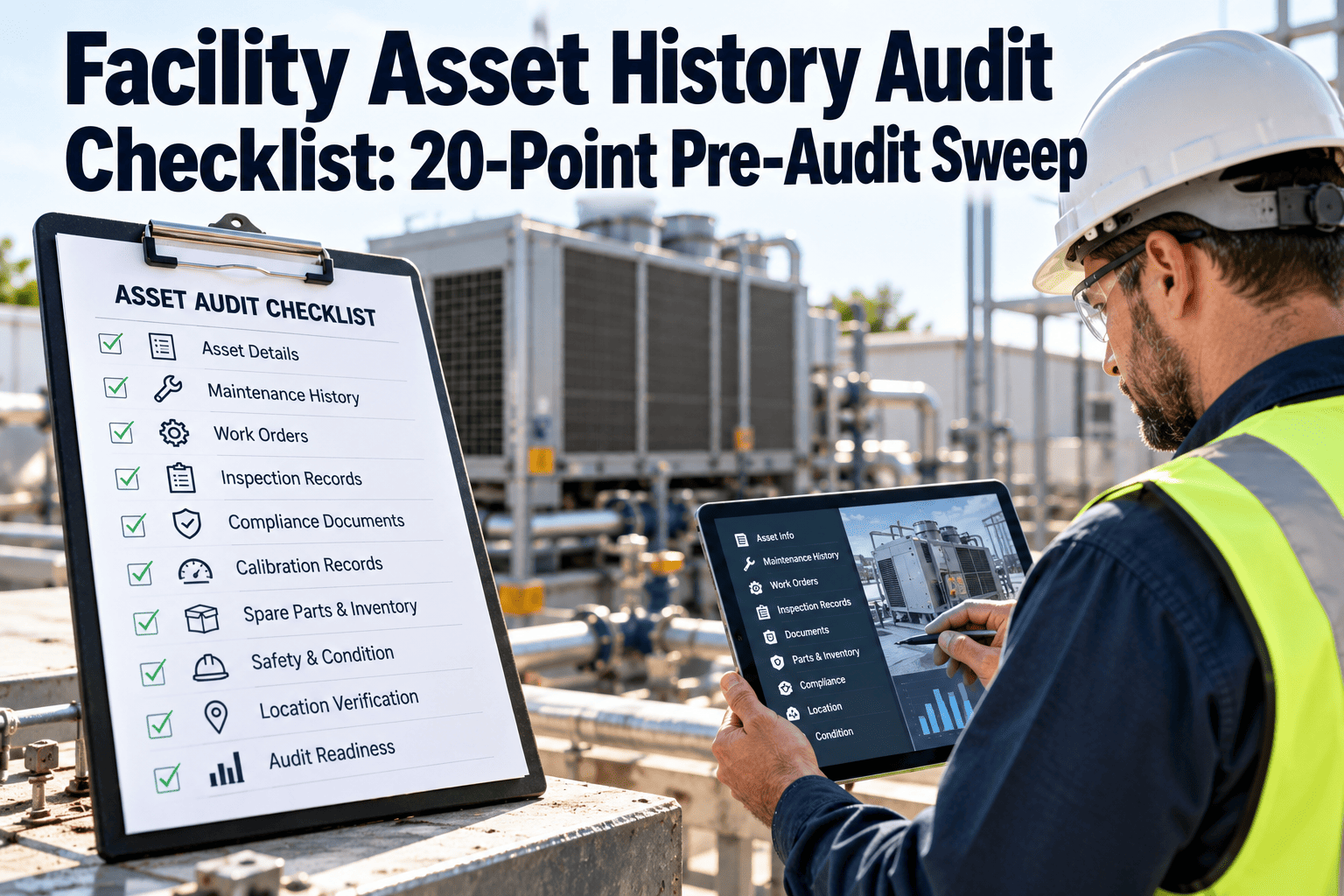
The audit-day packet checklist
- Policy conditions and broker survey letter
- Master asset register by building and system
- Inspection schedule showing required frequencies
- Latest certificate for every regulated asset
- Service reports for five years, indexed by asset
- Deficiency log with closure dates and proof
- Impairment and shutdown records for fire systems
- Gap register with owners and corrective dates
- Contractor qualification and licence evidence
- Named audit lead and retrieval walkthrough
Root causes: why the history broke in the first place
Recovering records solved the immediate problem. The team also traced why the history had fragmented, because otherwise the same exposure would return within two years.
How Oxmaint supports a continuous audit trail
After the audit, the team moved to a single maintenance platform so that evidence is created as work happens. A record chain like the one below replaces the recovery project.
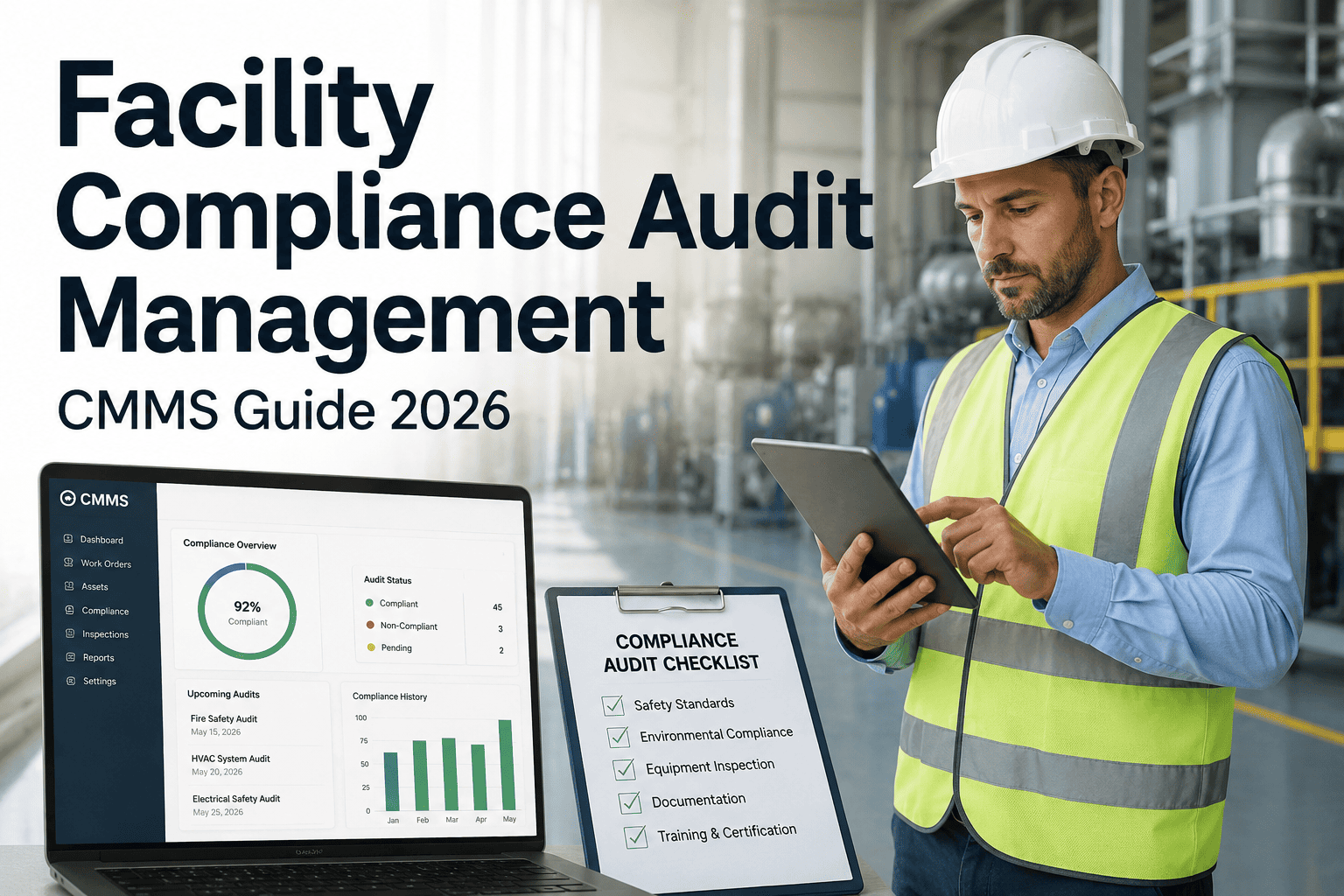
Capabilities that matter for audits
- Asset management with building and system hierarchy for every covered device
- Preventive maintenance scheduling with due dates and overdue visibility
- Inspection checklists completed on mobile, with timestamps and technician names
- Corrective work orders that link deficiencies to their closure
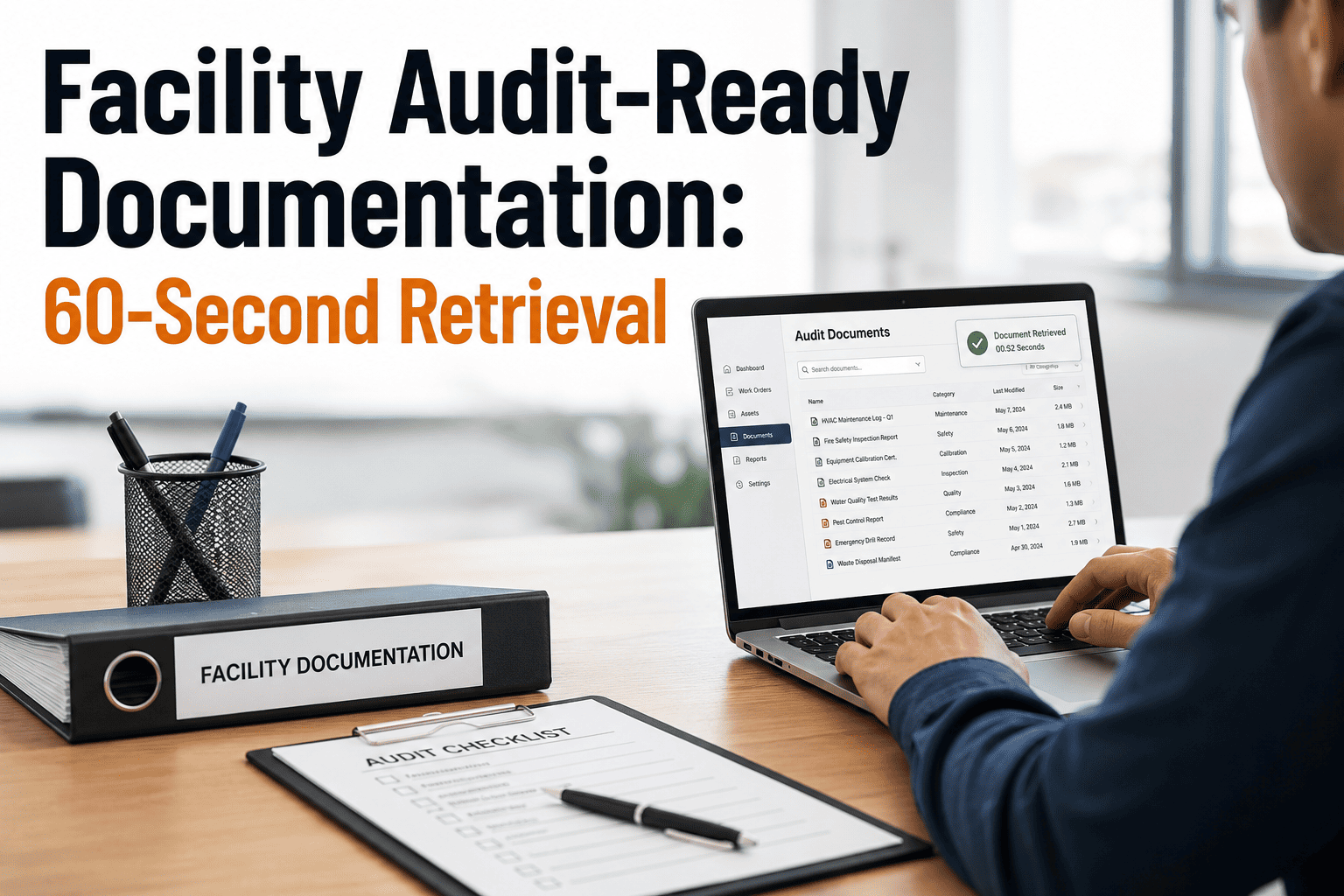
- Dashboards and reports that produce an asset history in minutes
Lessons the team would repeat
Appoint one audit lead on day one
- One person owns the response, the timeline and every message to the broker
- Regional managers supply records, but the lead decides what goes in the packet
Triage by consequence, not by volume
- Fire protection, boilers and elevators were recovered before routine HVAC filters
- Low-risk gaps were disclosed in a summary rather than chased for weeks
Fix the system while the pressure is on
- Leadership approved a single maintenance platform because the audit made the risk visible
- New work orders were captured digitally from day 20, so the history stopped fragmenting immediately
Treat insurers as partners
- Early, honest disclosure of gaps built credibility with the broker and the surveyor
- A dated corrective plan showed that the organisation controls its risk
Why documentation matters more every renewal cycle
Carriers increasingly expect policyholders to demonstrate risk control rather than describe it. Engineering surveys, loss-control recommendations and renewal questionnaires all lean on documented inspection, testing and maintenance. Facilities that can produce records quickly tend to have simpler conversations about terms and recommendations.
- Survey recommendations need closure evidence, not just a promise
- Impairments to fire protection need start and end records
- Regulated equipment needs current certificates visible per asset
- Contractor changes need a continuous history that survives the handover
KPIs to monitor after the audit
| KPI | What it measures | Why insurers and auditors care |
|---|---|---|
| Preventive compliance rate | Share of scheduled tasks completed on time | Shows that required maintenance is routine |
| Overdue critical inspections | Count of life safety or regulated tasks past due | Highlights exposure before an incident |
| Work orders with evidence | Share closed with report, photo or certificate | Makes each record defensible |
| Time to produce a record | Minutes needed to retrieve an asset history | Predicts audit-day performance |
| Deficiency closure time | Days from finding to verified repair | Shows that known issues do not linger |
Frequently asked questions
Can a facility team really reconstruct maintenance history?
Often much of it, when vendor archives, certificates and logs exist. Anything unsupported should be shown as a gap with a corrective plan, never recreated.
What do insurers usually ask to see?
Evidence that inspections, tests and maintenance on protective systems were performed on schedule and that deficiencies were fixed. Check your policy and broker notes for specifics.
Is it acceptable to backdate missing entries?
No. Backdating can turn a documentation gap into a misrepresentation problem. Record the real date and cite the source.
How does a CMMS prevent a repeat?
It captures evidence at the moment work is completed and ties it to the asset. You can sign up to set up your register and schedules.
Where should we start with a large portfolio?
Start with fire protection, boilers and elevators. If you want a walkthrough, book a demo and bring your asset list.
Be audit-ready before the notice arrives
Centralise assets, inspections and work orders so every record is one search away. Start with your highest-risk systems this month.