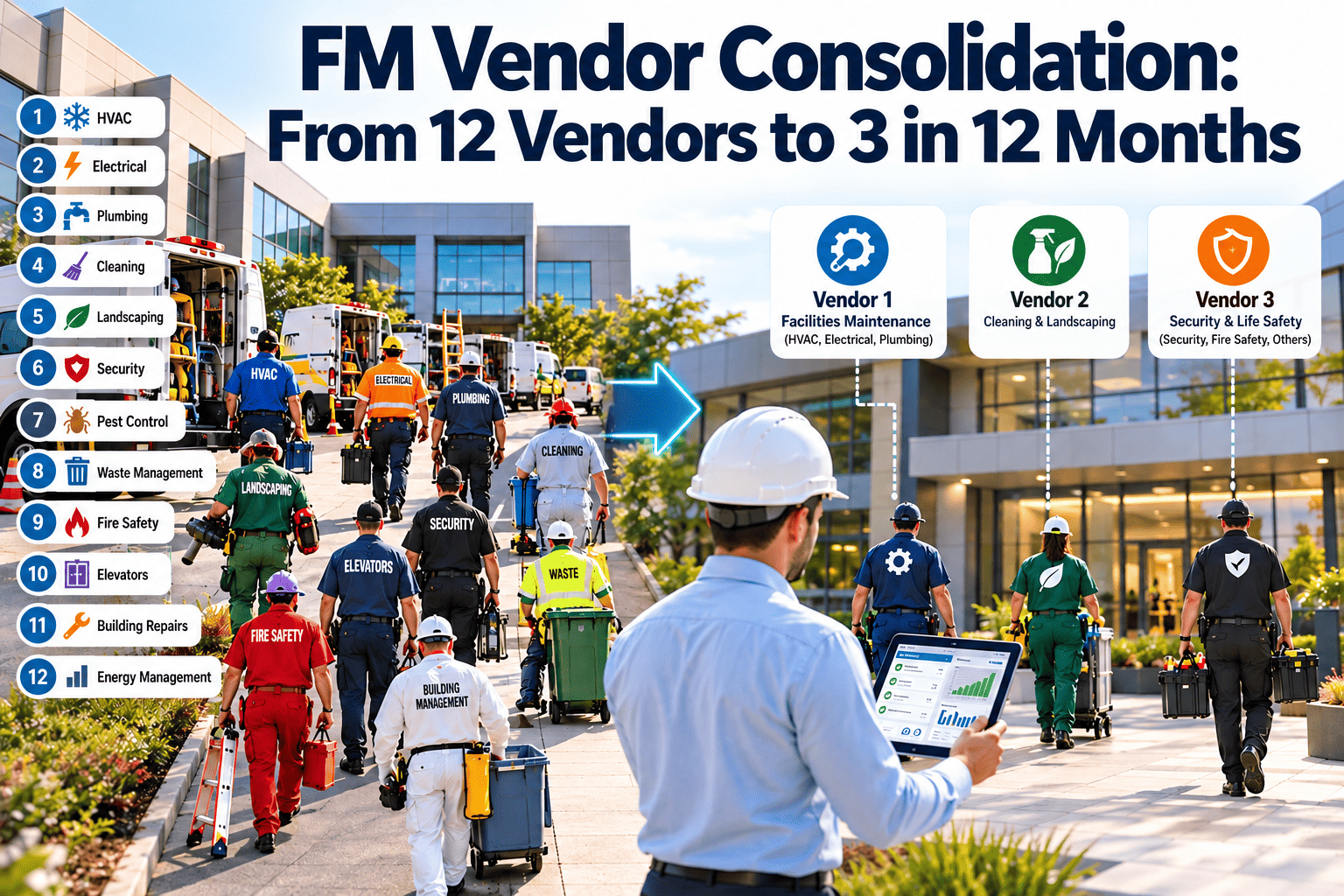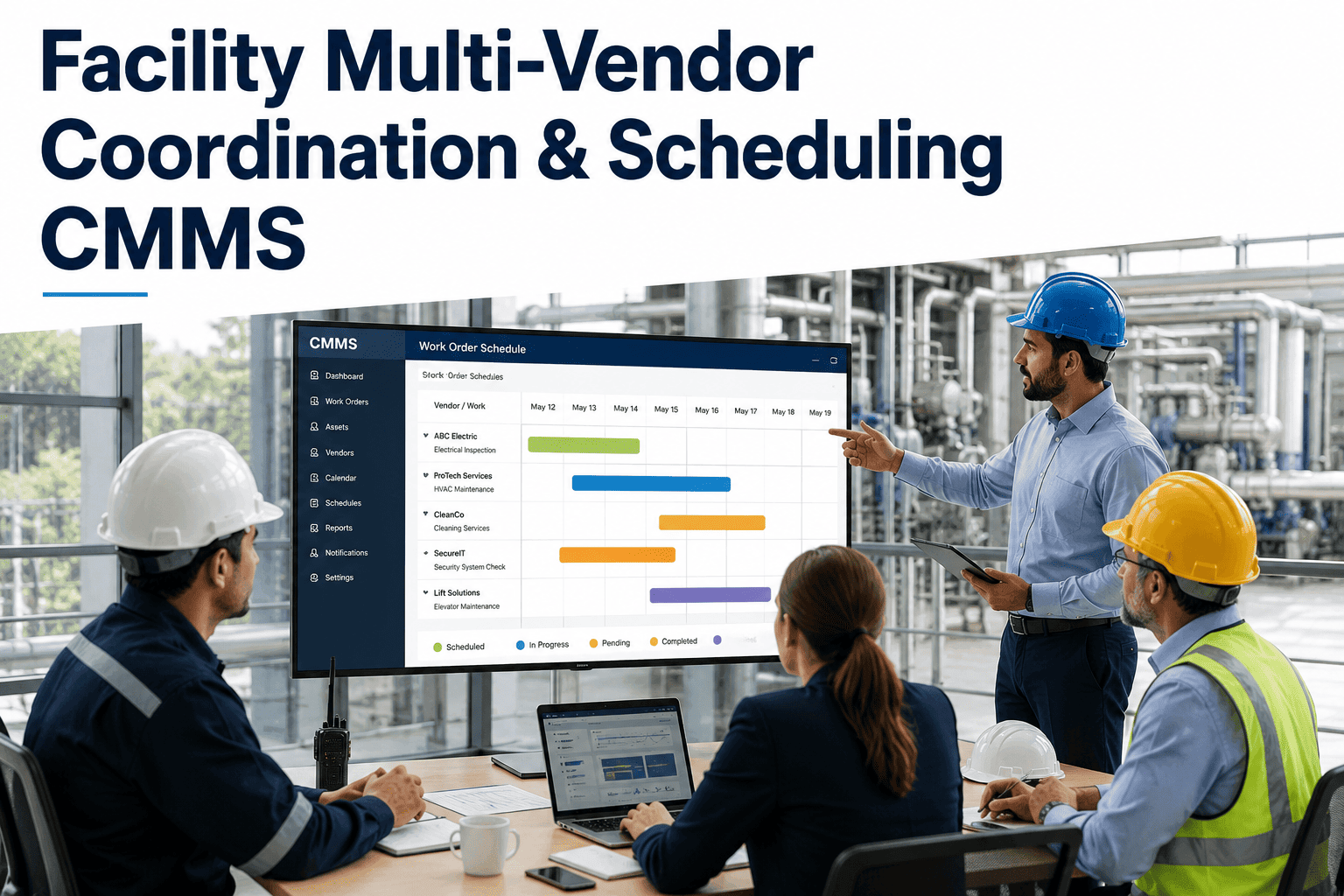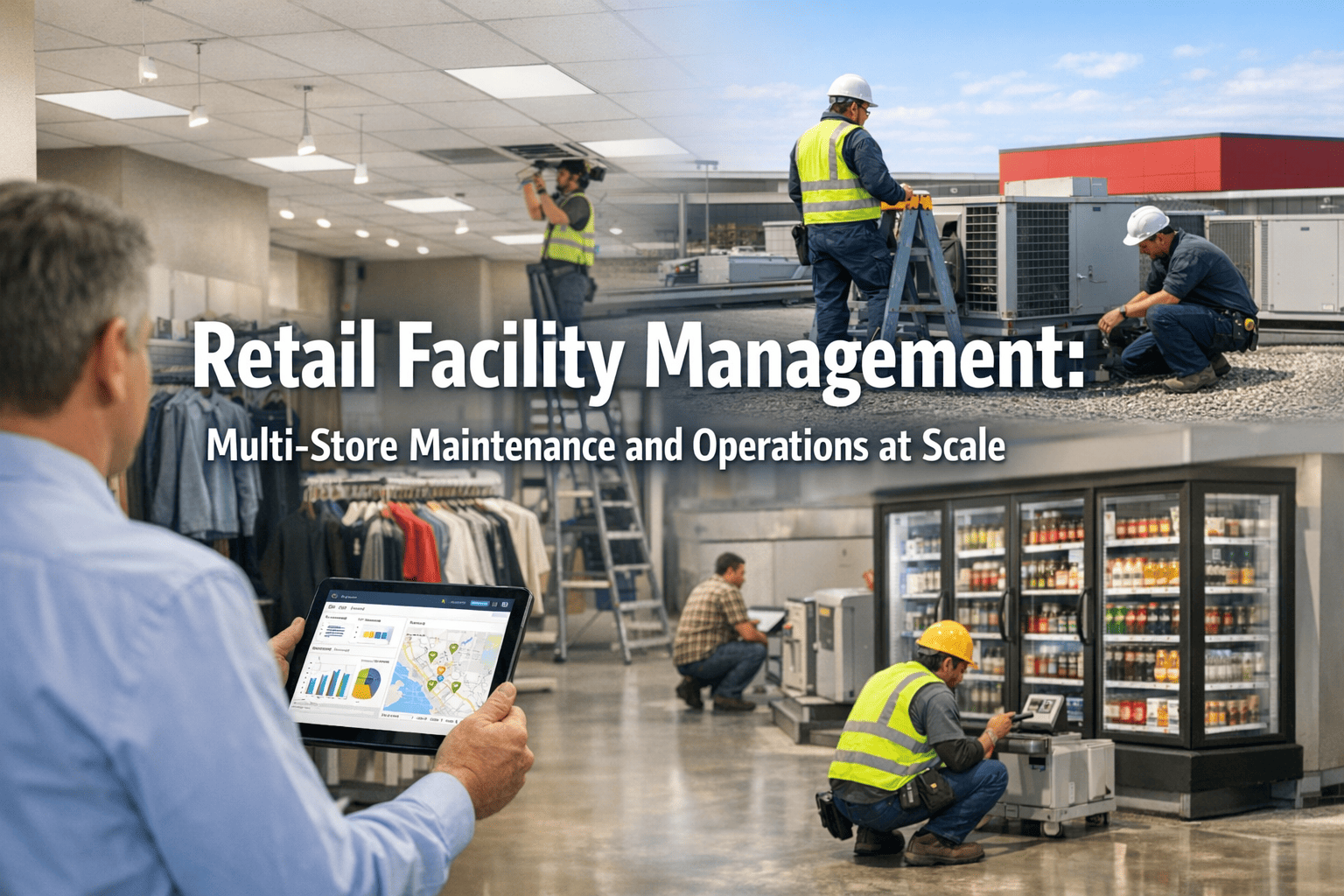
FM vendor consolidation and supplier rationalization is the process of reducing the number of facility management suppliers to eliminate administrative overhead, lower costs, and improve service quality. When a facility portfolio relies on dozens of fragmented vendors—each with separate contracts, invoicing cycles, and service level agreements—maintenance teams spend more time managing paperwork than maintaining assets. Supplier rationalization in facilities management identifies overlapping services, consolidates spend with fewer strategic partners, and phases out underperforming vendors without losing the specialized expertise your critical equipment requires. By integrating a centralized CMMS like OxMaint, you can track vendor performance, automate work order routing, and quantify exactly which suppliers deserve a larger share of your budget—start your Start Free Trial to see how quickly you can gain control of your vendor ecosystem.
Are 40+ Vendors Slowing Down Your Facility Operations?
Managing dozens of small suppliers means duplicated effort, inconsistent service levels, and hidden costs. Consolidate your FM supplier base with confidence and cut vendor management overhead by up to 35%.
Why FM Vendor Consolidation Matters for Modern Portfolios
A typical 500,000-square-foot commercial portfolio relies on 35 to 50 separate vendors spanning HVAC, fire safety, landscaping, pest control, and general repairs. Each adds an average of $12,000 in annual administrative burden—contract reviews, invoice processing, insurance tracking, and dispute resolution. That is over $500,000 in pure overhead before a single wrench turns.
Facility vendor consolidation is not just about cutting headcount on your vendor list. It is about converting fragmented, unmanaged spend into strategic partnerships where volume discounts, consolidated SLAs, and transparent performance data drive continuous improvement. When you reduce your FM supplier base, you reduce the attack surface for compliance gaps, insurance lapses, and safety incidents caused by misaligned vendors.
How to Rationalize Your FM Supplier Base Without Losing Specialists
A successful vendor consolidation strategy in FM requires a structured methodology. You cannot simply fire vendors at random—you must categorize, score, and transition deliberately to avoid service gaps on critical assets.
Vendor Discovery & Spend Baseline
Audit all active contracts, purchase orders, and rogue spend. Map every vendor to the assets and locations they service. Identify shadow vendors—often 15-20% of total spend—that bypass formal procurement channels entirely.
Performance Scoring & Risk Tiering
Score every supplier on SLA adherence, first-time-fix rate, response time, invoice accuracy, and safety record. Tier vendors into Strategic, Tactical, and Transactional buckets. Flag single-point-of-failure vendors who require backup or consolidation partners before termination.
Consolidation & RFP Execution
Bundle overlapping scopes (e.g., merge three separate HVAC vendors into one regional provider). Issue RFPs to pre-qualified consolidators who can handle multi-site coverage. Negotiate volume-based pricing tied to measurable KPIs inside your CMMS.
Transition & Knowledge Transfer
Phase out underperforming vendors on a 60-day glide path. Transfer asset history, warranty data, and preventive maintenance schedules to incoming providers. Use OxMaint to grant scoped access so new vendors see exactly what they need without exposing your full portfolio data.
Continuous Performance Monitoring
Track consolidated vendors against baseline metrics. Review quarterly scorecards. A rationalized supplier base is only effective if you maintain visibility—without a centralized system, vendor count creeps back up within 12 months in 60% of programs.
Transition Planning: Mitigating Risk During Vendor Consolidation
The biggest fear maintenance directors have during facility supplier consolidation is losing specialized knowledge. If the vendor who has serviced your rooftop units for eight years is replaced, will the new vendor understand the legacy quirks of that specific equipment? Risk mitigation is what separates a successful rationalization from a costly service failure.
High-Risk: Single-Source Specialists
Vendors handling unique or legacy equipment (e.g., obsolete chiller controls, custom boiler systems). Do NOT consolidate these until you have documented all maintenance procedures and identified a backup provider.
Medium-Risk: Overlapping Services
Multiple vendors providing similar services (e.g., three janitorial companies across different sites). Consolidate aggressively but require a 60-day transition with joint site walks to ensure scope coverage.
Low-Risk: Transactional Suppliers
One-off repair vendors, ad-hoc contractors, and low-spend suppliers. Consolidate immediately into a master service agreement with a single regional provider to eliminate admin overhead.
Fragmented vs. Consolidated FM Supplier Base
The business case for FM supply base consolidation becomes obvious when you quantify the operational differences. Here is what changes when a 180-asset commercial portfolio reduces its vendor count from 47 to 18 strategic partners.
| Metric | Fragmented Supplier Base | Consolidated Supplier Base | Improvement |
|---|---|---|---|
| Active Vendor Count | 47 separate vendors | 18 strategic partners | 62% reduction |
| Monthly Invoices Processed | 140+ invoices | 38 consolidated invoices | 73% less AP workload |
| Avg. Response Time (Critical) | 6.5 hours | 2.8 hours | 57% faster |
| SLA Compliance Rate | 71% | 94% | +23 percentage points |
| Annual Admin Overhead | $564,000 | $216,000 | $348K saved |
| Compliance Audit Prep Time | 3 weeks per audit | 2 days (via CMMS reports) | 90% reduction |
"We cut our vendor count from 52 to 19 in one fiscal year. The real win wasn't the 8% cost savings—it was that our maintenance team stopped being a vendor management office and started being a reliability team."
— Director of Facilities, 2.1M sq.ft. Healthcare Portfolio
How OxMaint Powers Your Vendor Consolidation Program
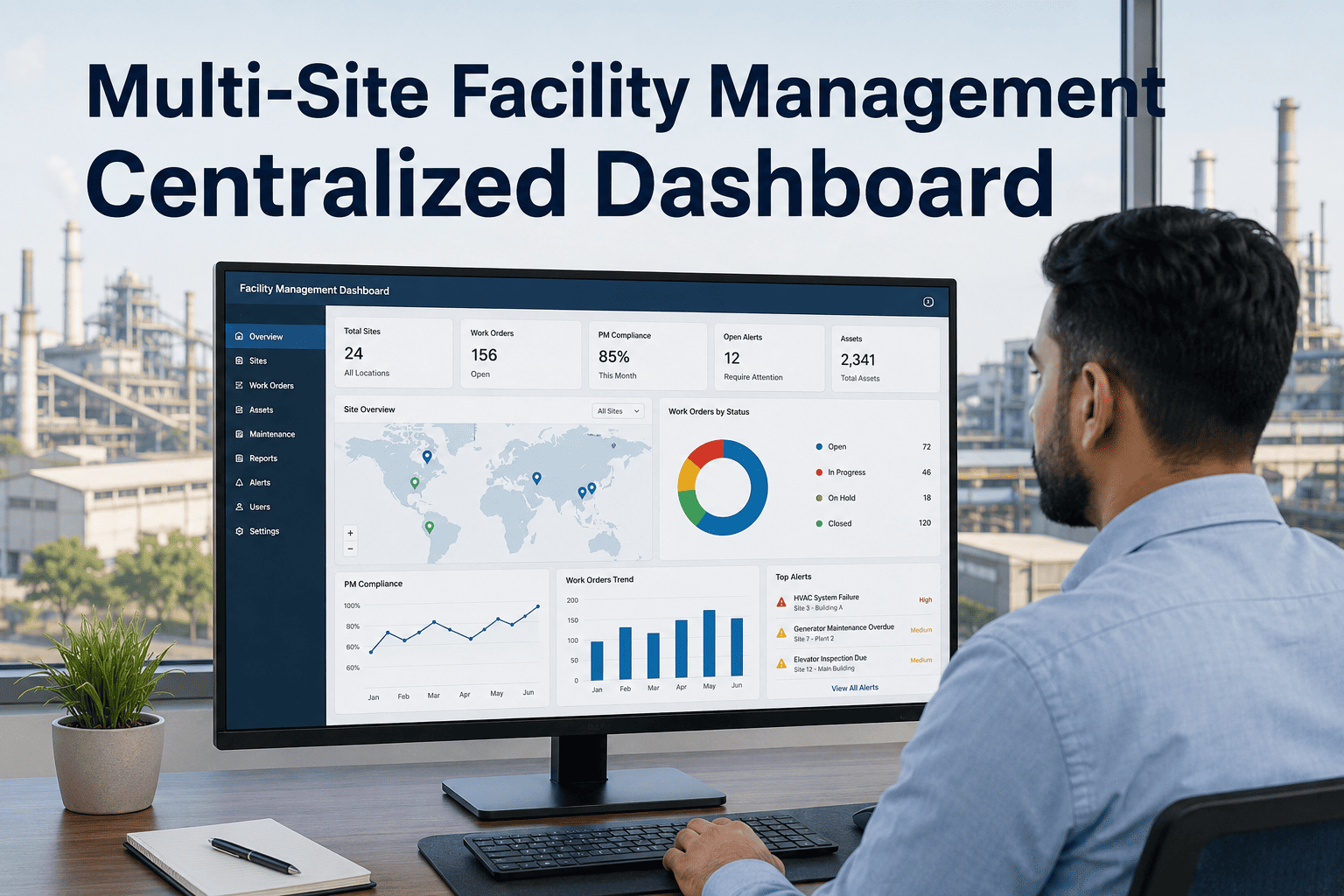
OxMaint is built to be the single source of truth that makes FM vendor reduction possible—and permanent. Without a centralized CMMS tracking vendor performance, consolidated suppliers gradually expand back to their original count within 12-18 months. OxMaint locks in your gains with AI-driven work order management, real-time vendor scorecards, and predictive analytics that prove which suppliers are worth keeping.
Centralized Vendor Scorecards
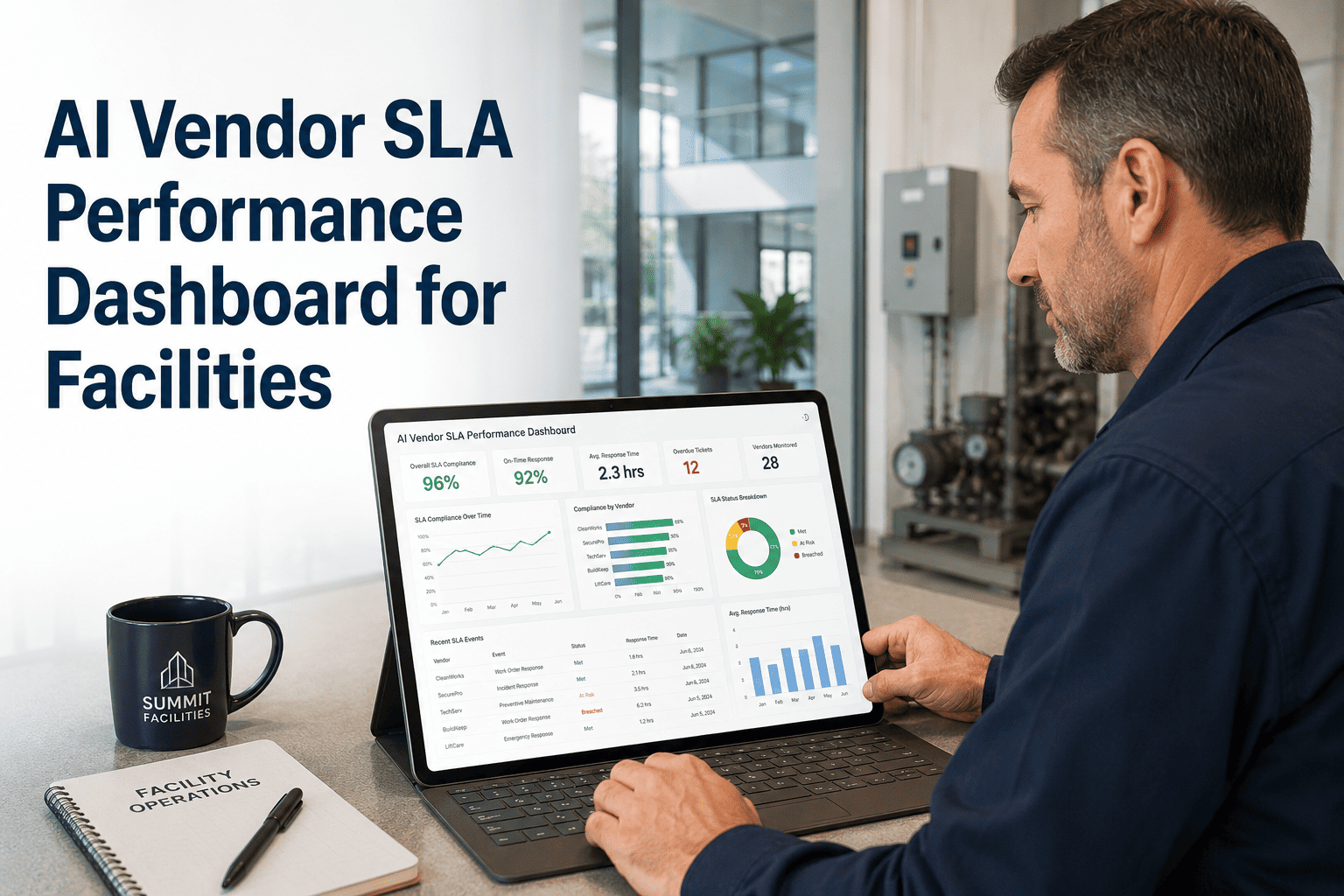
Track response time, first-time-fix rate, cost per work order, and SLA compliance for every vendor in real time. Replace gut-feel vendor reviews with data-driven scorecards that make consolidation decisions defensible. Outcome: identify the bottom 20% of vendors in 30 days.
Automated Work Order Routing
Route work orders to the right consolidated vendor automatically based on asset type, location, SLA tier, and skill matrix. Eliminate the phone-call-and-email chain that fragmented vendor management requires. Outcome: cut work order admin time by 40-60%.
Predictive Maintenance Analytics
AI-driven failure prediction on critical assets means you can consolidate vendors without risking uptime. OxMaint predicts equipment failures 7-21 days in advance, giving your strategic partners time to intervene before breakdowns occur. Outcome: reduce unplanned downtime by 30-50%.
Compliance & Audit Readiness
Every vendor interaction—work order, inspection, part replacement, safety incident—is logged immutably in OxMaint. Generate compliance reports for ISO 55000, OSHA, and internal audits in minutes, not weeks. Outcome: pass any audit with zero manual data gathering.
See OxMaint Manage Your Consolidated Vendor Base
Book a 30-minute demo and see how OxMaint tracks vendor performance, automates work order routing, and proves ROI on your supplier rationalization program.
FM Vendor Consolidation: Common Questions
What is FM vendor consolidation and how is it different from cost-cutting?
FM vendor consolidation is the strategic reduction of suppliers in a facilities management portfolio to improve service quality, reduce administrative overhead, and gain volume pricing—whereas simple cost-cutting just slashes budgets. A proper supplier rationalization program evaluates vendor performance, risk, and strategic value, not just price. The goal is fewer, better vendors managed through a centralized CMMS like OxMaint that tracks measurable outcomes.
How many vendors should a facility management portfolio have?
There is no universal number, but a well-rationalized FM portfolio typically consolidates to 15-25 strategic vendors regardless of size, covering all major service categories. The key metric is not vendor count but vendor management overhead—if you cannot track SLA compliance and performance data for every active vendor, your supplier base is too large. Use the 80/20 rule: 80% of spend should flow through 20% of your vendors.
How do you consolidate vendors without losing specialized expertise?
Protect specialized vendors by documenting all asset histories, maintenance procedures, and service records in a centralized CMMS before any transition. Require a 60-90 day overlap period where both the outgoing and incoming vendors service the same assets, and use OxMaint to capture work order data from both. This ensures knowledge transfers to your system, not just to the next vendor, so you are never held hostage by a single supplier's institutional knowledge.
What are the biggest risks of facility supplier consolidation?
The three primary risks are: (1) creating single points of failure by over-consolidating critical services, (2) losing institutional knowledge when long-tenured vendors are replaced, and (3) service quality drops during the transition period. Mitigate all three by using a phased 90-day transition, maintaining backup vendor relationships for critical asset categories, and tracking real-time performance data in OxMaint to catch service degradation before it impacts operations. Book a demo to see how OxMaint de-risks the entire process.
How long does an FM supplier rationalization program take?
A typical FM vendor consolidation program takes 4 to 6 months from baseline audit to full transition. Month 1 is discovery and spend analysis, Month 2 is performance scoring, Month 3 is RFP and contract negotiation, Months 4-5 are phased transitions, and Month 6+ is continuous monitoring. With a CMMS like OxMaint already in place, the discovery and scoring phases can be cut in half because vendor performance data is already captured automatically.
Stop Managing Vendors. Start Managing Performance.
Consolidate your FM supplier base with confidence. OxMaint gives you the data, automation, and visibility to reduce vendor count by 60% while improving SLA compliance by 20% or more.
Free 14-day trial · No credit card