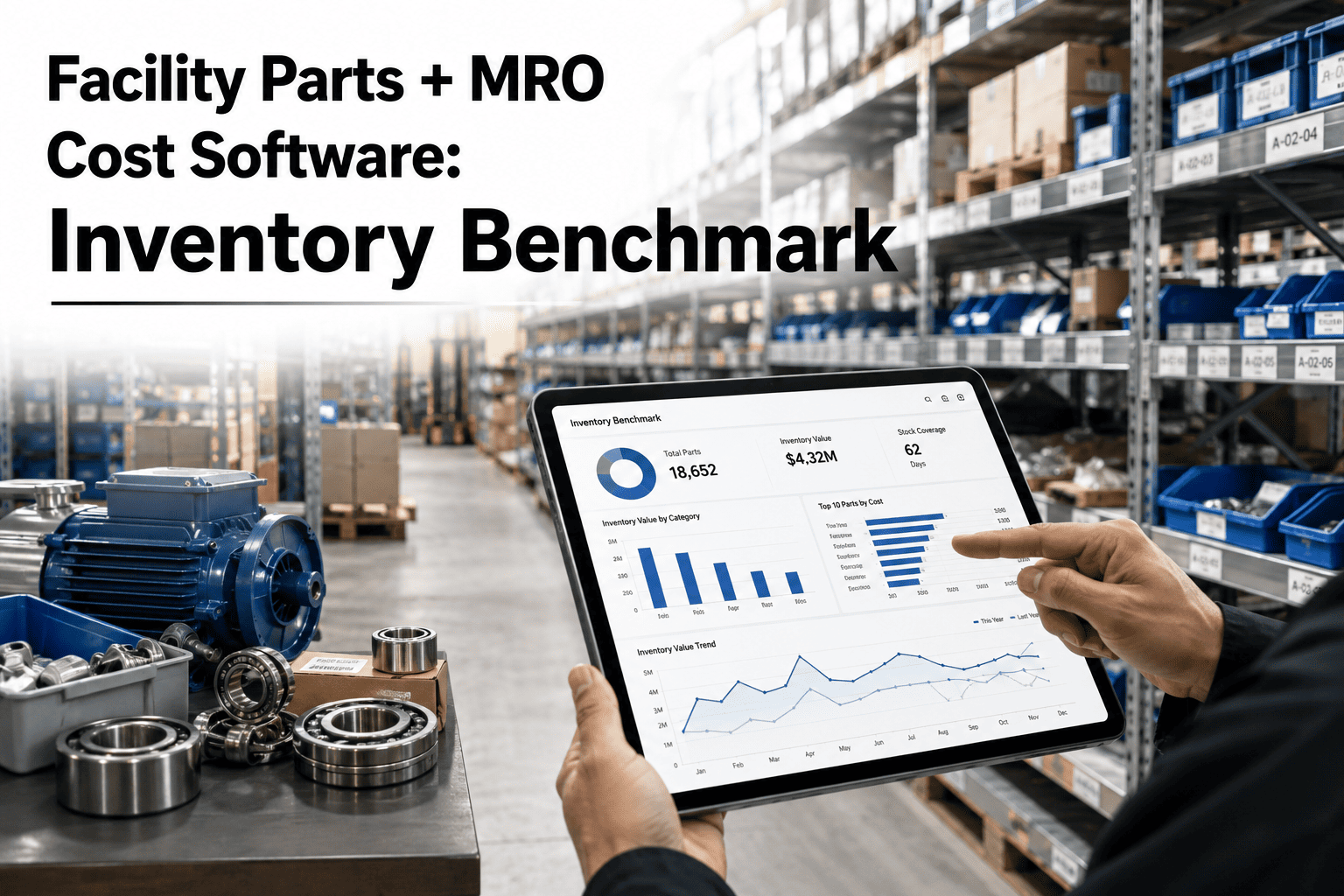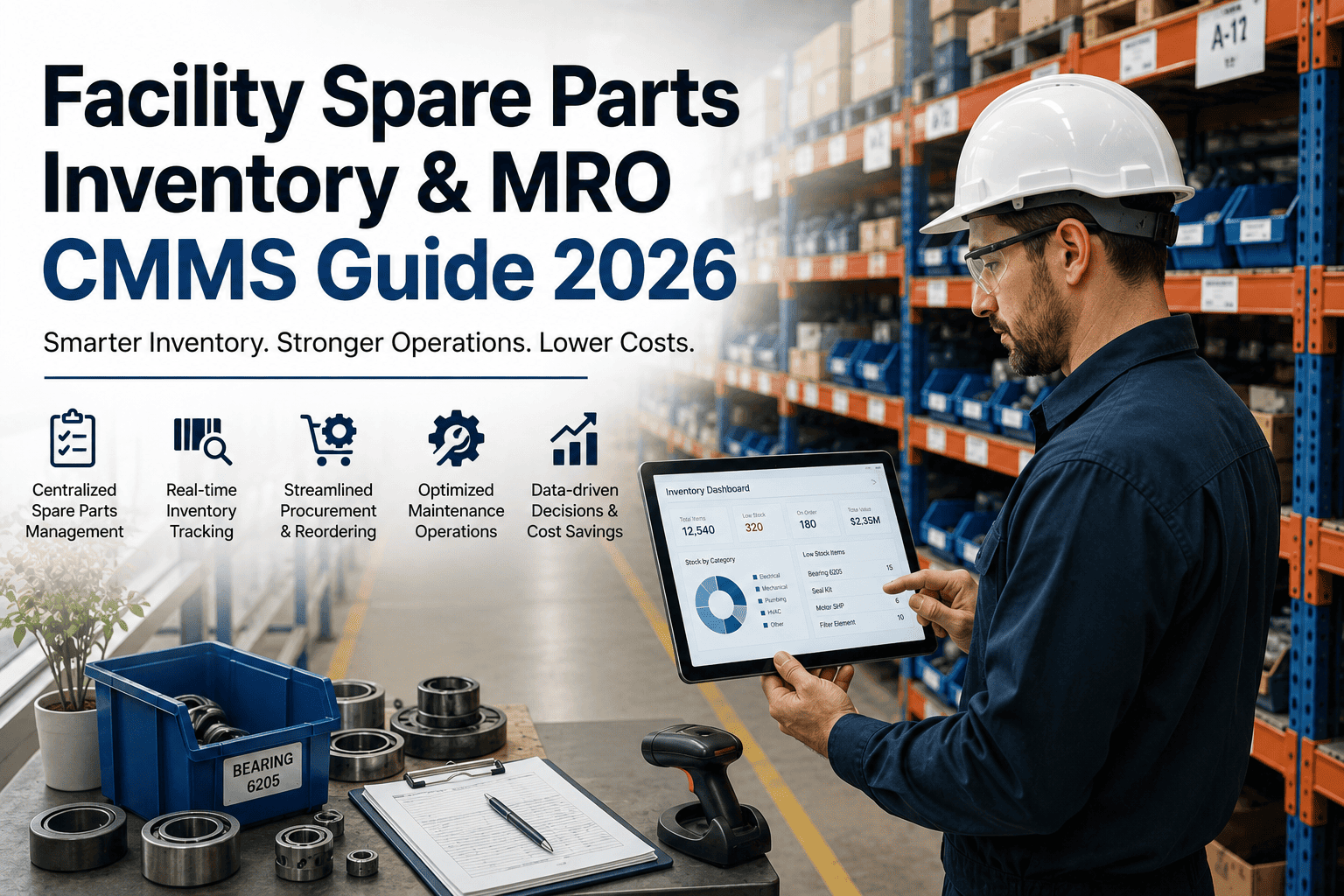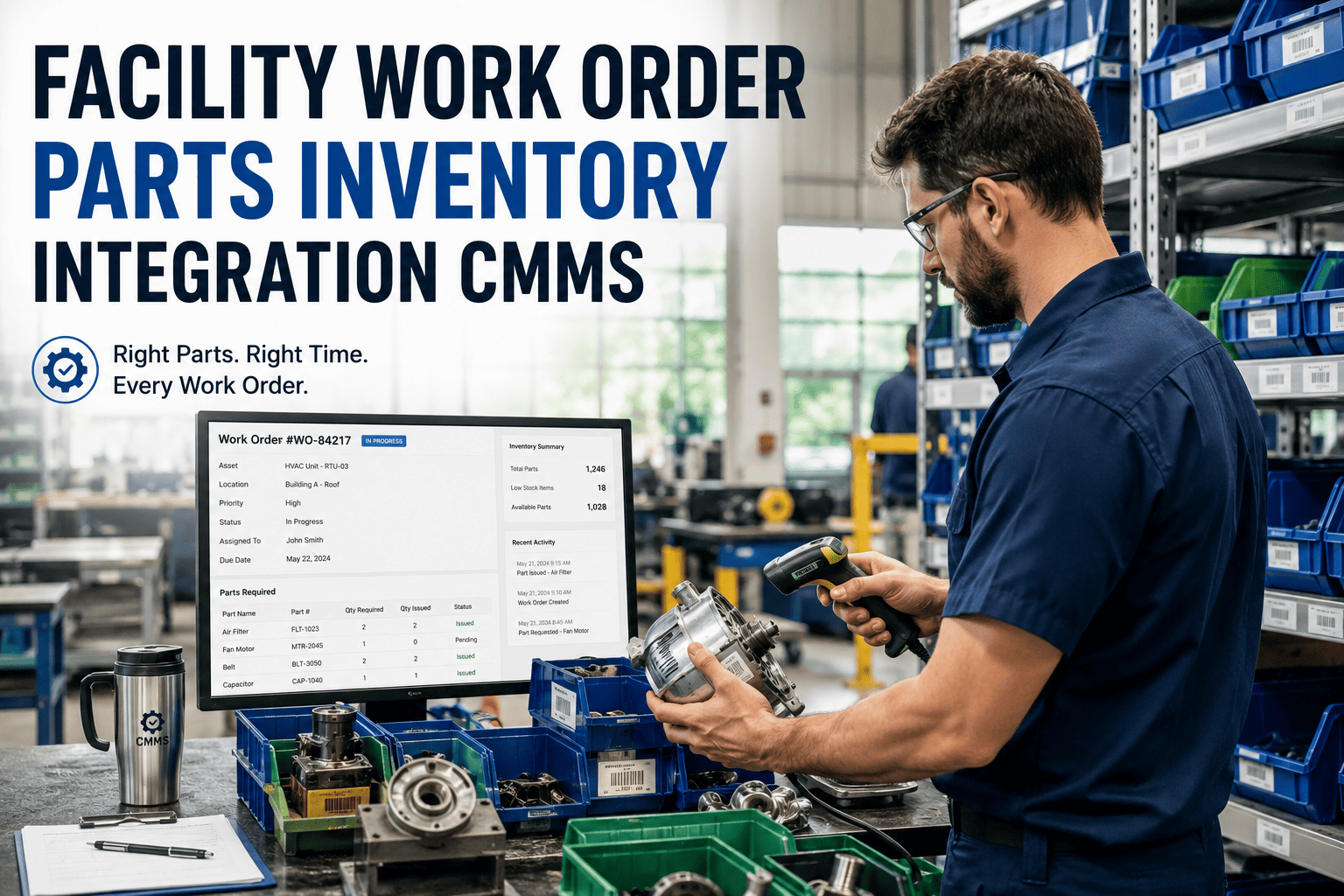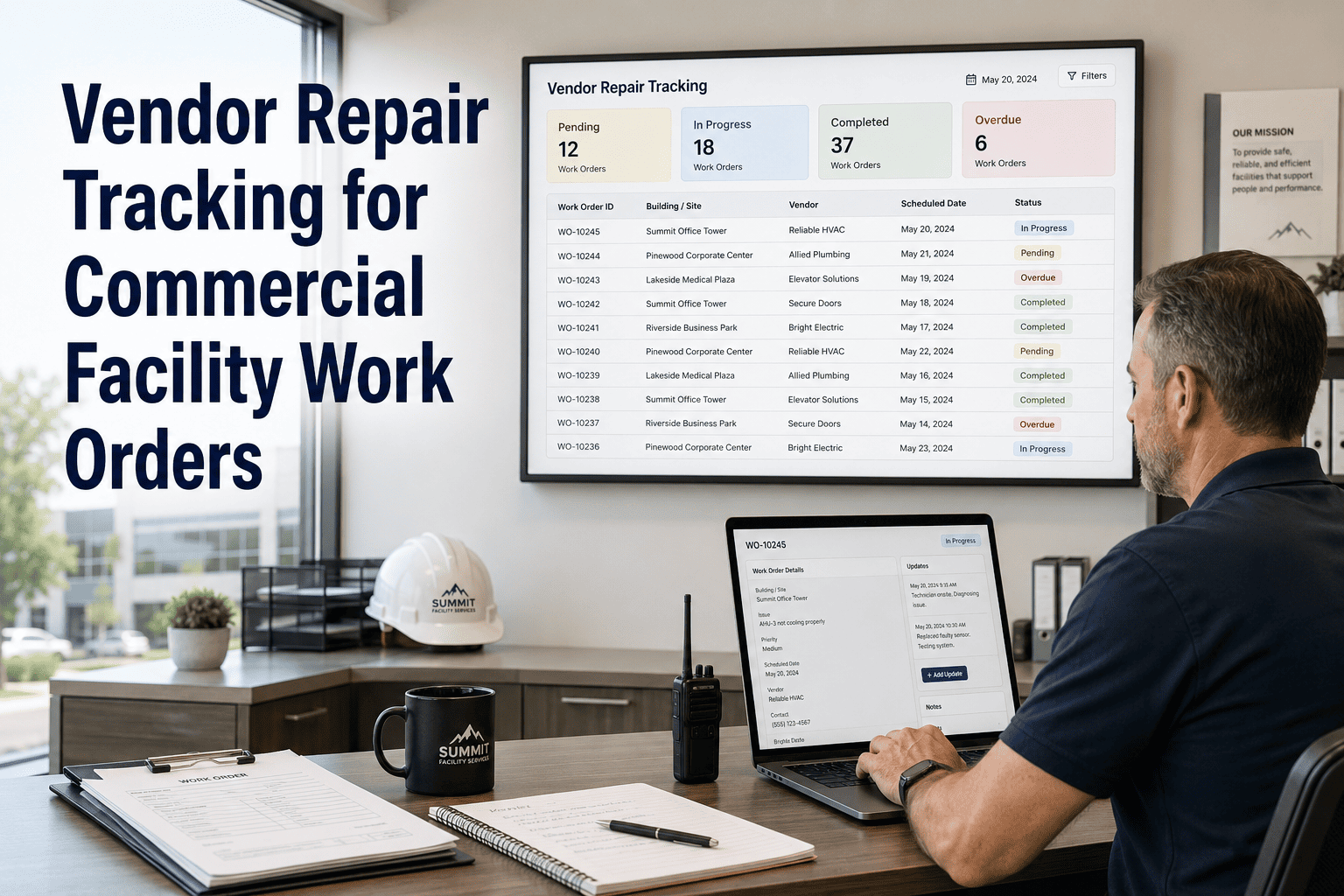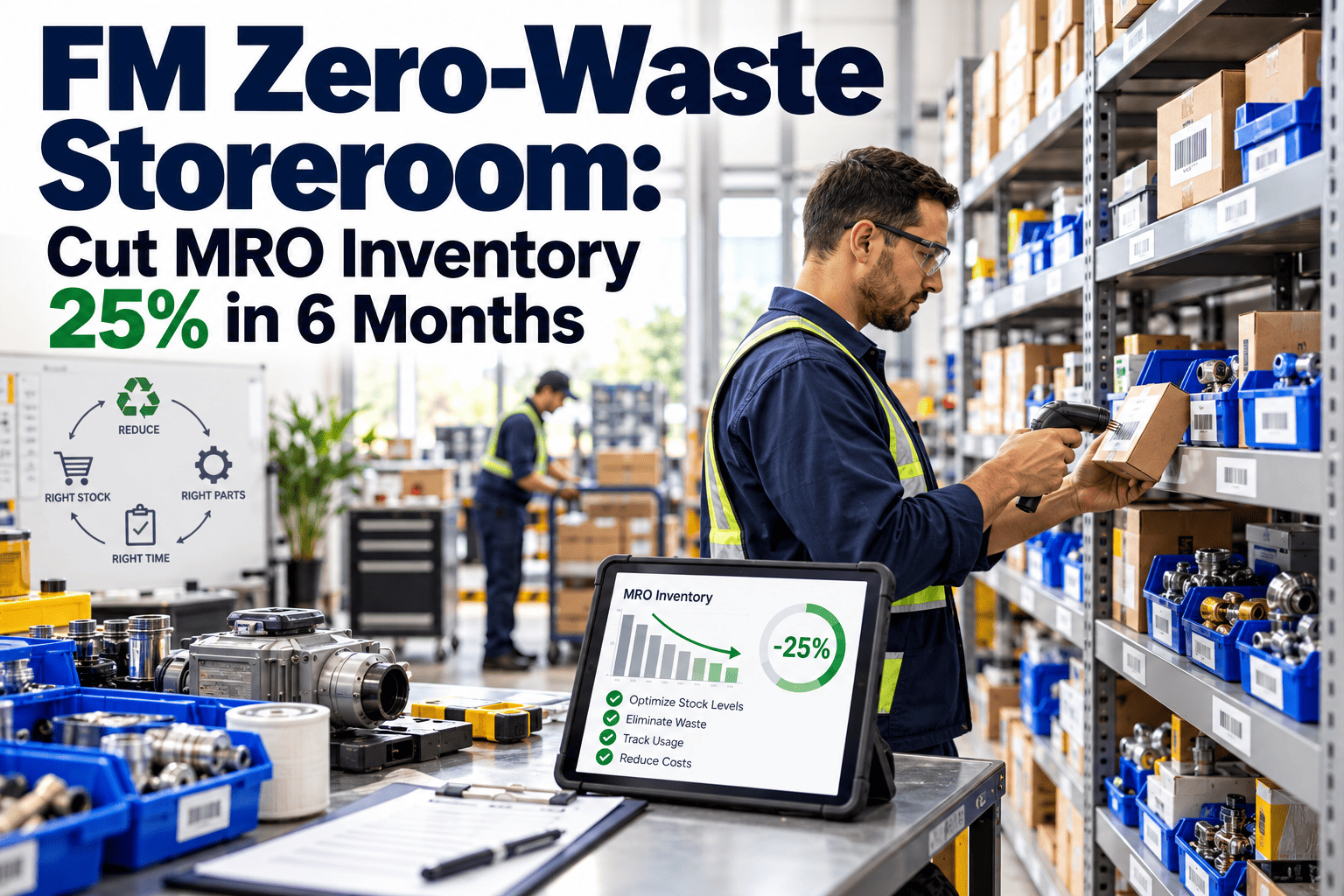
Walk into almost any facility storeroom and you will find parts nobody has issued in years: belts for a retired air handler, motors bought for a project that changed, and three brands of the same filter. Industry estimates often suggest that 15 to 30 percent of MRO stock is dead or slow-moving, but the only number that matters is yours. This guide lays out a six-month cleanup using ABC analysis, min/max resets, and vendor consignment, and shows how a CMMS with inventory tracking keeps the storeroom lean once the cleanup is done.
A six-month storeroom cleanup that targets a 25 percent MRO inventory reduction
Free up cash and shelf space without risking the parts your critical equipment depends on.
Why storerooms fill with parts nobody uses
Just-in-case buying
After one painful stockout, teams over-order to avoid the next one.Retired equipment
Spares remain after the asset is replaced because nobody updates the parts list.Duplicate items
Different descriptions and vendors create several records for one part.Static reorder points
Min and max values set years ago no longer match usage.Project leftovers
Excess materials from capital work enter stock without a plan to use them.Weak issue discipline
Parts taken without a work order make usage history unreliable.Classify stock so policy matches value and criticality
| Class | Typical profile | Policy |
|---|---|---|
| A | High annual spend or high-value items, often few in number | Tight control, frequent review, minimal safety stock |
| B | Moderate spend and usage | Standard min/max with periodic review |
| C | Low value, high count, such as fasteners and fittings | Bulk or kanban replenishment, simple rules |
| Critical spare | Low usage but long lead time and high downtime impact | Hold regardless of turns, tie to asset criticality |
Track every part, issue, and reorder point in one system
Oxmaint links inventory to work orders and assets so usage history reflects real consumption.
Recalculating reorder points from actual usage
Before reset
- Values copied from legacy records
- One safety factor for every item
- Lead times assumed, not recorded
After reset
- Values driven by 12 months of issues
- Safety stock scaled to criticality
- Supplier lead times logged and reviewed
When consignment makes sense
Good candidates
- Fast-moving items such as filters, belts, and lamps
- Standardized parts with reliable suppliers
- Items with high carrying cost or shelf-life risk
- Expensive spares used occasionally
Poor candidates
- Items where the vendor is a single point of failure
- Unique, site-specific components
- Parts needed during emergencies without vendor access
- Low-volume items the vendor will not carry
Handling confirmed dead stock
- Return to vendor: unopened items may be returnable, sometimes with a restocking fee.
- Transfer to another site: check sister facilities before writing off stock.
- Resell or auction: surplus equipment dealers and online channels can recover some value.
- Scrap or recycle: use for obsolete or damaged items, following finance and environmental rules.
- Document approvals: record who approved each write-off and why.
Metrics to hold the gains
MRO storeroom questions
Is a 25 percent reduction guaranteed?
No. It is a target. Results depend on how much dead stock exists and how critical spares are handled.
How do I identify dead stock?
Look for items with no issues for a defined period, then check asset links and criticality before acting.
Will lower inventory cause more stockouts?
Not if criticality and lead times drive min/max values and you monitor stockout rates.
Do we need a CMMS for this?
It makes the work repeatable by recording issues against work orders. You can book a demo to see inventory workflows.
Where should we start?
Count one storeroom, clean item records, and load them into a single inventory system.
Turn dead stock into working capital
Start the six-month cleanup with accurate item records, usage history, and reorder rules in one place.