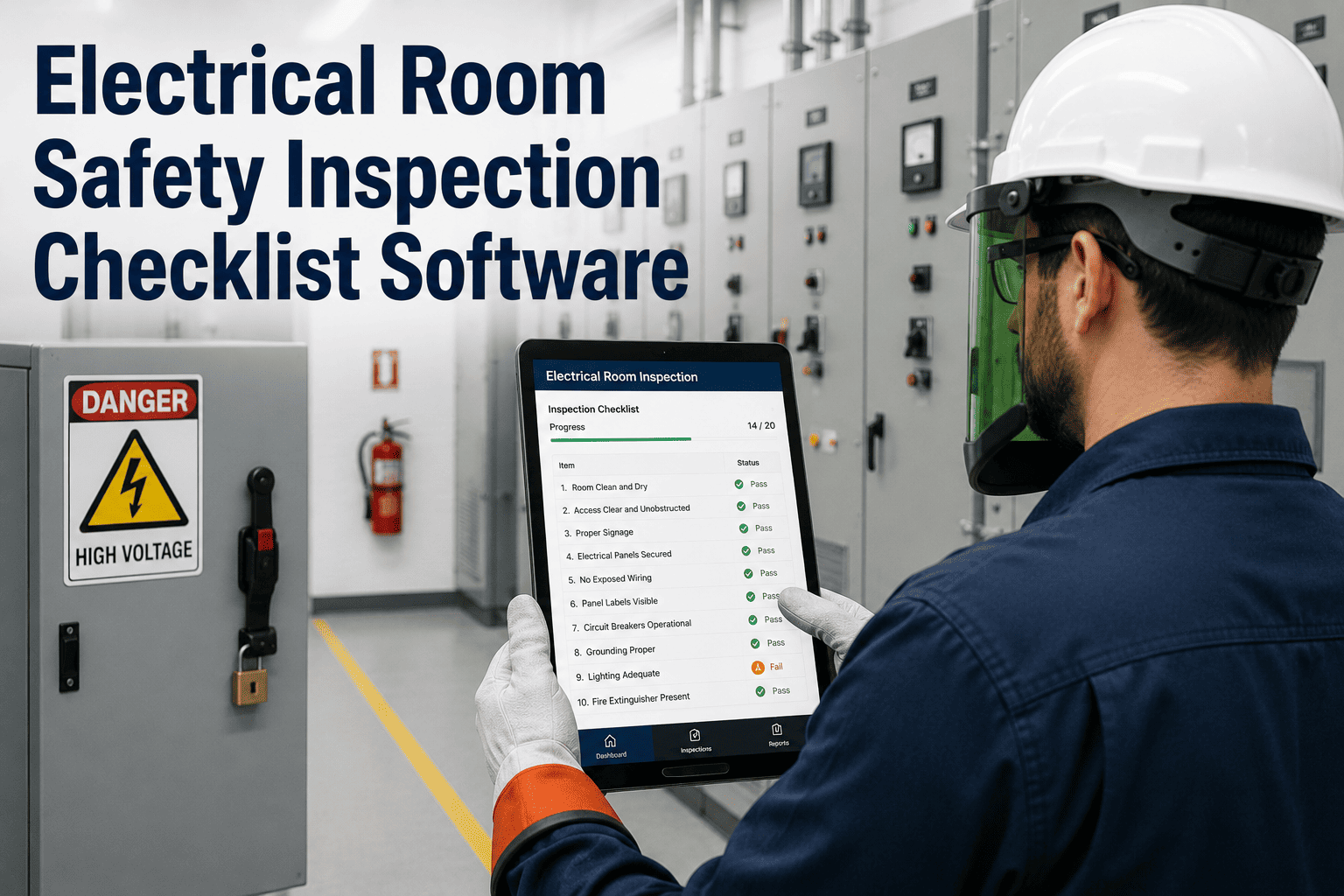
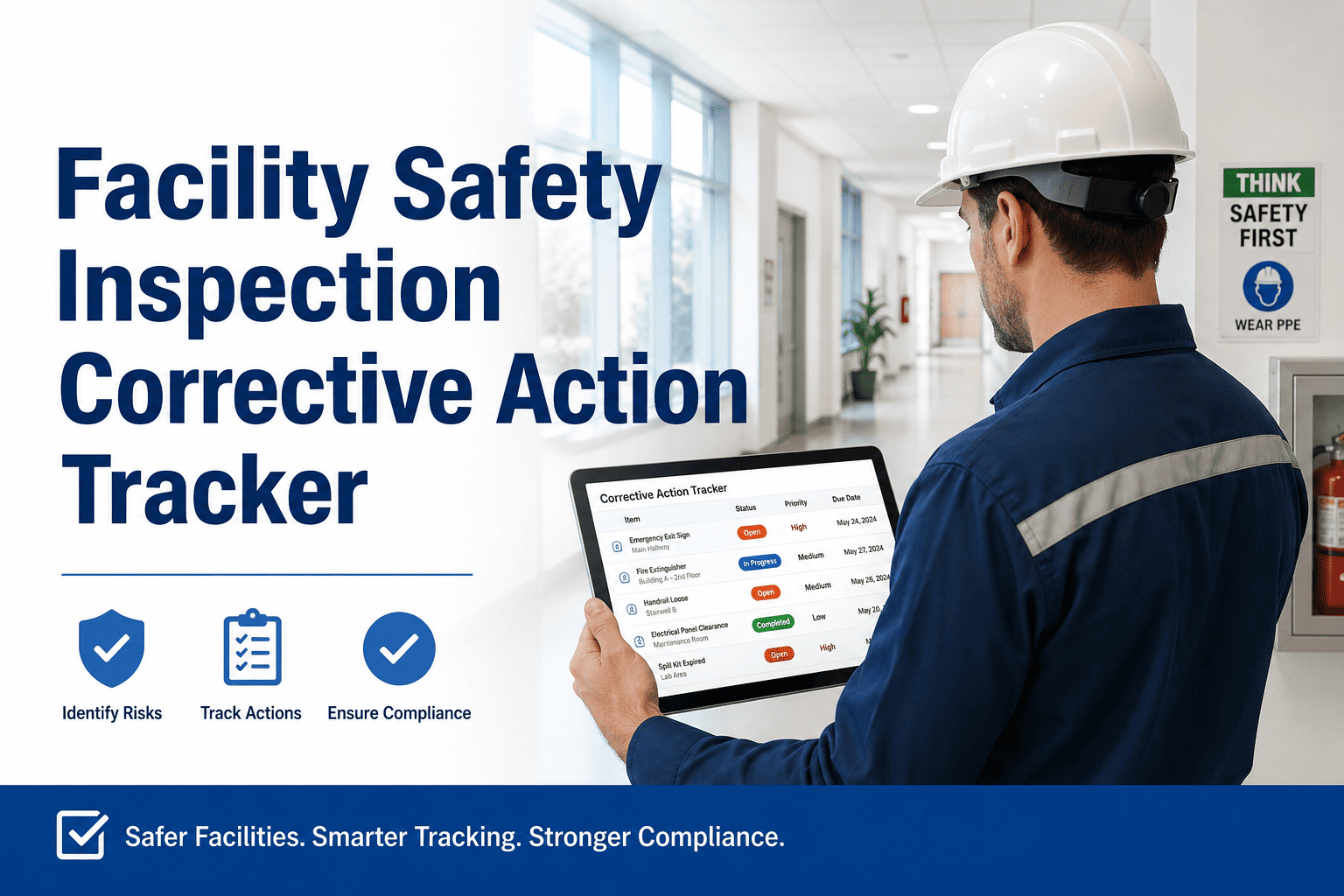
OSHA conducted 34,696 facility inspections in FY2024 — and the same violations appear on the top-10 list year after year. Fall protection has topped it for 15 consecutive years. Hazard communication and lockout/tagout follow close behind. Serious violations now carry fines up to $16,550 per violation, with willful or repeat violations reaching $165,514 each. This checklist covers every category OSHA inspectors target across 7 critical areas — work through it and close every gap before an inspector does. Use Oxmaint to turn every item here into a tracked, auto-scheduled compliance task with timestamped sign-off and full audit export.
Safety & Compliance
P1 — Critical
Compliance Tracking
$16,550
Per serious violation — 2025
$165,514
Per willful / repeat violation
$16,550/day
Failure-to-abate penalty
34,696
OSHA inspections in FY2024
Top Violations — FY2024
Where OSHA Finds Problems Most Often
01Fall Protection — General Requirements 1926.5016,307 citations
02Hazard Communication 1910.12002,888 citations
03Ladders 1926.10532,573 citations
04Respiratory Protection 1910.1342,470 citations
05Lockout / Tagout 1910.1472,346 citations
06Powered Industrial Trucks 1910.1782,248 citations
Complete Compliance Checklist
7 Critical OSHA Areas — 35 Inspection Items
01
Hazard Communication (HazCom)
29 CFR 1910.1200
5 items
02
Lockout / Tagout (LOTO)
29 CFR 1910.147
5 items
03
Fall Protection
29 CFR 1910.28 / 1926.501
5 items
04
Personal Protective Equipment (PPE)
29 CFR 1910.132–138
5 items
05
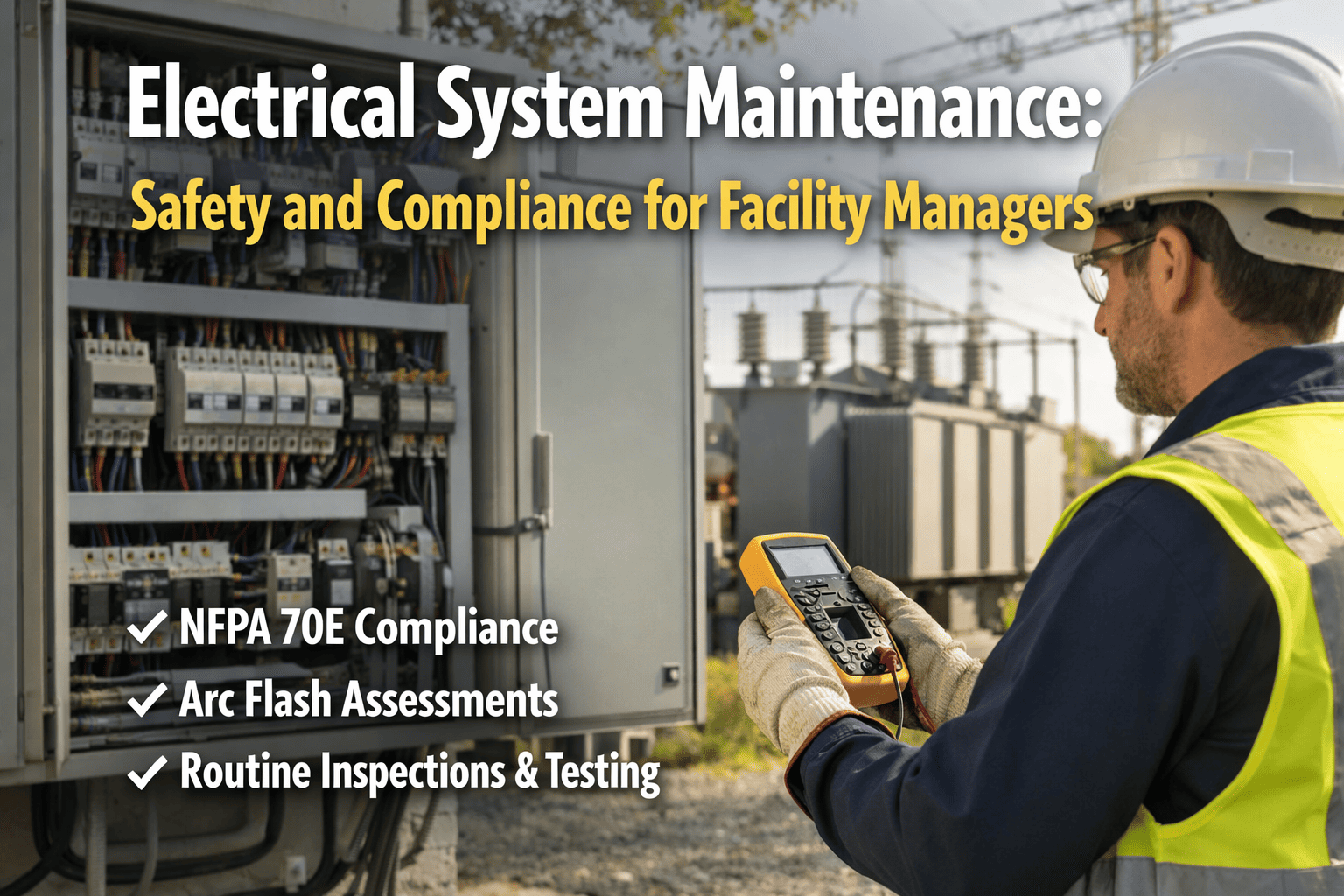
Electrical Safety
29 CFR 1910.303–335
5 items
06
Emergency Action Plan (EAP)
29 CFR 1910.38
5 items
07
OSHA Recordkeeping & Posting
29 CFR 1904 / 1903.2
5 items
Every Item Here Becomes a Tracked Task in Oxmaint
Oxmaint assigns each checklist item as a recurring compliance task, captures technician sign-offs with timestamps, and exports a full OSHA audit trail in minutes — ready for any inspection.
Expert Review
What Safety Compliance Professionals Say
"The facilities that fail OSHA inspections are rarely ignorant of the requirements. They know what LOTO requires. They know their SDSs need to be current. What fails them is execution at the task level — the work order was never created, the sign-off was never collected, the renewal alert was never sent. A CMMS that closes the gap between policy and documented proof is the compliance program."
EHS Director — Multi-Site Manufacturing, 1,400 Employees
"Fall protection tops the OSHA violation list every single year — not because facilities lack guardrails, but because the inspection, documentation, and corrective action cycle breaks down. An inspector does not want to see a guardrail. They want the inspection record, the corrective work order, and the training sign-off. Paper systems cannot keep up at scale across a facility with hundreds of inspection points."
Industrial Safety Consultant — 20+ Years Field Experience
Frequently Asked Questions
OSHA Compliance Checklist — Common Questions
How often should a facility conduct an internal OSHA compliance inspection?
A tiered schedule is standard practice. Supervisors do daily walkthroughs for obvious hazards. Monthly inspections cover fire extinguishers, GFCI outlets, exit signs, and PPE condition. Full audits against all OSHA standards run quarterly or semi-annually. Annual reviews update written programs and training records. Oxmaint auto-schedules all tiers and tracks completion without any manual follow-up.
What documentation does OSHA require on-site during an inspection?
Inspectors typically request: OSHA 300 Log and 300A Summary (5-year retention), OSHA 301 Incident Reports, written safety programs for HazCom, LOTO, EAP, and Respiratory Protection, training records for all exposed employees, equipment inspection logs, and LOTO authorization records. Storing all of this in a CMMS with timestamped sign-offs turns an inspection into a managed event. Book a demo to see Oxmaint's compliance export in action.
What is the difference between a serious and a willful OSHA violation?
A serious violation means a hazard existed that could cause death or significant harm and the employer knew or should have known — maximum $16,550 per violation in 2025. A willful violation means the employer knowingly disregarded the requirement — maximum $165,514 per violation. Repeat violations (same citation within 5 years) carry the same maximum as willful. Documented corrective actions are your primary evidence that a violation was not willful. Oxmaint's compliance tracking builds that evidence trail automatically.
Does OSHA require a written safety program for every standard?
No — only specific high-hazard standards require written programs: HazCom (1910.1200), LOTO (1910.147), Respiratory Protection (1910.134), Emergency Action Plan (1910.38), Hearing Conservation (1910.95), Bloodborne Pathogens (1910.1030), and Confined Space Entry (1910.146) where applicable. Each must be site-specific — a generic template does not meet compliance without customization to your facility. Start a free Oxmaint trial to map your compliance tasks to each required written program.
Stop Managing OSHA Compliance on Spreadsheets
Oxmaint digitizes every item in this checklist — auto-schedules by frequency, assigns tasks to the right team, captures timestamped sign-offs, and produces a full audit trail in under 4 hours. Built for facilities that cannot afford to fail an inspection.