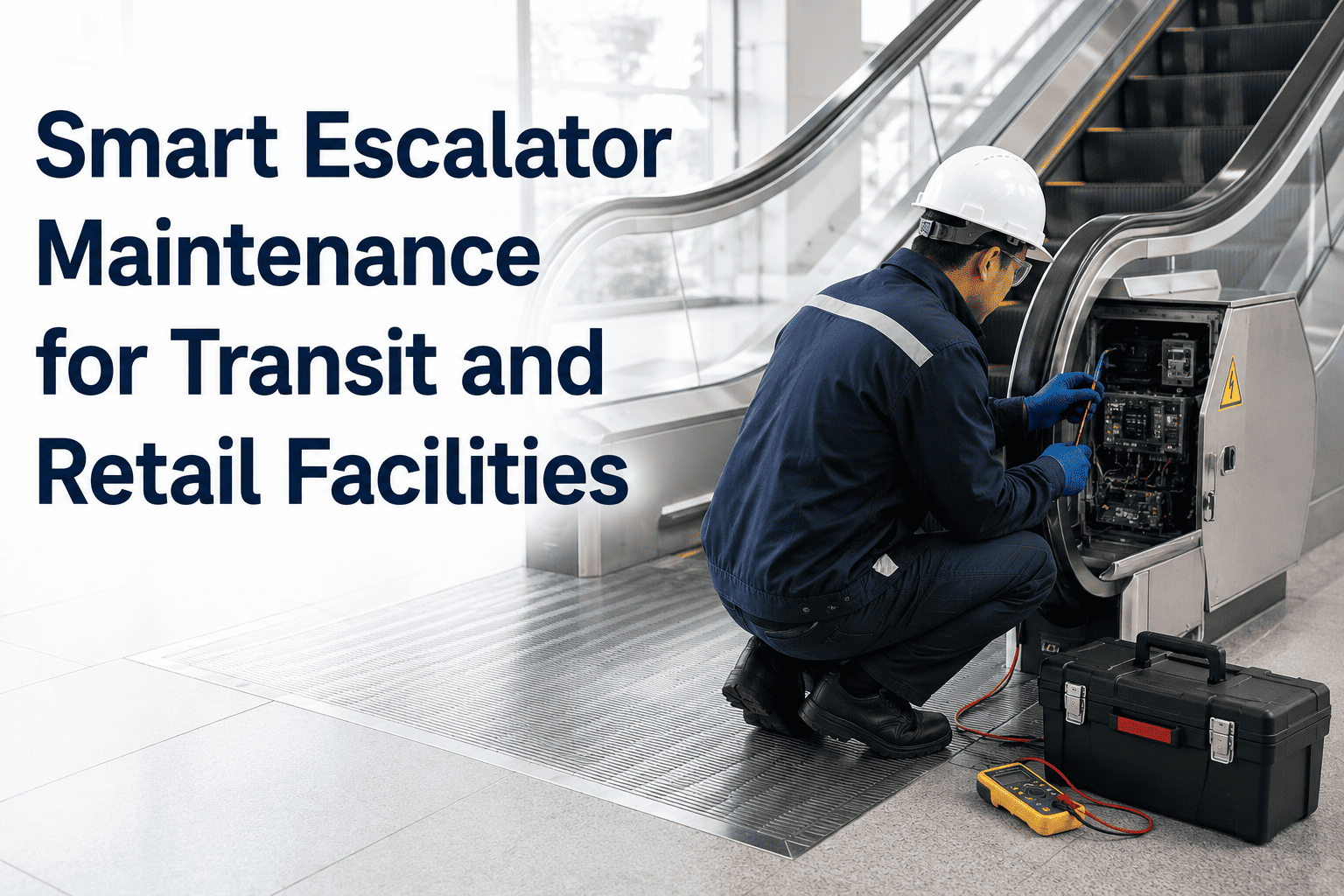
Escalator downtime in transit stations and retail environments is measured in foot traffic, not just repair hours. A stopped escalator at a transit hub during peak commute creates congestion, safety incidents, and passenger complaints that generate regulatory scrutiny. In retail, a disabled escalator between floors directly impacts sales per square foot metrics that landlords and tenants track closely. Smart escalator maintenance — powered by digital inspection workflows, predictive alerts, and asset lifecycle tracking — is how high-traffic facility operators stay ahead of these consequences. This post walks through how leading transit and retail operators are making that shift with Oxmaint. Book a demo to review Oxmaint's escalator maintenance capabilities for your facility.
Transit & Retail Operations
Asset Lifecycle Management
Smart Escalator Maintenance
Reduce downtime, extend asset life, and pass every inspection — with digital maintenance built for high-traffic environments
-63%
Unplanned downtime reduction in transit escalators after smart maintenance deployment
+34%
Extension in escalator component service life through condition-based maintenance
-78%
Reduction in emergency service costs for retail mall escalator fleets
96%
Inspection compliance rate with digital scheduling vs 64% with paper systems
The Escalator Maintenance Problem in High-Traffic Environments
Transit stations and shopping centers run escalators through conditions that standard maintenance intervals were not designed to handle. A subway escalator serving 30,000 daily riders accumulates more operational wear per month than the same model in a 10-story office building does in a year. Yet many facilities apply identical maintenance schedules to both. The result is predictable: transit escalators fail frequently and retail operators absorb costs that structured digital maintenance would have prevented.
24/7 operation leaves no window for scheduled maintenance without disruption
High cycle counts accelerate step chain, comb plate, and handrail wear beyond calendar-based intervals
Safety incident from failed step or comb creates regulatory investigation and public liability
Multiple escalators across distributed stations with no centralized oversight
Peak season load spikes (holiday, sale events) dramatically increase failure risk
Tenant and shopper complaints from visible downtime damage brand perception
Maintenance records scattered across service provider invoices and paper logs
Budget pressure drives deferred maintenance until failures become emergency costs
Smart Maintenance: What Digital Inspection Delivers
01
Digital Inspection Checklists
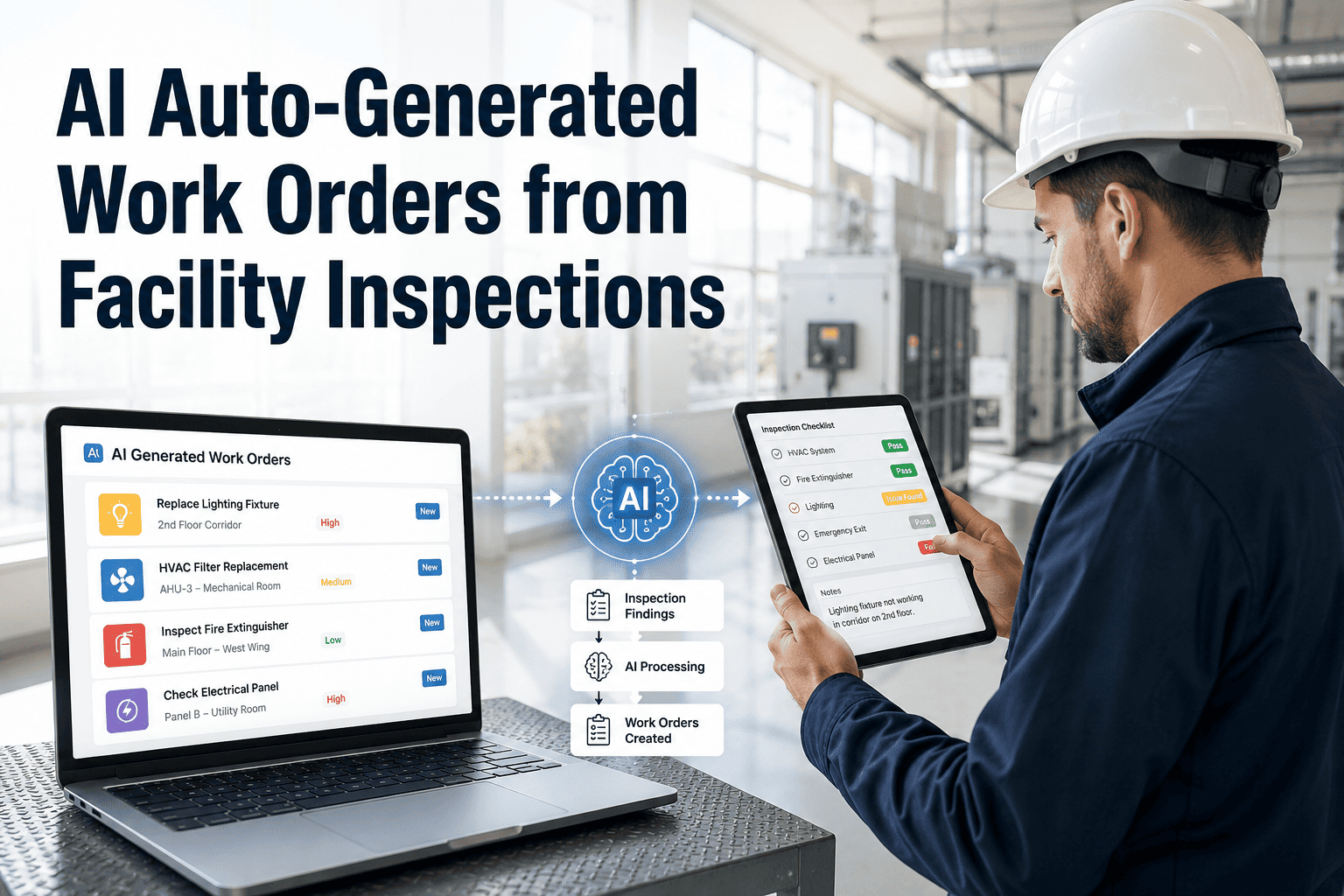
Mobile-based inspection checklists guide technicians through step-by-step escalator safety checks with photo capture, condition ratings, and mandatory sign-off. Results sync instantly — no paper forms to process, no missed items, no disputed completion records. Inspection completion rates climb from 64% to 96% in documented deployments.
02
Predictive Fault Alerts
Vibration and current sensors on drive motors, step chains, and handrail drives generate continuous health scores. When patterns match known pre-failure signatures, Oxmaint alerts maintenance teams with the specific component at risk — 10 to 18 days before performance degradation becomes visible. Emergency shutdowns become planned replacements.
03
Asset Lifecycle Tracking
Every inspection, repair, and parts replacement is logged against the specific escalator's asset record. AI models calculate remaining useful life for major components based on actual cycle data and repair history — not manufacturer specs written for average conditions. High-traffic assets get more frequent attention; low-use assets are not over-maintained.
04
Fleet Performance Dashboard
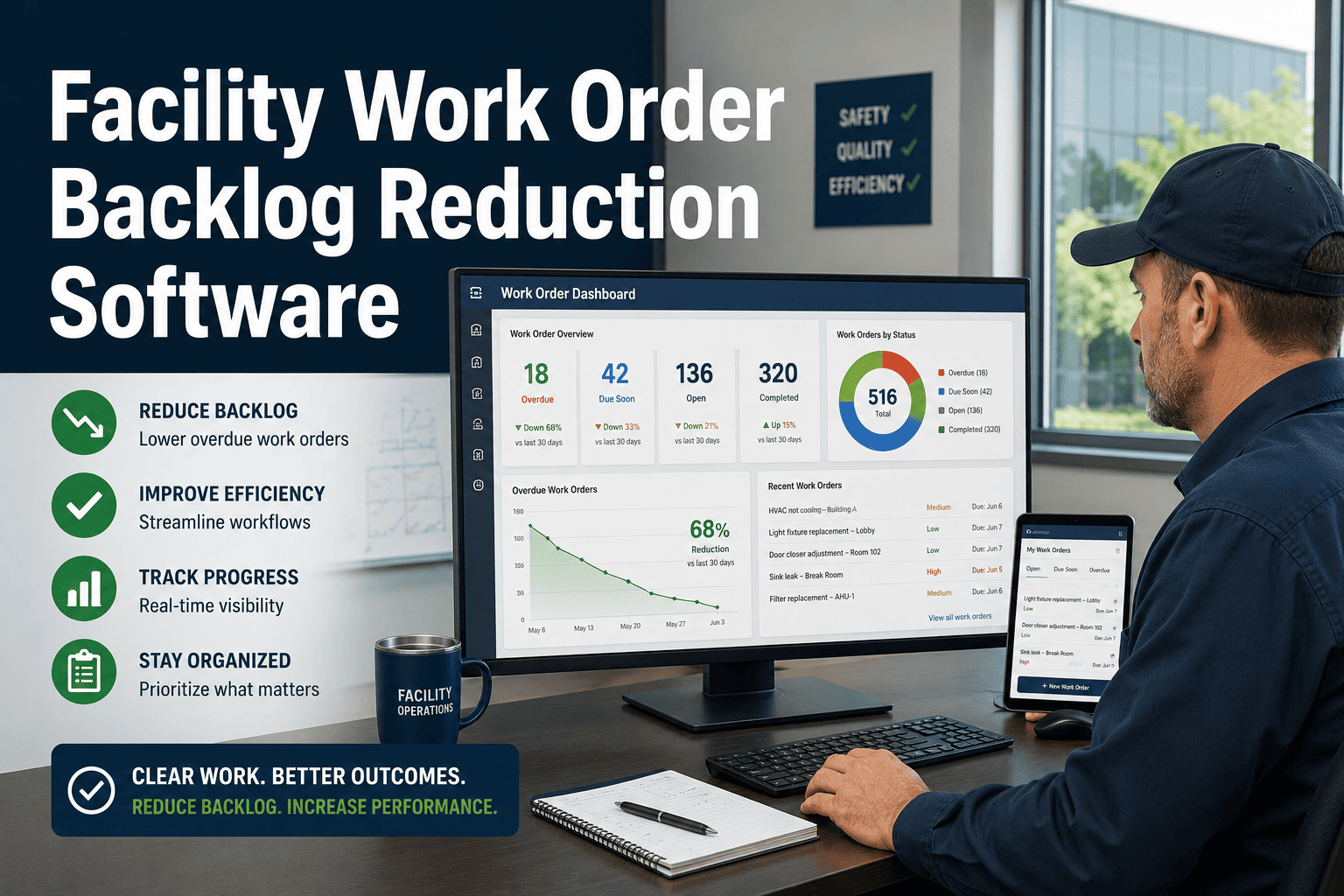
Portfolio operators see every escalator's health status, upcoming maintenance requirements, and outstanding work orders in a single real-time view. A transit authority managing 200 escalators across 40 stations gets the same operational visibility as a single-mall property manager — with alerts that surface only the assets that need attention.
Asset Lifecycle Cost: Step Chain Replacement Example
| Scenario |
Replacement Trigger |
Chain Life Achieved |
Parts Cost |
Labor + Downtime Cost |
| Calendar-Based (5-year interval) |
Fixed schedule |
60 months |
$8,400 |
$3,200 planned outage |
| Reactive (run to failure) |
Failure event |
Unpredictable |
$8,400 + expedite premium |
$14,000+ emergency |
| Oxmaint Condition-Based |
RUL threshold alert |
72–84 months |
$8,400 |
$3,200 planned outage |
Scale Your Escalator Program
From One Escalator to a 200-Unit Fleet — Oxmaint Scales
Whether you manage a single retail escalator or a transit authority's entire vertical transportation network, Oxmaint provides the same digital inspection, predictive alerts, and lifecycle tracking. Book a demo and we'll build the deployment plan specific to your portfolio.
Expert Review
Transit escalator maintenance is a fundamentally different problem than elevator maintenance — the usage intensity, the safety consequences of a mid-operation failure, and the logistical constraints around maintenance access windows all demand a more sophisticated approach than calendar-based service contracts provide. Digital inspection platforms that track actual condition data and generate maintenance priorities from real usage patterns are the only approach that works at scale for a transit authority. The step chain and comb plate failure rates we saw before deploying condition-based maintenance were entirely preventable.
KM
Kevin Marchetti
Director of Infrastructure Maintenance, Urban Transit Authority, 800+ escalators managed
Retail center operators significantly underestimate the revenue impact of escalator downtime. Shoppers choose which floor they visit based on escalator accessibility — a disabled escalator to an upper floor can reduce traffic to anchor tenants by 15 to 20% during the outage period. For a tenant paying $80–$120 per square foot in annual rent, that is a significant and measurable revenue loss that eventually becomes a lease negotiation point. Smart maintenance that prevents those outage periods pays for itself in retained tenant relationships, not just in reduced repair costs.
ST
Susan Tan
Retail Real Estate Asset Manager, 11-property mall portfolio, 15 years vertical transportation oversight
Frequently Asked Questions
How does Oxmaint handle escalator maintenance scheduling in 24/7 transit environments?
Oxmaint's scheduling engine allows maintenance windows to be configured around operational constraints — off-peak hours, service gaps, or track maintenance windows for transit environments. When predictive alerts are generated, the system recommends maintenance timing within the next available window rather than generating a simple "inspect now" alert. For transit authorities, this means predictive maintenance integrates with operational planning rather than conflicting with it. Work orders are generated with enough lead time to coordinate with operations teams for planned access windows.
Book a demo to review transit-specific scheduling configurations.
Can Oxmaint track third-party service provider work alongside internal maintenance teams?
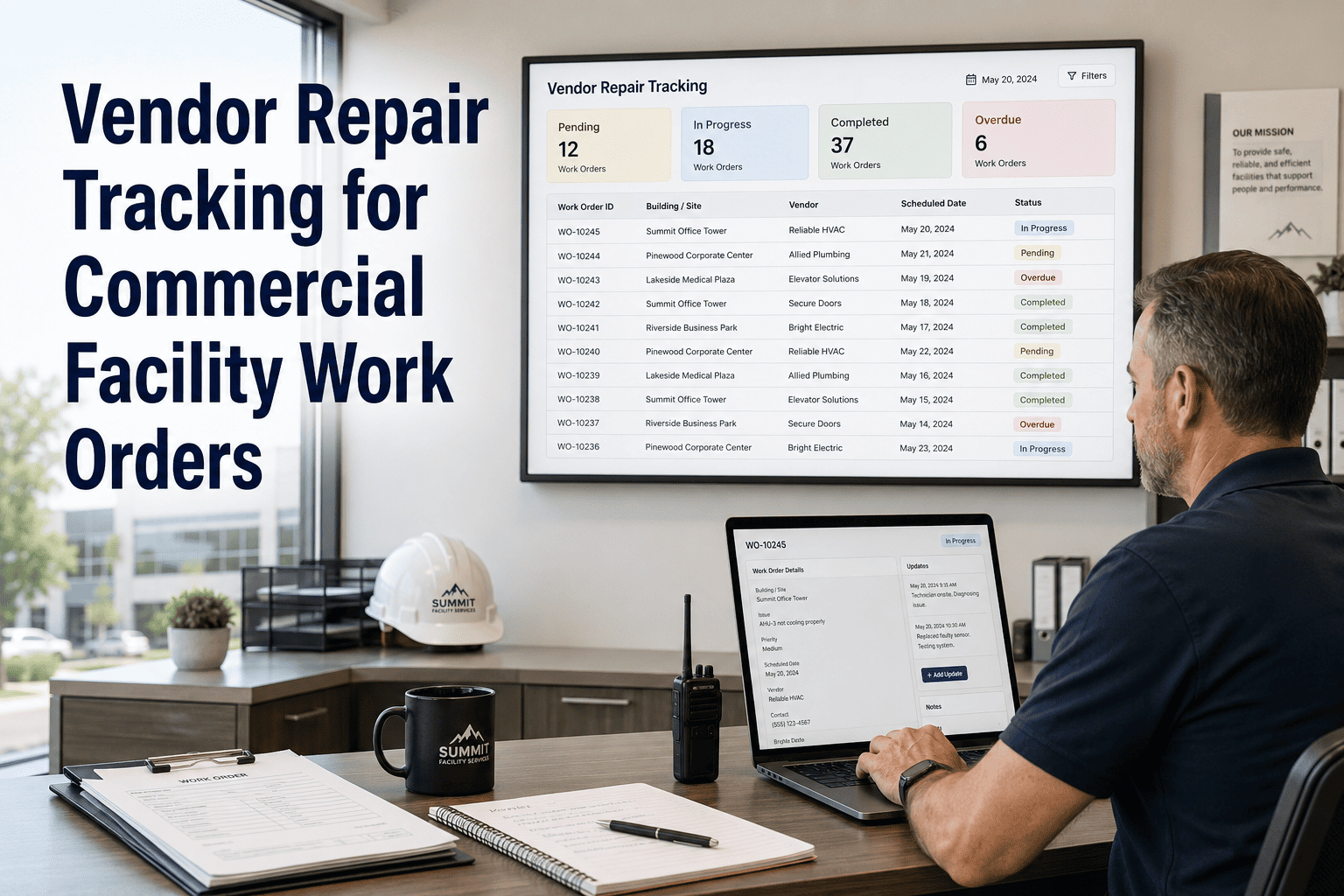
Yes. Oxmaint supports external service provider work order management, allowing facilities that use OEM service contracts or third-party escalator maintenance companies to track that work in the same platform as internal team activities. Service providers receive work orders, complete digital inspection forms, and log results within Oxmaint — giving property managers a complete maintenance record regardless of whether internal staff or contracted technicians performed the work. This eliminates the common problem of service history scattered across email threads and paper invoices.
Start a free trial to set up your service provider workflow.
What escalator inspection standards does Oxmaint's digital checklist support?
Oxmaint's escalator inspection checklists are configurable to ASME A17.1 (Safety Code for Elevators and Escalators), EN 115 (European escalator safety standard), and regional code requirements from major municipalities. Inspection templates include all mandated safety check items with pass/fail criteria, photographic evidence capture for failed items, and automatic work order generation for any inspection failure requiring corrective action. Digital inspection records satisfy documentation requirements for annual certificate of inspection programs in jurisdictions that mandate formal inspection cycles.
Smart Maintenance Keeps Escalators Moving
Transit passengers and retail shoppers expect working escalators — not apology signs and yellow tape. Oxmaint's digital inspection, predictive alert, and lifecycle tracking platform gives maintenance teams the tools to meet that expectation consistently and cost-effectively. Book a demo to see the platform built for high-traffic vertical transportation.