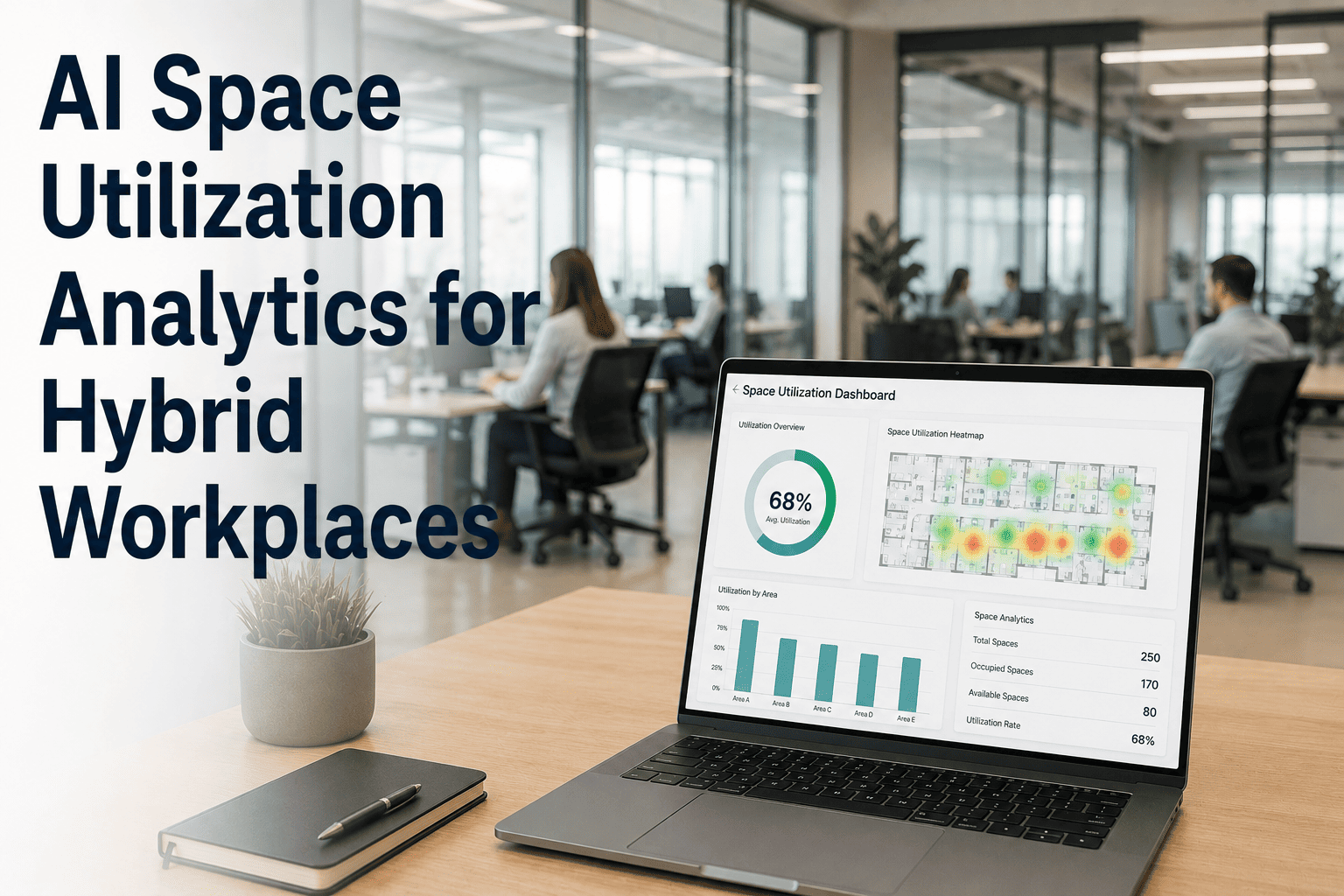
Underutilized space is the single largest cost recovery opportunity in most hybrid portfolios, yet most facility teams lack the real-time utilization data needed to confidently decide whether to repurpose, redesign, or reinvest in that square footage. A structured space decision framework for facility management eliminates guesswork by tying occupancy metrics, maintenance costs, and asset lifecycle data directly to financial outcomes. By applying rigorous space utilization decisions to underused areas, organizations can transform wasted real estate overhead into recovered value and higher operational efficiency. OxMaint's AI-powered EAM platform tracks the asset health, maintenance history, and operating costs lurking inside these spaces so you can model the true financial impact of any repurposing strategy before you commit capital. Start Free Trial to see how live asset data sharpens your workplace space decisions.
Space Decision Framework for FM
Repurpose, Redesign, or Reinvest in Underutilized Space?
Choosing the right path for underutilized office space dictates millions in recovered value or sunk cost. Base your workplace space decisions on real-time asset utilization and maintenance data—not gut feel.
The Financial Stakes
The True Cost of Underused Space in the Workplace
Real estate is typically the second-largest line item on a corporate balance sheet, yet up to 40% of it is functionally wasted in hybrid work models. Underutilized space workplace decisions carry heavy financial weight because you are paying full operating costs—utilities, property taxes, janitorial, and facility maintenance—for a fraction of the productivity output. When space utilization drops below 50%, the cost per occupant skyrockets, eroding profitability and draining capital that could be reinvested in revenue-generating operations.
Without accurate space utilization decisions, organizations blindly heat, cool, and maintain empty rooms. The longer underutilized office space persists without a strategic repurpose, redesign, or reinvest decision, the deeper the financial bleed. Recovering this cost requires an FM framework that evaluates not just the real estate footprint, but the condition and maintenance overhead of the physical assets within that space.
Strategic Evaluation
The Space Decision Framework: Repurpose, Redesign, or Reinvest
Choosing whether to repurpose, redesign, or reinvest in underused space facility zones requires a structured evaluation of asset condition, utilization rates, and strategic alignment. Use this framework to map your space decision based on hard facility data.
Change the Function
Converting an empty open-plan office into a shared collaboration hub, R&D lab, or employee wellness center. Repurposing office space is ideal when the physical structure is sound but the current layout no longer serves hybrid work demands. Asset maintenance overhead remains low to moderate.
Optimize the Layout
Reworking the interior footprint—tearing down walls, upgrading HVAC zones, or adding modular furniture—without changing the space's core purpose. Space redesign FM decisions target mid-to-high utilization areas that are functioning inefficiently and require moderate capital expenditure to improve workflow.
Upgrade the Assets
Injecting capital into the physical infrastructure—replacing aging RTUs, upgrading to smart building IoT, or modernizing core electrical systems. Space reinvestment decisions are justified when real-time usage data shows the space is critical to operations but suffers from high reactive maintenance costs and downtime.
Financial Modeling
How to Model Space Repurposing and Reinvestment Decisions
To prove the ROI of office space redesign decisions, facility managers must quantify the total cost of occupancy and the expected recovery value. Use this formula to build a defensible business case for repurposing or reinvesting in underutilized space.
NRV = (Avoided Cost + Productivity Gain) − (Capital Expenditure + Disruption Cost)
By pulling real-time maintenance costs and asset depreciation data from a CMMS, you transition from speculative guesses to data-driven space reinvestment decisions that CFOs readily approve.
Underutilized Space Decision Matrix
Worked Example: Repurpose vs. Redesign vs. Reinvest
Consider a 180-asset corporate facility spending $42K per year maintaining a low-traffic east wing. Here is how the decision matrix evaluates the three paths using real facility data.
| Evaluation Metric | Repurpose | Redesign | Reinvest |
|---|---|---|---|
| Utilization Rate | Under 30% | 30% - 60% | Above 60% |
| Asset Condition | Good | Fair | Poor / Aging |
| Typical CapEx | $15 - $30 / sq ft | $40 - $80 / sq ft | $100+ / sq ft |
| Maintenance Impact | Low (reduced footprint) | Medium (new assets) | High (eliminates downtime) |
| Primary Benefit | Cost avoidance | Workflow efficiency | Asset reliability & uptime |
| Payback Period | 6 - 12 months | 12 - 24 months | 24 - 48 months |
Stop Guessing. Start Recovering Value from Your Space.
See how OxMaint's asset tracking and maintenance analytics give you the exact data needed to justify your repurpose, redesign, or reinvest decisions.
Platform Integration
How OxMaint Powers Data-Driven Space Decisions
Making the right repurpose redesign space decision requires knowing exactly what assets are inside that space, what condition they are in, and what it costs to maintain them. OxMaint translates raw facility data into actionable financial intelligence.
Asset Condition Tracking
Map every piece of equipment inside an underutilized zone. OxMaint tracks depreciation and condition, providing the hard data needed to justify an office repurposing strategy versus a full reinvestment.
Maintenance Cost Analytics
Automatically calculate the total cost of ownership for assets in low-traffic areas. Prove exactly how much wasted spend is flowing into underused space facility zones and model your savings post-redesign.
Digital Work Order Audits
Before tearing down walls, run a historical work order audit on the target space. OxMaint reveals if chronic HVAC or electrical failures make redesigning a waste of capital compared to full reinvestment.
Predictive Maintenance Insights
If you reinvest in new equipment for a redesigned space, OxMaint's AI immediately begins monitoring asset health to ensure your new investment delivers maximum uptime and avoids the failures of the past.
Real-World Impact
From Wasted Cost to Recovered Value
We had 12,000 square feet of space sitting at 22% utilization. By running OxMaint's asset cost reports, we realized the HVAC infrastructure was too old to justify a redesign. We reinvested in smart systems, repurposed half the floor, and cut our total facility overhead by 18% in year one.
Frequently Asked Questions
What is the best framework for underutilized space decisions?
The best framework evaluates utilization rate, asset condition, and capital expenditure to choose between repurposing (changing function), redesigning (optimizing layout), or reinvesting (upgrading infrastructure). Integrating real-time maintenance data from a CMMS like OxMaint ensures these workplace space decisions are driven by actual cost-to-maintain metrics rather than assumptions. You can explore the platform by signing up to Start Free Trial.
How do you decide whether to repurpose or redesign office space?
Decide by looking at the structural soundness and current utilization. If a space is structurally fine but functionally dead (under 30% utilization), repurpose it. If utilization is moderate but the layout hinders workflow, redesign it. Always factor in the cost of maintaining existing assets in that zone before committing to an office space repurposing strategy.
Why is real-time data important for space reinvestment decisions?
Real-time data prevents you from pouring capital into a space with failing infrastructure. If historical work orders show chronic equipment failures, a cosmetic redesign will fail. Space reinvestment decisions require knowing the exact lifecycle stage of the HVAC, electrical, and plumbing assets hidden behind the walls.
How does a CMMS support office repurposing strategy?
A CMMS like OxMaint logs every maintenance dollar spent across your portfolio. When evaluating underutilized office space, it provides instant reports on repair costs, asset depreciation, and uptime. This allows facility teams to accurately model the financial impact of tearing out old equipment versus moving it to a newly repurposed zone.
What is the ROI timeline for underused space facility projects?
Repurposing projects typically see ROI in 6 to 12 months through immediate reductions in utilities and maintenance. Redesigning takes 12 to 24 months as workflow efficiencies compound. Full reinvestments in infrastructure take 24 to 48 months but yield the highest long-term returns by eliminating costly reactive maintenance and unplanned downtime. Book a demo to see how fast your ROI can materialize.
Ready to Turn Underutilized Space into Recovered Value?
See OxMaint on your assets—book a 30-min demo and discover the exact data you need to make confident repurpose, redesign, and reinvest decisions.
Free 14-day trial · No credit card