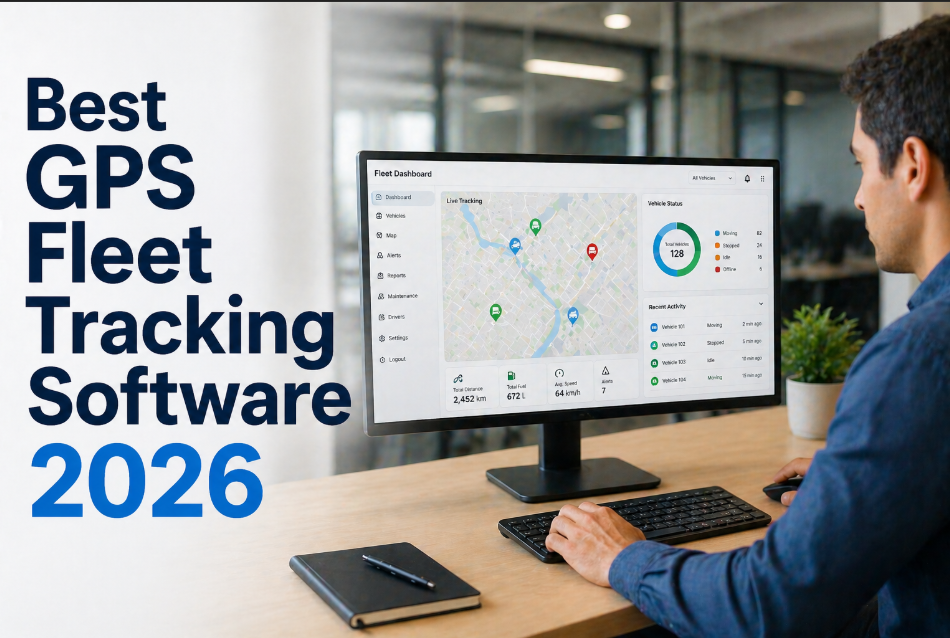
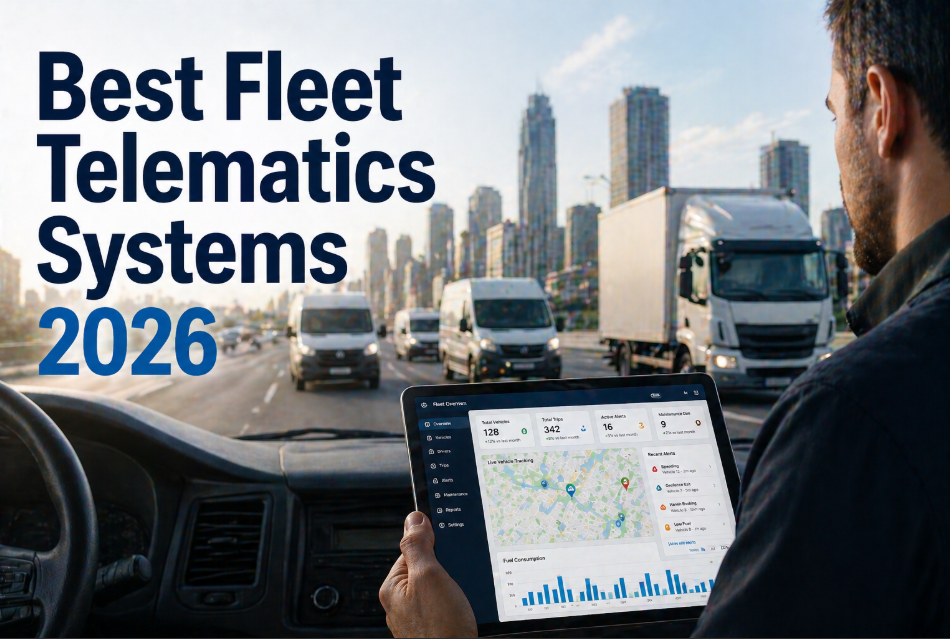
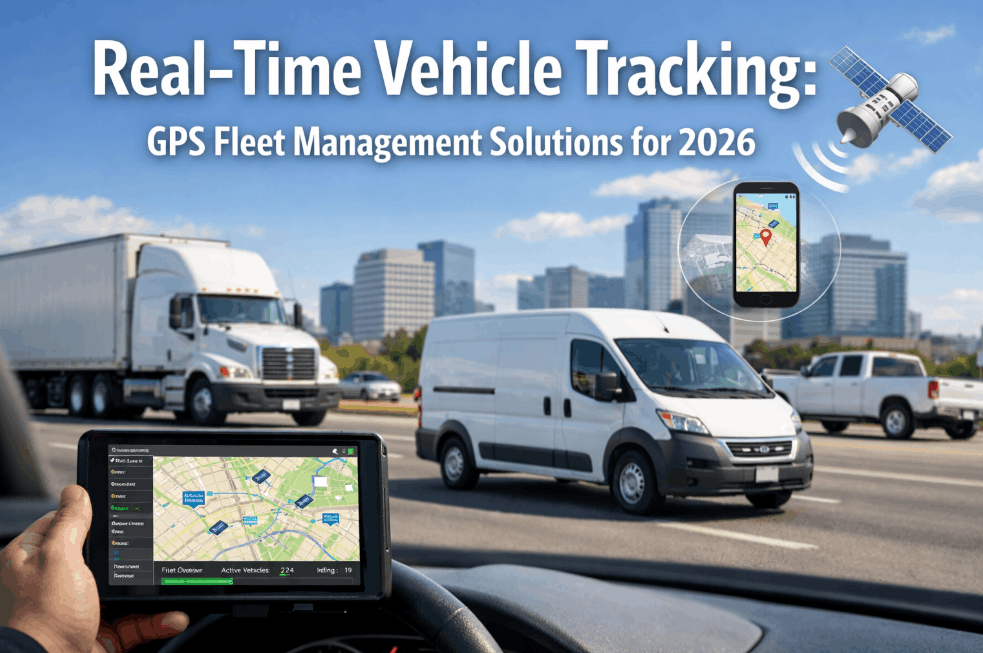
GPS fleet tracking has moved from a nice-to-have to operational infrastructure. In 2026, 87% of commercial fleets with 10 or more vehicles run some form of GPS tracking — yet 43% of fleet managers say their current system fails to deliver actionable data beyond basic dot-on-a-map location. The gap between tracking and intelligence is where fleet costs hide. Unauthorized vehicle use accounts for 12% of total fleet fuel spend. Drivers idling more than 30 minutes per day cost fleets $3,200 per vehicle annually in wasted fuel alone. Geofence violations correlate with 28% higher accident rates. The platforms that close this gap — combining real-time location with driver behavior scoring, predictive maintenance triggers, fuel analytics, and compliance documentation — are the ones that justify their subscription cost within the first billing cycle. This guide ranks the best GPS fleet tracking platforms in 2026 by what actually matters to fleet operations: data accuracy, integration depth, maintenance connectivity, and measurable ROI. If you already know your tracking is broken, start a free trial with OxMaint to see what integrated fleet tracking plus maintenance management looks like, or book a demo to discuss your fleet size and goals.
GPS Fleet Tracking · 2026 Comparison Guide
Best GPS Fleet Tracking Software in 2026 — Ranked for Real Fleet Operations
Real-time visibility, geofencing, driver scorecards, fuel analytics, and CMMS integration — compared across every major platform so you pick the one that actually reduces cost, not just shows a map.
of fleet managers say current tracking lacks actionable data
What to Evaluate
What Makes GPS Fleet Tracking Software Actually Useful in 2026
A blinking dot on a map is not fleet management. The platforms worth paying for in 2026 deliver six layers of intelligence that turn location data into operational decisions — reducing fuel costs by 15–23%, cutting unauthorized use by 76%, and connecting vehicle location to maintenance status so you never dispatch a vehicle that should be in the shop. Here is what separates tracking software from fleet intelligence, and why the right platform pays for itself within 60 days. Ready to see the difference firsthand? Start a free trial or book a demo to walk through it with your fleet data.
Real-Time Location
Sub-15-Second GPS Refresh
Live vehicle positions updated every 10–15 seconds with 2.5m accuracy. Historical breadcrumb trails, replay mode, and real-time ETA calculations for dispatch optimization.
Geofencing
Automated Zone Alerts
Polygon and radius geofences with instant entry/exit notifications. Job site time tracking, unauthorized-use detection, and customer arrival verification — reducing unauthorized use by 76%.
Driver Scorecards
Behavior-Based Safety Ranking
Hard braking, rapid acceleration, speeding, and cornering events scored per driver per trip. Fleets using driver scorecards report 22% fewer accidents within the first year.
Fuel Analytics
Consumption vs. Benchmark Tracking
Per-vehicle fuel consumption compared against make/model benchmarks. Idle time quantified in gallons and dollars. Route deviation flagged as fuel waste. Typical savings: 15–23% of total fuel spend.
Maintenance Triggers
GPS + DTC = Proactive Service
Engine diagnostic trouble codes (DTCs) captured via OBD-II or J-Bus. Mileage-based PM triggers auto-generated from GPS odometer data. Vehicles flagged before breakdown, not after.
CMMS Integration
Tracking That Connects to Maintenance
GPS data feeds directly into maintenance management — mileage triggers work orders, fault codes create defect alerts, location confirms vehicle availability. OxMaint delivers this natively.
2026 Rankings
Top GPS Fleet Tracking Platforms Compared
We evaluated platforms across six criteria that matter to fleet operations: location accuracy, driver behavior analytics, maintenance integration, geofencing capability, fuel tracking, and total cost of ownership. Here is how the leading platforms stack up for fleets ranging from 10 to 5,000+ vehicles.
Platform
Best For
GPS Refresh
Driver Scoring
Maintenance Link
Geofencing
Starting Price
OxMaint
Fleets wanting tracking + full CMMS in one platform
10 sec
Yes — integrated
Native CMMS built-in
Unlimited polygons
From $15/vehicle/mo
Samsara
Large fleets, heavy ELD + compliance focus
5 sec
Yes — AI-based
Basic alerts only
Unlimited
~$27/vehicle/mo
Verizon Connect
Enterprise fleets, broad feature set
30 sec
Yes
Third-party required
Unlimited
~$25/vehicle/mo
GPS Trackit
Budget-conscious small fleets
10 sec
Basic
Limited
Up to 100
~$20/vehicle/mo
Geotab
Data-heavy fleets, open API ecosystem
Configurable
Yes — marketplace add-ons
Via marketplace
Unlimited
~$22/vehicle/mo + hardware
Motive (KeepTruckin)
Trucking, ELD-first fleets
Real-time
Yes — dashcam linked
Basic PM alerts
Unlimited
~$25/vehicle/mo
The Real Differentiator
Why GPS Tracking Without Maintenance Integration Leaves Money on the Table
Most GPS platforms tell you where your vehicles are. Almost none tell you what condition they are in. That disconnect costs fleets an average of $4,800 per unplanned breakdown — 4.8x more than the same repair performed as scheduled maintenance. The platforms that connect location data to maintenance workflows eliminate the gap between "the truck is at the job site" and "the truck is safe to be at the job site." OxMaint is built from the ground up as a unified tracking and maintenance platform, not two separate systems duct-taped together. Want to see what unified looks like for your fleet? Start a free trial or book a demo to walk through your fleet setup.
GPS Tracking Alone
Shows vehicle location — no context on maintenance status
Fault codes generate email alerts that get buried in inbox
Mileage tracked but not connected to PM schedules
Driver reports defects verbally — no documented trail
Dispatchers send vehicles without knowing maintenance due dates
Breakdown data lives in a spreadsheet, not on the asset record
OxMaint: GPS + CMMS Unified
Location plus real-time asset condition score visible in one view
Fault codes auto-generate work orders assigned to the nearest tech
Mileage from GPS triggers PM work orders automatically
Digital DVIR with photos, timestamps, and instant defect alerts
Dispatch dashboard shows maintenance status alongside location
Complete repair history on every asset — audit-ready, always current
Selection Framework
How to Choose the Right GPS Fleet Tracking Platform for Your Fleet Size
Watch for: Platform lock-in, data portability, customization limitations
Budget range: Custom pricing — typically $14–$22/vehicle/month at volume
Best fit: OxMaint, Geotab, Verizon Connect
Pain Points
The 6 Problems GPS Fleet Tracking Should Solve — But Often Doesn't
Fleet managers buy GPS tracking expecting visibility. What they often get is more data and the same problems. These are the six operational pain points that only resolve when tracking integrates with maintenance, compliance, and cost management.
Unauthorized Vehicle Use
12% of fleet fuel spend goes to personal use and unauthorized trips. Basic tracking shows the trip happened — but without geofence automation, nobody reviews the data until the fuel bill arrives.
Dispatching Unsafe Vehicles
Without maintenance status on the dispatch screen, vehicles with overdue PMs or open defects get sent to job sites. 31% of roadside breakdowns involve vehicles with overdue maintenance.
Fuel Cost Blind Spots
Idling over 30 min/day costs $3,200/vehicle/year. Most tracking shows idle time — few quantify the dollar impact per driver per route in a way that changes behavior.
Driver Accountability Gaps
Without linked scorecards and DVIR records, high-risk driving goes uncorrected. Fleets without driver scoring programs have 22% higher accident rates than those with active scoring.
Siloed Data Systems
GPS in one system. Maintenance in another. Fuel cards in a third. Driver records in a spreadsheet. 67% of mid-size fleets operate with 3+ disconnected platforms — none giving a complete picture.
Audit-Readiness Failure
FMCSA and DOT audits require documented inspection records, maintenance logs, and HOS compliance data. When these live in separate systems, audit preparation takes days — and gaps are inevitable.
Measurable ROI
What Fleets Actually Save With Integrated GPS + Maintenance Tracking
These are not projected savings — these are documented outcomes from fleets that moved from standalone GPS tracking to unified tracking and maintenance platforms. The ROI compounds because location data, maintenance data, and driver data reinforce each other.
23%
Fuel Cost Reduction
Idle time reduction + route optimization + unauthorized use elimination combine for measurable fuel savings within the first quarter.
41%
Fewer Unplanned Breakdowns
Mileage-triggered PMs and fault code work orders catch failures before they happen — reducing roadside events by 41% in year one.
$8,400
Annual Savings Per Vehicle
Combined fuel, maintenance, insurance, and downtime cost reductions averaged across mid-size commercial fleets using unified platforms.
58 days
Average Payback Period
Platform subscription and hardware costs recovered within 58 days on average — driven primarily by fuel savings and breakdown avoidance.
GPS + CMMS · One Platform
Stop Paying for GPS Tracking That Can't Tell You If the Vehicle Should Be on the Road
OxMaint combines real-time GPS fleet tracking with full preventive maintenance management, digital DVIRs, driver credential tracking, and audit-ready compliance documentation. One platform. One subscription. Every vehicle visible, every maintenance task tracked, every inspection documented.
What is the difference between GPS fleet tracking and fleet telematics?+
GPS fleet tracking is one component of telematics. Basic GPS tracking provides vehicle location and movement history. Fleet telematics adds engine diagnostics (fault codes, fuel consumption, idle time), driver behavior data (hard braking, speeding, acceleration), and often ELD/HOS compliance. In 2026, the distinction is largely academic — any platform worth considering includes telematics-grade data, not just location dots. OxMaint goes further by connecting telematics data directly to maintenance work orders and asset lifecycle records, so fault codes trigger repairs automatically rather than generating ignored email alerts. Start a free trial to see the telematics-to-maintenance workflow live.
How much does GPS fleet tracking cost per vehicle in 2026?+
Pricing ranges from $15–$35 per vehicle per month depending on features, hardware type, and contract terms. Hardware costs range from $0 (included with contract) to $150+ for advanced telematics devices with dashcam integration. The total cost of ownership calculation should include hardware amortization, monthly subscription, installation labor, and the cost of any third-party integrations required for maintenance management. OxMaint includes CMMS functionality in the base subscription — eliminating the $15–$40/vehicle/month cost of a separate maintenance platform that most other GPS providers require.
Can GPS tracking data trigger preventive maintenance automatically?+
Only if your GPS platform integrates with a CMMS. Standalone GPS systems track mileage but do not generate maintenance work orders from that data. OxMaint uses GPS-derived mileage as a PM trigger — when a vehicle reaches its next service interval, a work order is automatically created, assigned to a technician, and tracked through completion. Engine fault codes captured via OBD-II or J-Bus connectors follow the same path: code detected, work order generated, repair documented. This is the integration that reduces unplanned breakdowns by 41%. Book a demo to see mileage-triggered PM in action.
Is GPS fleet tracking worth it for fleets under 20 vehicles?+
Yes — and the ROI is often faster for small fleets because each vehicle represents a larger percentage of total capacity. Losing one vehicle to a preventable breakdown in a 15-vehicle fleet means 6.7% of your capacity is offline. For a 500-vehicle fleet, the same breakdown is 0.2% impact. Small fleets also see proportionally larger fuel savings because unauthorized use and excessive idling are harder to detect without tracking. At $15/vehicle/month, a 15-vehicle fleet pays $225/month — recovered by preventing a single roadside breakdown or eliminating 2 hours of daily idle time across the fleet. Start a free trial to run the numbers on your fleet.
OxMaint · Fleet Tracking + Maintenance
Your Fleet Deserves Tracking That Does More Than Show a Map
OxMaint delivers GPS fleet tracking, preventive maintenance scheduling, digital inspections, driver credential management, and audit-ready compliance documentation — all from one platform. See every vehicle. Know every vehicle's condition. Document every inspection. Prevent every avoidable breakdown.