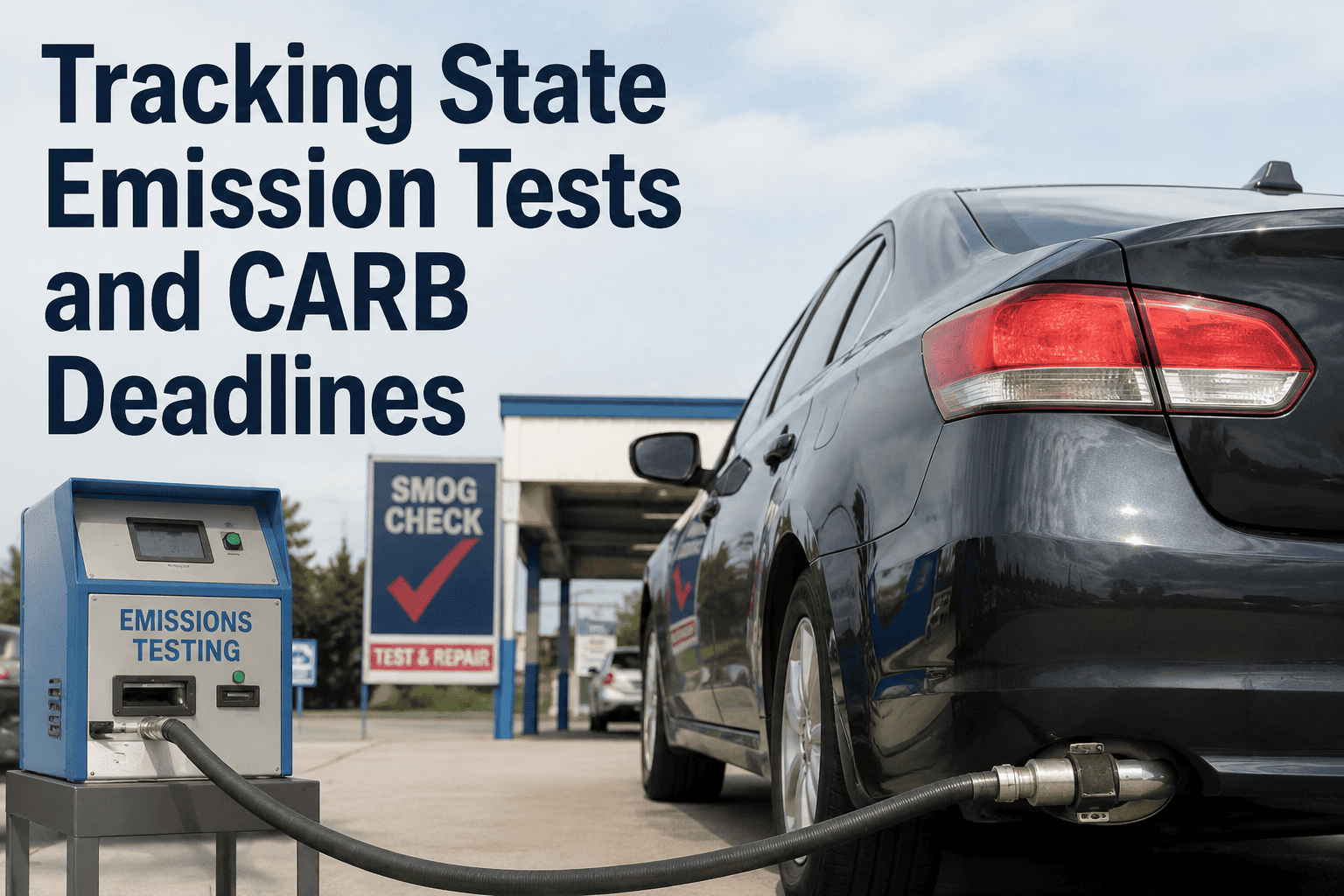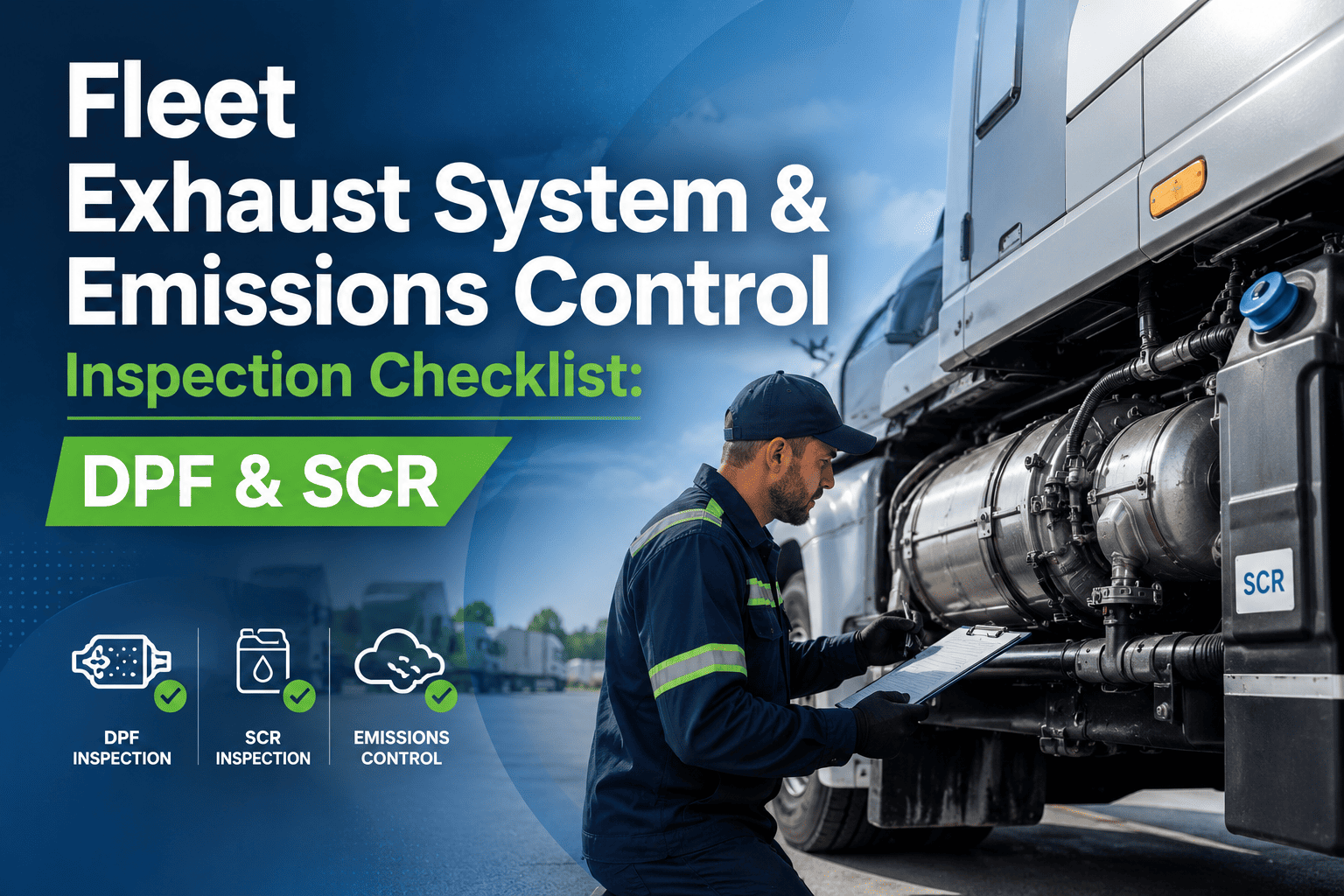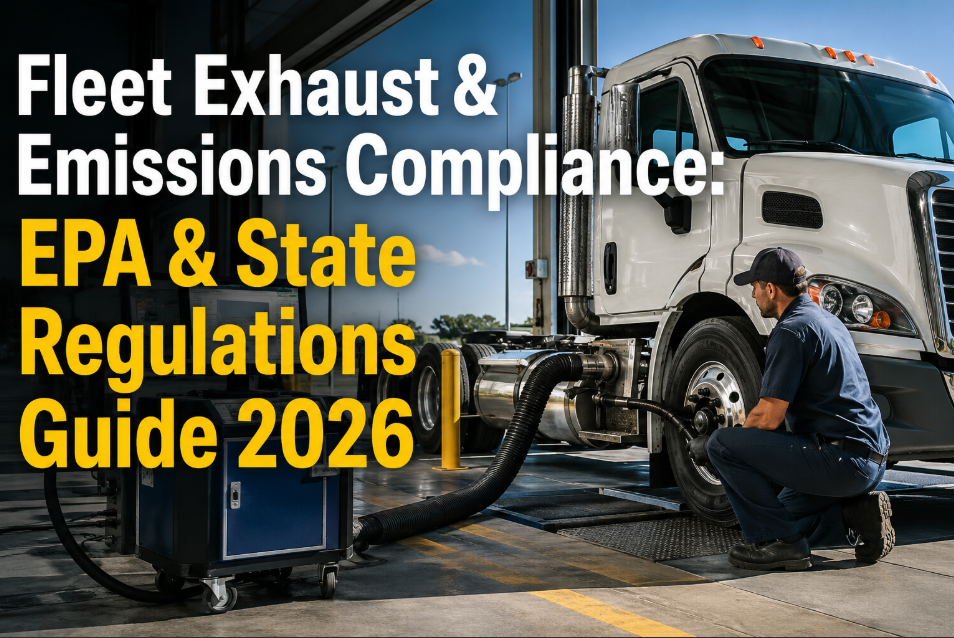
Fleet emissions compliance failures averaged $18,400 per EPA enforcement action in 2024 — and the regulatory environment in 2026 is substantially more aggressive. California's CARB penalties can exceed $37,500 per vehicle per day for non-compliant operations. The EPA's 2027 heavy-duty rule mandates a 90% reduction in NOx emissions from new engines, and state-level enforcement budgets have grown 34% since 2023 with targeted fleet inspection programs expanding across California, New York, Washington, Oregon, and New Jersey. DPF tampering, disabled SCR systems, and inadequate DEF management are generating the highest fines — and the fleets getting caught are overwhelmingly those without documented maintenance records proving their aftertreatment systems have been properly serviced. The right CMMS automates DPF regen tracking, DEF consumption monitoring, and emissions maintenance documentation — creating an audit-ready compliance trail that protects against enforcement actions. Want to automate emissions compliance documentation across your fleet? Start a free trial with Oxmaint to deploy emissions tracking workflows immediately, or book a demo to walk through the emissions compliance dashboard with our fleet specialists.
Fleet Exhaust and Emissions Compliance: EPA and State Regulations Guide 2026
DPF, SCR, EGR compliance requirements, federal and state penalty structures, emission testing schedules, and CMMS automation strategies for fleet-wide compliance.
Why 2026 Is the Year Emissions Enforcement Gets Serious for Commercial Fleets
EPA enforcement budgets have increased 34% since 2023. State agencies in California, New York, Washington, and Oregon are conducting targeted fleet inspections using remote sensing technology that identifies vehicles with abnormal emissions signatures in real-time — flagging them for mandatory on-site inspection within 30 days. Defeat devices, tampered DPFs, and disabled SCR systems generate the highest fines and the most aggressive enforcement responses.
The compliance burden is real — but the path to manage it is clearer than ever. Digital documentation of every regen cycle, every DEF refill, every emissions repair, and every sensor replacement creates an audit trail that demonstrates diligence. When an EPA or CARB inspector asks for your aftertreatment maintenance records, the difference between producing a complete digital history in 30 seconds versus scrambling through filing cabinets for days often determines whether you receive an educational letter or a five-figure penalty. Oxmaint creates that instant audit readiness — start a free trial to build your emissions compliance trail, or book a demo to discuss your state-specific regulatory requirements.
Federal and State Emissions Requirements for Commercial Fleets in 2026
| Regulation | Jurisdiction | Key Requirements | Maximum Penalty |
|---|---|---|---|
| EPA Clean Air Act | Federal | Tampering prohibition, OEM emissions equipment | $48,762 per violation |
| EPA 2027 HD Rule | Federal | 90% NOx reduction, extended warranty | Non-compliance penalties |
| CARB HD Inspection | California | Annual smog inspection, SCR/DPF verification | $37,500/day/vehicle |
| CARB Omnibus | California | Stricter than federal NOx standards | Operating authority loss |
| State I/M Programs | Various states | Periodic emissions testing | Registration denial |
| DEF Mandate (SCR) | Federal | Continuous DEF availability on SCR vehicles | Vehicle derate to 5 MPH |
6 Critical Emissions Systems That Require Documented Maintenance
Monitor regen frequency and ash loading. Force regen when soot levels exceed 100% before passive regen window closes. Plugged DPF replacement costs $4,800-$8,200. Tampering is a $48,762 federal violation per incident.
Test NOx conversion efficiency annually. SCR systems convert harmful NOx to nitrogen and water using DEF injection. Catalyst replacement runs $3,200-$5,800. Tampering or removal triggers severe EPA enforcement action and criminal referral.
Test DEF concentration (32.5% urea required). Replace DEF pump filter per OEM interval. Contaminated DEF damages SCR catalyst permanently — use only API-certified DEF. Empty DEF tank triggers vehicle derate to 5 MPH, stranding the truck.
Inspect EGR cooler for leaks and EGR valve for carbon buildup at major service intervals. Failed EGR coolers contaminate coolant with combustion gases — often leading to head gasket failure. Clean EGR valve when exhaust temps drift high.
Inspect for substrate damage and contamination. DOC converts CO and hydrocarbons to CO2 and water — and provides heat needed for DPF regen. A failed DOC prevents passive regen entirely, accelerating DPF plugging and ash accumulation.
Address NOx sensor, O2 sensor, and DPF differential pressure sensor faults immediately. OBD systems trigger MIL when emissions exceed 1.5x the standard — these codes cannot simply be cleared without performing underlying repairs first.
How Ignored DPF Regens Destroy $8,000 Aftertreatment Systems
When drivers cancel or postpone DPF regeneration cycles to avoid downtime, ash accumulates faster than the system can handle. The result: forced regens become more frequent, fuel economy drops 8-12%, exhaust backpressure rises to levels that stress turbochargers and manifold gaskets, and DPF replacement comes years early at $4,800-$8,200 per unit. A single DPF that should last 500,000+ miles is destroyed at 280,000 miles because regen management was not tracked.
Tracking regen frequency, completion status, and force-regen events per vehicle exposes the operational patterns that kill aftertreatment systems. Drivers consistently canceling regens need coaching. Vehicles with abnormally high forced-regen counts need diagnostics. Routes that prevent passive regen need schedule adjustments. Without data, these patterns are invisible until the DPF is already destroyed. Oxmaint captures every regen event through telematics integration and surfaces fleet-wide aftertreatment health on a single dashboard — start a free trial to automate regen tracking, or book a demo to see DPF health analytics for your fleet configuration.
Reactive vs. Automated Emissions Compliance
Automate Emissions Compliance — Eliminate Violation Risk Before Inspectors Find It
Oxmaint tracks every regen event, monitors DEF levels predictively, and generates audit-ready emissions records in seconds. Connect your telematics, configure your compliance thresholds, and let the system enforce your emissions maintenance discipline fleet-wide.
How Oxmaint Automates Emissions Compliance End-to-End
Telematics integrations log every passive, active, and forced regeneration event per vehicle. Excessive forced regens flag for driver behavior coaching or system diagnostics — extending DPF service life by 200,000+ miles.
Track DEF tank levels and consumption rates per vehicle. Predictive alerts fire days before vehicles reach critical thresholds — preventing the 5-MPH derate events that strand trucks and generate load delays costing $1,200+ each.
Generate audit-ready emissions compliance reports formatted for CARB inspections, EPA audits, and state I/M programs. Every maintenance event, fault code, and component replacement timestamps automatically with technician digital sign-offs.
Emissions-related fault codes auto-create work orders with priority classification. Active MIL lamps require resolution within FMCSA-mandated timeframes — the platform escalates aging codes and blocks extended non-compliance windows.
Schedule CARB annual smog inspections, state I/M tests, and OEM emissions warranty inspections automatically across the fleet. Never miss a renewal — registration blocks and operating authority suspensions cost far more than the inspection.
Fleet-wide analytics identify vehicles showing patterns consistent with emissions tampering — unusual fuel economy spikes, missing fault codes, or absent regen events. Address internal compliance issues before EPA enforcement discovers them.
Measurable Results from Automated Emissions Compliance
Frequently Asked Questions
Does Oxmaint support CARB compliance documentation requirements?
Yes. The platform generates CARB-compliant emissions records including annual smog inspection results, SCR system maintenance history, and DPF service records. California operators produce complete compliance documentation in under 60 seconds during inspections. Start a free trial to configure CARB-specific compliance workflows.
Can we track DPF regen frequency and patterns across the fleet?
Yes. Telematics integrations log every passive, active, and forced regen event per vehicle automatically. Vehicles with excessive forced regens flag for driver coaching or system diagnostics — addressing the root causes that destroy DPF service life prematurely before replacement becomes necessary. Book a demo to see regen analytics.
How does the platform prevent DEF-related vehicle derates?
DEF tank levels and consumption rates per vehicle generate predictive alerts days before reaching critical thresholds. Fleet managers see low-DEF warnings while there is still time to schedule refill — preventing the 5-MPH limp mode that strands trucks, delays loads, and generates $1,200+ in per-incident costs.
Can the system detect potential emissions tampering in our fleet?
Yes. Fleet-wide analytics identify vehicles showing patterns consistent with tampering — unusual fuel economy gains without maintenance changes, absent fault codes when they should be present, or missing regen events. Address potential internal compliance issues before EPA enforcement discovers them during inspections or remote sensing.
Stay Ahead of 2026 Emissions Enforcement — Build Your Compliance Trail Today
Oxmaint tracks every regen event, monitors DEF consumption predictively, generates audit-ready reports in seconds, and flags tamper patterns before inspectors find them. Join fleet operations teams protecting their operating authority — free trial, no credit card required.