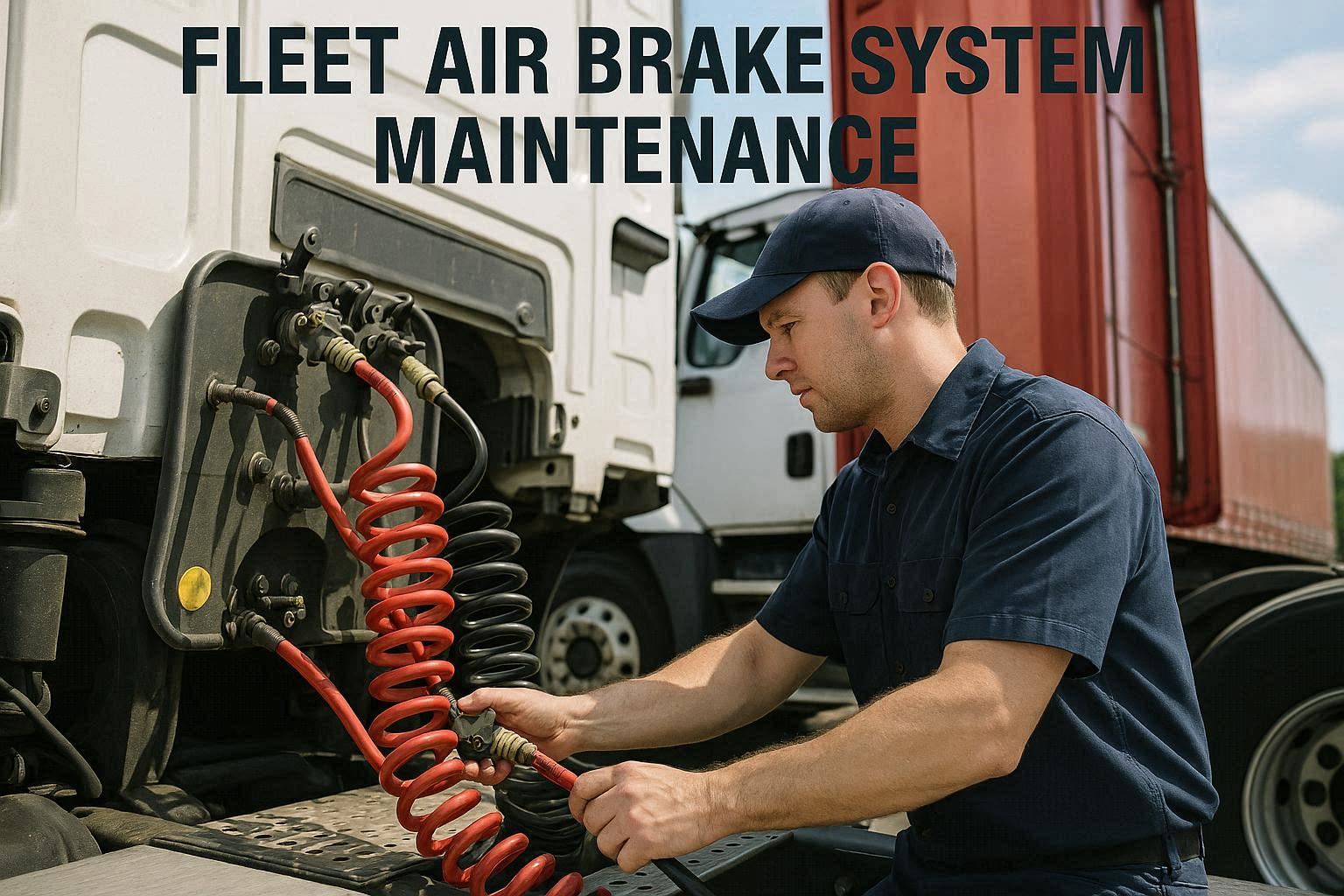
In the demanding world of commercial transportation, the reliability of a vehicle's braking system is not merely a maintenance concern—it is a critical safety imperative. Air brake leaks currently represent the second most common vehicle maintenance violation cited during DOT inspections, with nearly 250,000 trucks and trailers flagged annually. These failures often lead to immediate out-of-service (OOS) orders, causing costly delivery delays and compounding fleet expenses. To proactively manage your vehicle health, you can Sign Up Free to access our digital maintenance suite. AI-powered predictive maintenance has emerged as a transformative solution, shifting the industry from reactive repairs to a sophisticated model of condition-based monitoring. To see how these intelligent sensors can safeguard your fleet, you should Book a Demo today.
Predictive Maintenance for Brakes: AI Detection of Air Leak
Harnessing machine learning and ultrasonic acoustics to detect, diagnose, and predict air brake system failures before they occur.
The Engineering Behind AI Air Leak Detection
Traditional air leak detection relies heavily on manual inspections—technicians applying soap solutions to fittings or listening for audible hisses in a quiet shop environment. However, many critical leaks remain "silent" to the human ear, occurring at ultrasonic frequencies (20kHz to 100kHz). By the time a leak is audible, the system's air compressor is already working overtime, leading to premature wear and increased fuel consumption.
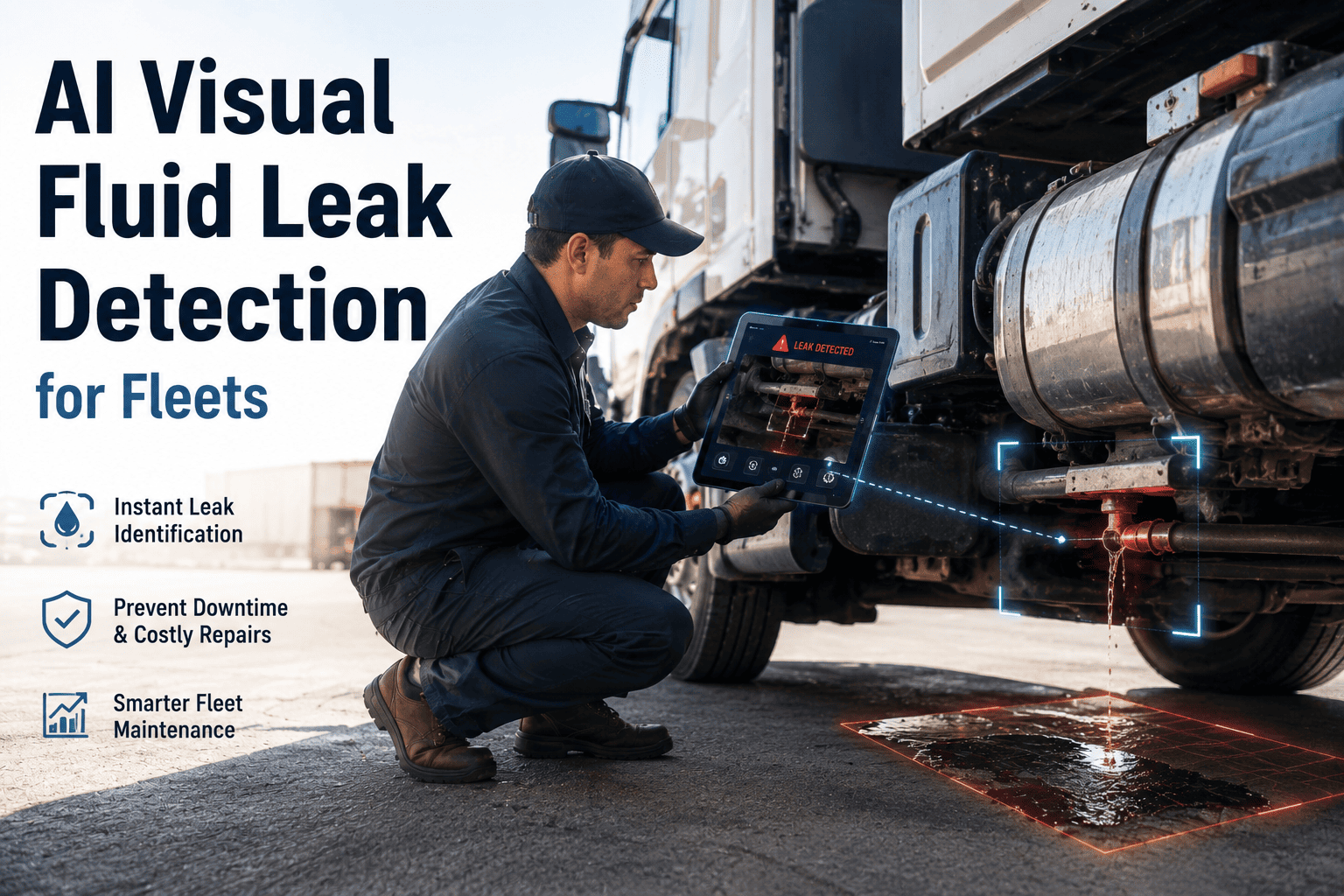
AI detection systems utilize acoustic emission sensors and pressure transducers to "hear" the high-frequency sound signatures created by escaping air. These signals are processed by machine learning algorithms that can distinguish between the normal "puff" of a quick-release valve and the persistent high-frequency vibration of a cracked brake chamber diaphragm. You can Sign Up Free to start capturing this critical data for your fleet. Our predictive models analyze trends over time, providing a "health score" for every brake component. For a deep dive into our sensor hardware and ML training sets, feel free to Book a Demo.
Eliminate Roadside Brake Failures
Deploy AI-driven monitoring to catch microscopic leaks in chambers, hoses, and valves before they trigger a DOT red tag. By identifying issues weeks in advance, you can reduce emergency repair costs by up to 4x and ensure 100% compliance during Brake Safety Week. Join the leaders in fleet safety today.
The Progression of System Failure
Air leaks in heavy-duty vehicles rarely remain static; they are progressive. A small leak at a push-to-connect fitting can worsen under the extreme heat and vibration of long-haul operations. As the leak grows, the air compressor cycle frequency increases. This constant cycling prevents the air dryer from properly purging moisture, leading to internal corrosion and valve freezing in winter months.
AI monitoring identifies these subtle changes in compressor behavior long before a dashboard warning light appears. This level of granular visibility allows maintenance managers to plan repairs during scheduled PM intervals. To see how our platform visualizes compressor duty cycles, Sign Up Free today. We provide real-time alerts that pinpoint the exact location of the leak, saving hours of diagnostic labor. If you're managing a diverse fleet and need to know about trailer-specific monitoring, you can Book a Demo to explore our multi-trailer support.
DOT Compliance and Safety ROI
The Department of Transportation's air loss rate standard is strict: for combination vehicles, a loss of more than 3 PSI per minute with the engine off and brakes applied is a violation. AI systems continuously simulate these tests during normal operations, providing a rolling compliance report for every truck in your fleet. This doesn't just protect your CSA scores; it protects your bottom line.
The ROI for AI brake detection is calculated through the prevention of a single out-of-service event, which typically costs $2,500 to $4,000 when considering towing, fines, and driver downtime. Furthermore, by ensuring the compressor runs only when necessary, fleets report improved fuel economy and extended air dryer life. To calculate your potential savings, Sign Up Free and access our fleet analytics tools.
Frequently Asked Questions
How does the AI differentiate between environmental noise and a leak?
Where are the sensors typically mounted?
Does this work for both disc and drum brake systems?
What is the installation time for a standard tractor-trailer?
Can the AI detect internal valve leaks that aren't audible?
How does this improve driver retention?
Ready for 100% Brake Confidence?
Join thousands of forward-thinking fleet managers who have transitioned from reactive chaos to data-driven precision. Use Oxmaint AI to protect your drivers, your cargo, and your CSA scores. Start your journey toward zero roadside failures today with our easy-to-deploy monitoring solution.